De nos jours, il est facile de se sentir dépassé et de penser que l'on n'arrive pas à gérer nos tâches quotidiennes. Les situations stressantes peuvent se manifester aussi bien dans notre vie professionnelle que personnelle, et il peut être difficile d'éviter les conflits lorsque l'on se trouve dans un environnement stressant. Au cours de cette formation, les participants ont eu l'occasion, à travers des activités théoriques et pratiques, de découvrir les outils permettant de gérer et de surmonter les conflits et les situations stressantes.
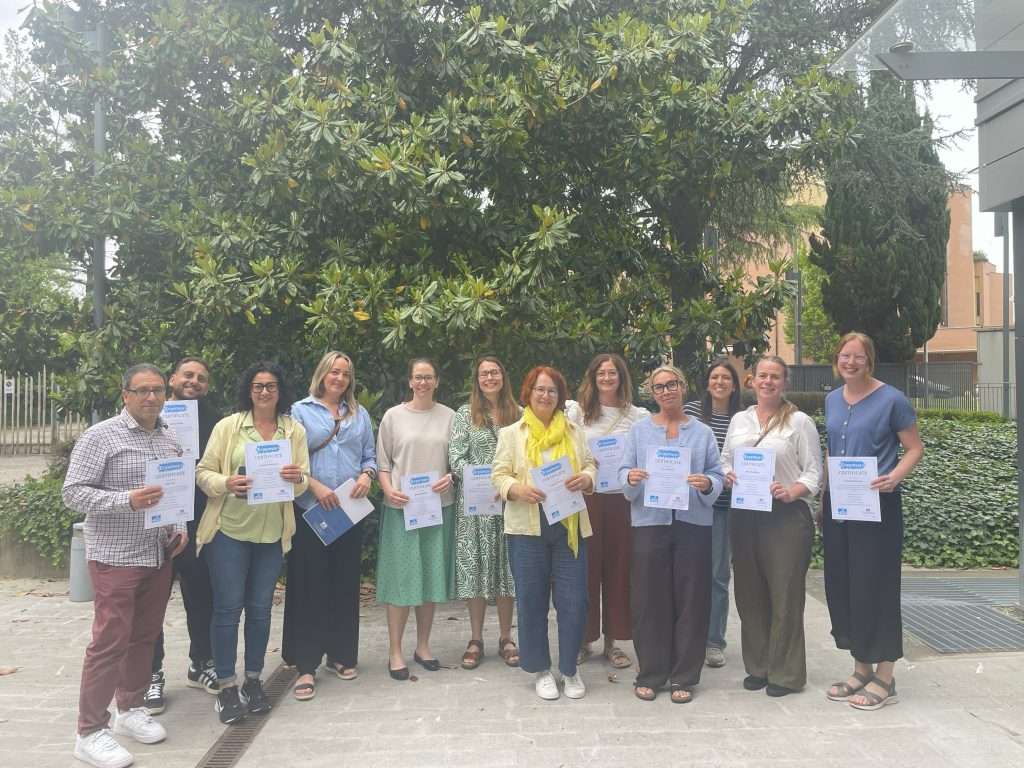
La nouvelle édition de la formation “ Gestion du stress et des conflits : vers la résilience et la satisfaction ” s'est déroulée à Bologne de 03/05/2026 to 09/05/2026. The participants came from all across Europe, with Maria Sundberg, Theresé Karlsson and Ulrika Lysén from Vasaskolan in Sverige, Sara Wernersson and Sara Merbom Adolfsson from Teknikum Växjö in Sverige, Lorraine Debrincat, Josmar Refalo and Alan Cini from Sir M A Refalo Sixth Form in Malta, Sofia Winberg and Jessica Enander from Uddevalla vuxenutbildning in Sverige, and Irmgard Forkert from MS VBS In der Krim in Austria.

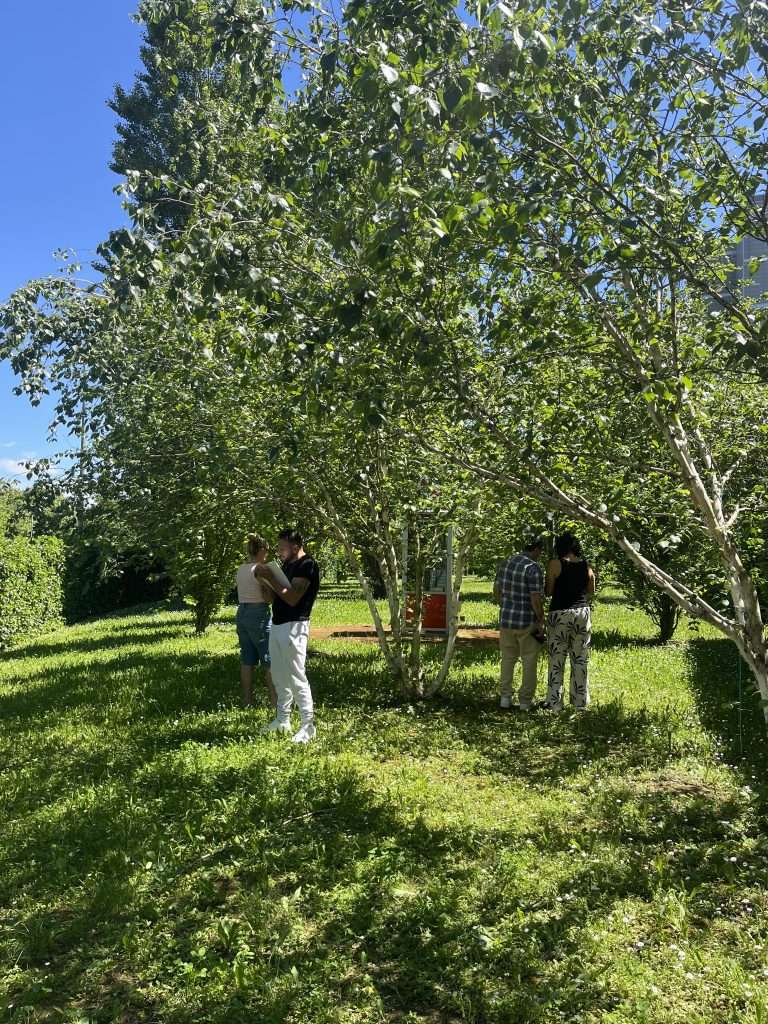
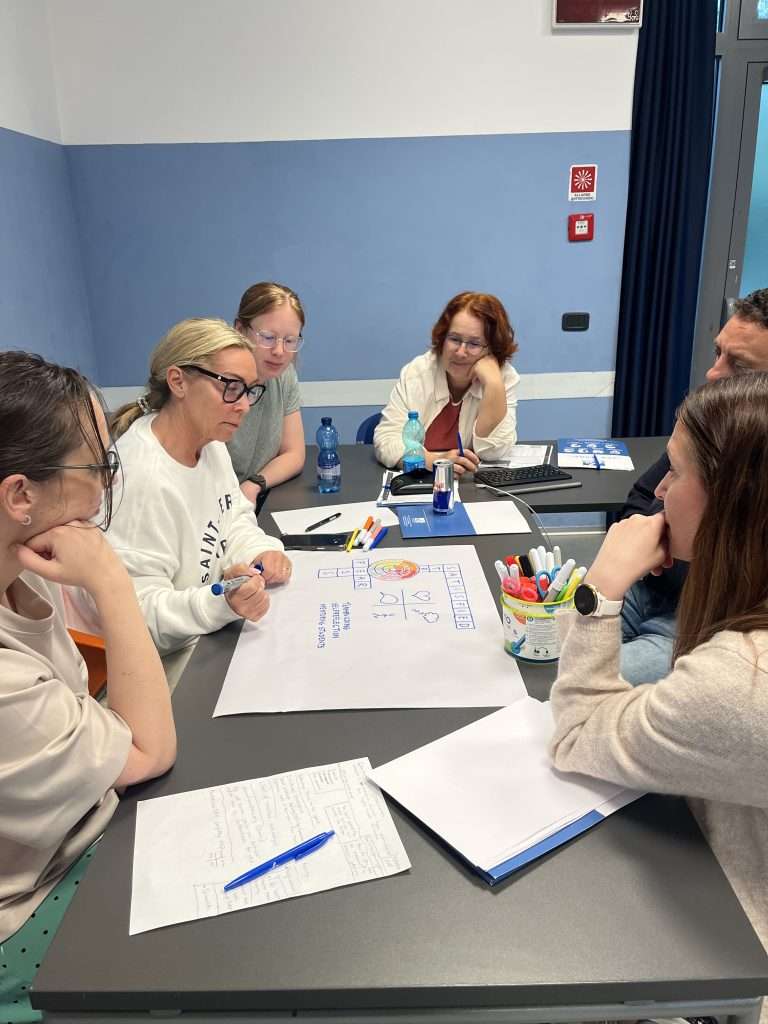
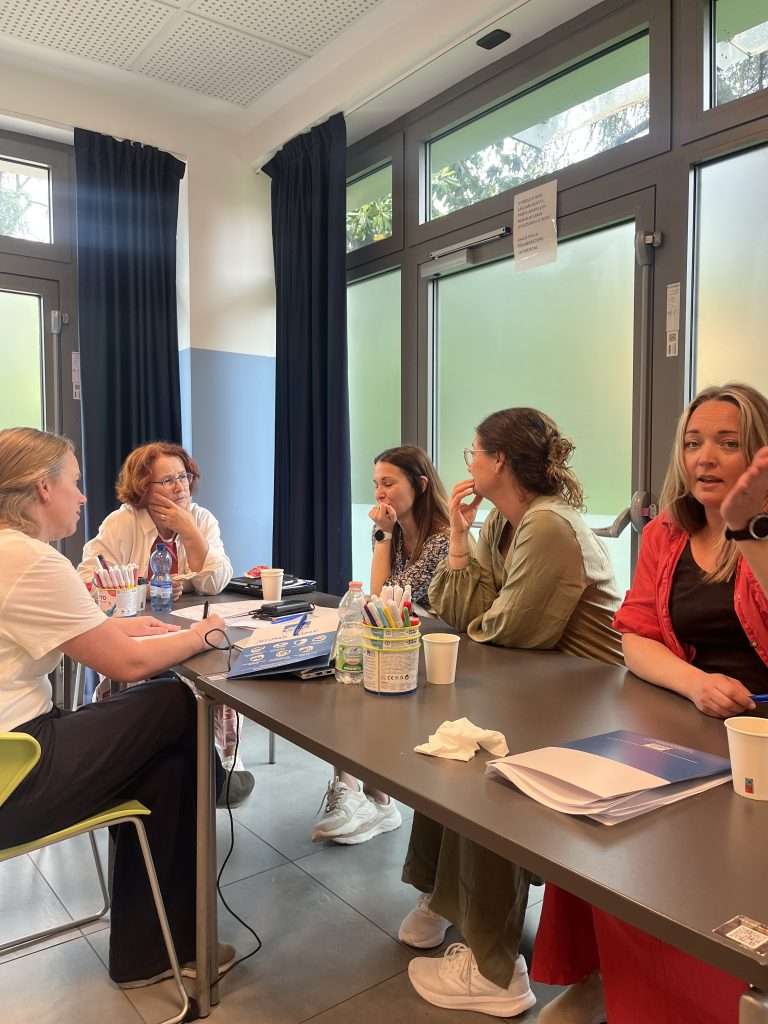
On the first day participants reflected on the meaning of the word stress by brainstorming in groups. Stress is caused by a series of stressors that can be related to many factors: physical, environmental, family-related or work-related. However, small amounts of stress can also have positive outcomes and push us to achieve our goals or to respect a deadline for example. For this reason the participants learnt to distinguish between Distress (negative) and Eustress (positive).
During this course the participants learnt about a series of strategies, both cognitive and behavioural, designed to overcome stressful situations in the workplace.
Another topic that was discussed during the course was empathie, which is a fundamental skill when it comes to dealing with conflicts. It can be tricky sometimes to show an empathic response, especially when we haven’t experienced the same feeling as the person in front of us. However, it is possible to practice it and the participants learnt how to distinguish it from other types of responses.
In order to solve conflicts it is necessary to know how to communicate effectively. The participants discovered the different communication styles and were asked to do a group activity in which each member had to contribute in resolving a conflict. Although it can be difficult to solve a conflict, as this activity demonstrated, the team members saw how this situation could also be an opportunity to grow and learn. This method can also be applied to a workplace and a classroom.
The last topic that was considered was mindfulness, that is the practice of being fully present and observing thoughts and experiences without judgment. It improves attention, self-awareness and emotional control. Mindfulness-based stress reduction is widely used for managing stress and mental health. Participants also practiced with mindfulness exercises and meditations. This type of exercise helps individuals become more aware of their senses, thoughts, and emotions, fostering a greater sense of presence and mindfulness.
Since participants came from different cultural backgrounds, it was an opportunity for them to confront themselves with each other and learn from their shared experiences. More importantly, this course showed them that not only they have the tools with dealing with stressful situation, but that sometimes there can also be a positive out come from an existing conflict.
En savoir plus sur ce cours ici.
Where this course took place: Erasmus courses for teachers in Bologna
Planning your own Erasmus+ course? Téléchargez le catalogue des formations 2026-2027
 English (UK)
 Español
 Italiano
 Deutsch
 Română
 Български
 Čeština
 Ελληνικά
 Polski
 Português
 Français