Being in contact with the outdoors has a considerable positive impact on the cognitive, behavioural and emotional development of human beings since prehistory. Even nowadays it is not unusual to feel inspired, intimidated or even influenced by walking in nature or admiring a natural or urban landscape. Outdoor education is an innovative teaching approach that offers the possibility to address two of the most important topics of today’s society: providing long-lasting high quality education and raising awareness on the importance of preserving our planet in the face of the daunting threat of climate change.
The new edition of the course “Outdoor education: a new way of teaching and learning” took place in Bologna from 08/02/2026 to 14/02/2026. The participants came from different countries across Europe, with Elena from Gothenburgˋs Preschool AB (Sweden), Kathleen and Nadia from BBZ Dithmarschen (Germany) and Antonia from ESCUELA OFICIAL DE IDIOMAS CHICLANA (Spain).

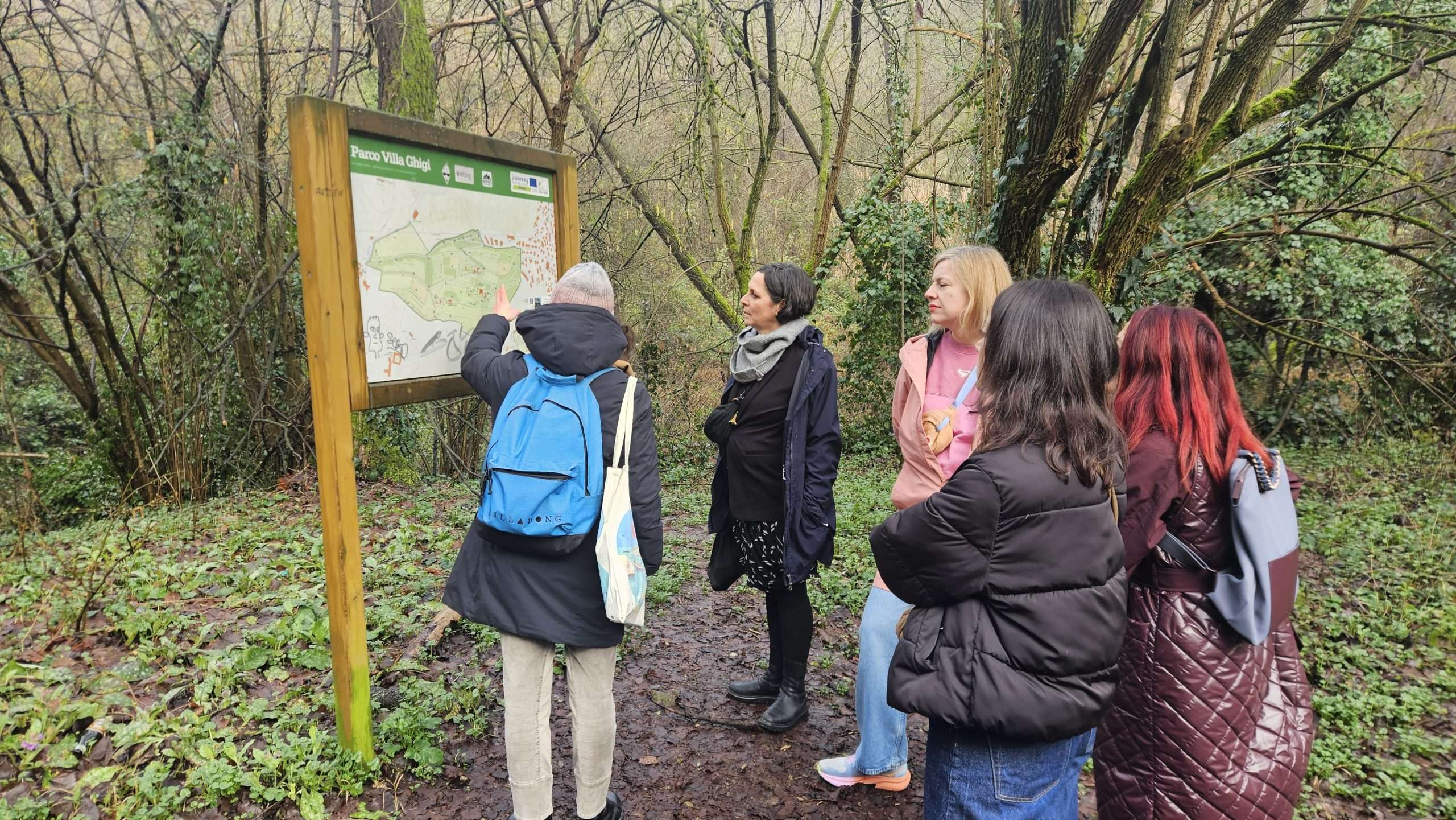
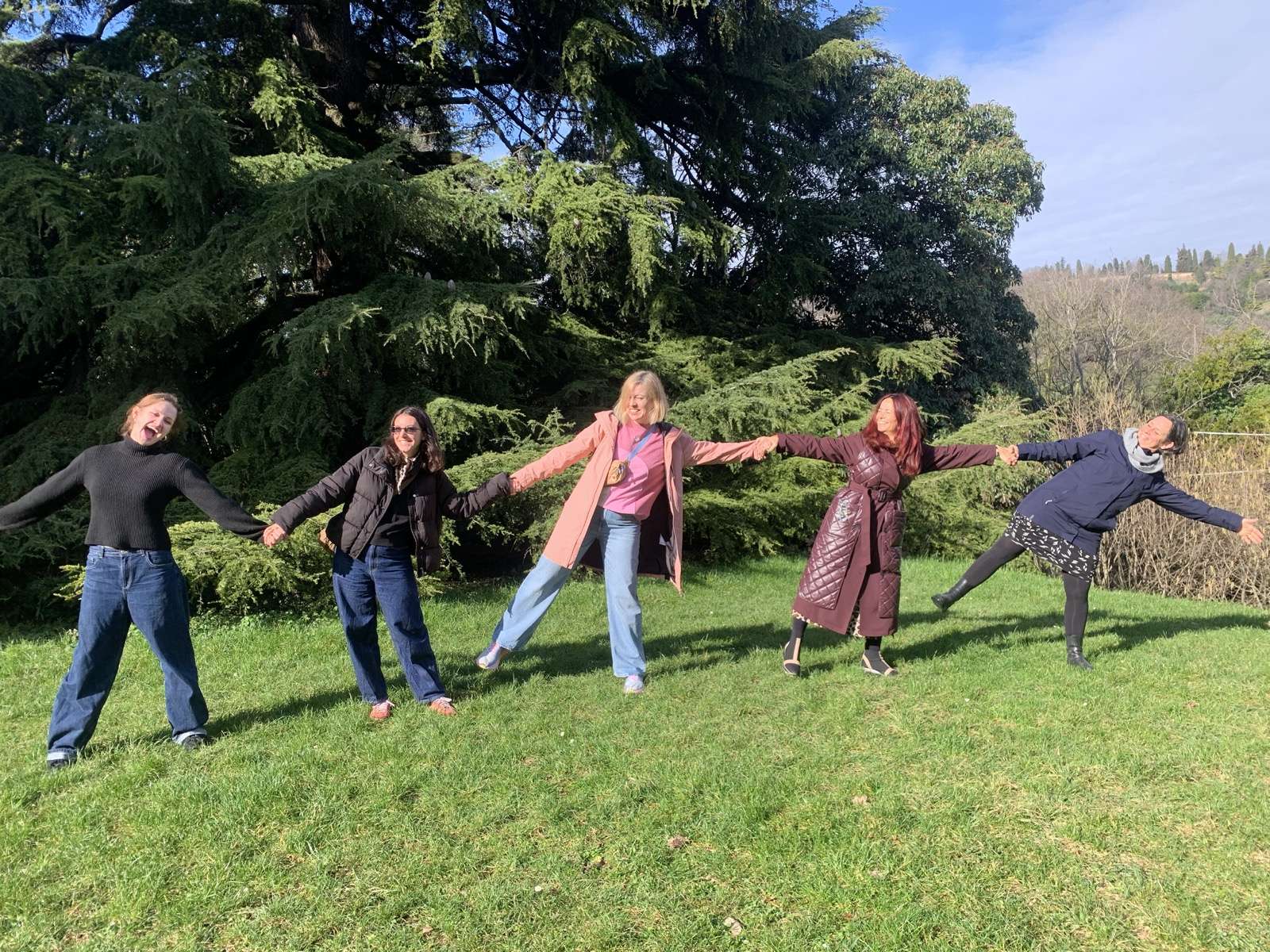
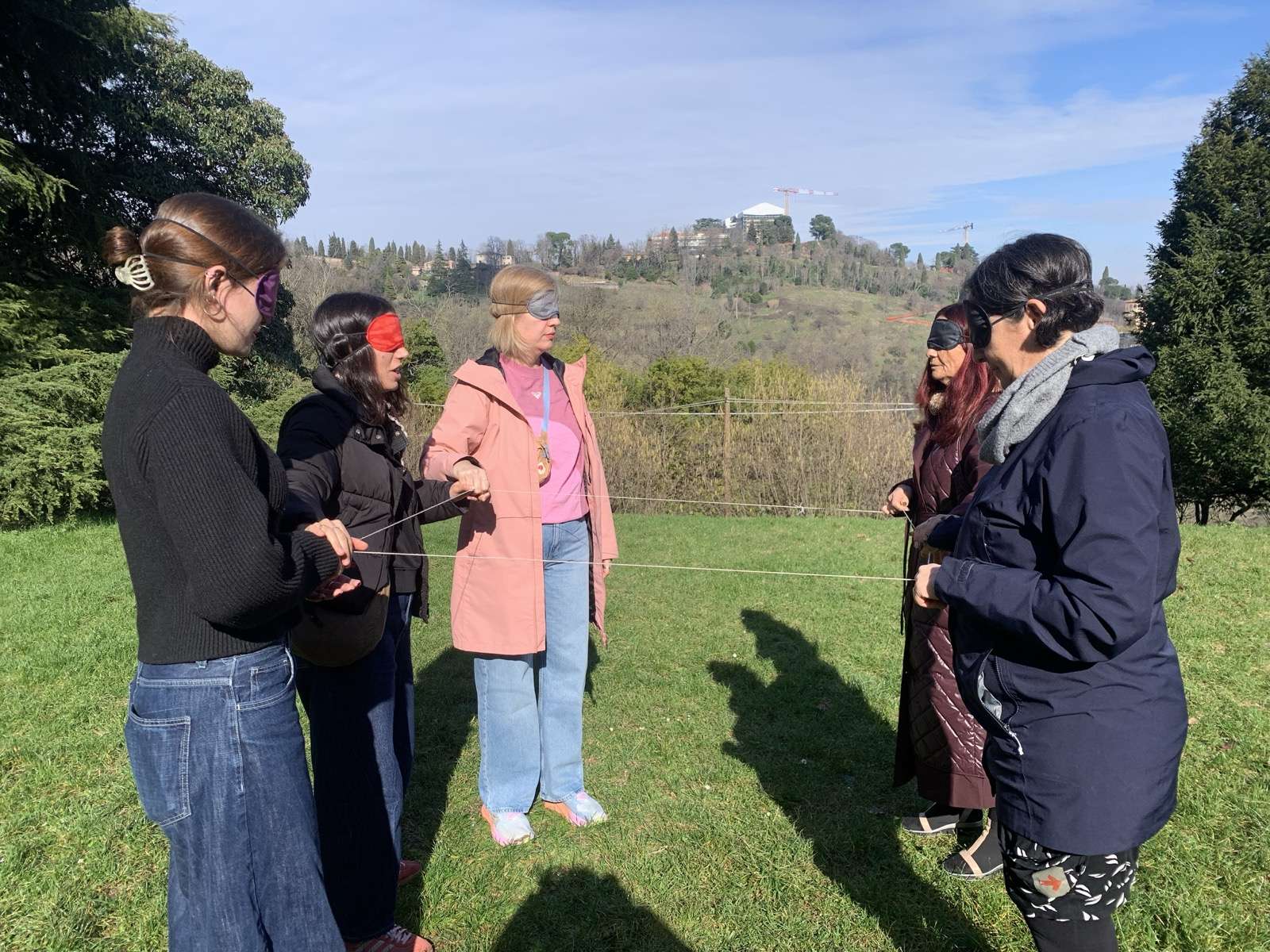
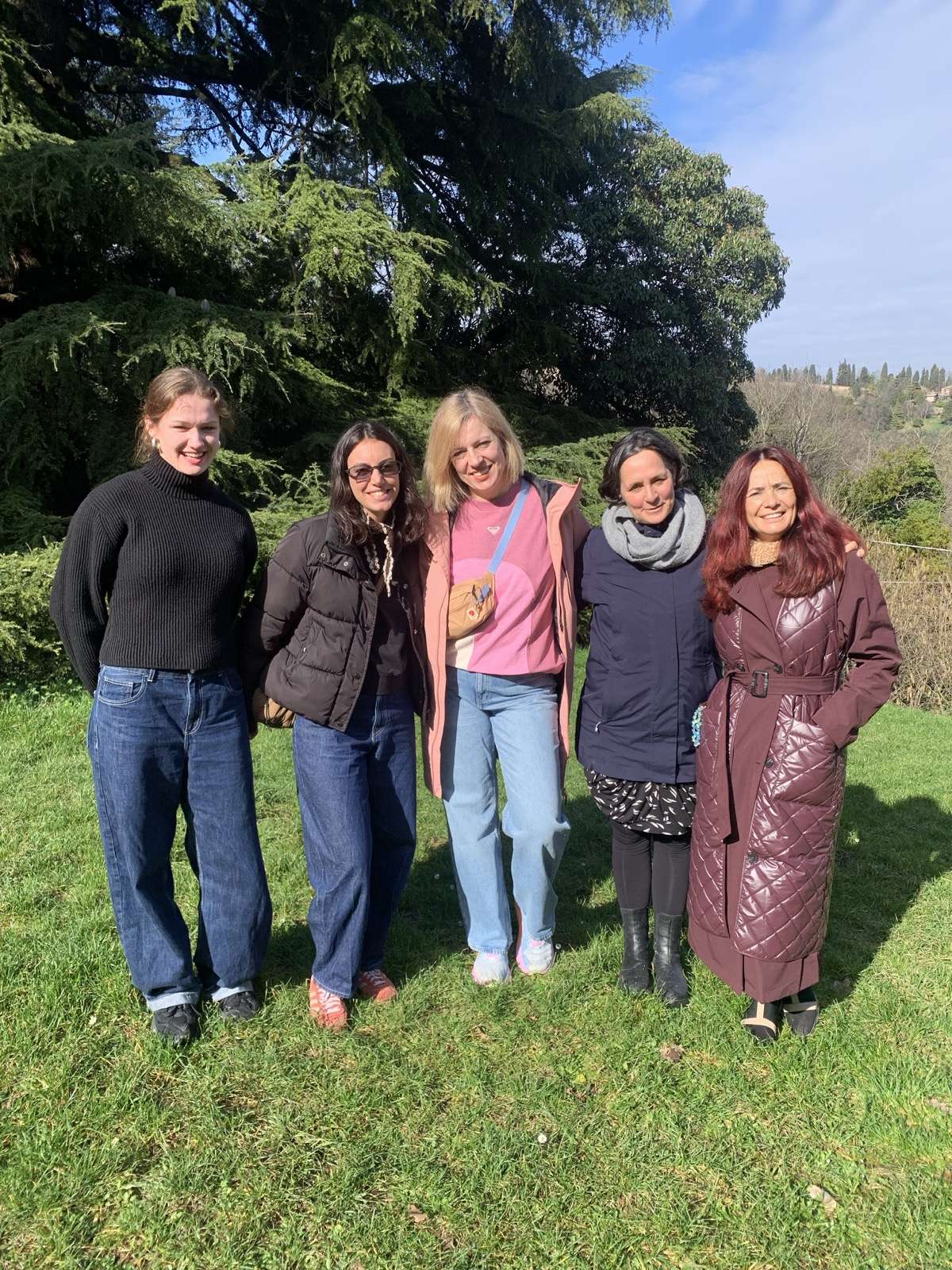
The week started with ice-breaking activities aimed at creating a positive and collaborative learning atmosphere. Participants shared their expectations, needs and possible contributions related to the topic of Outdoor Education. Together, they explored their familiarity with this approach, discussing the main challenges and obstacles they encounter in applying it in their institutions. Based on their reflections and exchanges, the group worked collaboratively to develop a common definition of Outdoor Education, building a shared understanding that guided the rest of the course.
On Tuesday, participants tested diverse outdoor activities designed to foster teamwork, collaboration and trust. Through play and experimentation, they experienced firsthand the power of Outdoor Education in developing soft skills such as communication, problem-solving and adaptability. The practical sessions allowed them to reflect on how experiential learning outside the classroom can strengthen group dynamics and student engagement.
Wednesday was dedicated to deepening the theoretical framework behind the practice. Participants explored the differences between Formal, Non-Formal and Informal Education, identifying the main points of contact between Outdoor Education and the Non-Formal Education approach. Particular attention was given to the experiential learning cycle and the importance of reflection. Moreover, the topic of outdoor learning and safety was addressed, providing practical guidelines to ensure effective planning and responsible management of outdoor classes and activities.
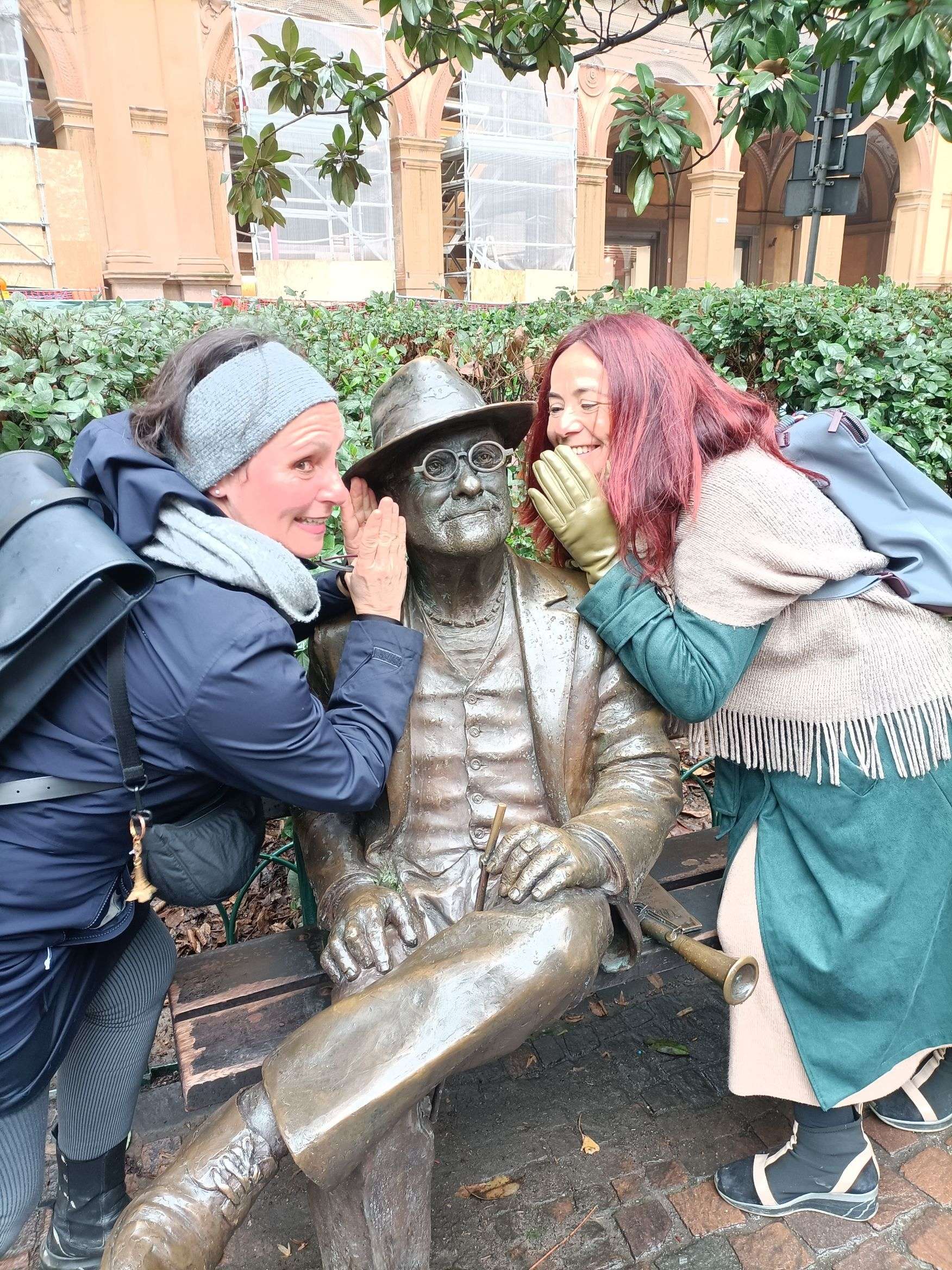
On Thursday, the group moved into an urban setting to test Outdoor Adventure activities. This session highlighted how meaningful outdoor learning can take place not only in natural environments but also within the city. Participants discovered how urban spaces can become powerful learning environments, encouraging observation, creativity and active exploration.
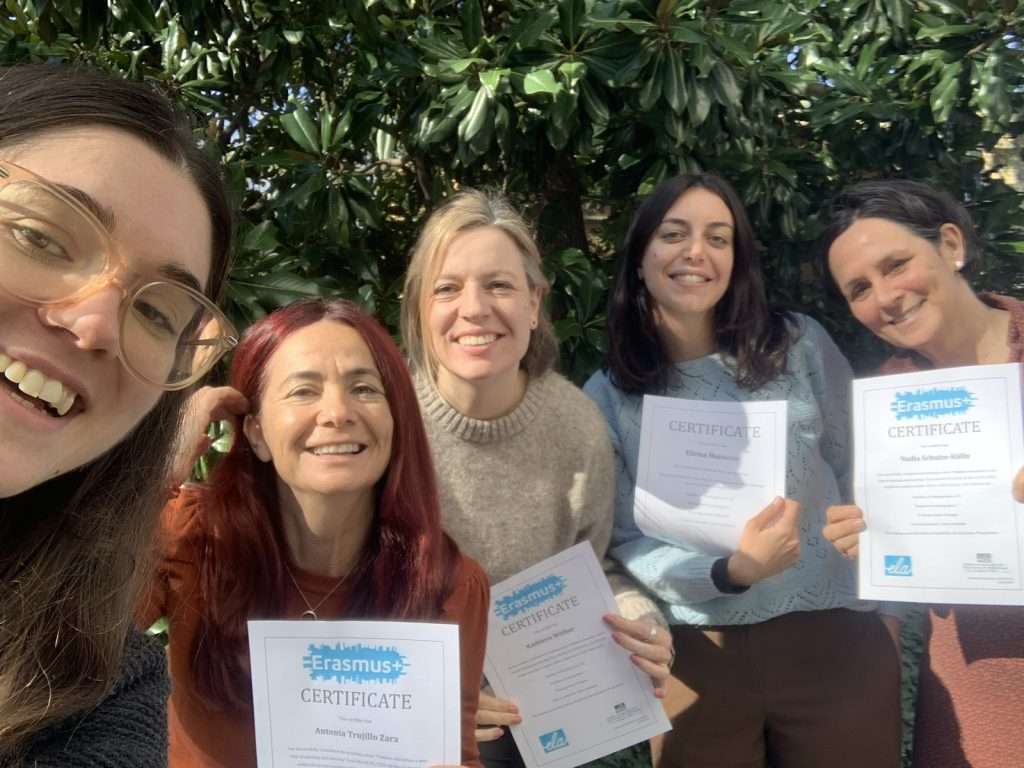
Finally, on Friday, the course focused on the development of green skills in connection with the European Green Competence Framework. Participants reflected on how Outdoor Education can contribute to fostering environmental awareness, sustainability values and responsible citizenship among learners of all ages.
This week was a true example of the efficacy of experiential outdoor learning: with our hands-on approach, participants had a real taste of what an outdoor education activity looks like and acquired the knowledge needed to plan one for their pupils.
During this course participants were able to explore a vast series of activities and games that they will be able to replicate with their students, showing that learning doesn’t happen only inside a classroom!
Discover more about this course here.
Where this course took place: Erasmus courses for teachers in Bologna
Planning your own Erasmus+ course? Download the 2026-2027 course catalogue
 English (UK)
 Español
 Italiano
 Deutsch
 Română
 Български
 Čeština
 Ελληνικά
 Polski
 Português
 Français
Good memories.
Thank you Irene for your work and patience as teachers are not the BEST students!
Comments are closed.