Creating genuinely inclusive learning environments requires educators to understand gender-related challenges and actively encourage a culture based on respect, empathy, and equal opportunities. During this intensive week-long programme, teachers and education professionals from different parts of Europe participated in collaborative workshops and interactive activities focused on gender identity awareness and the prevention of gender-based discrimination.
Le cours “Preventing Gender-Based Discrimination and Promoting Gender Inclusiveness in the Classroom” s'est tenu à Tenerife de 03/05/2026 à 09/05/2026. Participants represented several European countries, including Lore from GO! Atheneum De Ring Leuven in Belgium, Jasna from ŠOLSKI CENTER NOVA GORICA, SLOVENIJA in Slovenia, Jana from LTPES in Luxemburg and Paola from IIS di poppa rozzi en Italie.
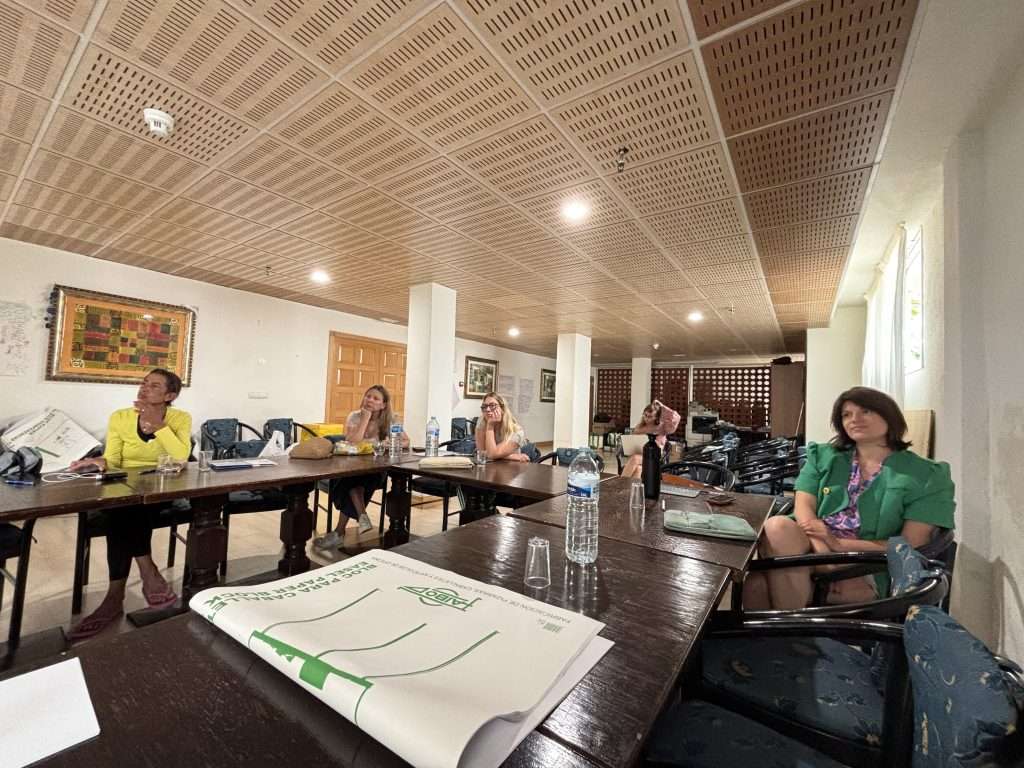
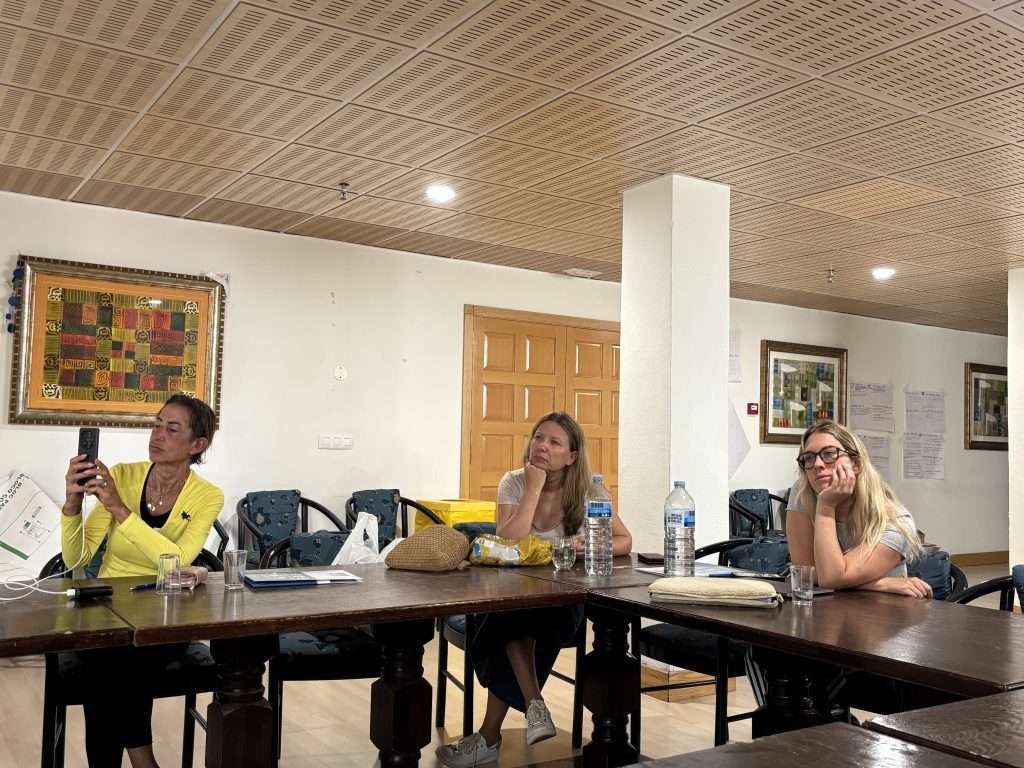
The programme opened with sessions dedicated to clarifying the concepts of gender identity, biological sex, sexual orientation, and gender expression. Participants worked in groups to analyse authentic school situations involving gender-related issues, reflecting on how these experiences can influence students’ emotional wellbeing, participation, and school retention.
As the week progressed, educators examined the impact of gender norms and societal expectations on students’ confidence, academic achievement, and personal expression. Through activities inspired by Intersectionality theory, participants explored topics such as privilege, prejudice, stereotypes, and discrimination, discussing how these elements reinforce one another and how educational institutions can actively interrupt these harmful patterns.
The middle part of the course focused on understanding gender-based discrimination, sexual harassment, and sexual violence in educational contexts. Participants also reflected on the concept of rape culture and considered practical ways to introduce the topic of consent in schools as a preventive and educational tool.
Attention was also given to the emotional aspects of inclusion through the exploration of Daniel Goleman’s pillars of emotional intelligence. Via interactive exercises aimed at recognising and expressing emotions, teachers experimented with cooperative learning strategies designed to strengthen empathy, communication, and active listening among students.
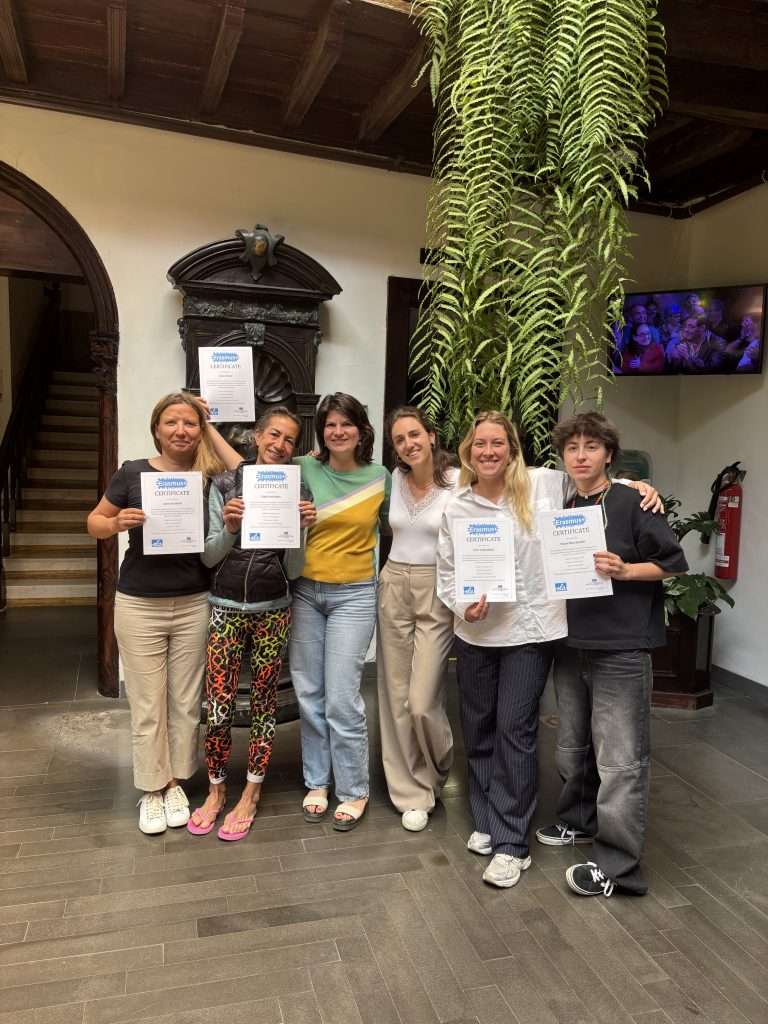
In the concluding sessions, participants explored practical approaches for creating more inclusive classrooms. The course ended with a range of concrete recommendations, classroom activities, and a final handbook containing best practices to support gender inclusiveness and equality across different educational settings.
En savoir plus sur ce cours ici.
Where this course took place: Erasmus courses for teachers in Tenerife
Planning your own Erasmus+ course? Téléchargez le catalogue des formations 2026-2027
 English (UK)
 Español
 Italiano
 Deutsch
 Română
 Български
 Čeština
 Ελληνικά
 Polski
 Português
 Français