Formative assessment is a highly effective and dynamic teaching strategy, renowned for its adaptability in supporting students through all phases of learning. It provides educators with the means to create more engaging and impactful learning experiences, from activating prior knowledge and monitoring progress to delivering constructive feedback. Over the course of the week, participants delved into both the theoretical underpinnings and practical applications of this approach, acquiring new tools and techniques. This learning will enable them to better understand student needs and implement simple yet meaningful assessment methods.
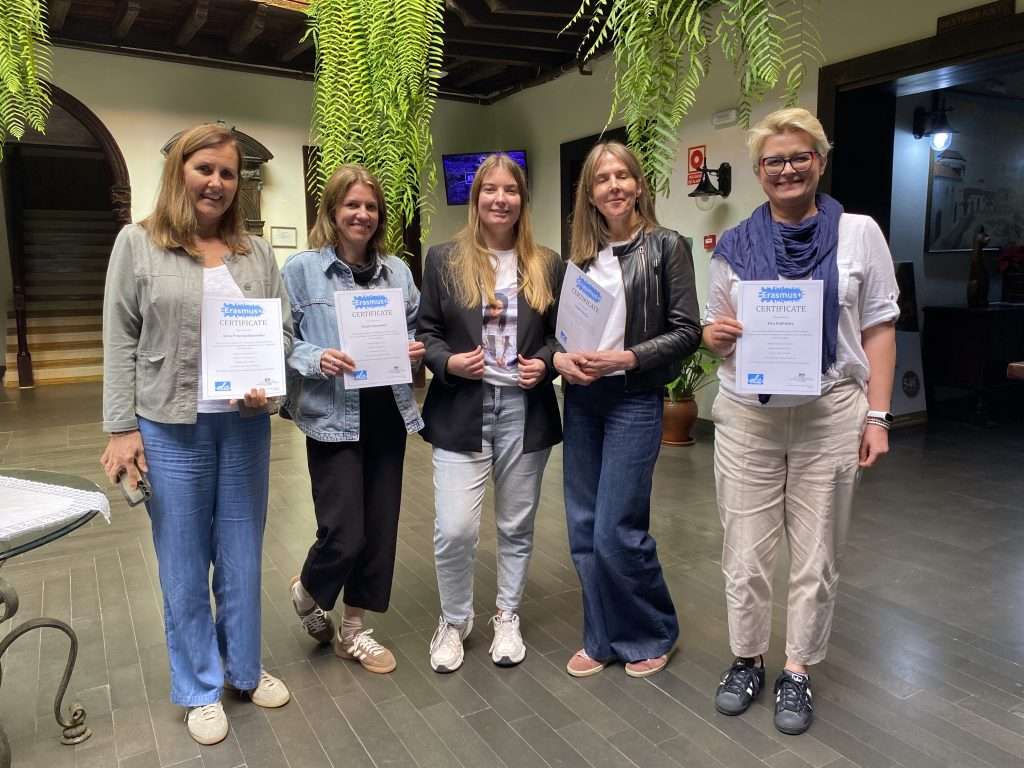
The most recent edition of the course, “Effective Formative Assessment and Feedback Management in Education” a eu lieu à Tenerife de 01/02/2026 to 07/02/2026. Educators from across Europe attended, including Sanita from Rīgas Stradiņa Universitāte in Latvia; and Ewa, Anna, and Natalia from AGH University of Krakow en Pologne.
The course started by looking at what participants already knew about formative assessment. Everyone shared their current knowledge and what they hoped to learn during the week. We first studied the assessment cycle and the main differences between formative and summative assessment. Using group brainstorming and digital quizzes, we compared the goals of each type and discussed the common challenges teachers face when using them.
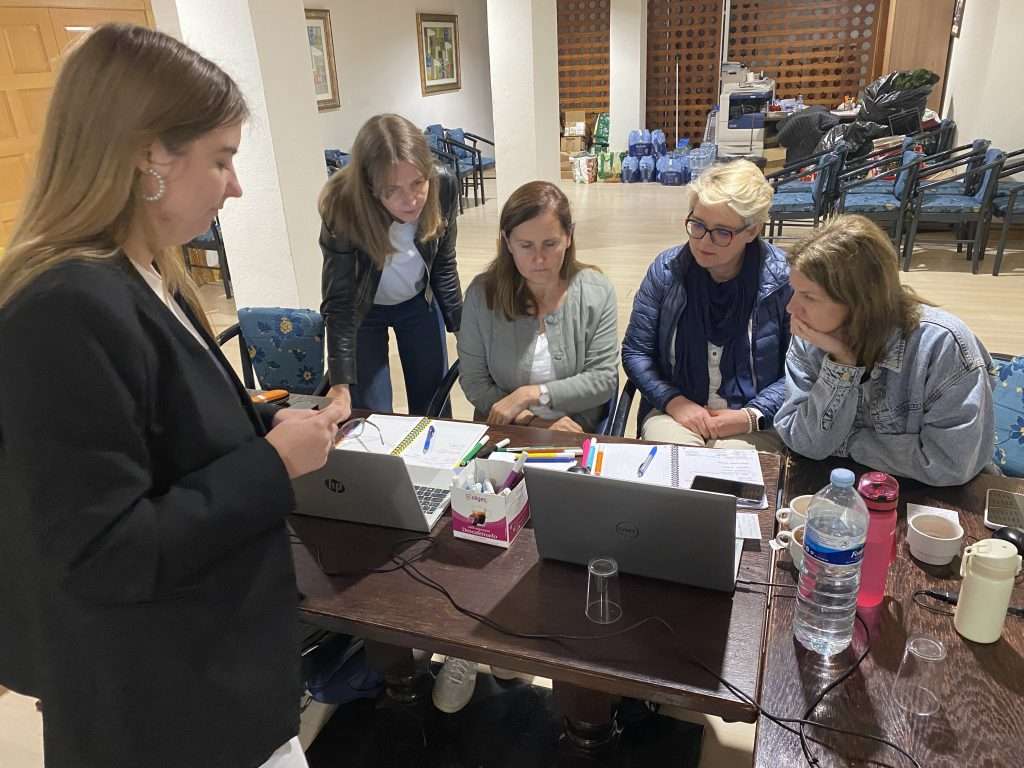


Next, we explored the best tools for formative assessment in the classroom. We focused on digital tools that help teachers track student progress in real-time. We also practiced using “entry and exit tickets,” which are quick ways to get students involved and help them think deeply about what they just learned.
Feedback was another major topic of the week. Through group talks and role-playing, we found the best ways to give helpful feedback and learned how to receive it in a positive way. We also had a challenge that showed the importance of a “growth culture” in class, where feedback is seen as a way to show care and help students improve.
We also looked at how students can help each other through peer learning and peer feedback. Participants shared how they use rubrics to make grading rules clear. This helps create a safe environment where students feel comfortable giving and receiving advice from their classmates.
The group then discussed self-assessment for both students and teachers. By learning how to check their own progress, students become more motivated and committed to their work. At the same time, this practice helps teachers look back on their own methods to see what is working best.
Finally, we included activities about empathy and shared some powerful teaching tools suggested by the participants. To wrap up the week, everyone reflected on what they learned and made a plan for how to use these new skills and ideas in their own classrooms.
En savoir plus sur ce cours ici
Where this course took place: Erasmus courses for teachers in Tenerife
Planning your own Erasmus+ course? Téléchargez le catalogue des formations 2026-2027
 English (UK)
 Español
 Italiano
 Deutsch
 Română
 Български
 Čeština
 Ελληνικά
 Polski
 Português
 Français