In every classroom, there are different ways of seeing, thinking, and learning. Recognizing and celebrating these differences is what makes education truly powerful. Inclusive education is not simply about adapting lessons for a few students, it’s about transforming the whole learning environment so that everyone, regardless of their abilities or background, can feel valued and supported.
The course “Special needs and inclusive education: the Italian experience of overcoming segregation”, held in Bologna from 20th to 24th April 2026. This edition brought together passionate educators from Szkoła Podstawowa im. gen. Władysława Sikorskiego w Ropicy Polskiej in Poland: the participants were Karina Szura, Agnieszka Mazur, Grzegorz Mazur, Katarzyna Szurek, Gabriela Radecka-Sandecka, Justyna Szczepanik-Haluch and Justyna Książkiewicz-Szura.
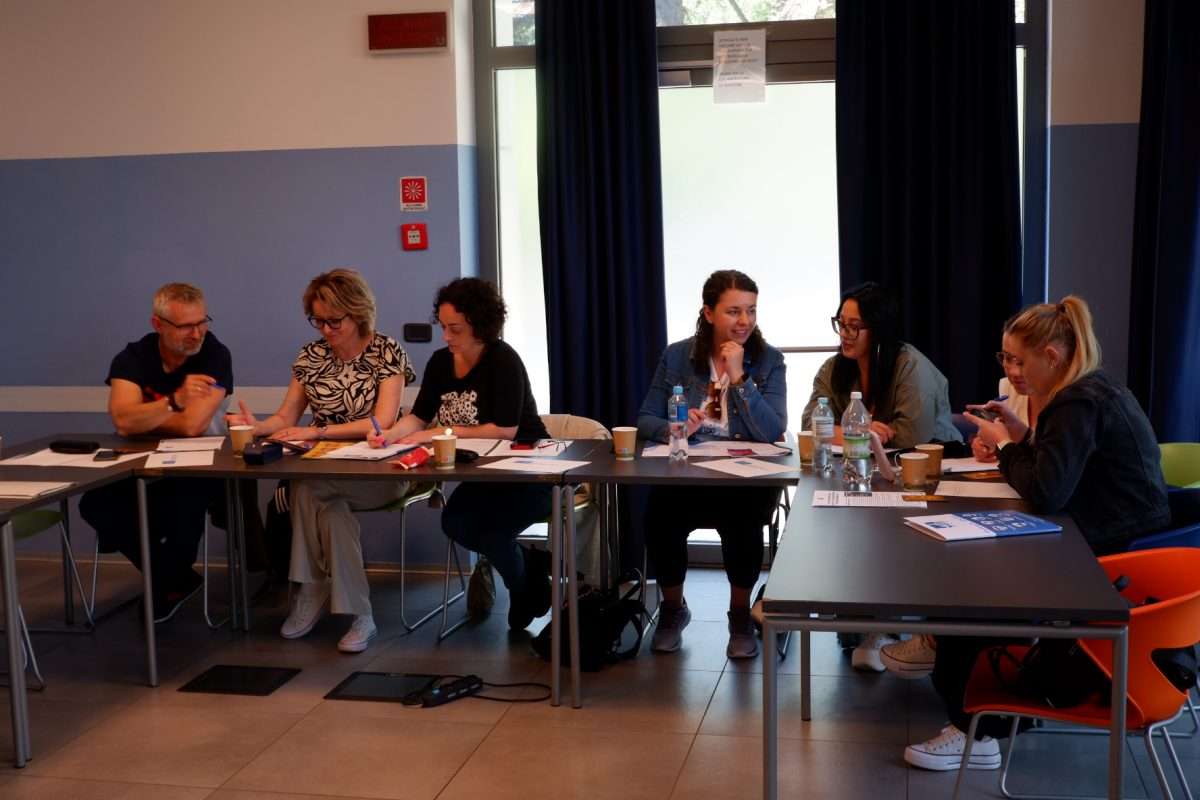

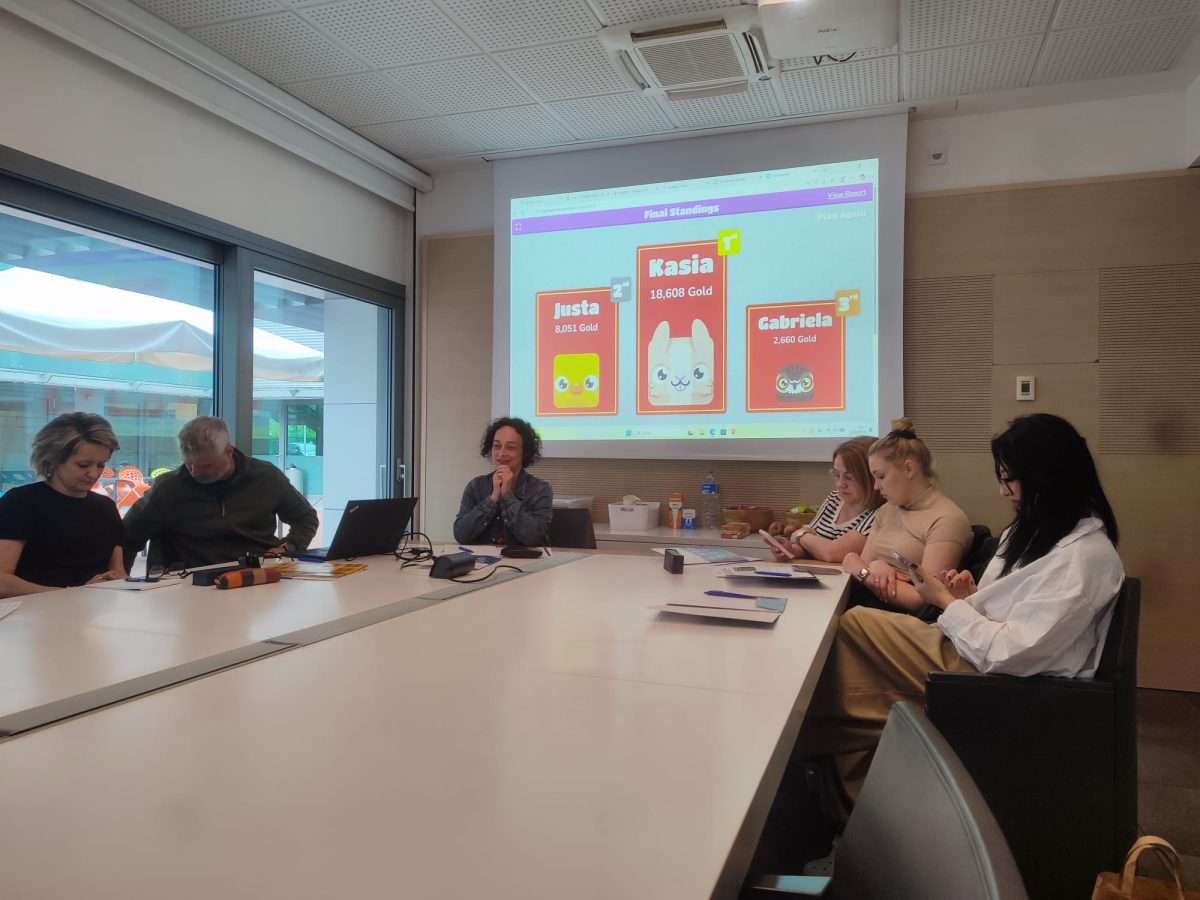


The course began with an introduction to the concept of inclusion in education, highlighting how every child should have access to meaningful learning experiences within a shared classroom environment. Through practical discussions and collaborative activities, participants reflected on their own approaches and explored ways to adapt lessons to better meet the needs of each student. They also learned how to build supportive classroom communities, where cooperation, empathy, and flexibility play a key role.
During the week, the group examined the Italian model of inclusive education, which is internationally recognized for its commitment to integrating students with special needs into mainstream schools. They discussed how this approach developed historically, and how the collaboration between classroom teachers, support teachers, and families ensures that no learner is left behind.
A particularly valuable moment of the course was the school visit on Thursday, where participants were able to observe inclusion in practice. Visiting a local school allowed them to see how co-teaching and support systems function in real-life classrooms. They met teachers who shared their experiences and challenges, providing authentic insight into how inclusion is nurtured day by day.
The programme also emphasized the importance of communication and teamwork among educators, exploring co-teaching models and classroom management strategies that promote shared responsibility. Participants discussed how using ICT tools and assistive technologies can enhance accessibility, motivation, and engagement for all students, including those with learning difficulties.
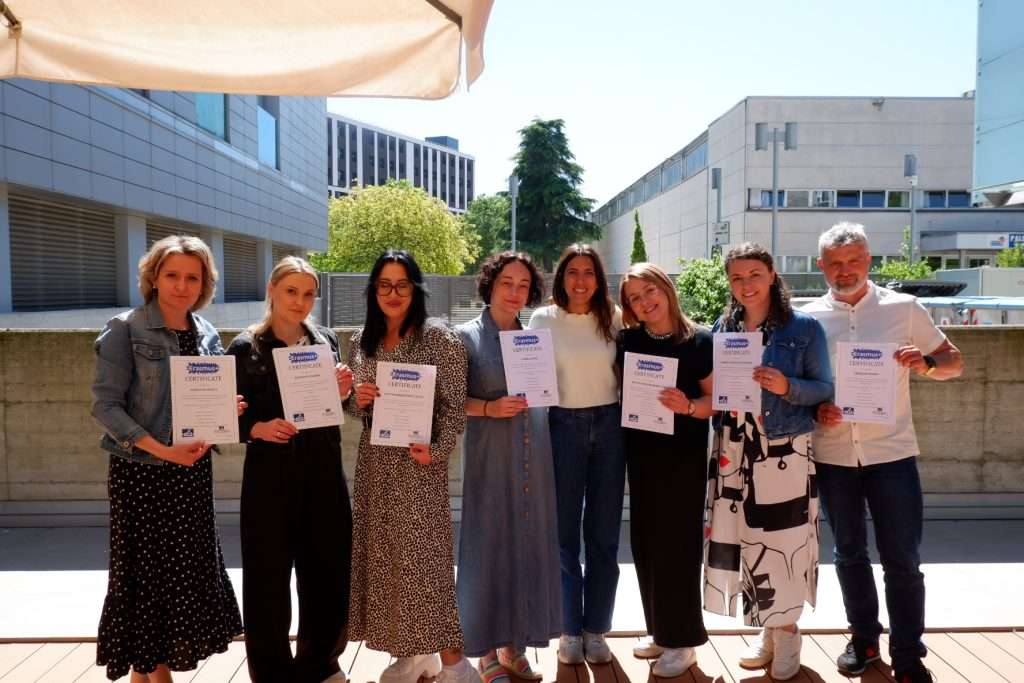
By the end of the week, the participants had gained a deeper understanding of how inclusive education can transform schools into spaces where every learner feels capable and valued. They left Bologna with renewed energy, practical tools, and a strong sense of community ready to continue promoting inclusion in their own educational settings.
Discover more about this course here.
Where this course took place: Erasmus courses for teachers in Bologna
Planning your own Erasmus+ course? Download the 2026-2027 course catalogue
 English (UK)
 Español
 Italiano
 Deutsch
 Română
 Български
 Čeština
 Ελληνικά
 Polski
 Português
 Français