Developing emotional intelligence and soft skills in education is essential for creating positive, collaborative, and emotionally supportive learning environments. During this intensive week-long course, teachers and education professionals from different European countries participated in practical workshops and reflective sessions designed to strengthen communication, leadership, and interpersonal competences.
The course “Soft Skills and Emotional Intelligence for Teachers and Education Staff” took place in Tenerife from 03/05/2026 – 09/05/2026. The participants came from various countries across Europe, including Ramune and Regina from Valstybės institucijų kalbų centras and Odeta and Loreta from Klaipedos Stasi Simkaus Konservatorija in Lithuania, Noemi from Italy, Kelly from Université Paris Nanterre in France, Julia and Elena from uniT GmbH in Austria, Jana and Silvia from OZ VIAC in Slovakia, and Marisa, Donzilia and António from Agrupamento de Escolas Monte da Lua in Portugal.
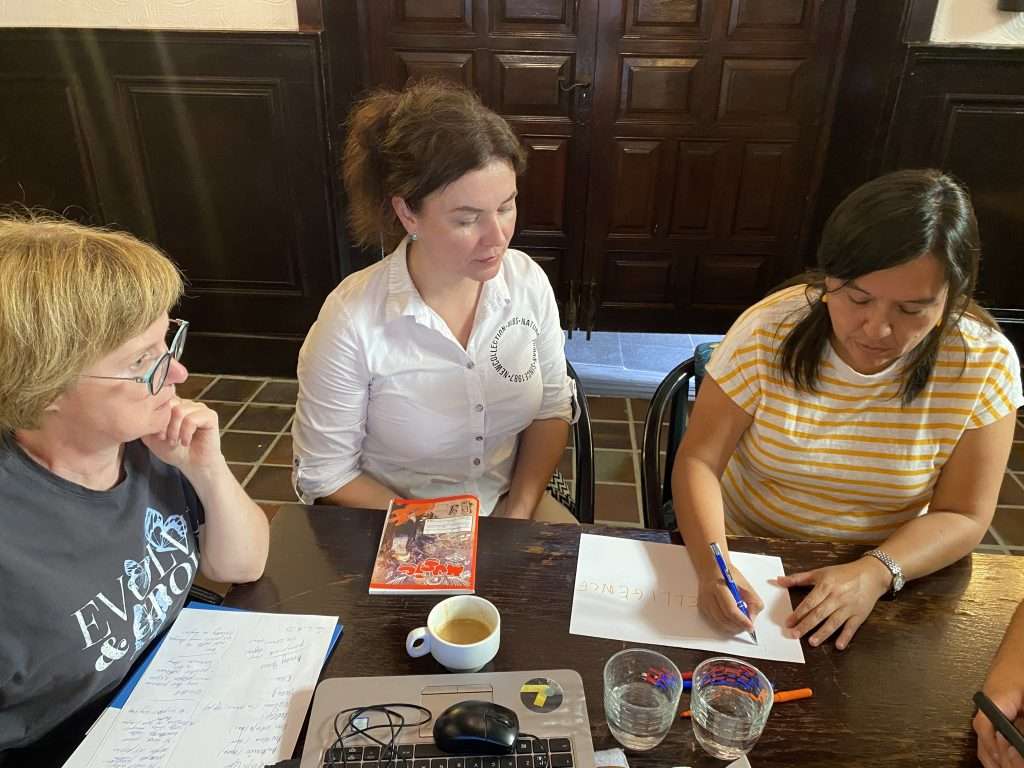
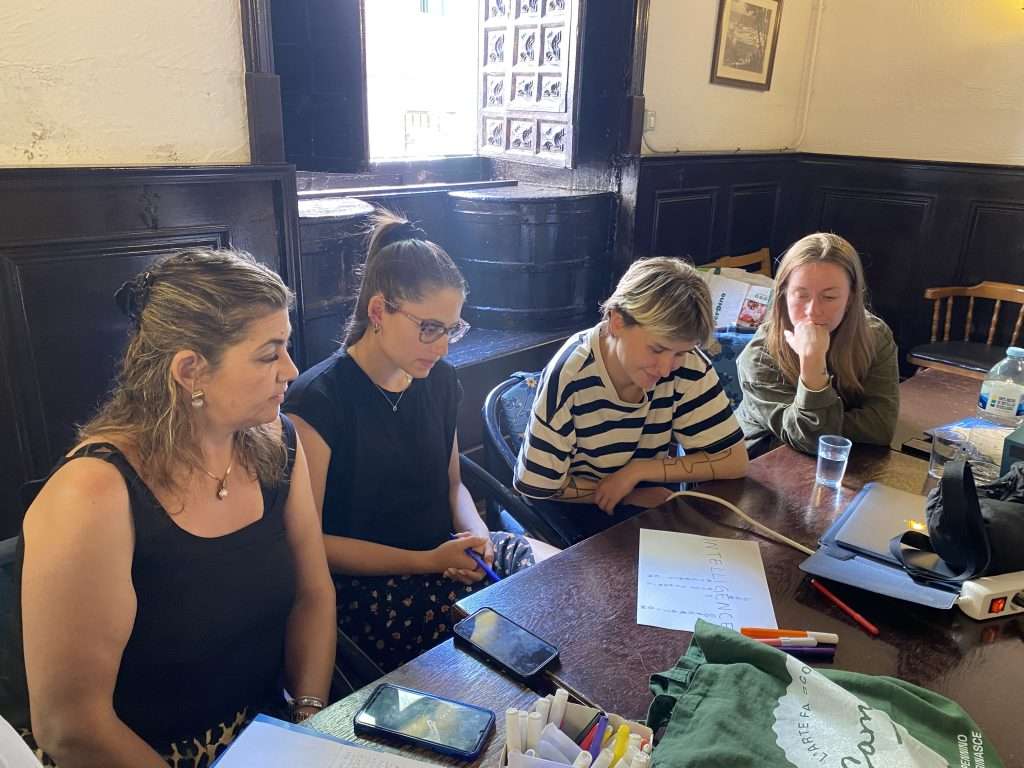
The programme began with an exploration of the concept of competences. Participants discussed the differences between knowledge, skills, and attitudes, and reflected on their importance in today’s educational contexts. The session also introduced key 21st-century skills for teachers and students, followed by practical activities focused on empathy, attention, and interaction.
On Tuesday, the focus turned to emotional intelligence. Using Daniel Goleman’s model as a reference, participants explored ways to help students better recognise, understand, and manage their emotions. Interactive exercises allowed teachers to transform theory into practical classroom strategies promoting emotional awareness.
Wednesday’s sessions were dedicated to mindfulness and team-building activities. Participants explored the importance of emotional well-being, self-awareness, and positive group dynamics within the learning environment. Through practical mindfulness exercises and collaborative tasks, they reflected on strategies to reduce stress, improve focus, and foster a supportive classroom atmosphere. Team-building activities also encouraged cooperation, trust, and effective communication, helping participants strengthen relationships and develop a stronger sense of collaboration within the group.
On Thursday, the day was focused on teamwork and leadership. Participants explored feedback techniques, peer assessment methods, and Goleman’s six leadership styles, reflecting on their impact in educational settings. Later, the attention shifted to public speaking, with practical exercises on clarity, delivery, body language, and constructive feedback during oral presentations.
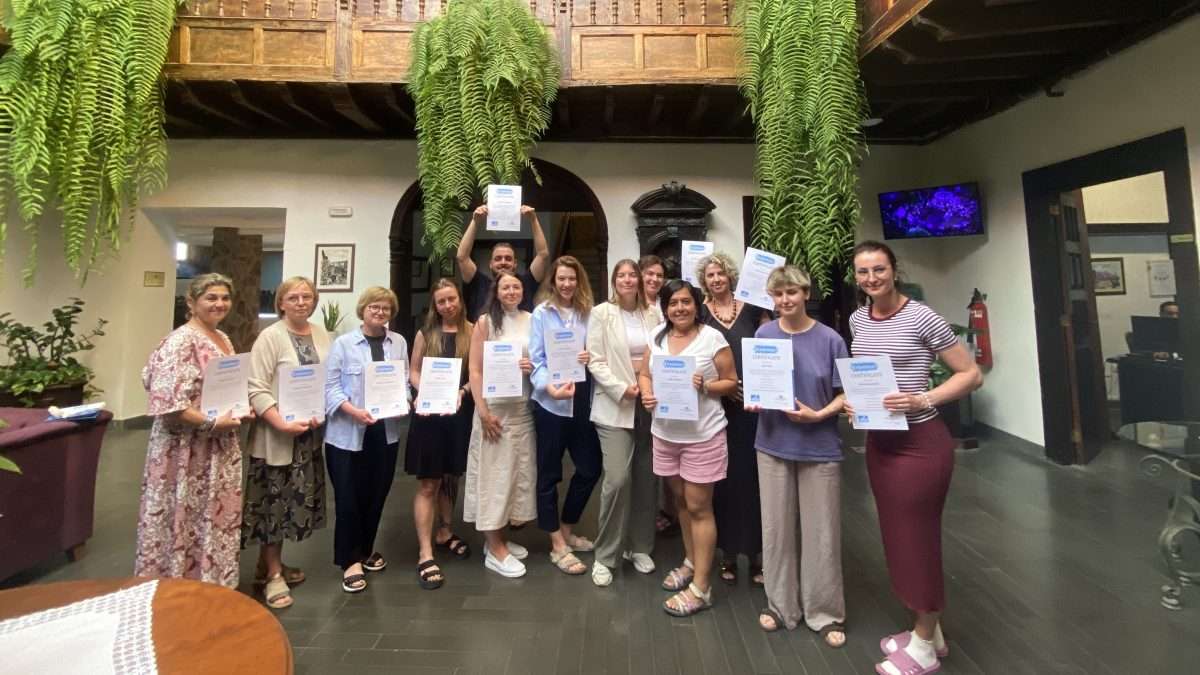
The final day focused on conflict management. Participants examined how misunderstandings and differing perspectives can create conflict and discussed constructive ways to handle challenging situations. Different conflict styles and assertive communication techniques were introduced, helping teachers practice respectful and confident communication. The course concluded with a collaborative activity encouraging participants to apply the skills developed throughout the week while strengthening teamwork and professional relationships.
Discover more about this course here.
Where this course took place: Erasmus courses for teachers in Tenerife
Planning your own Erasmus+ course? Download the 2026-2027 course catalogue
 English (UK)
 Español
 Italiano
 Deutsch
 Română
 Български
 Čeština
 Ελληνικά
 Polski
 Português
 Français