The landscape of education is shifting faster than ever. While traditional methods have served us for decades, today’s classrooms require a different kind of energy, one that prioritizes adaptability, critical thinking, and genuine human connection. To stay ahead of these changes, educators are looking beyond the textbook to find ways to make learning more immersive and responsive to the needs of the modern world. From March 15th to March 21st, 2026, a group of dedicated educators gathered in Athens for the course “Innovative teaching methods for teachers and school education staff”.
This week of professional growth brought together a diverse European cohort, including: Rubén and Júlia from Escuela Oficial De Idiomas Sagunto (Spain), Raphaela from Campus FLX (Belgium) and Sara, Manuela, and Michelangelo from CPIA “A. Manzi” (Italy). The program was designed to move from the internal skills of the educator to the external tools used in the classroom, ensuring a natural progression of ideas.
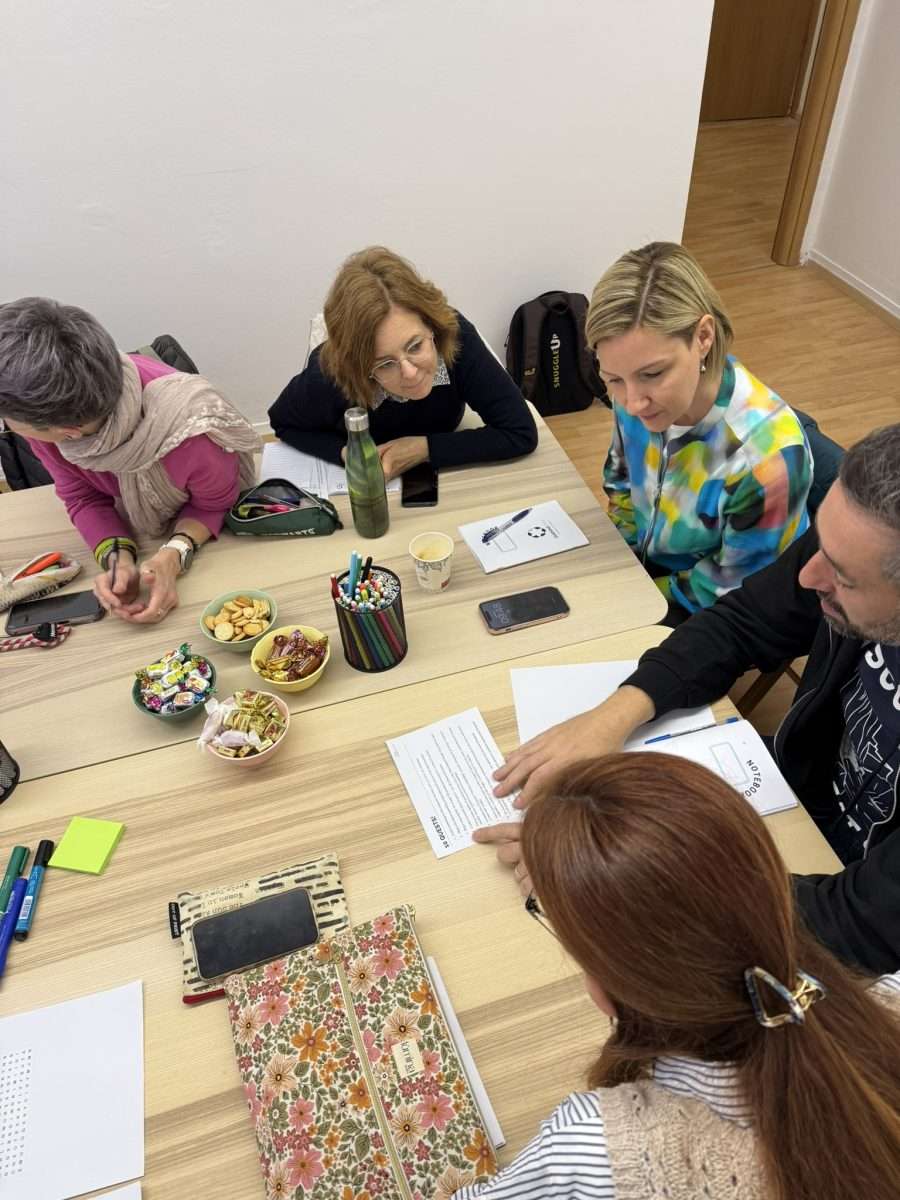
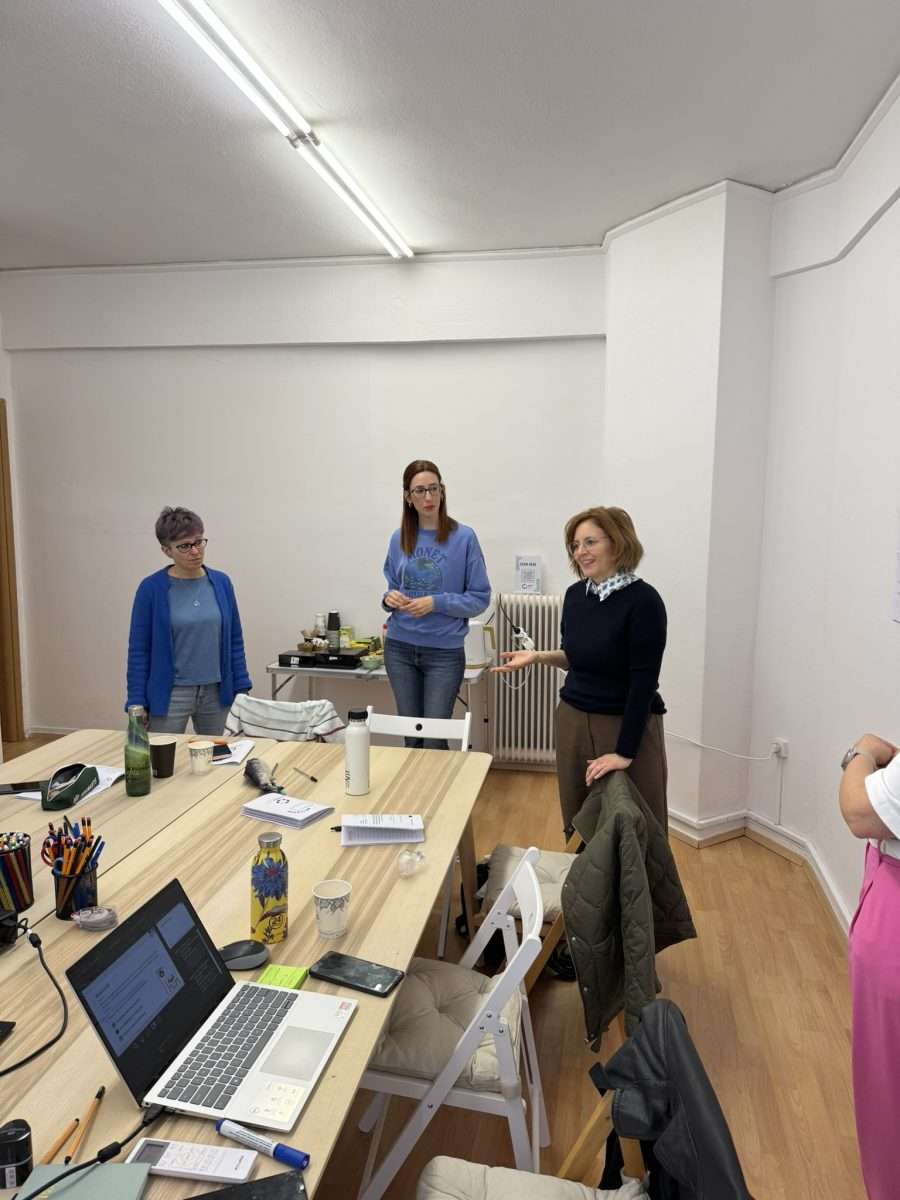
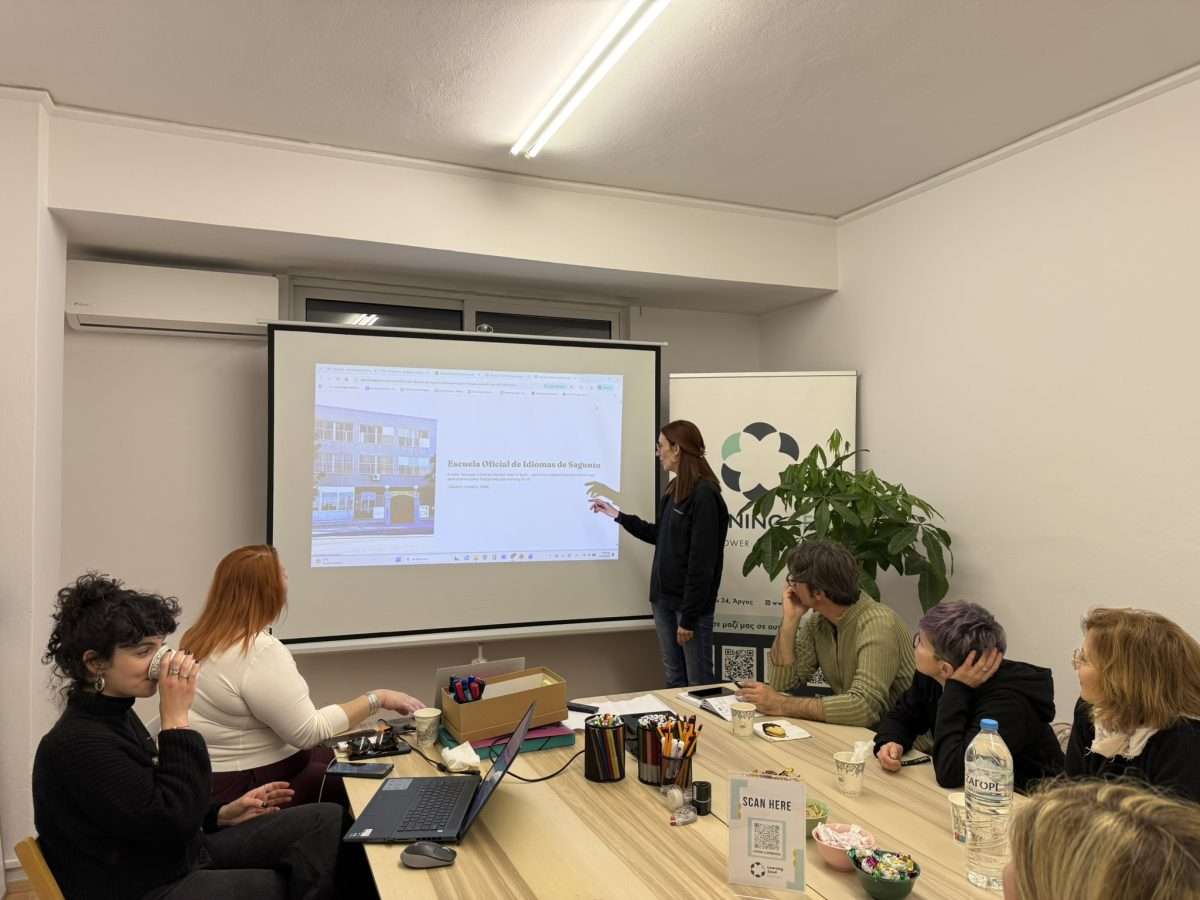
This week of professional growth brought together a diverse European cohort, including: Rubén and Júlia from Escuela Oficial De Idiomas Sagunto (Spain), Raphaela from Campus FLX (Belgium) and Sara, Manuela, and Michelangelo from CPIA “A. Manzi” (Italy). The program was designed to move from the internal skills of the educator to the external tools used in the classroom, ensuring a natural progression of ideas.
The journey began on Sunday with a warm introduction to the various organizations, schools, and participants involved in the program. This initial phase was designed to create a welcoming and inclusive atmosphere, setting the tone for the days ahead. Through structured ice-breaking and getting-to-know-you activities, participants were encouraged to share their backgrounds, expectations, and motivations.
Monday was dedicated to exploring the human dimension of education, with a strong focus on innovation, emotional intelligence, and soft skills. The sessions highlighted how modern educators are no longer just transmitters of knowledge but facilitators of learning experiences. Through interactive discussions and reflective exercises, participants examined the importance of empathy, communication, adaptability, and creativity in today’s classrooms.
On Tuesday, learning moved outside the traditional classroom setting, embracing the potential of outdoor education. A digital scavenger hunt was used as the central learning tool, encouraging exploration, teamwork, and problem-solving in a real-world environment. This approach demonstrated how digital technologies can be effectively combined with outdoor learning to create immersive, meaningful, and memorable educational experiences.
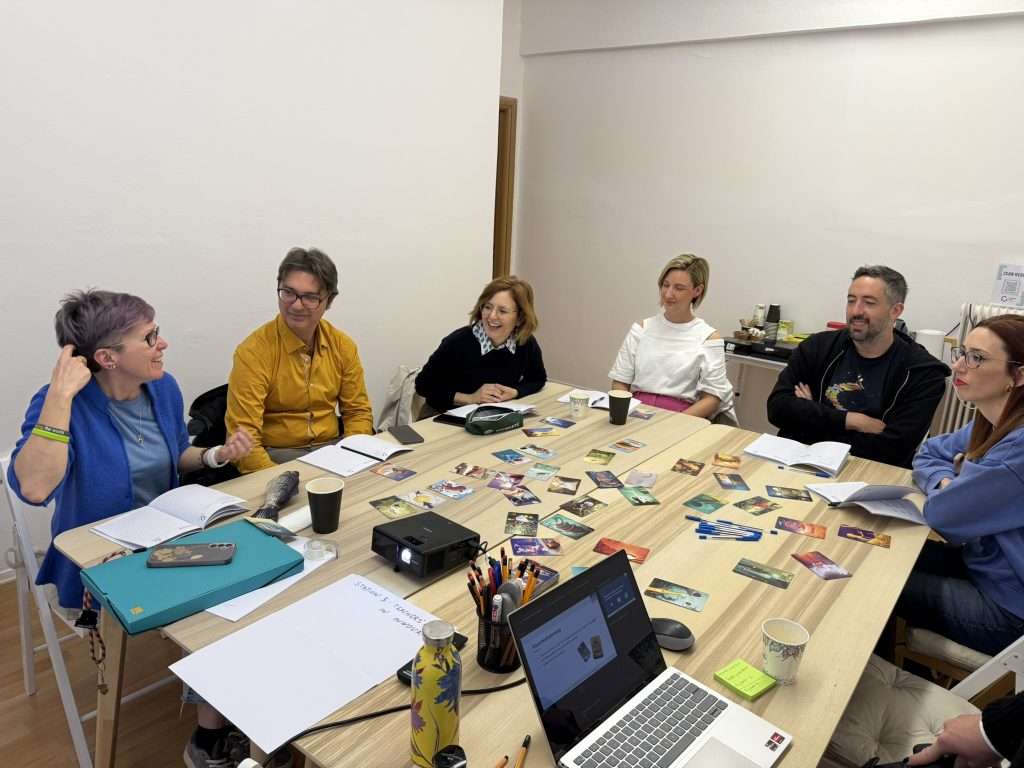
Wednesday focused on engagement strategies through play-based methodologies. The sessions explored gamification, game-based learning (GBL), and the use of digital escape rooms as innovative teaching tools. Participants analyzed how game mechanics (such as challenges, rewards, collaboration, and storytelling) can increase motivation and participation among students.
Thursday’s program shifted the focus toward evaluation methods, particularly within non-formal education contexts. Participants discussed how involving students in the assessment process fosters self-reflection, responsibility, and deeper understanding of learning objectives. Various tools and strategies were presented to support formative assessment practices that are more inclusive, participatory, and centered on student growth.
The week culminated on Friday with a deep dive into ICT tools, providing participants with practical digital solutions to bring their new teaching strategies to life.
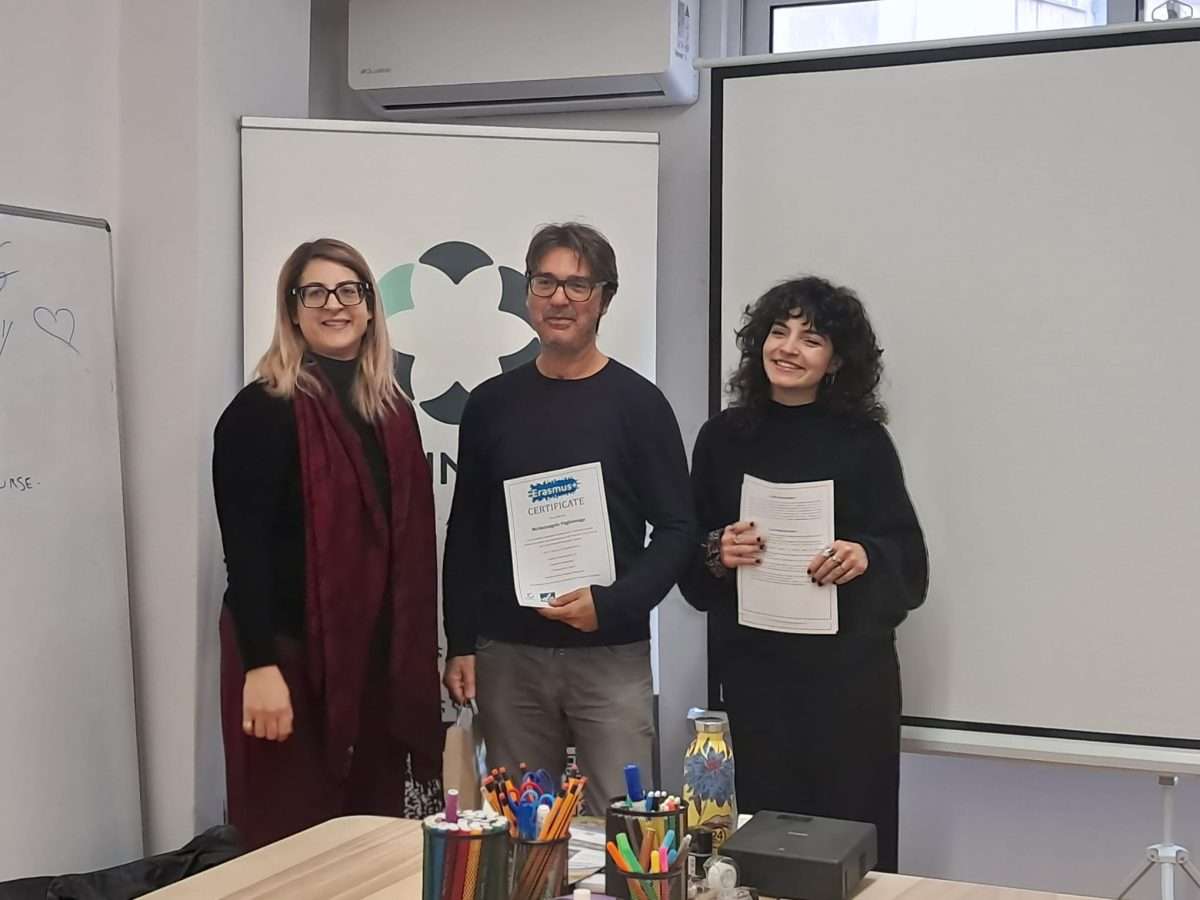
By the end of the week, the participants left Athens with more than just a certificate; they left with a robust understanding of how to implement these innovative methodologies in their own classrooms. The collaboration between the Spanish, Belgian, and Italian teams served as a reminder that while our school systems may differ, the goal remains the same: creating a vibrant and effective educational experience that prepares students for the challenges of the future.
Discover more about this course here.
Where this course took place: Erasmus courses for teachers in Athens
Planning your own Erasmus+ course? Download the 2026-2027 course catalogue
 English (UK)
 Español
 Italiano
 Deutsch
 Română
 Български
 Čeština
 Ελληνικά
 Polski
 Português
 Français