Learning a language becomes much more meaningful when it is connected to real conversations, everyday situations, and the people who share the journey. For educators, developing language skills is not only a personal achievement but also a way to broaden their perspective, strengthen international cooperation, and feel more confident in multicultural learning environments. This was the spirit behind the Intensive Italian Language Course for Education Staff, held in Bologna from 12 to 18 July 2026.
The course brought together education professionals from across Europe for an intensive week of language learning, cultural discovery, and professional exchange. Throughout the programme, participants improved their Italian through practical, interactive activities while sharing experiences from their own educational contexts. This edition welcomed Gioia Carta from Oberschule Böhlen (Germany), Otto Rolf from Volkshochschule Aschaffenburg (Germany), Tetiana Lymonova from Carl Bosch Gymnasium (Germany), Irén Orbán and Katalin Vincze from Nyíregyházi Evangélikus Kossuth Lajos Gimnázium (Hungary), Nora Troitsky from the University of Debrecen (Hungary), Päivi Franzon from Kuusankosken lukio (Finland), and Tereza Vintrová from KCV Plzeň – Regional Educational Center (Czech Republic).
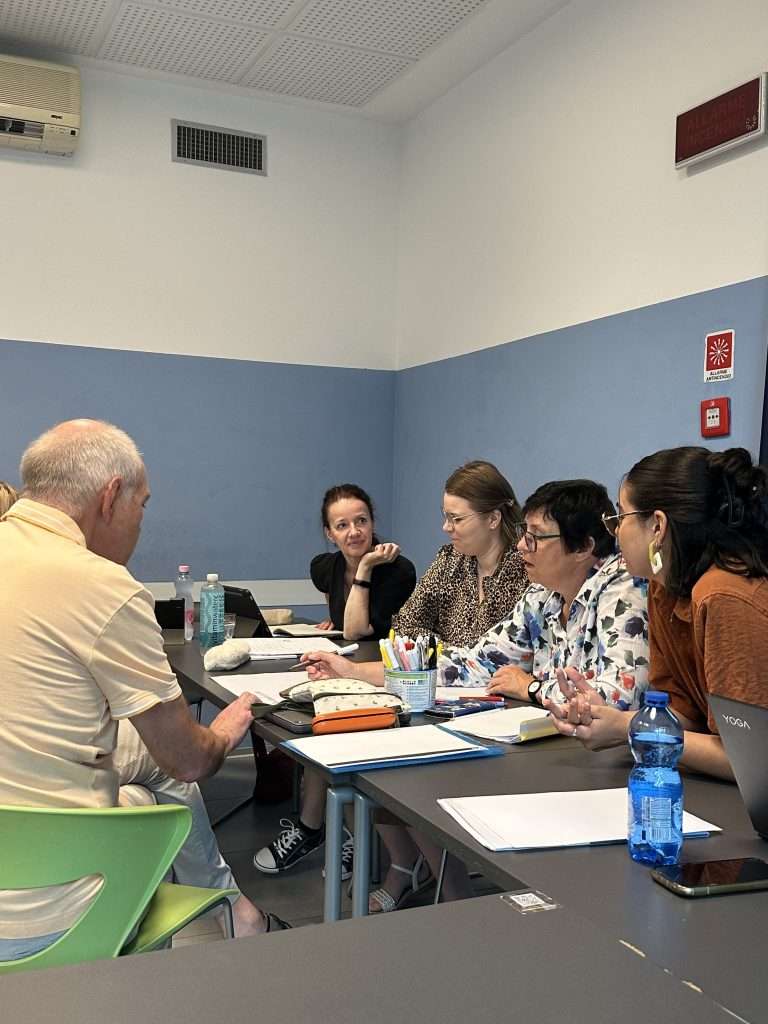
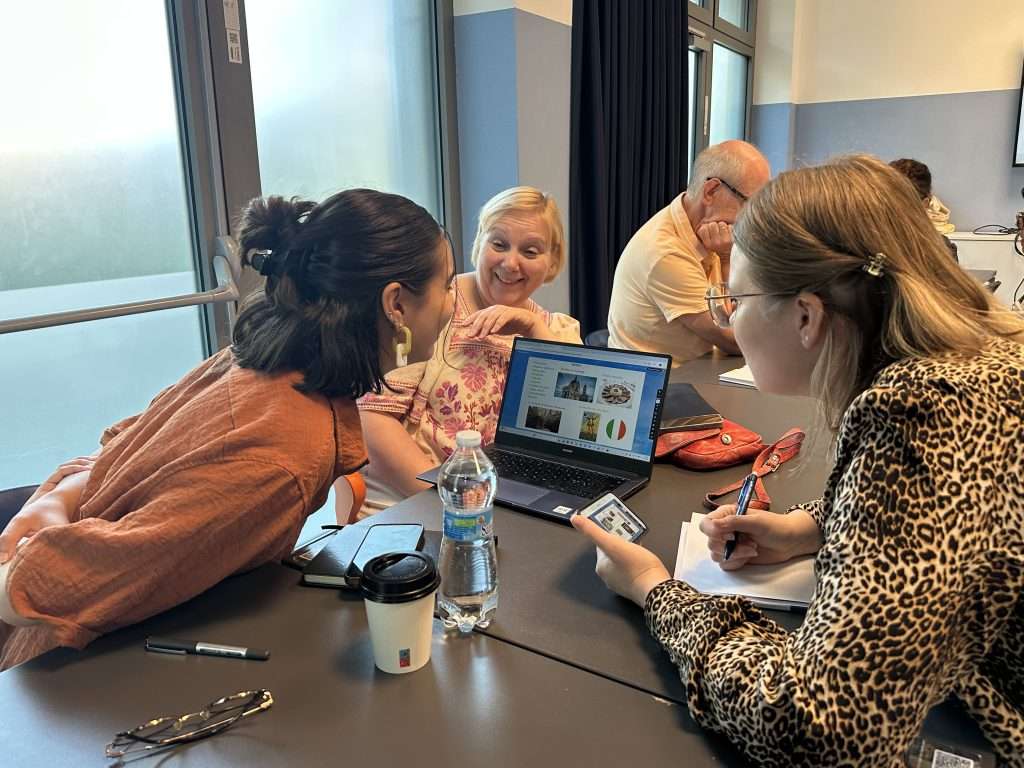
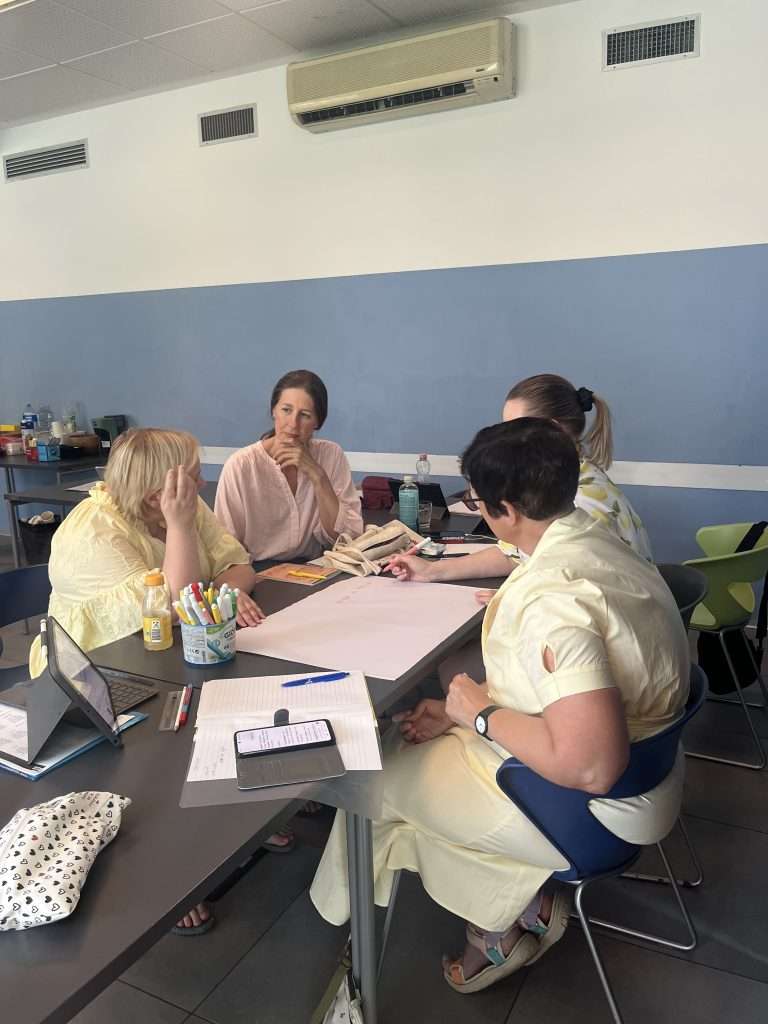
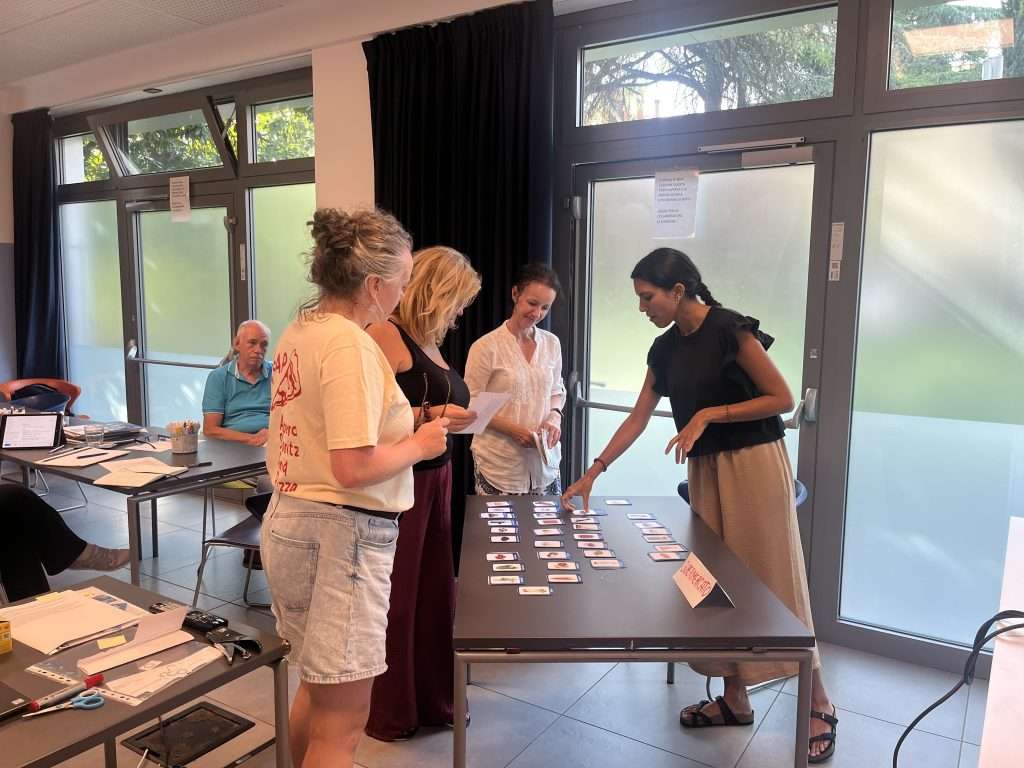
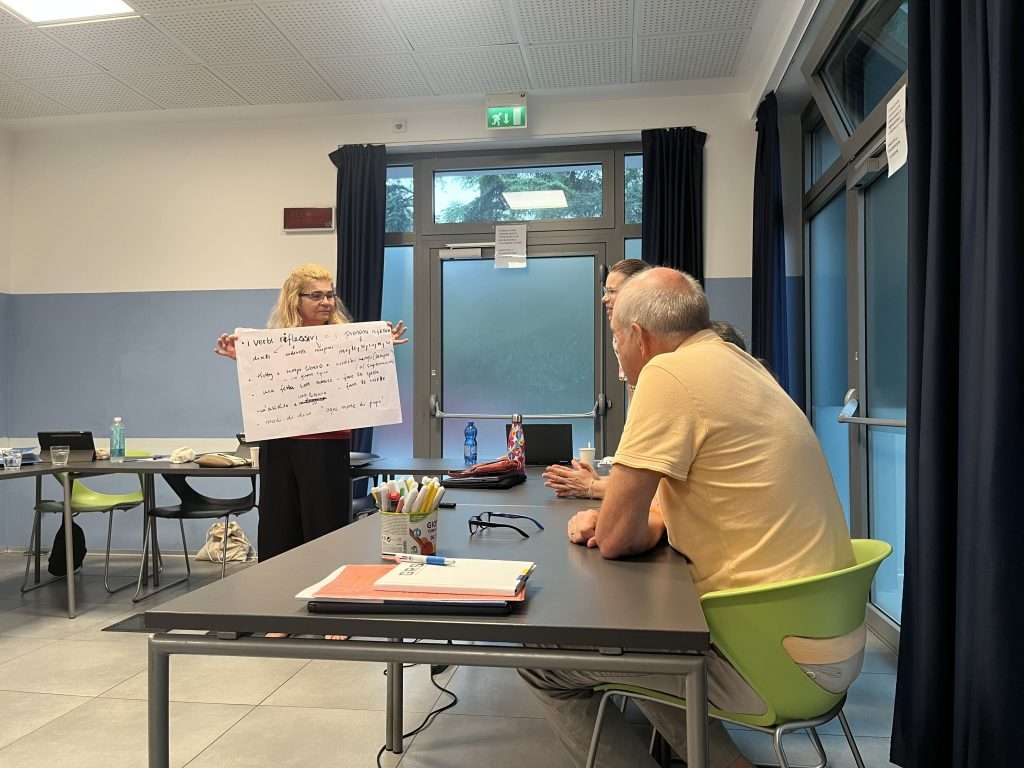
The week was designed as a gradual learning journey, allowing participants to build confidence step by step. The first sessions focused on strengthening the foundations of Italian through grammar review, vocabulary expansion, and practical communication. Rather than relying on theory alone, participants worked through realistic situations that encouraged them to speak, listen, and interact from the very beginning.
As the course progressed, the emphasis shifted towards fluency and authentic communication. Through collaborative tasks, role-playing activities, and group discussions, participants explored everyday language, common expressions, and aspects of contemporary Italian communication. These activities created a relaxed environment where mistakes became opportunities to learn, helping everyone gain greater confidence in using the language naturally.
Language learning was closely connected with cultural exploration throughout the week. Bologna offered the ideal setting for experiencing Italian beyond the classroom, allowing participants to discover the city’s history, traditions, architecture, and culinary heritage while practising the language in real-life contexts. These experiences gave additional meaning to the lessons and helped participants understand how language and culture naturally complement one another.
Another valuable aspect of the course was the opportunity to exchange ideas with colleagues from different educational systems. Informal conversations, collaborative activities, and shared reflections encouraged participants to compare teaching practices, discuss common challenges, and establish professional connections that extended beyond the duration of the course.
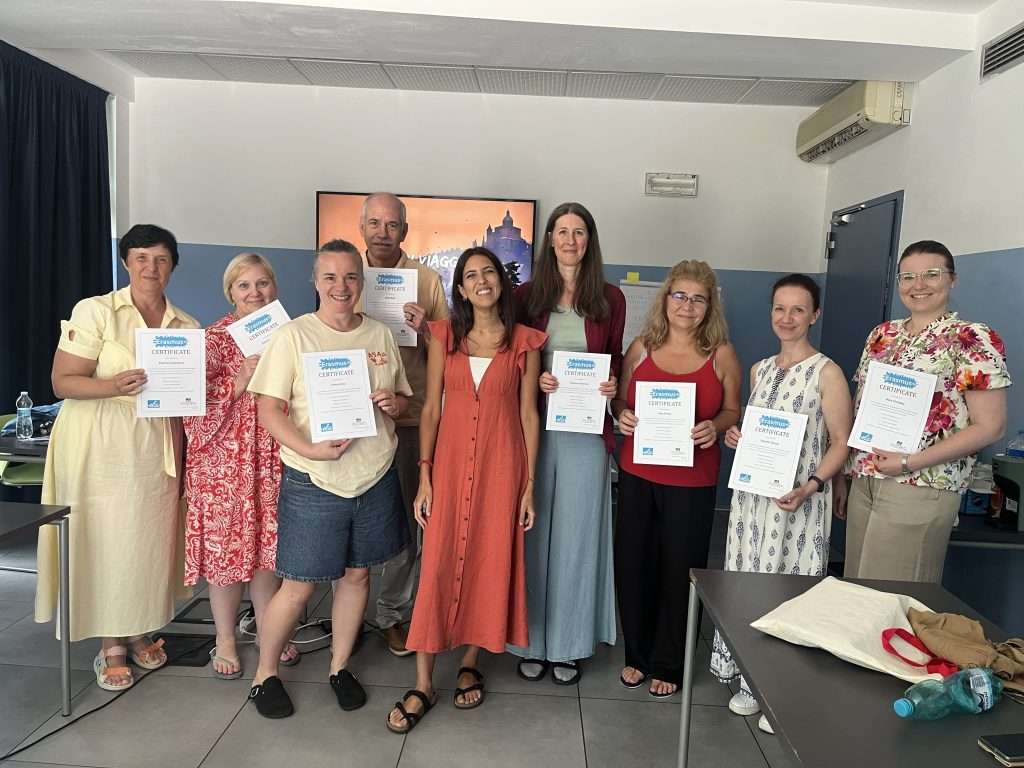
By the end of the week, participants had developed stronger Italian language skills, increased confidence in communicating, and gained a richer understanding of Italian culture through direct experience. Equally important, they returned home with new professional relationships and fresh inspiration to bring into their own educational settings. The course demonstrated that language learning is most effective when it combines practical communication, cultural immersion, and collaboration, creating an experience that continues to have an impact long after the final lesson.
Discover more about the course here.
Where this course took place: Erasmus courses for teachers in Bologna
Planning your own Erasmus+ course? Download the 2026-2027 course catalogue
 English (UK)
 Español
 Italiano
 Deutsch
 Română
 Български
 Čeština
 Ελληνικά
 Polski
 Português
 Français