Teaching is a profession that demands constant attention, emotional resilience, and the ability to respond to the needs of others every day. Taking care of students starts with taking care of ourselves, and developing simple, sustainable well-being practices can make a real difference in the classroom. With this idea at its core, the course Mindfulness and Meditation for Teachers and Education Staff: Cultivating Students’ and Teachers’ Well-Being offered educators the opportunity to slow down, reflect, and explore practical strategies for supporting both their own well-being and of their students.
Held in Bologna, Italy, from 19 to 25 July 2026, the course brought together teachers from different educational settings across Europe. Participants included Irene Panteli from Agios Athanasios Gymnasioum (Cyprus), Isabel Mendes from Escola Secundária Augusto Gomes (Portugal), Miguel Ángel Sevilla Mayol from IES Santa Margalida (Spain), Giang Nguyen from Grundschule am Fließtal, Berlin School (Germany), Beata Wiśniewska and Aneta Teper-Ćwirko from Zespół Szkół Ekonomicznych im. Gen. Stefana Roweckiego “GROTA” w Opolu (Poland).
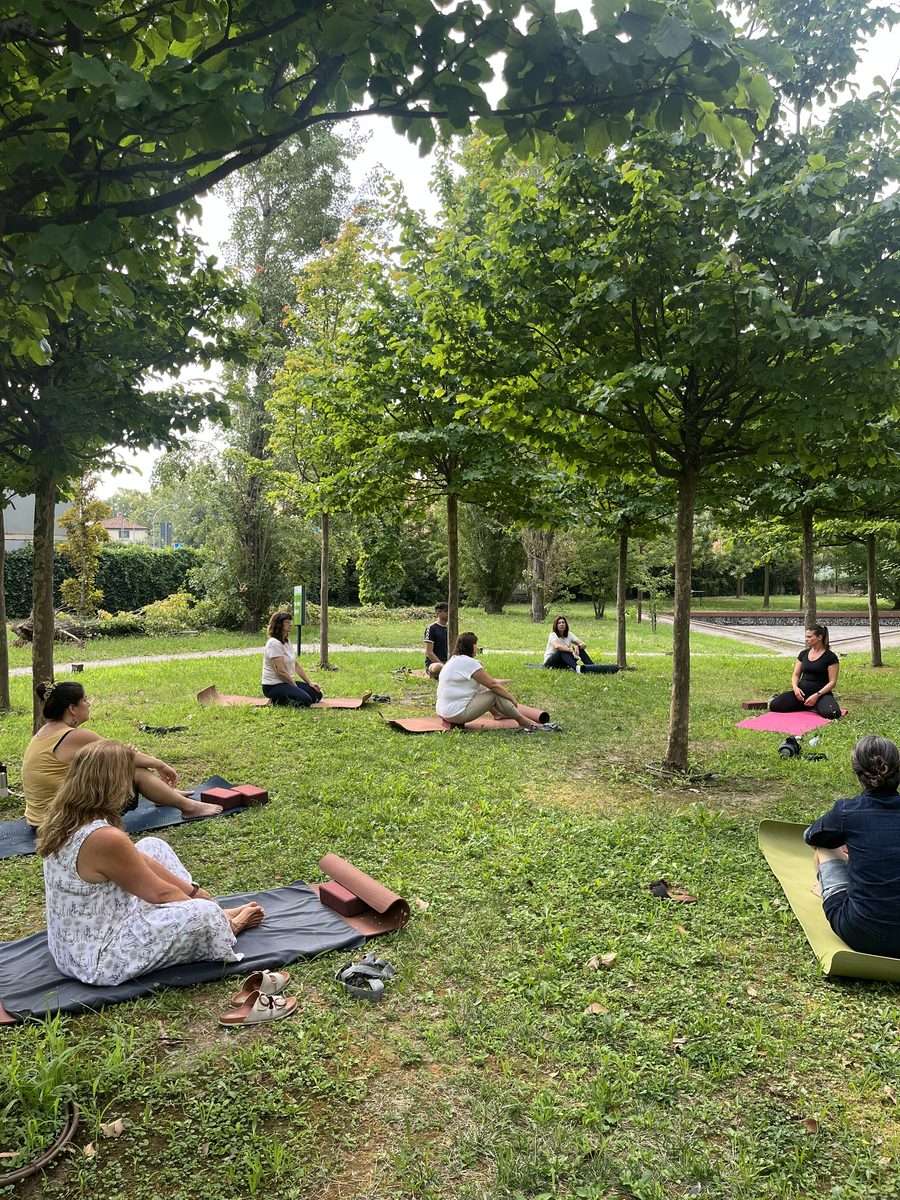
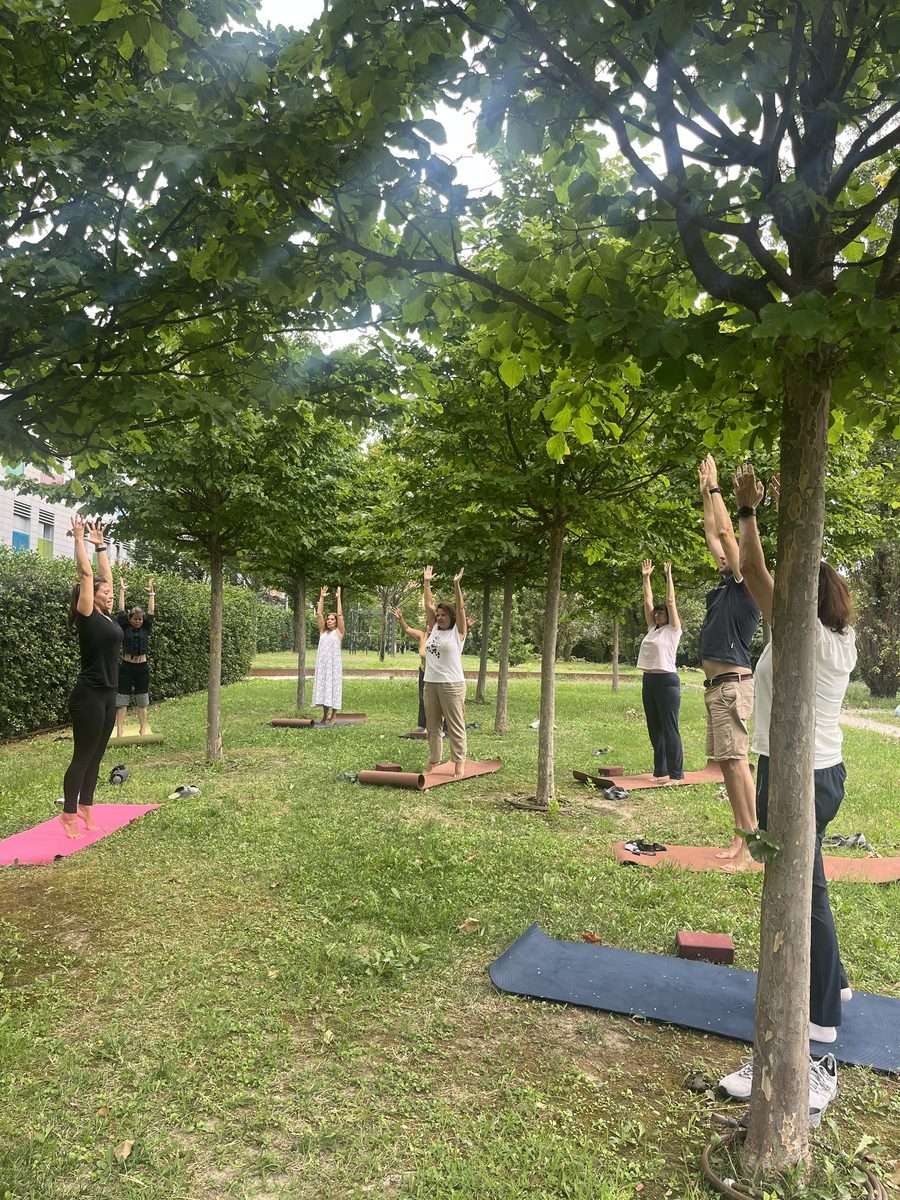
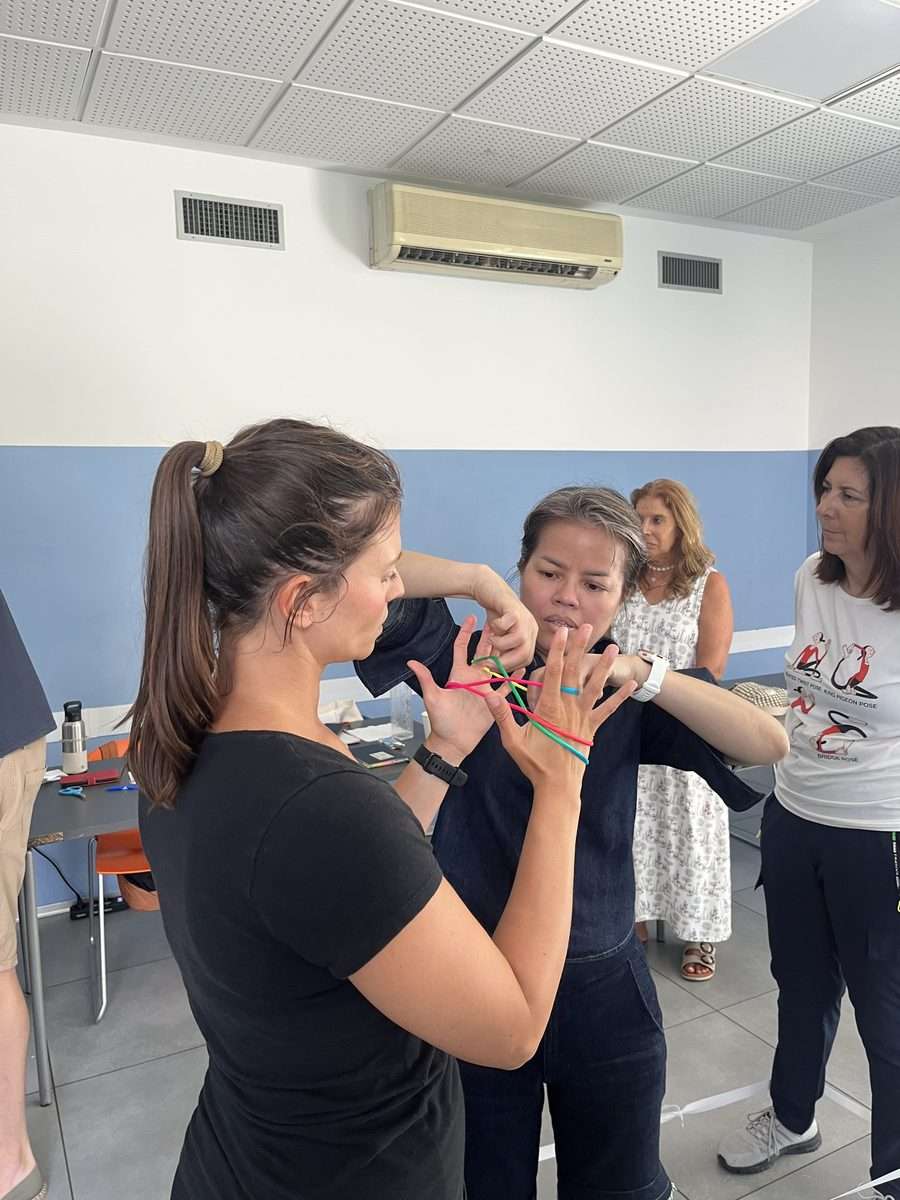
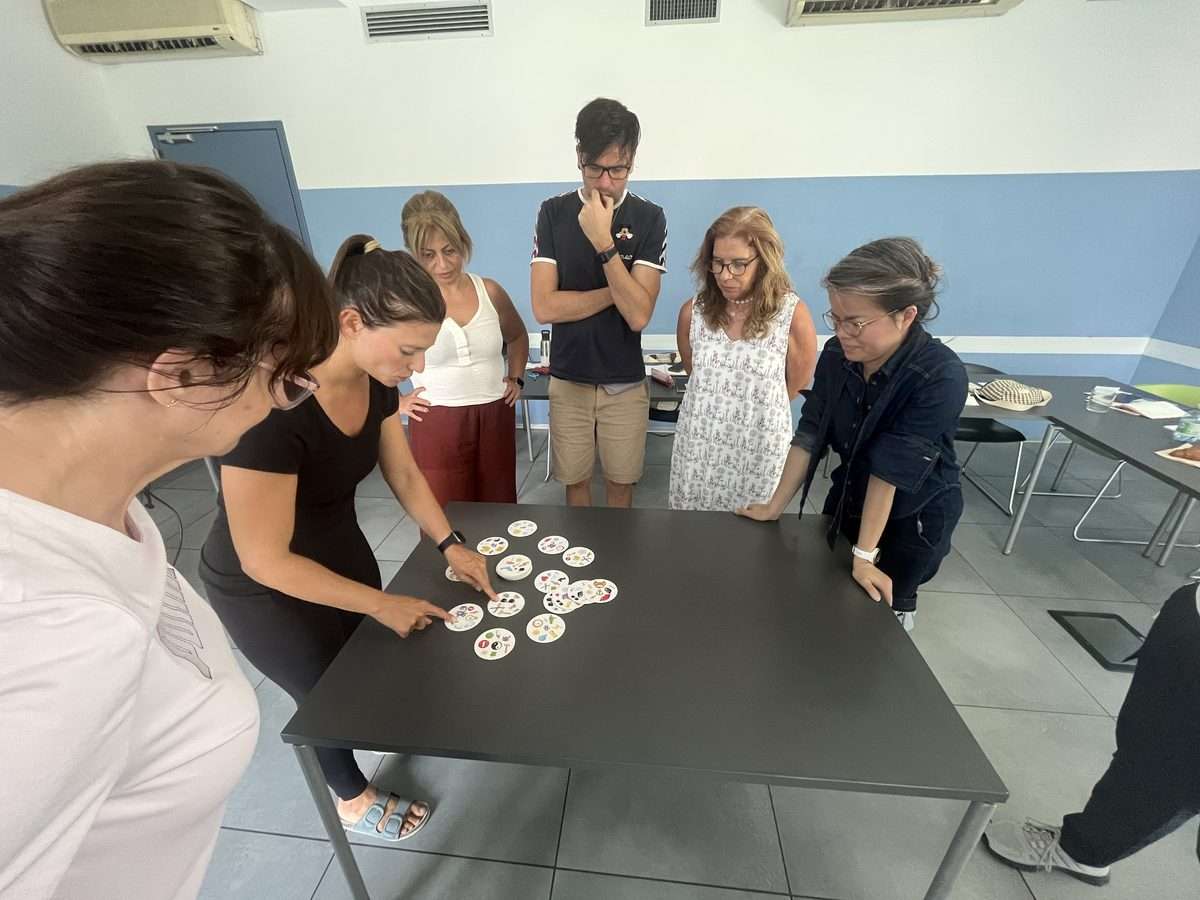
The programme was designed as a gradual journey, beginning with the foundations of mindfulness and its role in education. Participants explored the connection between stress, attention, and emotional regulation, while taking part in guided breathing exercises and short meditation practices. These activities encouraged greater awareness of everyday habits and demonstrated how even brief moments of mindfulness can improve focus and reduce tension.
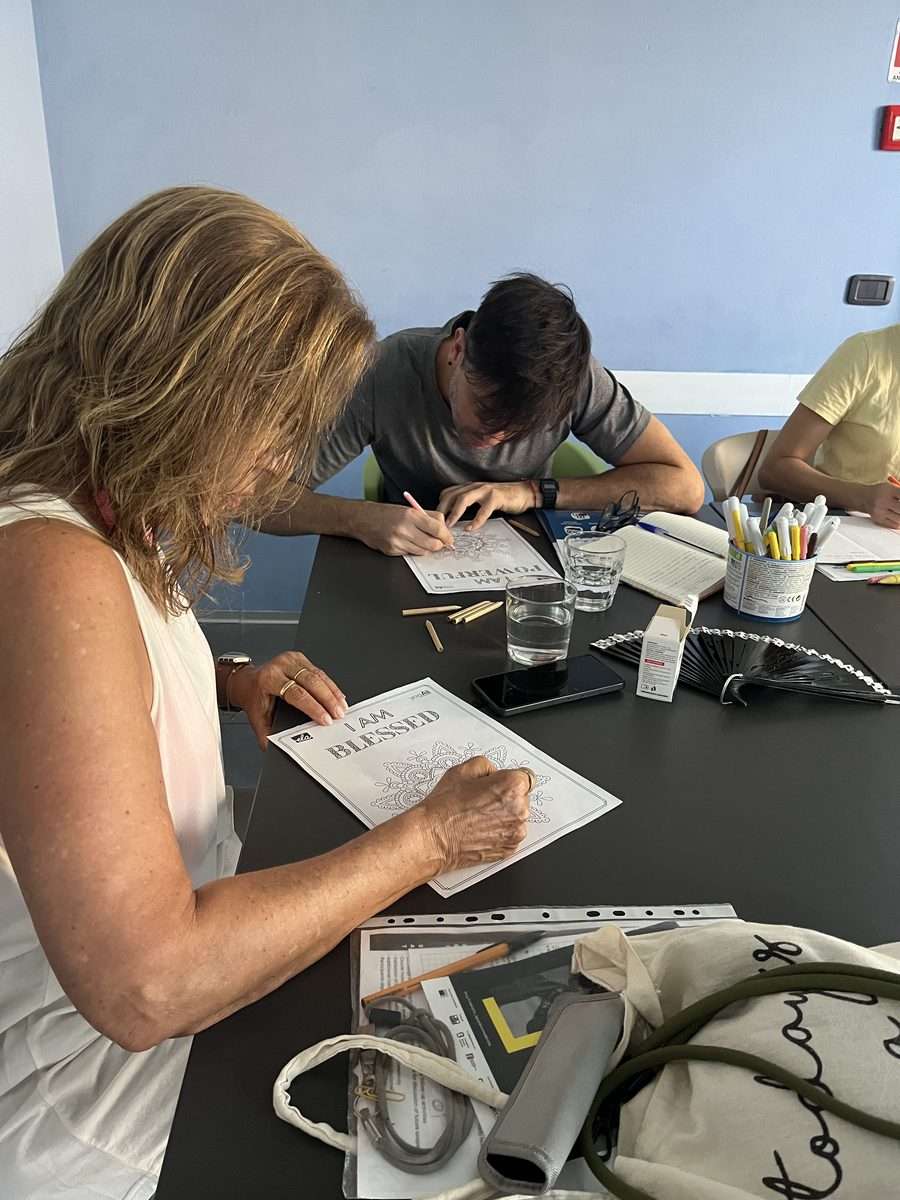
As the week progressed, the course moved towards developing personal well-being routines. Teachers experienced body awareness activities, mindful movement, reflective exercises, and different forms of guided meditation. They also practiced techniques that help manage difficult emotions and build resilience, discovering practical approaches that can be used both during the school day and in everyday life.
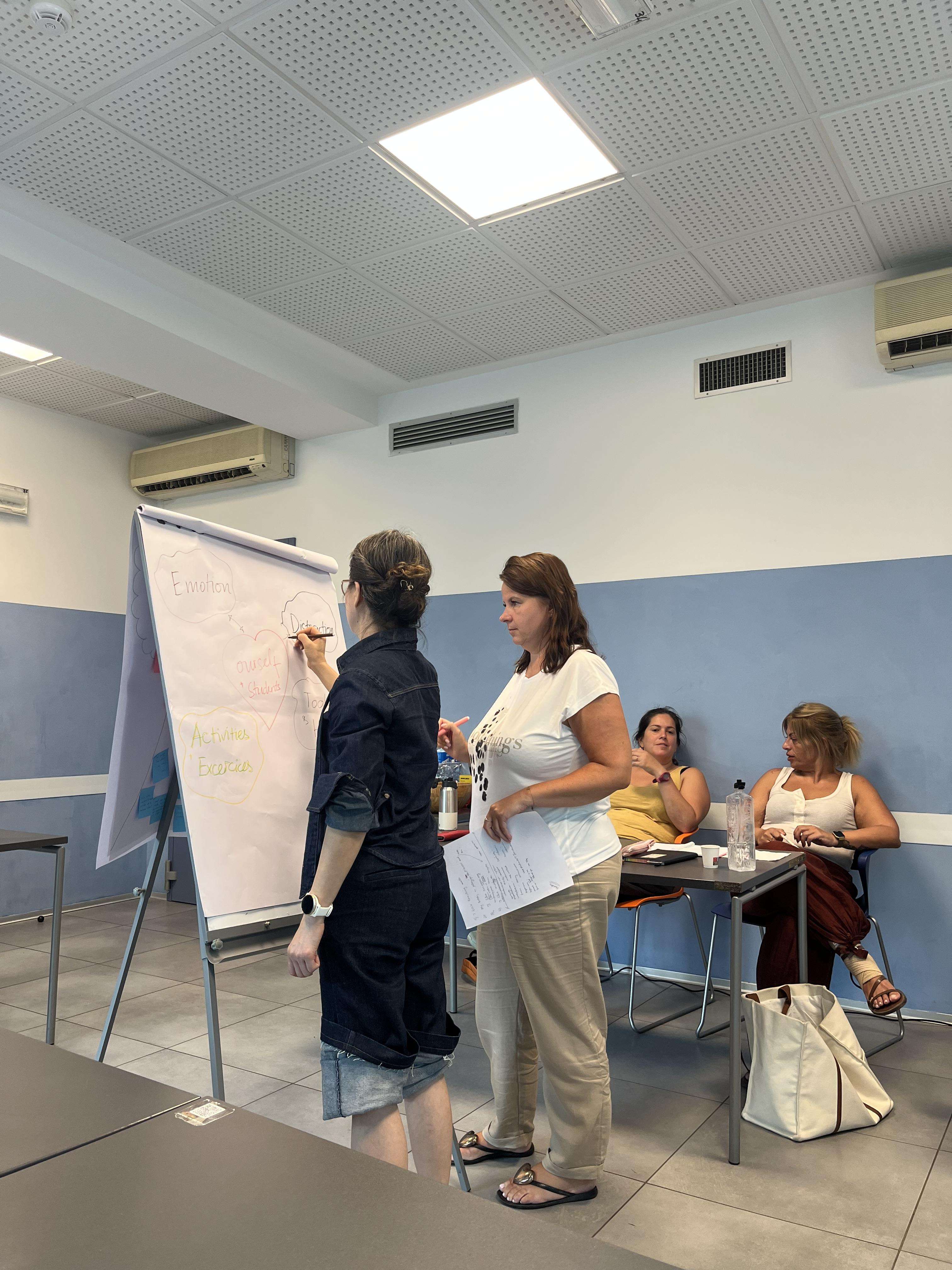
Another important part of the course focused on bringing mindfulness into the classroom. Through collaborative discussions, practical exercises, and group activities, participants explored ways to introduce age-appropriate mindfulness practices into their teaching. They experimented with short attention exercises, mindful communication, and reflective activities that encourage students to develop self-awareness, emotional balance, and respectful relationships with others. Rather than relying on complex programmes, the course highlighted simple techniques that can be naturally integrated into daily classroom routines.
The final stage of the week encouraged participants to connect their learning with their own professional contexts. By reflecting on their experiences and exchanging ideas with colleagues from different countries, they identified realistic ways to adapt mindfulness practices to the needs of their schools. These conversations reinforced the value of collaboration and demonstrated that, despite different educational systems, teachers often face similar challenges and can learn from one another.
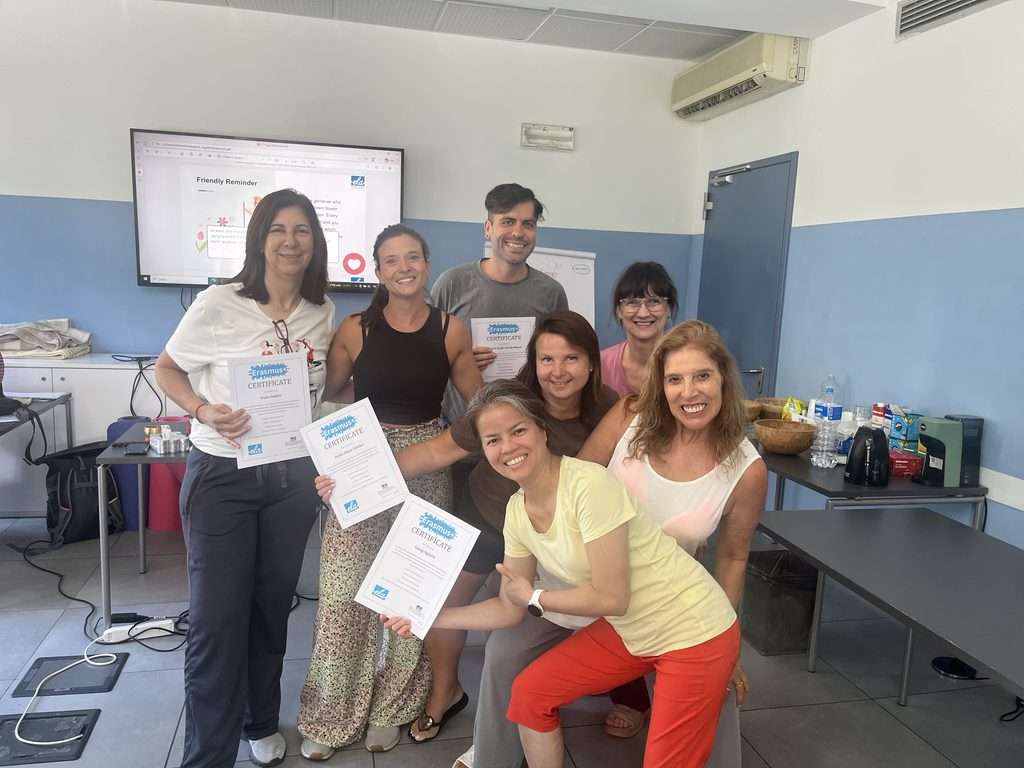
By the end of the course, participants returned home with more than a collection of practical activities. They left with greater confidence in supporting their own well-being, a stronger awareness of the importance of mindful teaching, and a range of strategies to help create calmer, more supportive learning environments. The week also strengthened international connections, reminding everyone involved that caring for teachers’ well-being is an essential step towards helping students thrive.
Discover more about this course here.
Where this course took place: Erasmus courses for teachers in Bologna
Planning your own Erasmus+ course? Download the 2026-2027 course catalogue
 English (UK)
 Español
 Italiano
 Deutsch
 Română
 Български
 Čeština
 Ελληνικά
 Polski
 Português
 Français