Teaching involves much more than transferring knowledge. Teachers constantly communicate, manage emotions, work in teams and respond to unexpected situations. Developing these skills can make everyday interactions more effective and create a more positive learning environment. These were the main ideas explored during the “Soft Skills and Emotional Intelligence for Teachers and Education Staff” course, held in Porto from 19 to 25 July 2026.
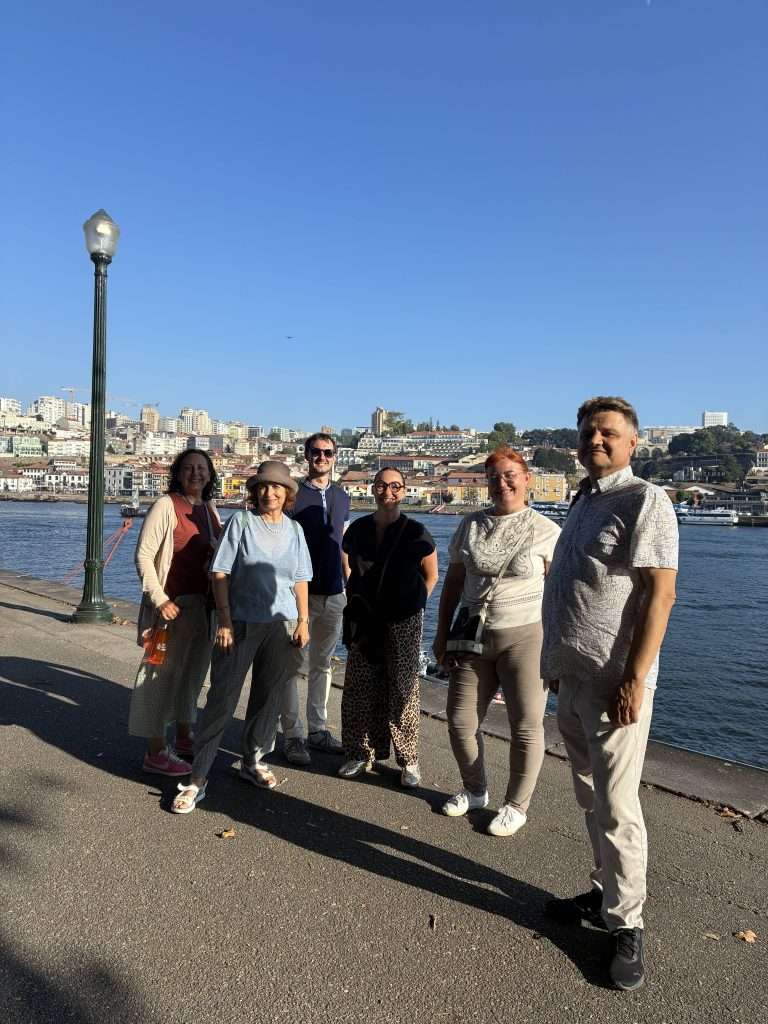
The course brought together an international group of education professionals: Tomasz from University College of Enterprise and Administration, Poland; Maria Rosalba and Emmanuelle from Actoria Formation, France; Angela from VHS Aschaffenburg, Germany; Gabriele from Istituto Comprensivo “Fratelli Casetti”, Italy; and Angela from EOI Madrid-Carabanchel, Spain. Their different professional and cultural backgrounds contributed to an open exchange of experiences throughout the week.
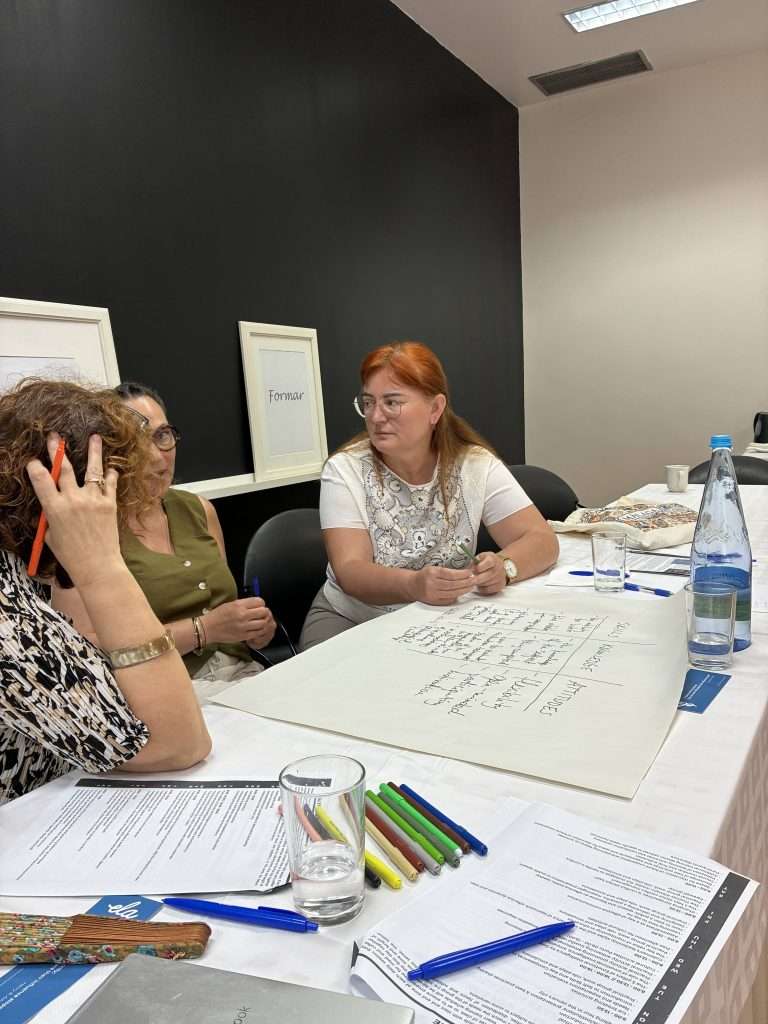
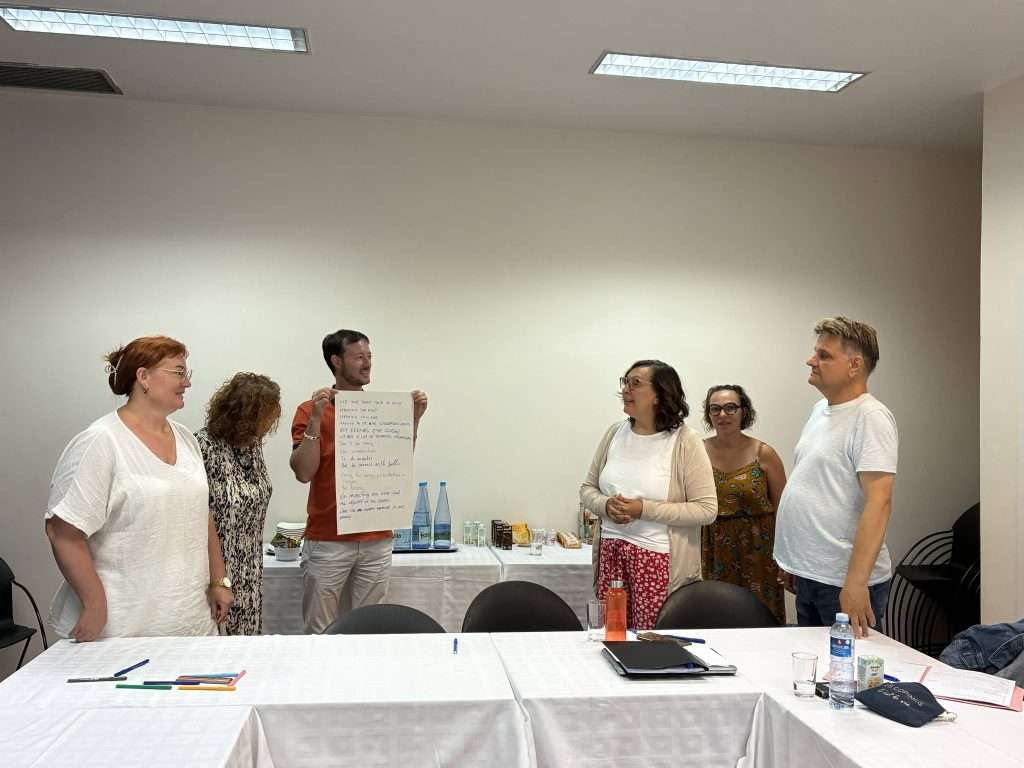
The course began with an introduction to soft skills, looking at the competences that support effective communication and collaboration in educational settings. The focus then moved to emotional intelligence, encouraging participants to consider how emotions influence the way we react, communicate and interact with others. Creative activities helped make these concepts practical and connected to everyday professional situations.
The second part of the week focused on self-motivation and teamwork. Participants explored what helps them stay motivated and engaged, while also reflecting on how individual attitudes can influence a team. Through interactive and creative activities, they had to cooperate, exchange ideas and approach tasks from different perspectives. The international composition of the group made these activities an opportunity to discover different ways of working and communicating.
The programme then moved towards leadership and public speaking. Participants considered what effective leadership can look like in an educational context and explored the importance of clear and confident communication. Practical speaking activities encouraged them to step outside their comfort zone and practise presenting ideas in front of others. A playful presentation challenge added an informal element while putting communication and spontaneity into practice.
The final sessions brought the different topics together through communication and conflict management. Participants reflected on how misunderstandings can develop and how emotional awareness, communication and teamwork can contribute to handling difficult situations more constructively. These activities connected directly with situations that education professionals may encounter with students, colleagues and other members of the school community.
By the end of the week, participants had explored a broad range of practical skills. The course also provided valuable time for international exchange, allowing participants to share experiences and learn from colleagues working in different educational contexts.
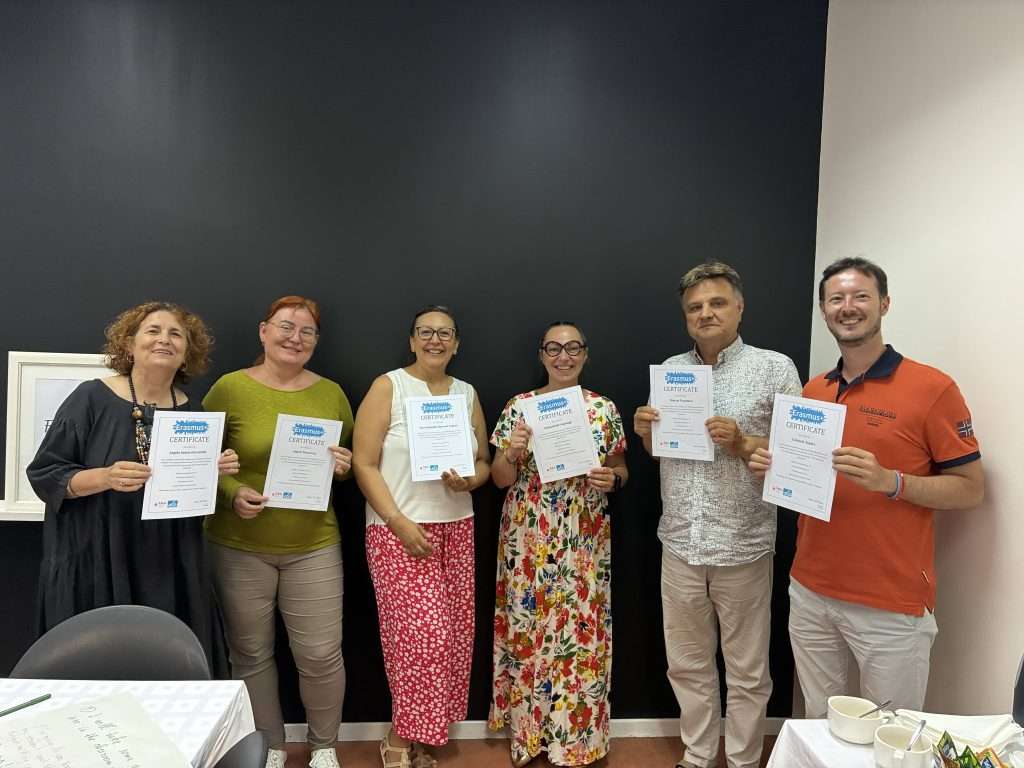
Rather than treating soft skills as separate competencies, the course showed how they are closely connected and can support teachers and education staff in their everyday professional lives. The combination of practical activities, reflection and collaboration gave participants ideas they can take back to their own schools and organisations.
Discover more about this course here.
Where this course took place: Erasmus courses for teachers in Porto
Planning your own Erasmus+ course? Download the 2026-2027 course catalogue
 English (UK)
 Español
 Italiano
 Deutsch
 Română
 Български
 Čeština
 Ελληνικά
 Polski
 Português
 Français