We all know it: it is not always easy to find new ways in which we can teach AND at the same have fun: using innovative methods can really make the difference when it comes to our youngest students. It is fundamental to learn how to motivate them and to enhance their learning through play. Luckily, today there are many tools available that can be implemented in the preschool environment: project-based learning, non-formal education, outdoor education and creative games are just some of the many that we have at our disposal!
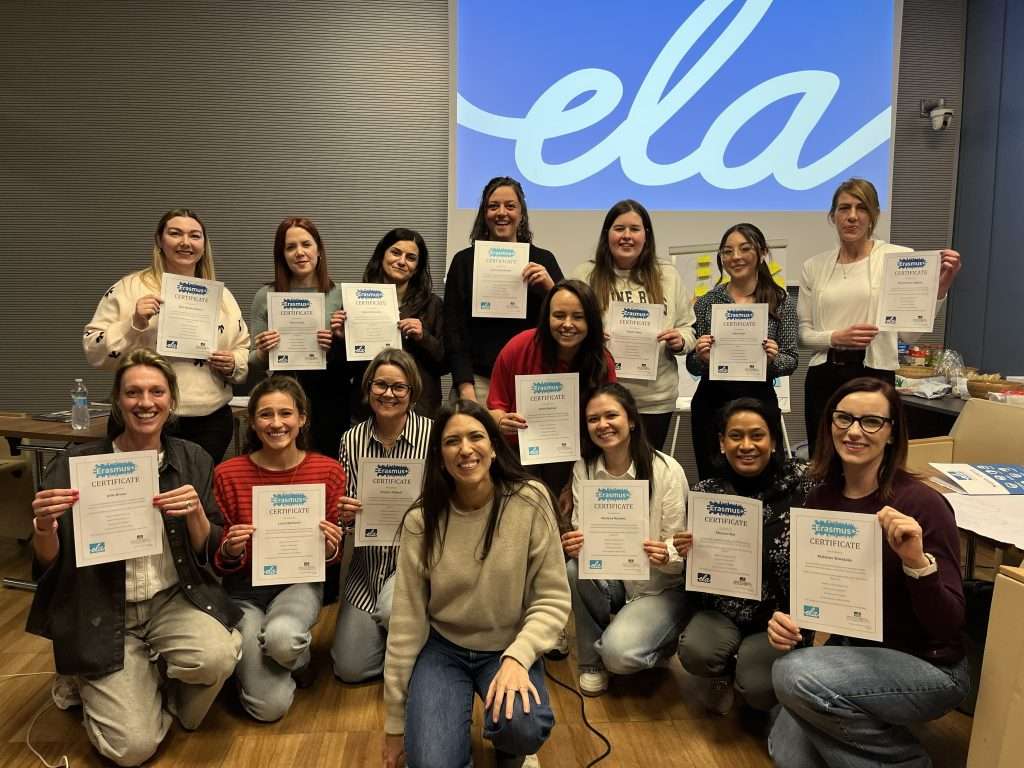
A new edition of the course “Innovative teaching methods for preschool teachers” took place in Bologna from 01/03/2026 to 07/03/2026. The participants came from all over Europe, with Sandra, Amra and Therese from BUN, Habo kommun in Sweden; Kym, Alison and Katya from Theresa Nuzzo Primary School in Malta; Niamh and Elaine from Nurtures Best in Ireland; Olivia, Veerle, Laura and Jelle from Karel De Goede in Belgium; and Martyna and Malwina from Przedszkole Niepbliczne Misiolandia in Poland.
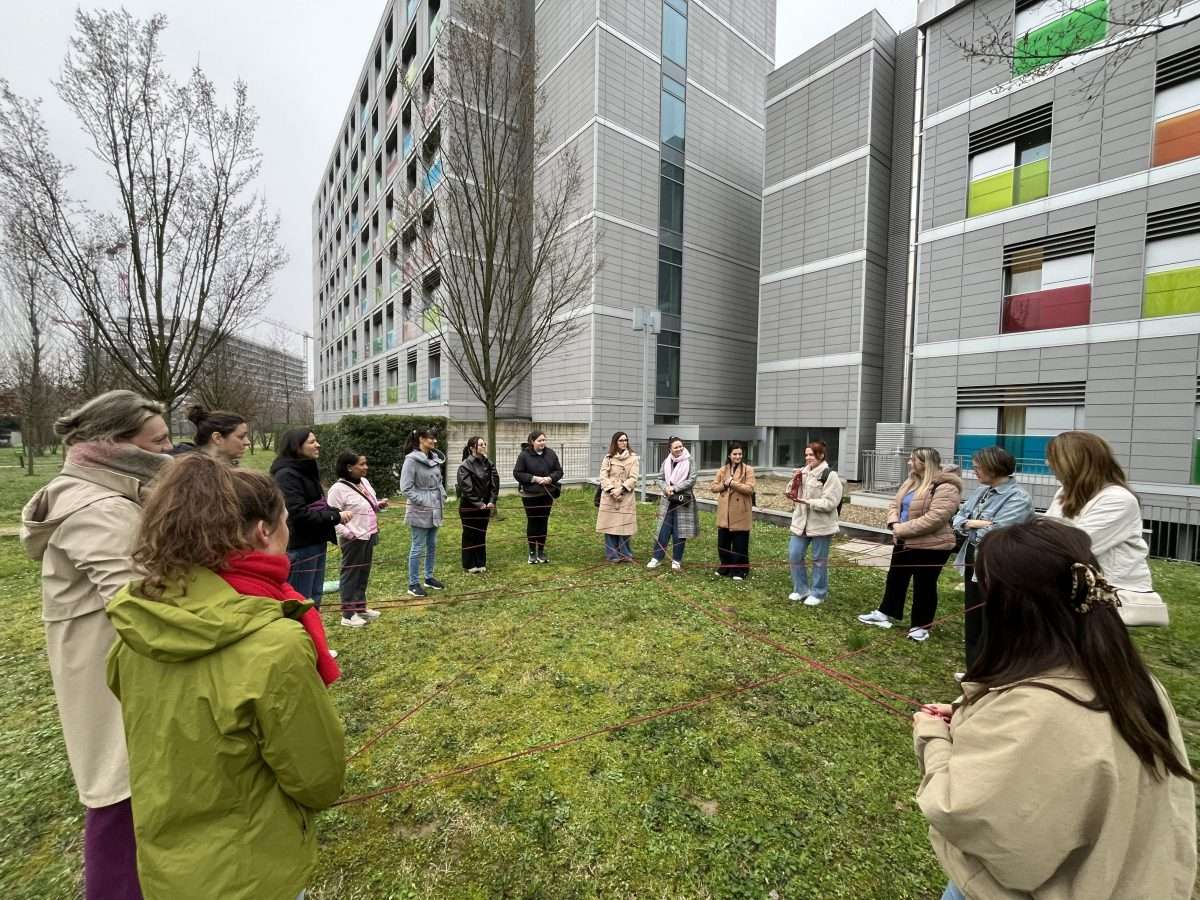


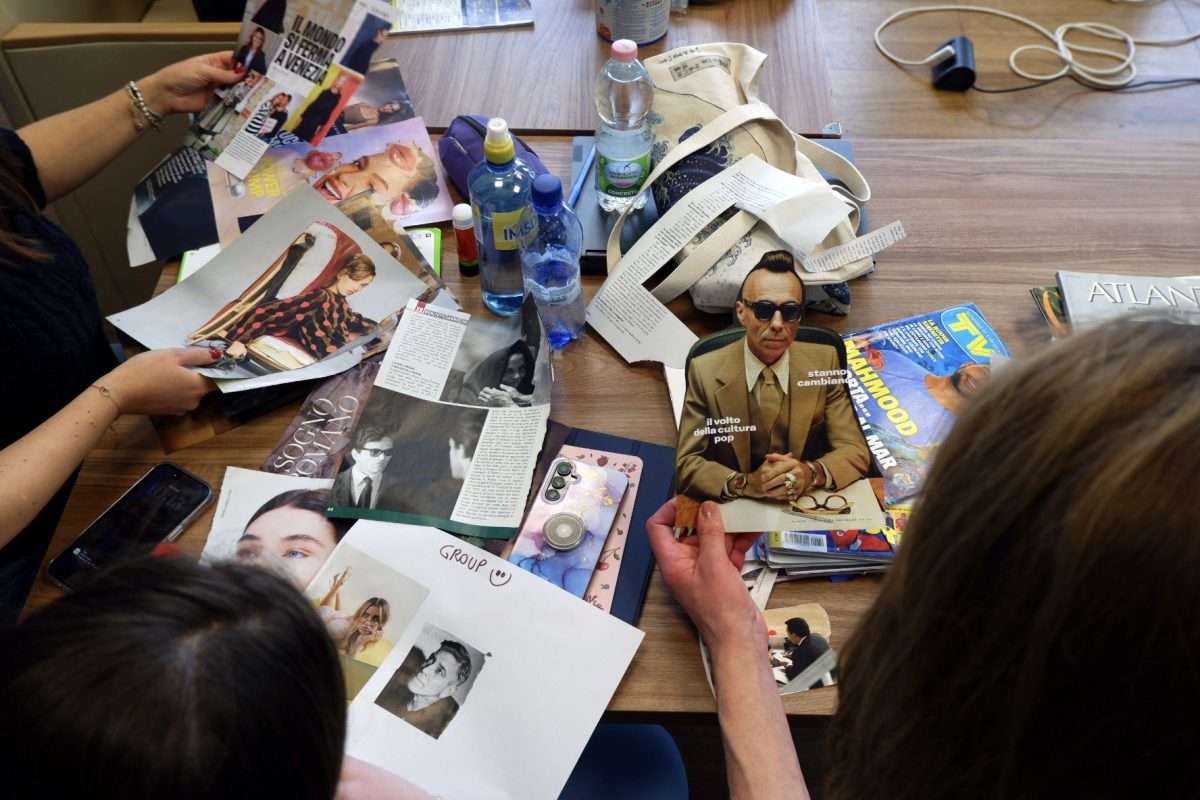
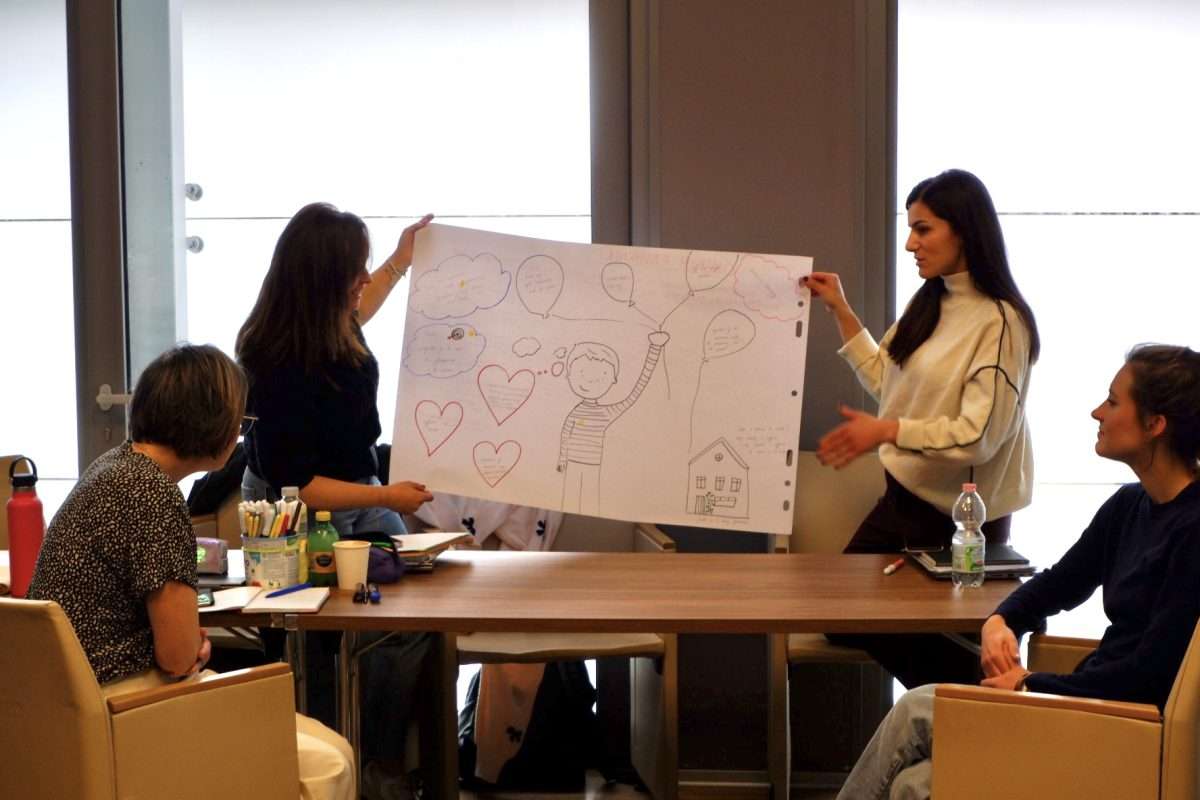

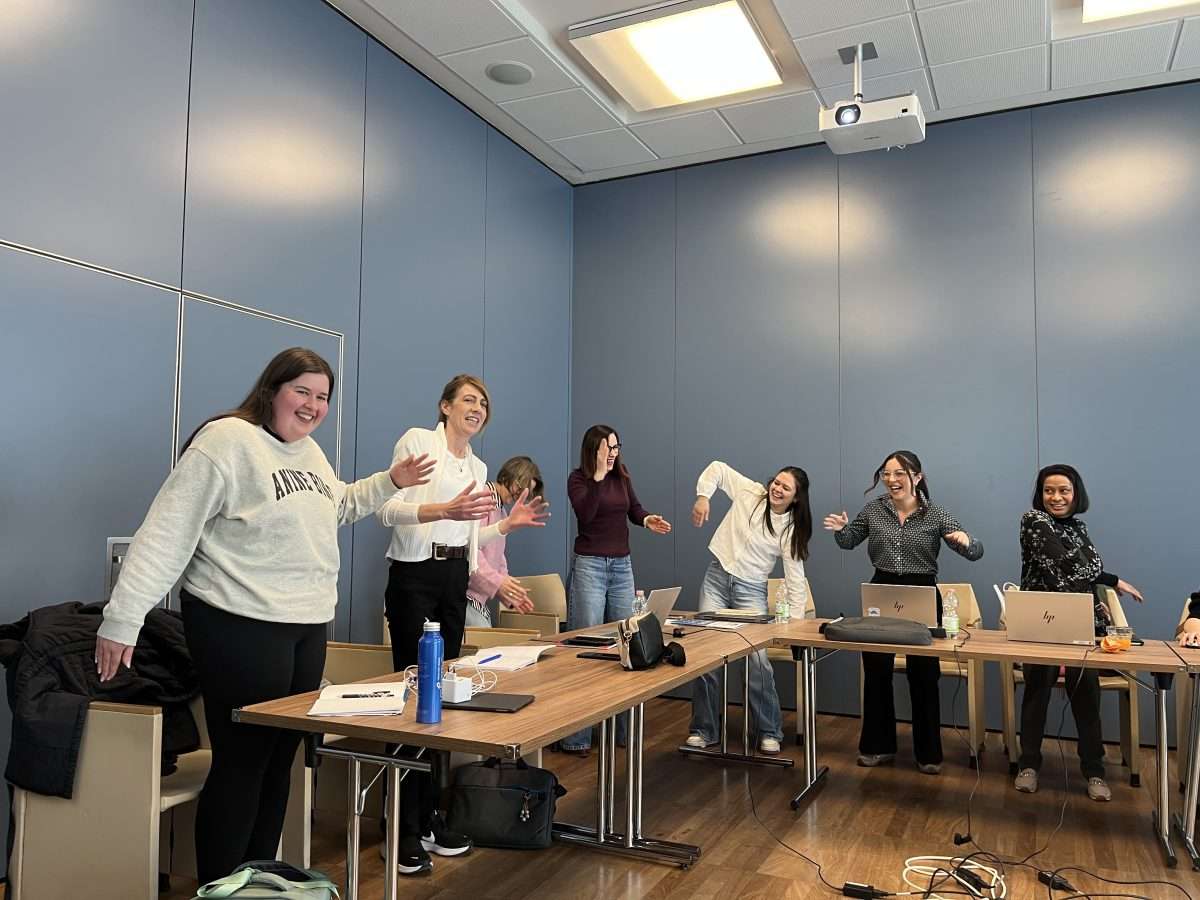
An Erasmus experience is not complete without the sharing of cultures and best practices: that is why we started our training with a presentation of all the schools, after a presentation of the Italian preschool system. The participants had to show images, videos and they shared their best practices with the rest of the class.
The first topic we discovered was the reflection on innovation in the preschool system. In fact, starting from the activities, we talked about social emotional learning, thanks to Kolb’s experiential learning cycle and we learned how it allows to pass from reflection to conceptualization and application, giving the student an active role in the learning process. Of course, we practiced as many games and activities as possible: the teachers had to show their drawing, dancing and singing skills to the rest of the group ;)
We could not talk about Outdoor Education inside the walls of classroom… that is why, on Wednesday, we visited Naturalmente Bambini. Some of the advantages of Outdoor Education that emerged during the many games and activities are, on the one hand, the increase in motivation and creativity; on the other, the improvement of the psychophysical well-being thanks to the contact with the nature and the consequent reduction of the stress.
Third topic: Project Based Learning (examples, how to apply, different features, how to introduce it in the classroom). An innovative method that allows students to delve into content in a more direct and meaningful way, starting from a topic question and trying to investigate real world issues. Analysing the principles of PBL, the participants of the course had the opportunity to discover how teamwork, collaboration, and creativity can help our youngest students to discover the way to deal with real world problems, learning strategically and searching the answers from the start, with the help of the teacher.
Finally, we reflected on the power of creativity and the right questions to ask children to stimulate their creativity.
By the last day, team spirit was so high that it was difficult to say goodbye. However, we found a very nice way to express our gratitude to the other participants and in the end our group was very eager to go back and start applying all the many ideas that emerged during the course. Another great week of inspiration was over, but only to be continued back in their countries.
Discover more about this course here.
Where this course took place: Erasmus courses for teachers in Bologna
Planning your own Erasmus+ course? Download the 2026-2027 course catalogue
 English (UK)
 Español
 Italiano
 Deutsch
 Română
 Български
 Čeština
 Ελληνικά
 Polski
 Português
 Français