Climate change and environmental sustainability are no longer topics teachers can leave at the classroom door. The consequences of how we treat the planet today will be inherited by our students, which is exactly why more and more educators are looking for practical ways to bring these issues into everyday teaching — not as a source of anxiety, but as an invitation to act.
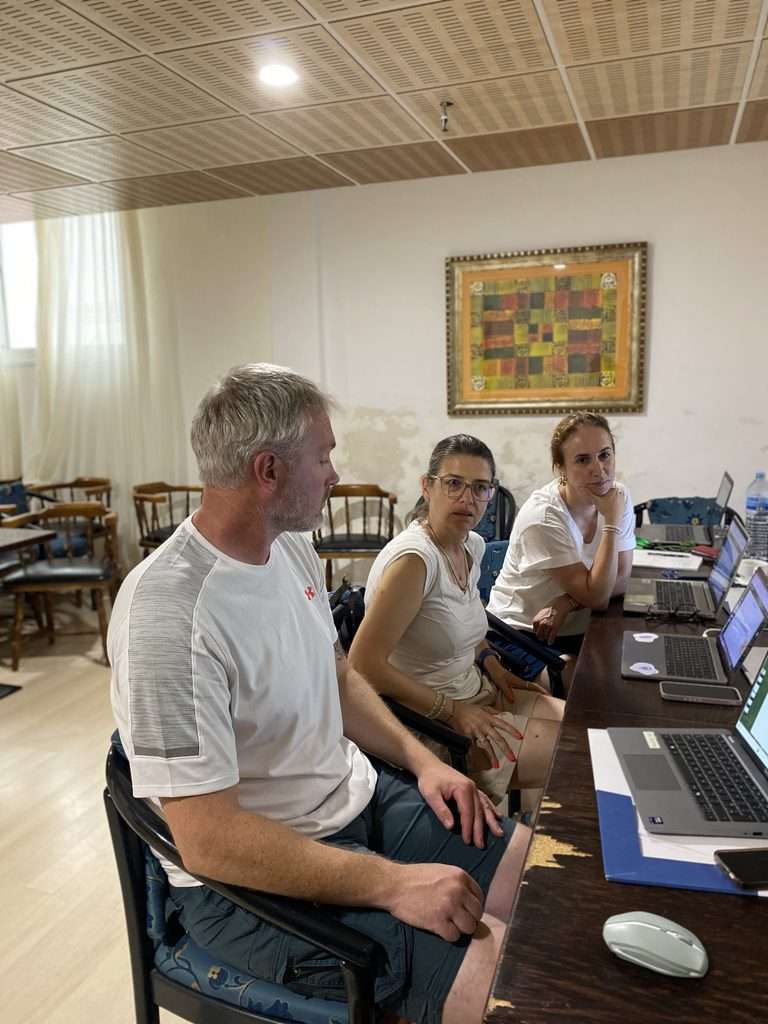
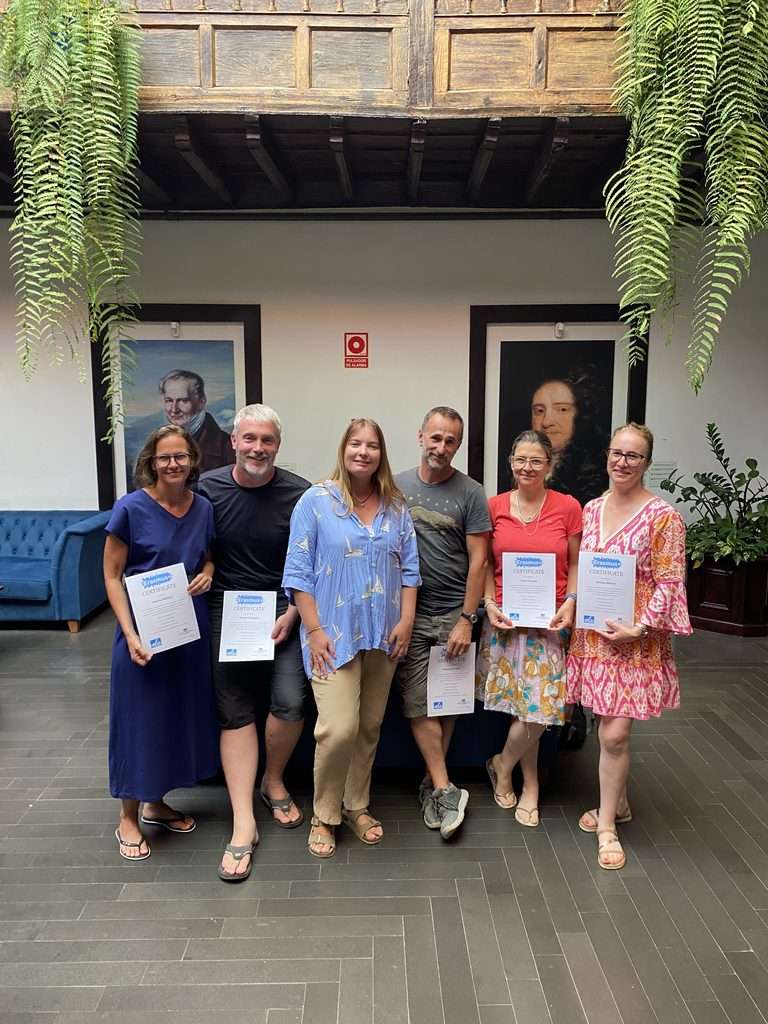
The course “Green skills for education: promoting environmental awareness and sustainable actions in the classroom” took place in Tenerife from 9 to 15 August 2026. Participants travelled from across Europe, including Sonia and Adriana from Instituto de Educação e Cidadania in Portugal; Daniela from Business School Vöcklabruck in Austria; Emmanuel from Ecole maternelle Etienne Billieres in France; and Ronan from Petersburg Outdoor Education & Training Centre in Ireland.
The week opened by unpacking exactly what we mean by “green skills” and why they matter so much in today’s classrooms. Teachers built a shared vocabulary around sustainability and sustainable development before tackling something trickier: greenwashing. Working in a group, participants investigated real brands from their own countries, learning to tell genuinely sustainable products apart from those simply dressed up in green marketing.
Another key thread of the course was the 2030 Agenda and its Sustainable Development Goals. Participants examined the seven SDGs most closely tied to environmental sustainability and discovered that, whether they had noticed it or not, every activity and discussion of the week connected back to one of these global goals.
From there, the group moved from theory to reflection, thinking through global warming, carbon footprint, tipping points and consumerism, and — more importantly — identifying small, realistic steps that both teachers and students can take to make a genuine difference.
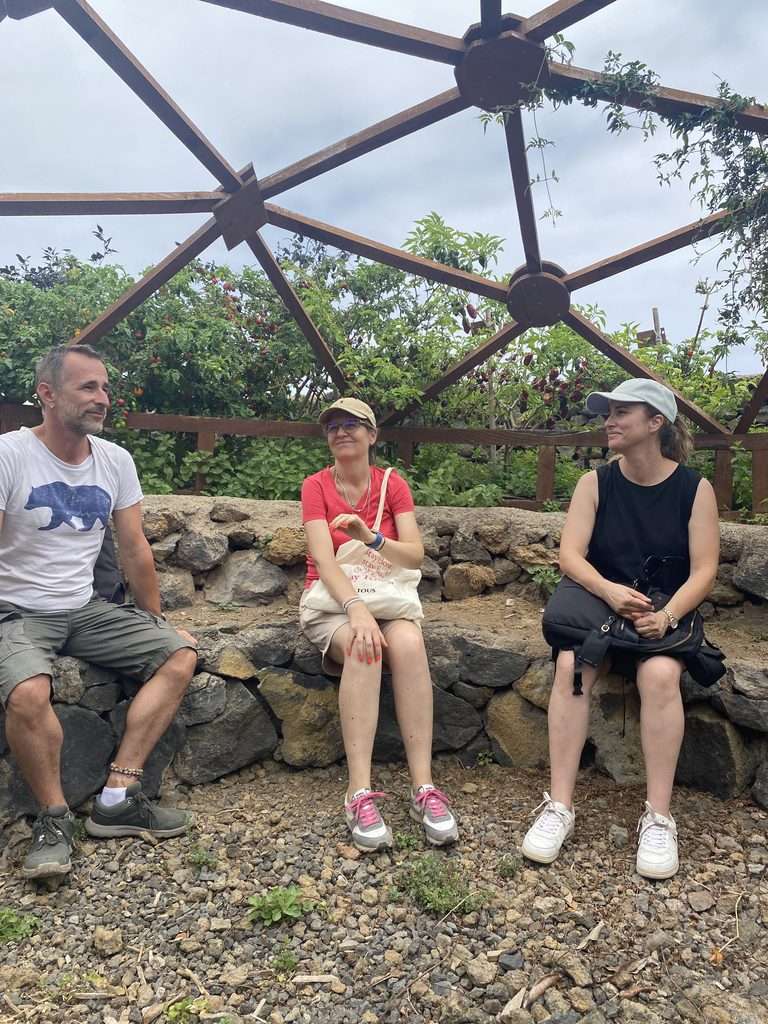
Two full days were dedicated to non-formal approaches for teaching climate change. Participants headed outdoors to explore how nature-based activities can nurture a deeper environmental connection in their students, and experimented with creative, engagement-driven methods, including Project Based Learning as a concrete tool for building a greener mindset in the classroom.
The course also looked at how ICT tools can support sustainability education, helping teachers boost engagement while cutting down on paper and material waste — turning digital practice into one more everyday green habit.
The week closed with something just as valuable as any single activity: the chance to share best practices. Participants swapped stories from their own schools and classrooms, leaving Tenerife with fresh ideas, new international connections, and a renewed sense that sustainability is something we build together, one small action at a time.
Discover more about this course here.
Erasmus Learning Academy SL – Calle Villalba Hervás 12 – 38002 – S/C de Tenerife – CIF: B10614600 Tel: +34 744714054
Mail: tenerife@erasmuslearningacademy.eu – Web: www.erasmustrainingcourses.com

Where this course took place: Erasmus courses for teachers in Tenerife
Planning your own Erasmus+ course? Download the 2026-2027 course catalogue
 English (UK)
 Español
 Italiano
 Deutsch
 Română
 Български
 Čeština
 Ελληνικά
 Polski
 Português
 Français