Technology is now part of everyday teaching, but using it effectively means much more than simply knowing how to use new tools. The real challenge is understanding how digital technologies and artificial intelligence can support learning, encourage participation and respond to students’ needs. This was the focus of the teacher training course “Integrating ICT, new technologies and AI tools into teaching and education,” held in Bologna from 26 July to 1 August 2026.
The course brought together educators and education professionals from different European contexts: Tereza Nedjalková from Masarykovo gymnázium Příbor, p.o., Czech Republic; Tomàs Bigordà from Institut Caparrella and Carme Subirana Pla from Institut Santiago Sobrequés i Vidal, Spain; Mylène Toure and Isabelle Anna Evelyne Nemorin from Lycée Général et Technologique des Droits de l’Homme, Guadeloupe; Ilze Kursite from Cesis State Gymnasium (secondary school), Latvia; and Elżbieta Chojnacka, Izabela Selera and Magdalena Stawik from Fundacja MODE – Move and Develop Foundation, Poland. Their different backgrounds and experiences created a useful setting for exchanging ideas and comparing approaches to technology in education.
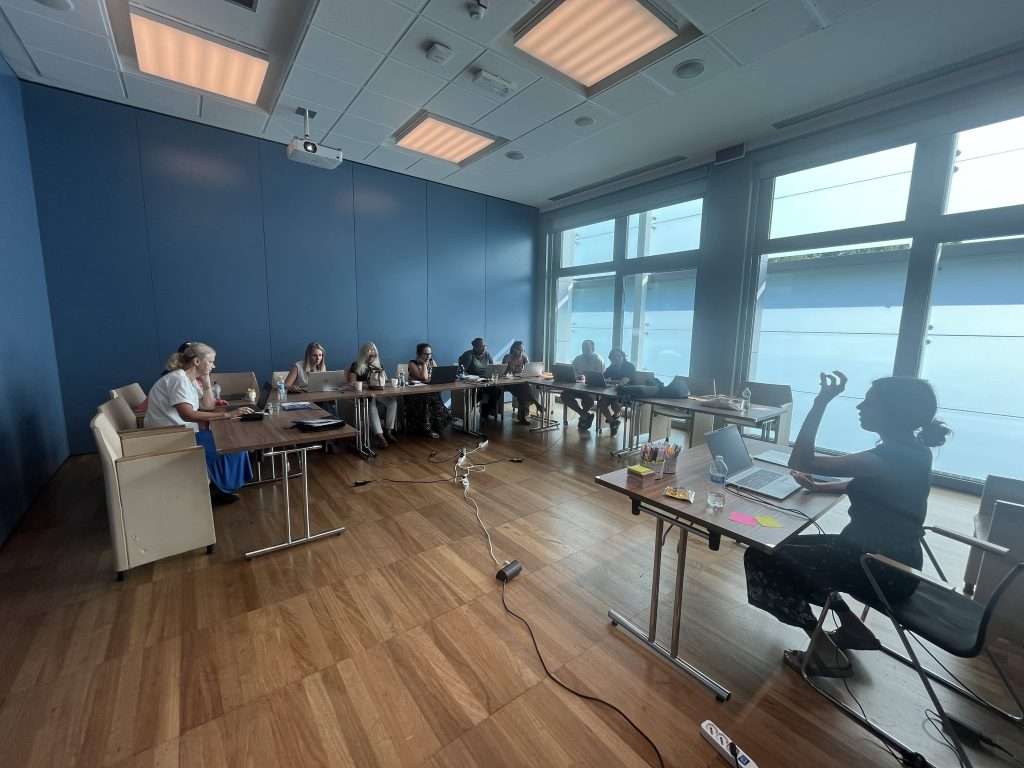
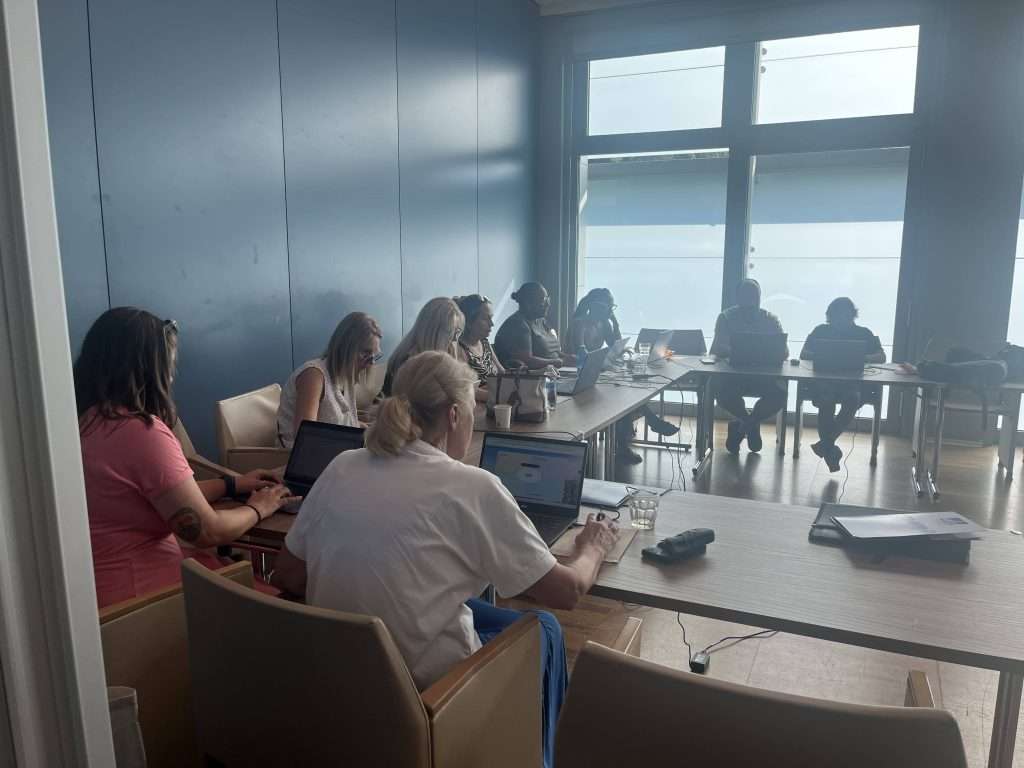
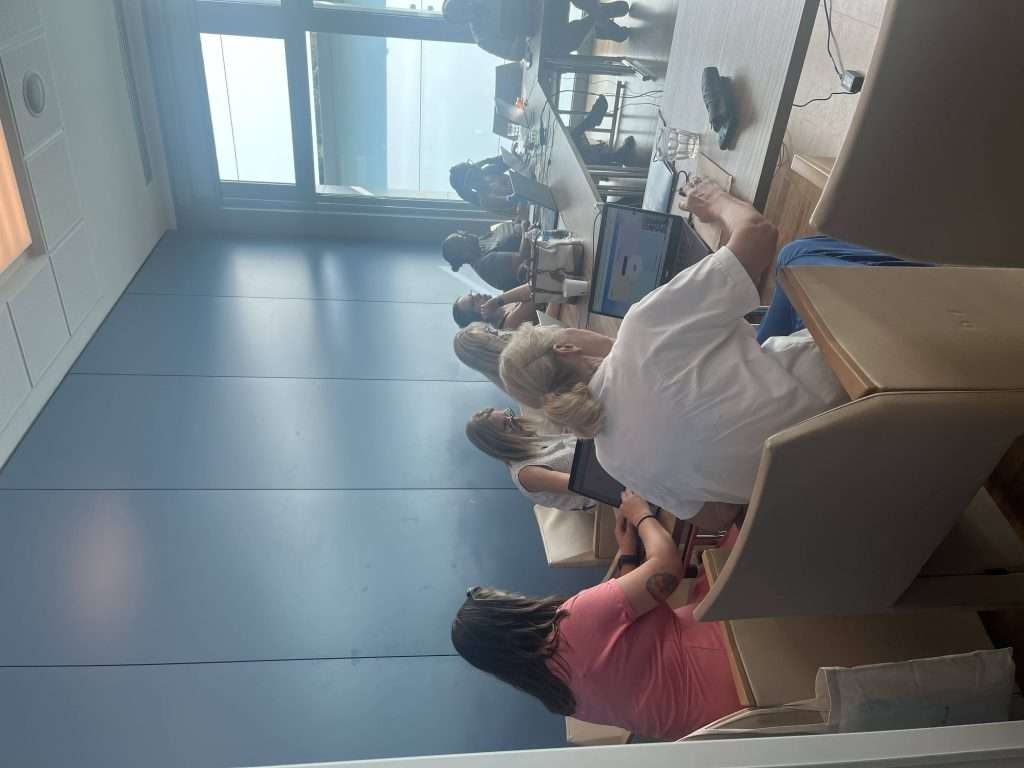
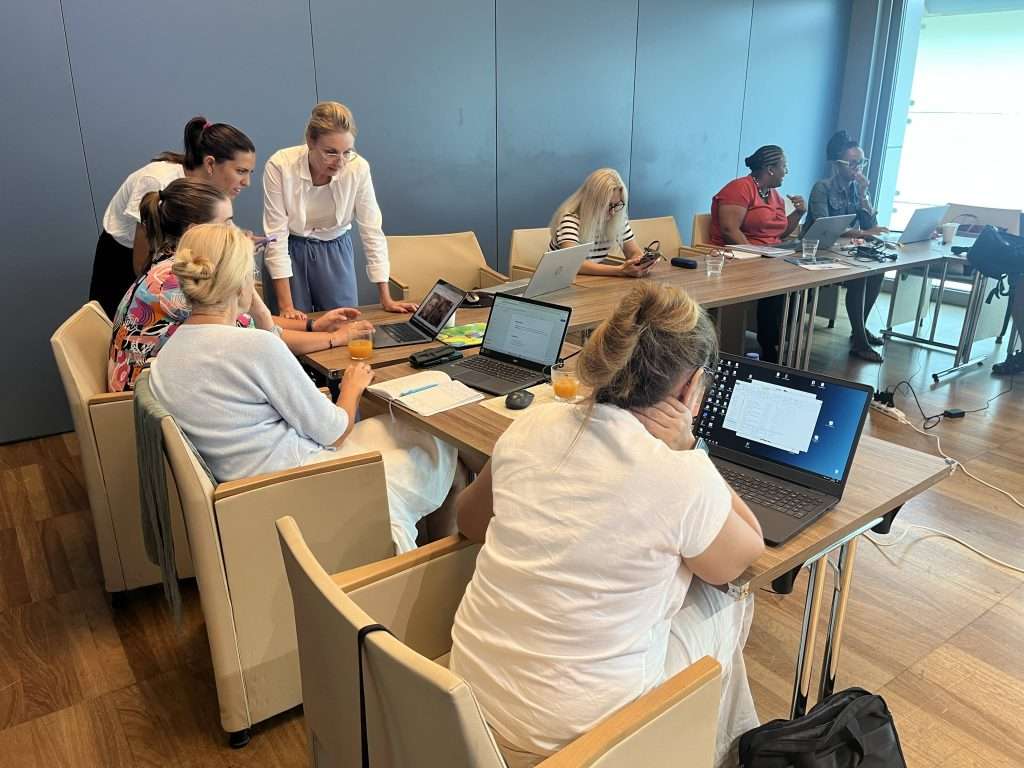
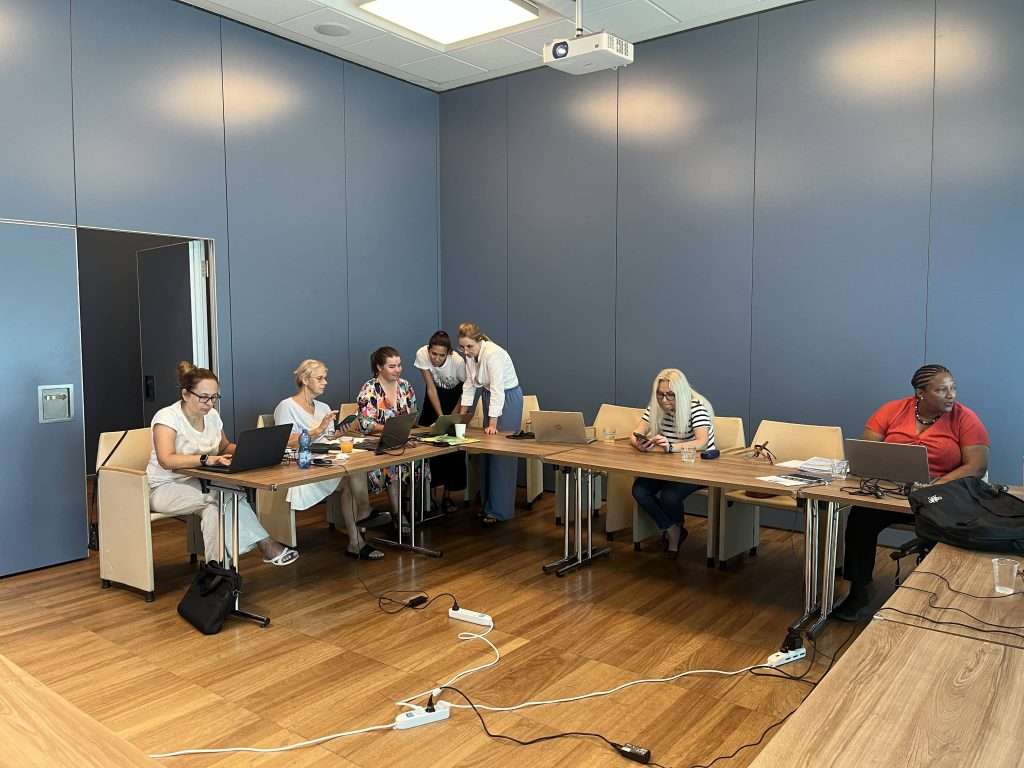
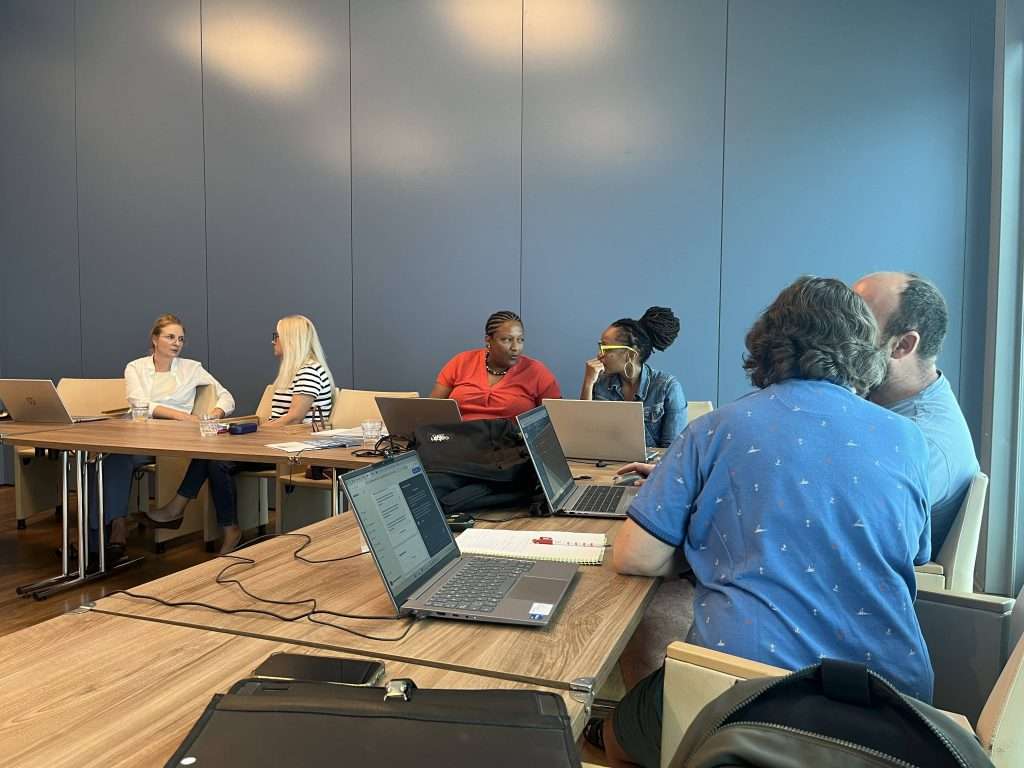
During the first part of the course, participants explored interactive and collaborative digital activities that helped them get to know each other while also sharing examples from their own teaching practice. These activities demonstrated how technology can encourage participation and create more opportunities for students to work together. The focus was on practical experimentation, allowing participants to experience the activities themselves before considering how they could be adapted for their own learners.
The following sessions focused on creating engaging digital content, including interactive tools, and visual materials. Participants explored how multimedia can be used for different stages of a lesson, whether introducing a new topic, explaining a concept, revising previous learning or simply creating a more varied learning environment. They also worked on creative tasks and other forms of visual communication, discovering ways to make educational content clearer and more engaging without losing its purpose.
As the week progressed, the focus moved towards artificial intelligence and its possible role in education. Participants explored how AI can support teachers when developing ideas, preparing activities, creating educational content and adapting materials to different learning needs. The practical nature of the sessions encouraged them to think critically about when these technologies are genuinely useful and how they can complement, rather than replace, the teacher’s role in the learning process.
Throughout the course, collaboration was an important part of the learning experience. Participants shared examples from their countries and institutions, discussed different approaches and learned from one another while completing practical tasks. This international exchange added another dimension to the training, showing that although educational contexts may differ, teachers often face similar questions about engagement, motivation, assessment and the effective use of technology.
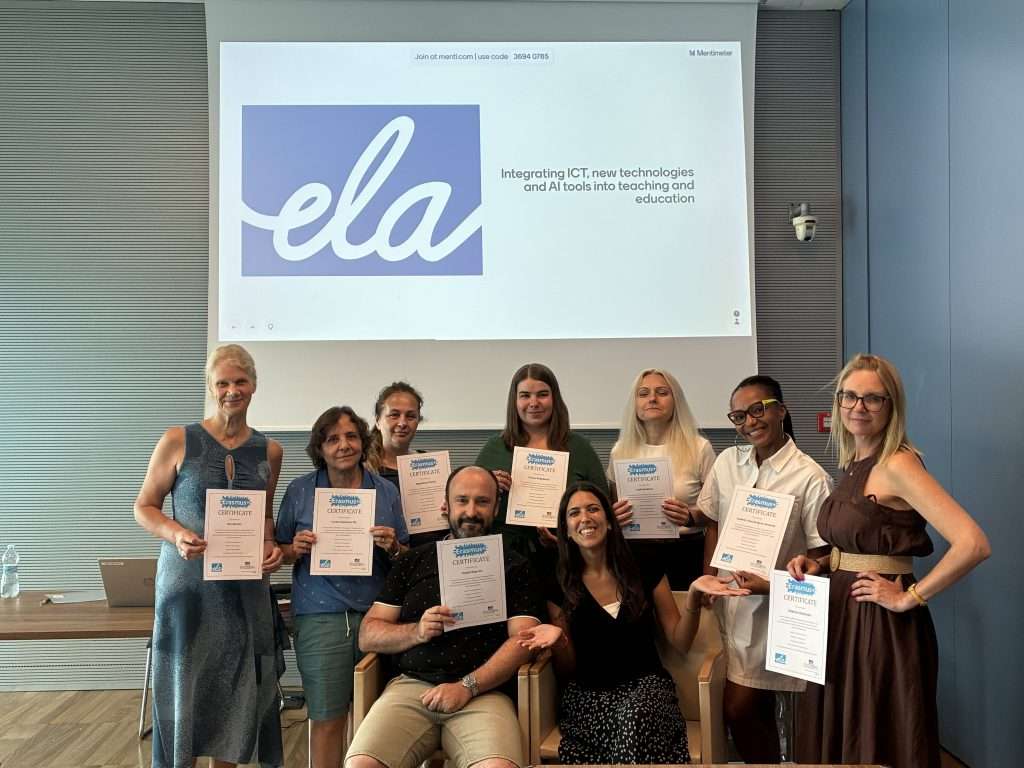
By the end of the week in Bologna, participants had gained new practical skills and a broader understanding of how ICT, new technologies and AI can be integrated into teaching. More importantly, they had the opportunity to test ideas, exchange experiences and reflect on how technology can support real learning needs. They left the course with new possibilities to explore in their classrooms and with a stronger awareness that effective educational technology is not simply about using new tools, but about choosing the right approaches to help students learn, participate and create.
Discover more about this course here.
Where this course took place: Erasmus courses for teachers in Bologna
Planning your own Erasmus+ course? Download the 2026-2027 course catalogue
 English (UK)
 Español
 Italiano
 Deutsch
 Română
 Български
 Čeština
 Ελληνικά
 Polski
 Português
 Français