Every classroom is made up of different people, with different identities, experiences, values, and ways of seeing the world. For teachers, recognising these differences is an important part of creating a learning environment where students feel respected, included, and comfortable working with others. These ideas were at the centre of the training course “Diversity in the classroom: teaching tolerance and overcoming prejudices and discrimination,” held in Bologna from 2 to 8 August 2026.
The course brought together teachers from four European countries: Janka and Janka from Cirkevná základná škola Romualda Zaymusa in Žilina, Slovakia; Brigitte from Berufsschulzentrum Nürnberger Land, Germany; Raúl from IES Álvaro Yáñez, Spain; and Enikő from Gyermekek Haza Alternativ Altalanos Iskola es Gimnazium, Hungary. Their different professional and cultural backgrounds added an international perspective to the discussions and gave participants the opportunity to exchange experiences from their own schools.
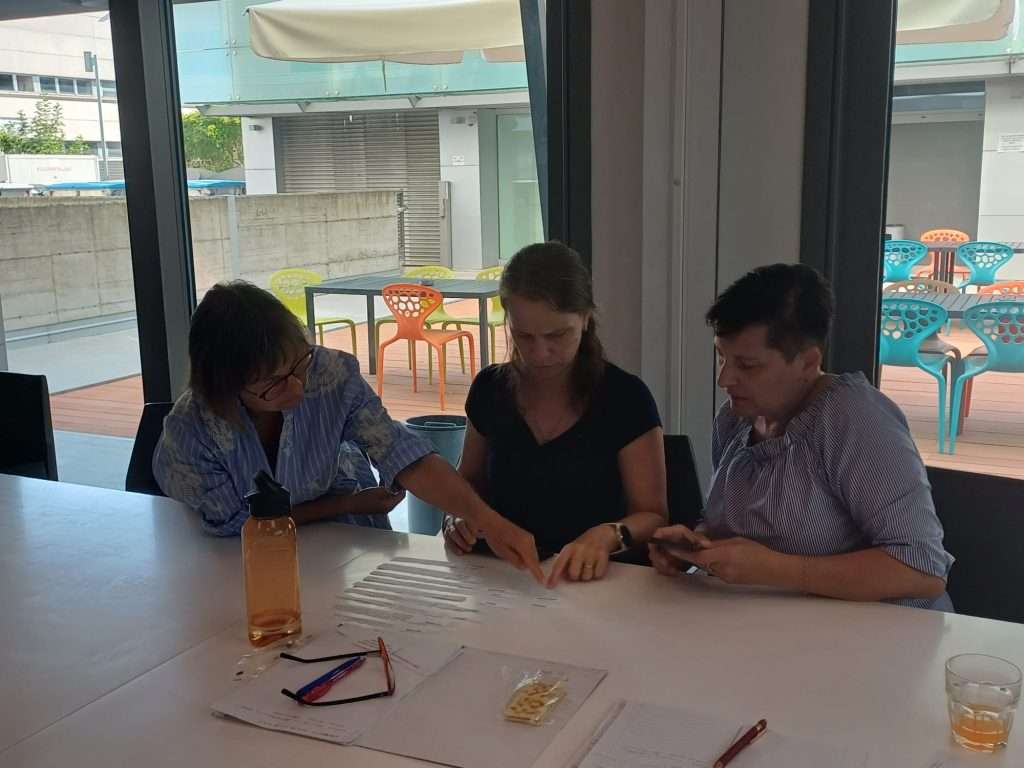
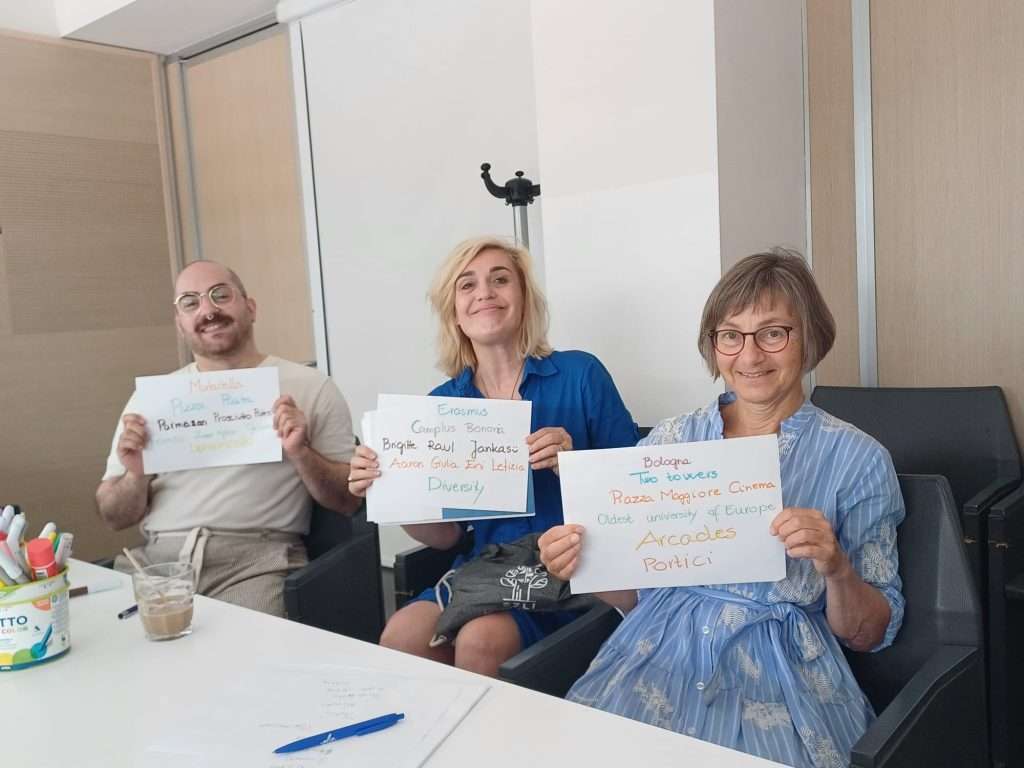
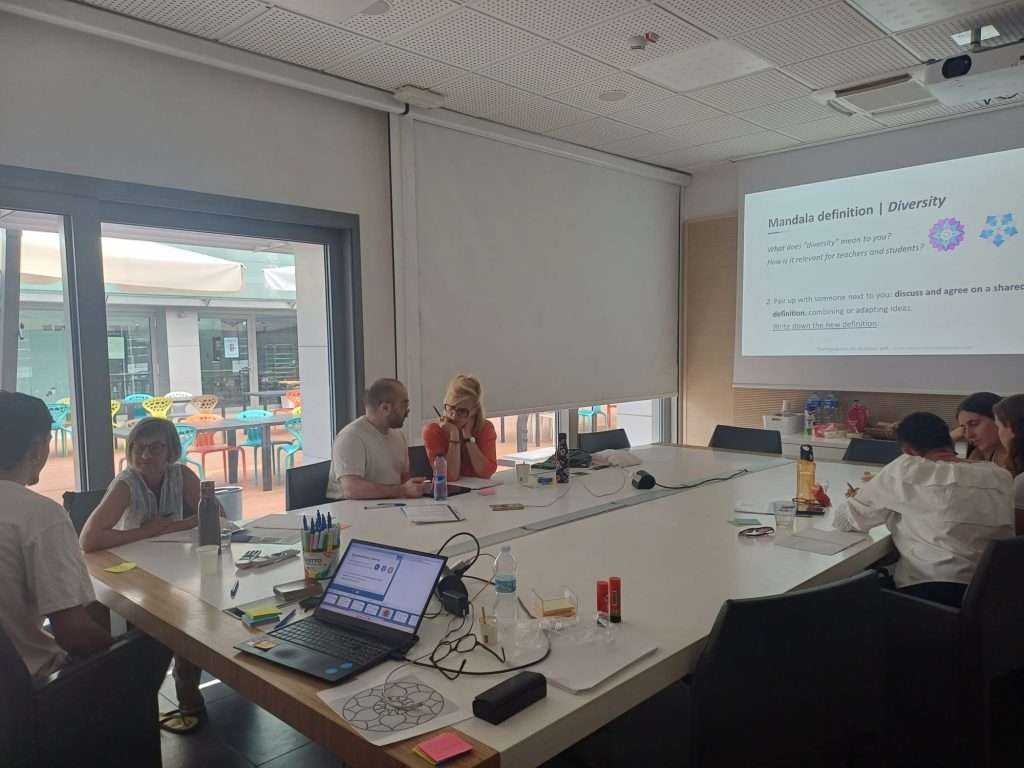
The course opened with icebreaking activities and an introduction to diversity and personal perspectives. Participants explored what diversity means to them and reflected on their own experiences. The discussion then focused on identity, self-awareness, and values, considering how these elements shape the way we understand ourselves and interact with others.
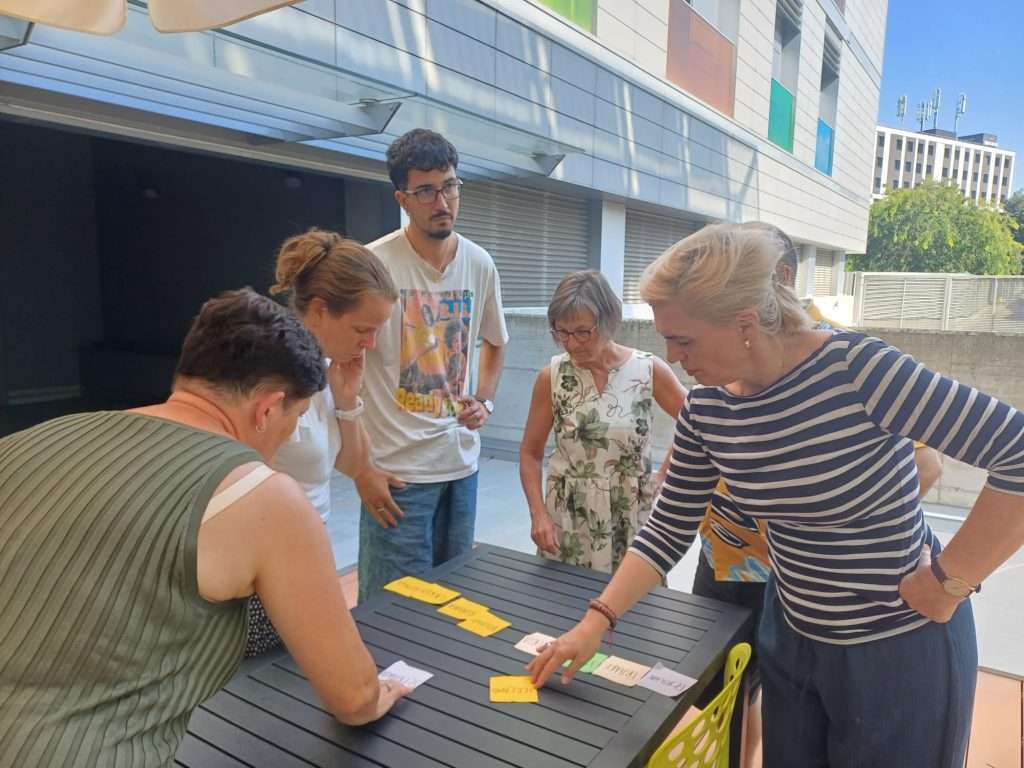
Group dynamics, membership, and inclusion became the focus of the practical activities. Participants explored what helps people feel part of a group and what can make them feel excluded. Collaborative exercises introduced new ways to encourage cooperation and create a more supportive classroom environment, while highlighting the importance of belonging in the learning process.
The course also addressed stereotypes, prejudice, and discrimination. Participants examined how assumptions about other people can influence perceptions and behaviour, sometimes without us being fully aware of it. The discussions encouraged a more critical approach to these issues and considered how teachers can help students recognise stereotypes and question prejudices.
Privilege, emotions, listening, and empathy completed the programme. Participants reflected on how differently people can experience and express emotions and considered the importance of recognising these differences. Particular attention was given to listening, as taking the time to understand another person’s perspective can help build stronger relationships and foster empathy in the classroom.
Alongside the programme itself, the positive atmosphere within the group played an important role throughout the experience. Participants showed enthusiasm and genuine interest in the activities, creating an open environment where everyone could contribute, share experiences, and learn from one another. The willingness to participate and collaborate made the discussions more engaging and helped strengthen the connection between the group members.
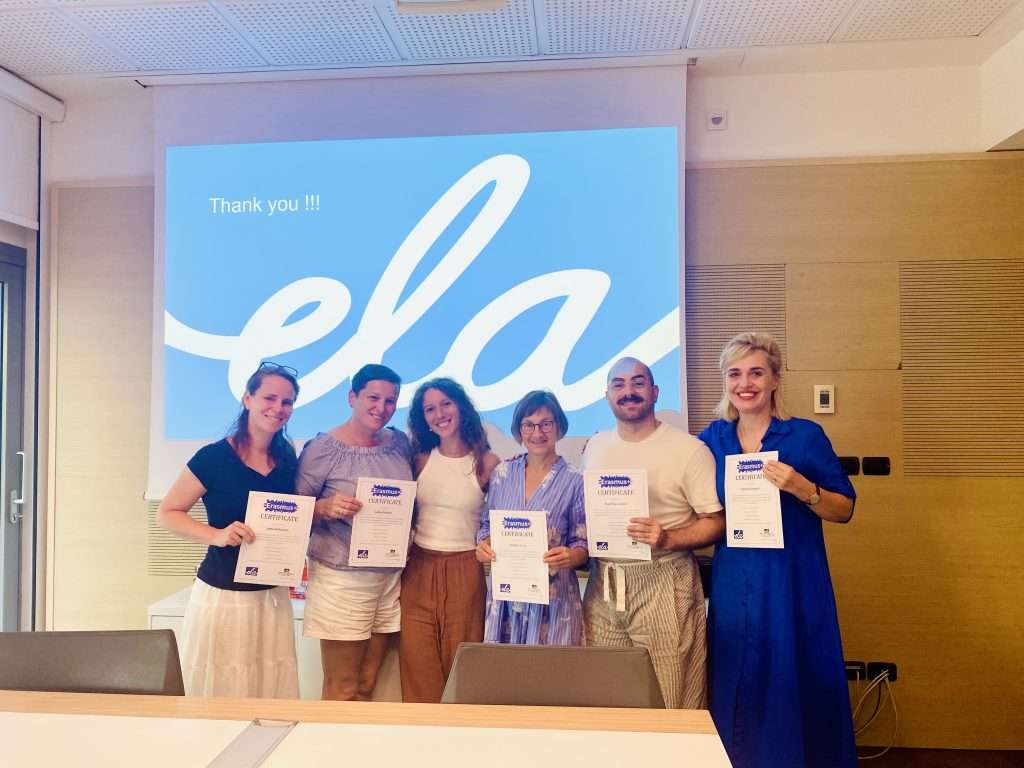
The course connected personal reflection with practical classroom approaches, giving participants the opportunity to share experiences, collaborate, and look at familiar educational situations from different perspectives. The international group also enriched the experience by bringing together ideas from four different educational contexts.
The result was a week focused not only on understanding diversity, but on considering how teachers can put inclusion into practice through everyday interactions, cooperation, listening, and greater awareness of prejudice.
Discover more about this course here.
Where this course took place: Erasmus courses for teachers in Bologna
Planning your own Erasmus+ course? Download the 2026-2027 course catalogue
 English (UK)
 Español
 Italiano
 Deutsch
 Română
 Български
 Čeština
 Ελληνικά
 Polski
 Português
 Français