Being in contact with the outdoors has always had a significant impact on the cognitive, behavioural and emotional development of human beings, dating back to prehistory. Even today, it is common to feel inspired, challenged or even influenced by walking in nature or admiring a natural or urban landscape. Outdoor education is an innovative teaching approach that allows us to address two major priorities of contemporary society: providing long‑lasting, high‑quality education and raising awareness about the importance of protecting our planet in the face of climate change.
The new edition of the course “Outdoor education: a new way of teaching and learning” took place in Porto from 06/07/2026 to 11/07/2026. Participants joined us from the Italian association “Narrabosco”: Silvana, Paola, Vincenzo, Chiara, Simona, Giuliana, Fulvia and Maria Angela.
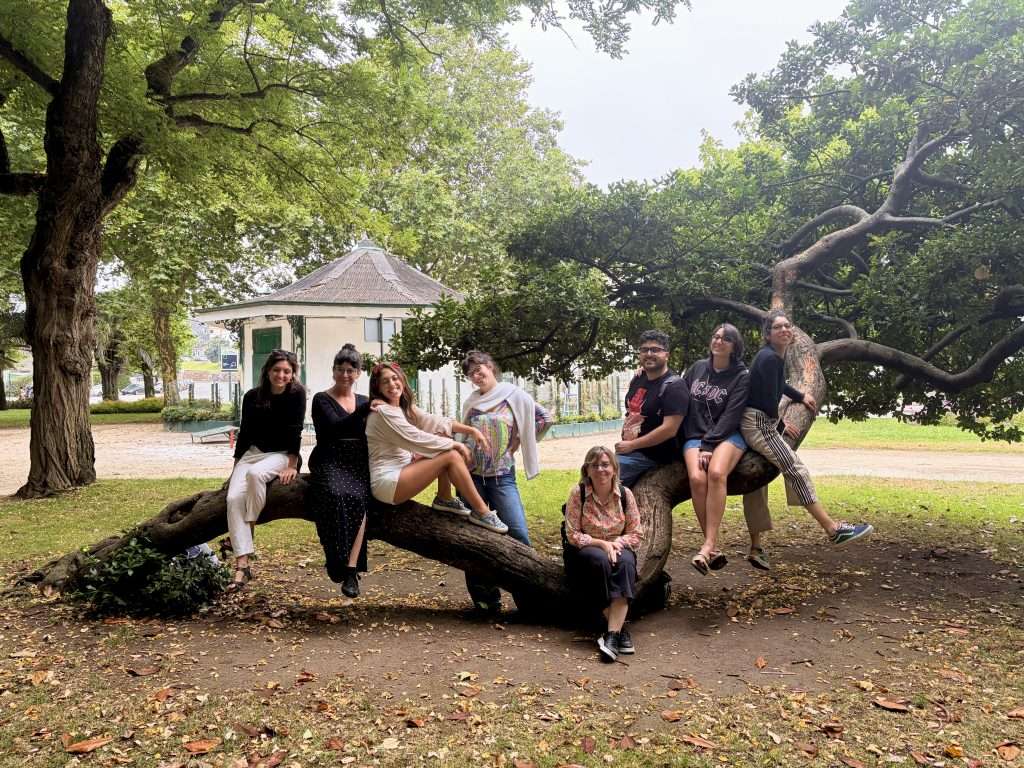
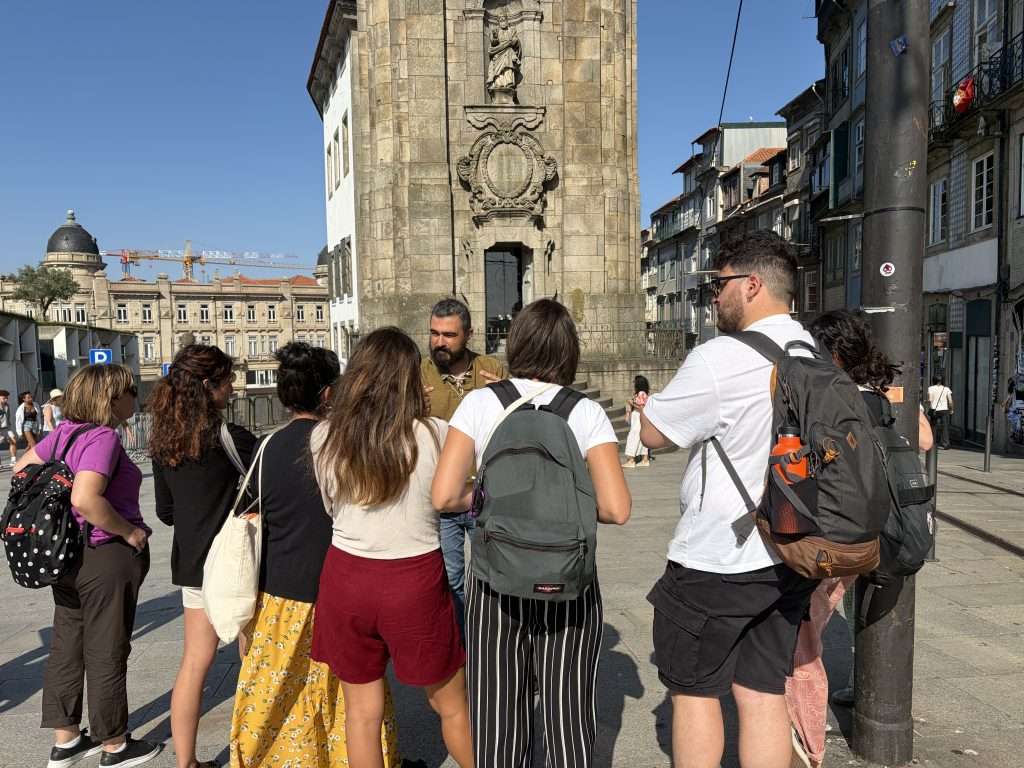
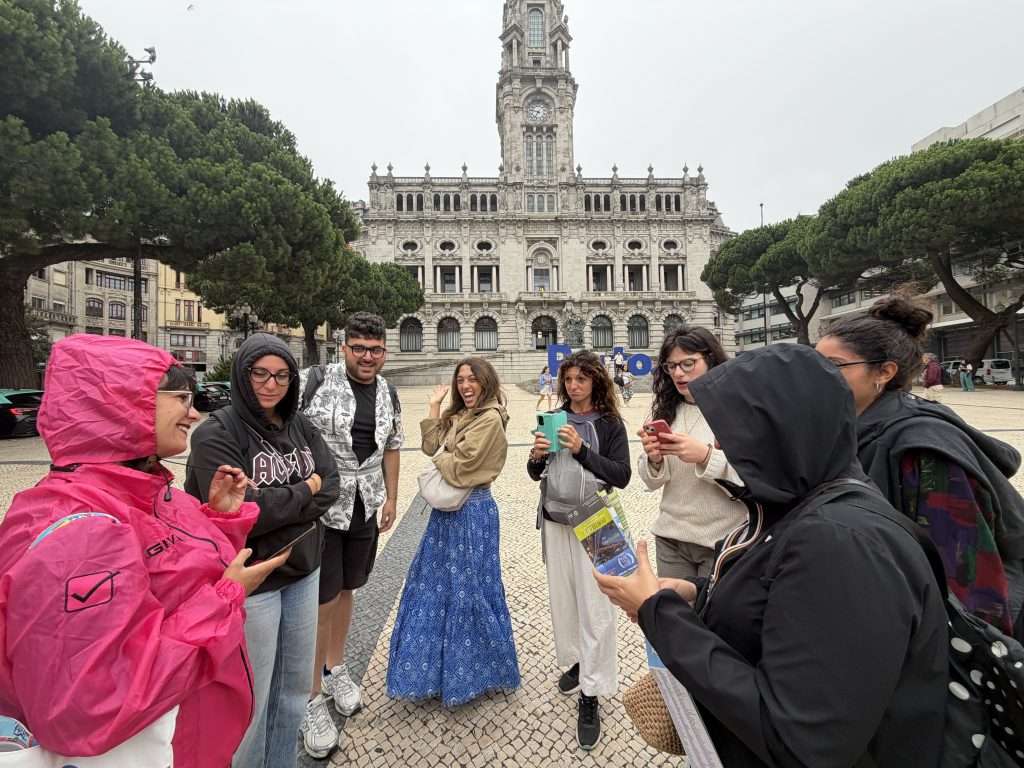
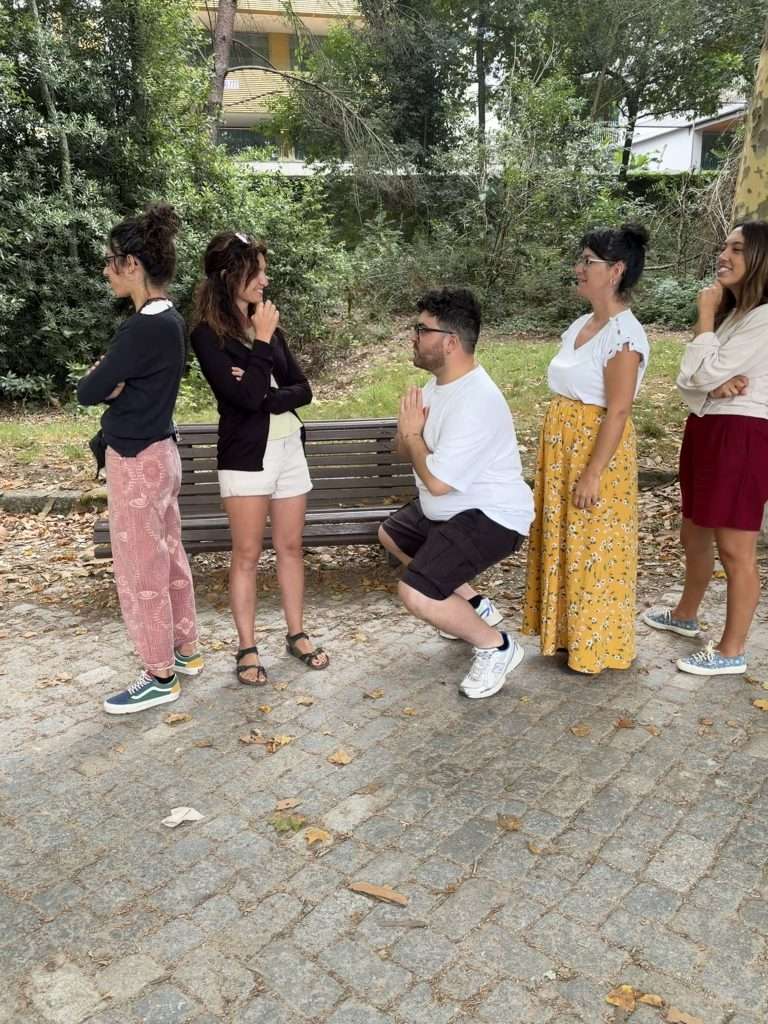
Starting from the definition of Outdoor Education, we explored the many ways in which learners can be guided to connect with the outdoors, a concept that does not necessarily mean being in forests or natural environments at all times. On the first day, participants also delved into the principles of Non‑Formal Education (NFE), a pedagogical approach in which many outdoor activities are rooted. This methodology places concrete experience at the centre of the learning process: by engaging in tasks and activities, and by guiding learners through the full experiential cycle with the right reflective questions, they are able to connect newly acquired knowledge to their own lives and apply it meaningfully.
The following days were dedicated to carrying out outdoor activities and exploring the theory outside the classroom. On Tuesday, we visited one of the largest green areas in Porto: Parque da Cidade, which offered many spaces and opportunities to test the activities. In addition to collaborative challenges, participants also engaged in mindfulness exercises because, as mentioned on the first day, the outdoors is not only a place for exploration and action, but also a space to slow down, breathe, and enjoy calmness.
The next day, we explored some principles of Outdoor Education and Expeditionary Learning. Participants were invited to create some activities that reflected those principles.
We then dedicated a day of the training to Urban Outdoor Education in the city of Porto. Participants took part in a gamified outdoor challenge in an urban setting, interacting with the urban environment and engaging with local people while exploring the city, its culture, and its food, all while trying to score the highest number of points in the challenge. Not even the rain managed to stop our outdoor warriors: with great enthusiasm, they continued the activity, demonstrating once again how powerful and engaging outdoor experiential learning can be.
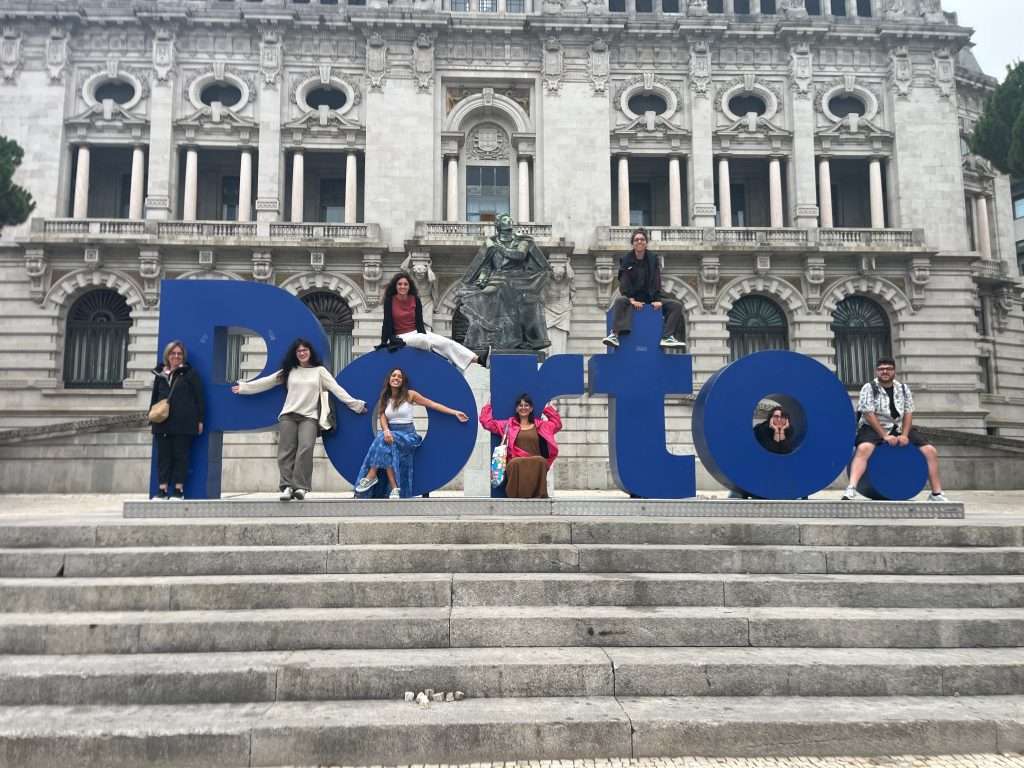
The last part of the course was dedicated to safety planning and to designing an outdoor experience tailored to each participant’s target group. We explored the potential risks that may arise when conducting activities outdoors and discussed how these can be identified, examined, and prevented in a safe and responsible way. Participants then divided into small groups to analyse specific scenarios, realistic situations that could potentially occur during outdoor activities, and reflected on how to manage them effectively.
In the final part, every group created an outdoor activity. Taking into consideration the age level of their learners and the skills or topics they wished to address, each participant planned the session in detail, presented it to the group, and received constructive feedback on how to refine and improve it.
This week was itself a true example of the effectiveness of experiential outdoor learning: through a hands‑on approach, participants gained a concrete understanding of what an outdoor education activity looks like and acquired the knowledge needed to design one for their own target groups.
Throughout the course, participants explored a wide range of activities and games that they will be able to replicate with their learners, demonstrating that meaningful learning can happen far beyond the walls of a classroom.
Discover more about this course here!
Where this course took place: Erasmus courses for teachers in Porto
Planning your own Erasmus+ course? Download the 2026-2027 course catalogue
 English (UK)
 Español
 Italiano
 Deutsch
 Română
 Български
 Čeština
 Ελληνικά
 Polski
 Português
 Français