In an increasingly interconnected world, language learning plays a crucial role in promoting communication and understanding across cultures. Content and Language Integrated Learning (CLIL) has emerged as a powerful methodology that combines language acquisition with subject-based learning. By learning how to incorporate ICT and game-based tools, multimedia content creation, and dynamic experiential activities, participants are more equipped to promote linguistic diversity in education and prepare students for their roles as European citizens.
A new edition of the course “Content and Language Integrated Learning (CLIL) course for teachers” took place in Palermo from 12/07/2026 to 18/07/2026. The participants came from all across Europe, with Beata and Magdalena, from Poland, Szkoła im. Królowej Jadwigi w Jerzykowie ; with Edita and Lucie, from Czech Republic, Základní škola Vorlina Vlašim, příspěvková organizace ; and, with Enna, from Estonia, Haapsalu Kutsehariduskeskus.
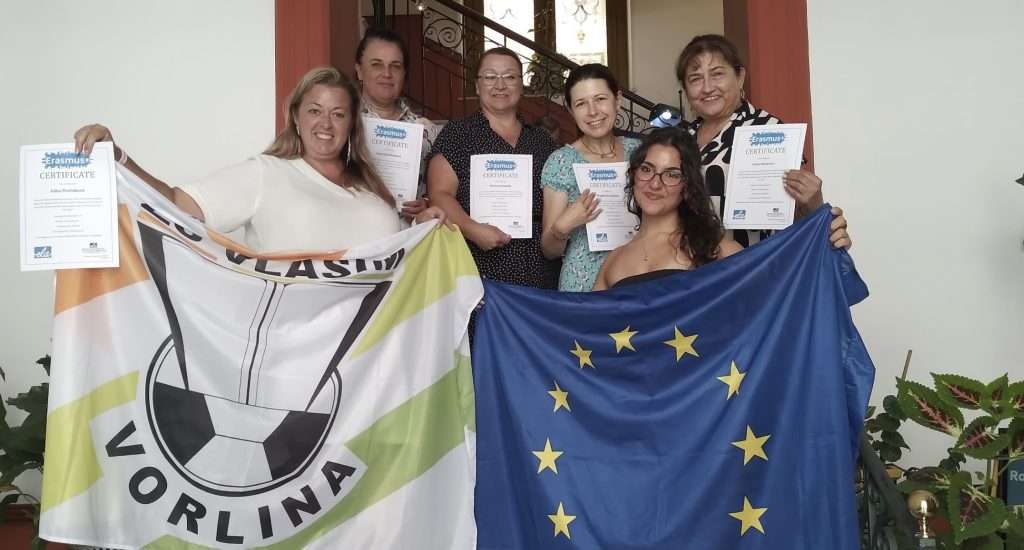
The CLIL course began with a theoretical introduction to the CLIL method, EU support for CLIL and key competences. It allowed participants to discover CLIL principles, understanding the significance of teaching content through a second language. The course emphasized the pivotal role of the teacher in facilitating language integration, creating a rich learning environment that nurtures both content knowledge and language skills.
Insights into effective lesson planning within the CLIL context was provided. Participants discovered valuable tips and techniques to craft engaging and purposeful CLIL lessons. By sharing resources and experiences, participants began to develop their own lesson plans draft, which served as a foundation for subsequent activities.
The course delved into the integration of captivating texts and videos in CLIL classrooms to leverage multimedia resources creatively. Participants explored common ICT tools in education, with a practical focus on those which proved to be the most relevant to their specific needs and interests. They practiced these tools to create educational games and interactive presentations, seamlessly integrating them into their lesson plans.
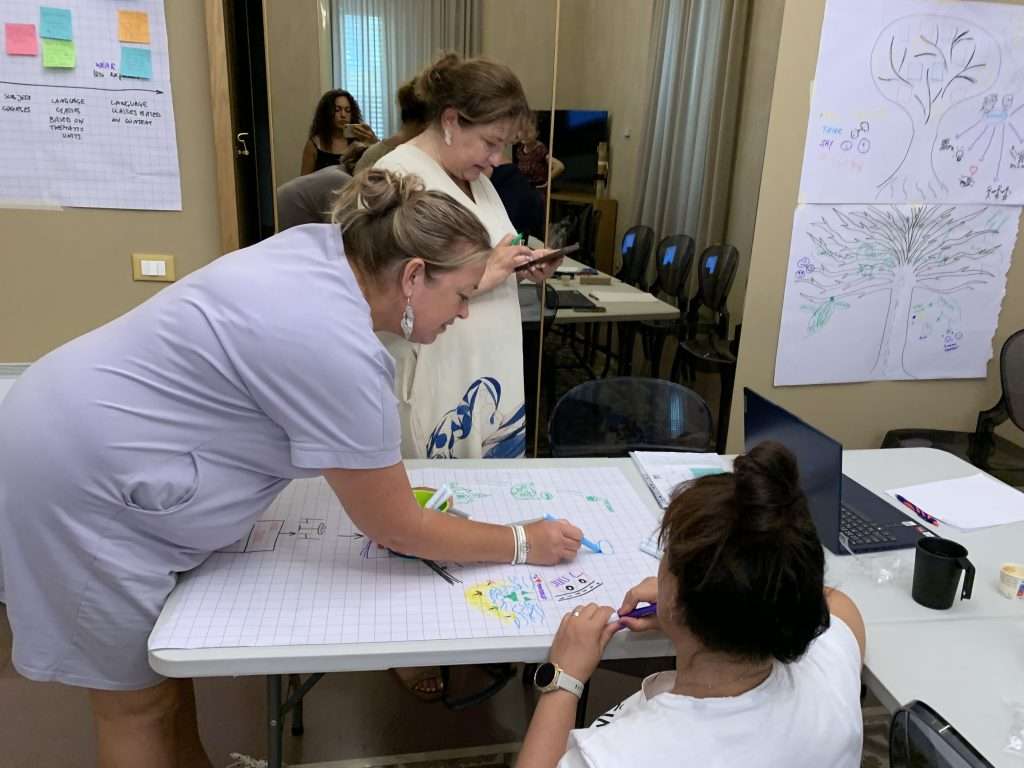
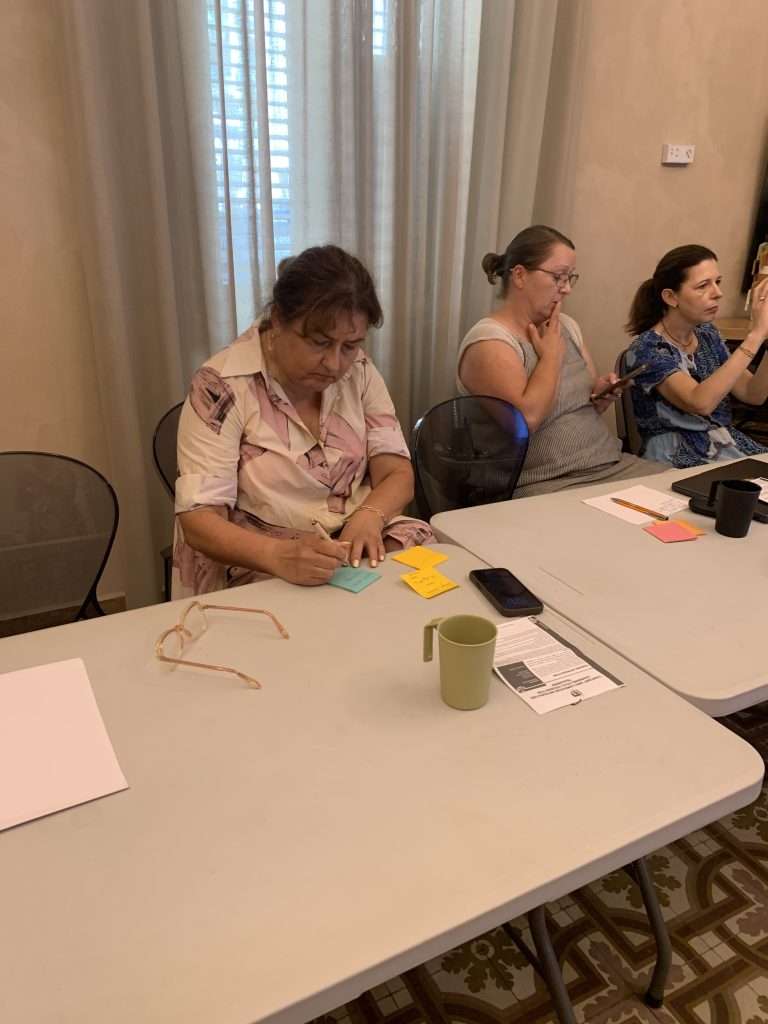
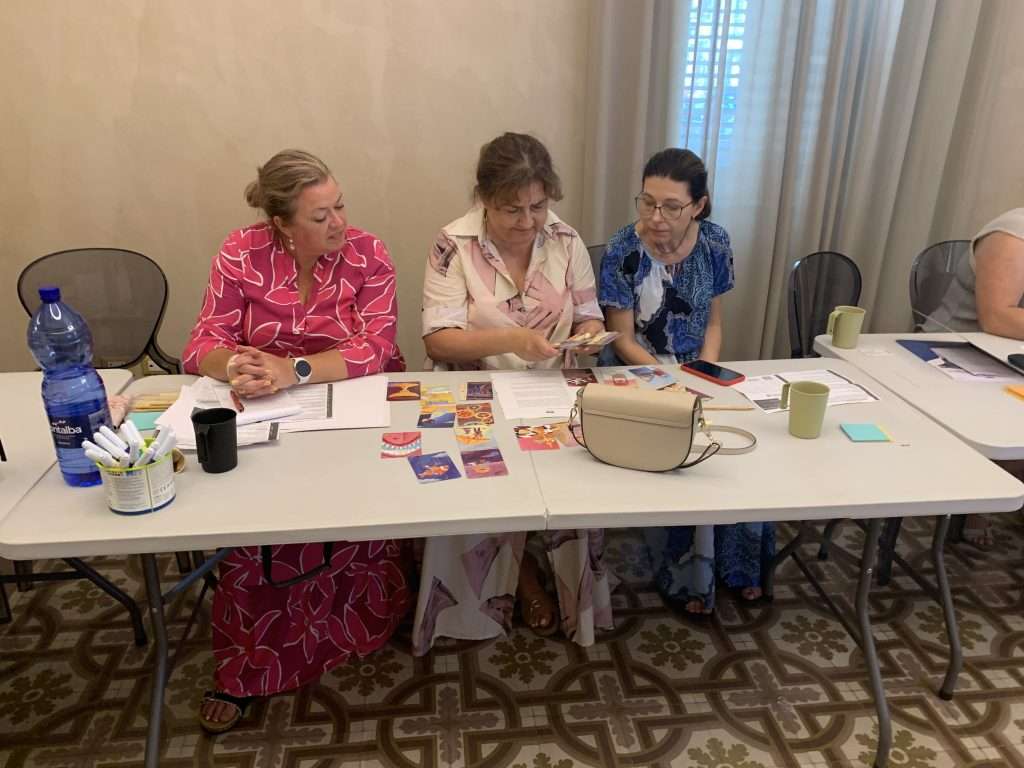
Participants were introduced to experiential learning activities that enhance CLIL lessons. They discovered effective strategies to promote collaboration and peer learning in the classroom, facilitating language communication on the subject matter. Through hands-on experiences, they gained insights into fostering an interactive and immersive learning environment.
Participants could finally share their finalized lesson plans, which incorporated the newly acquired strategies and activities developed throughout the week, proving their readiness to create engaging and language-rich CLIL classrooms.
More info on this course here.
Where this course took place: Erasmus courses for teachers in Palermo
Planning your own Erasmus+ course? Download the 2026-2027 course catalogue
 English (UK)
 Español
 Italiano
 Deutsch
 Română
 Български
 Čeština
 Ελληνικά
 Polski
 Português
 Français