Teachers typically guide learning, impart knowledge, and foster skill development. In contrast, a coach actively listens, asks insightful questions, inspires growth, and helps individuals realize their potential. Although distinct, applying coaching principles in the educational environment can elevate the teacher’s role to a facilitator who promotes reflection, empowerment, and personal development within the classroom.
The course, “Coaching skills for teachers, school and adult education staff,” was held in Tenerife from January 11th to 17th, 2026, and its core was shaped by this central idea. The training brought together an international group of professionals, whose varied backgrounds significantly enhanced the week’s discussions and activities. Participants included Sara and Katja from Mestna zveza upokojencev Ljubljana, OPZDU in Slovenia; Femke and Marie from VZW Comité voor onderwijs Annunciaten in Belgium; Valerie and Katrien from GO NEXT het atheneum Hasselt, also in Belgium; and Maria from Hermods Yrkeshögskola in Sweden.
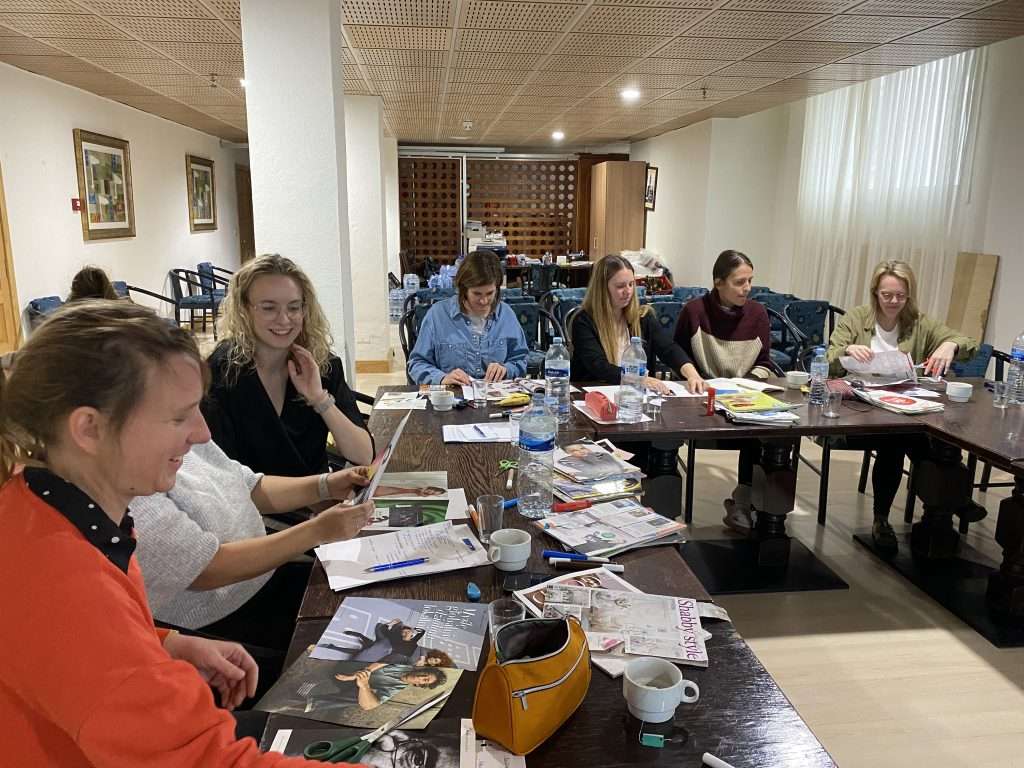
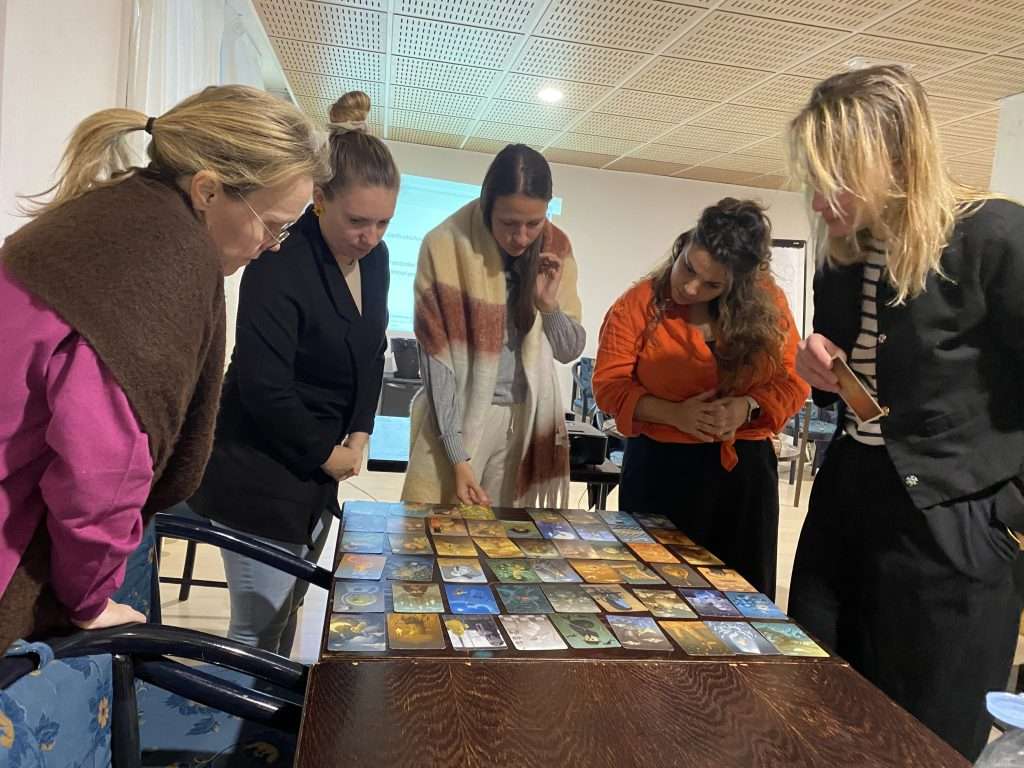
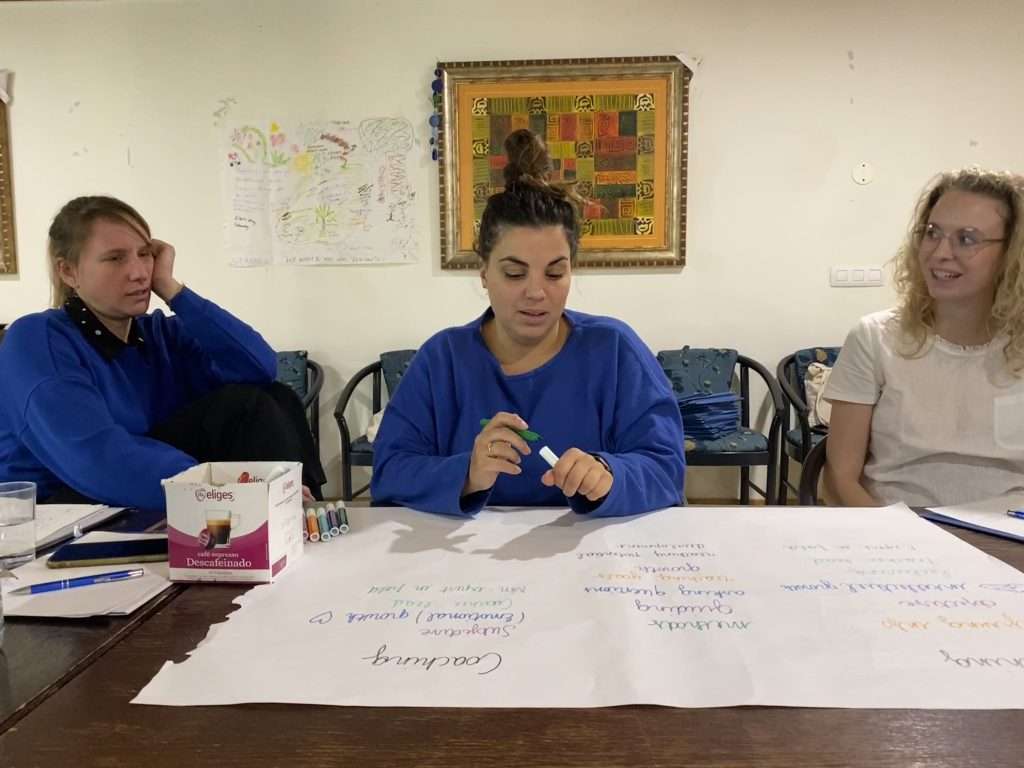
The course opened with teambuilding activities designed to unify the group, identify individual needs and expectations, and establish a foundation for a collaborative learning environment. Participants examined the fundamental principles of coaching within an educational framework, reflecting on the nuances and intersections between traditional teaching and coaching roles. A significant focus was placed on fostering self-awareness, prompting educators to identify their unique strengths, internal resources, challenges, and professional aspirations.
As the program progressed, the curriculum shifted toward essential coaching competencies. On Tuesday, the group explored emotional intelligence, analyzing how the effective management of their own and their students’ emotions can cultivate a more positive and productive classroom climate. By midweek, the focus turned to goal-setting strategies, where educators learned to guide learners in articulating meaningful, realistic, and attainable objectives that drive both personal and academic development.
Later in the week, participants investigated the impact of strategic questioning and non-directive communication. They discovered how targeted inquiries can ignite reflection, promote student autonomy, and empower learners to navigate their own problem-solving processes. These sessions underscored the importance of intentional listening and the art of facilitating student growth without resorting to direct instruction or immediate answers.
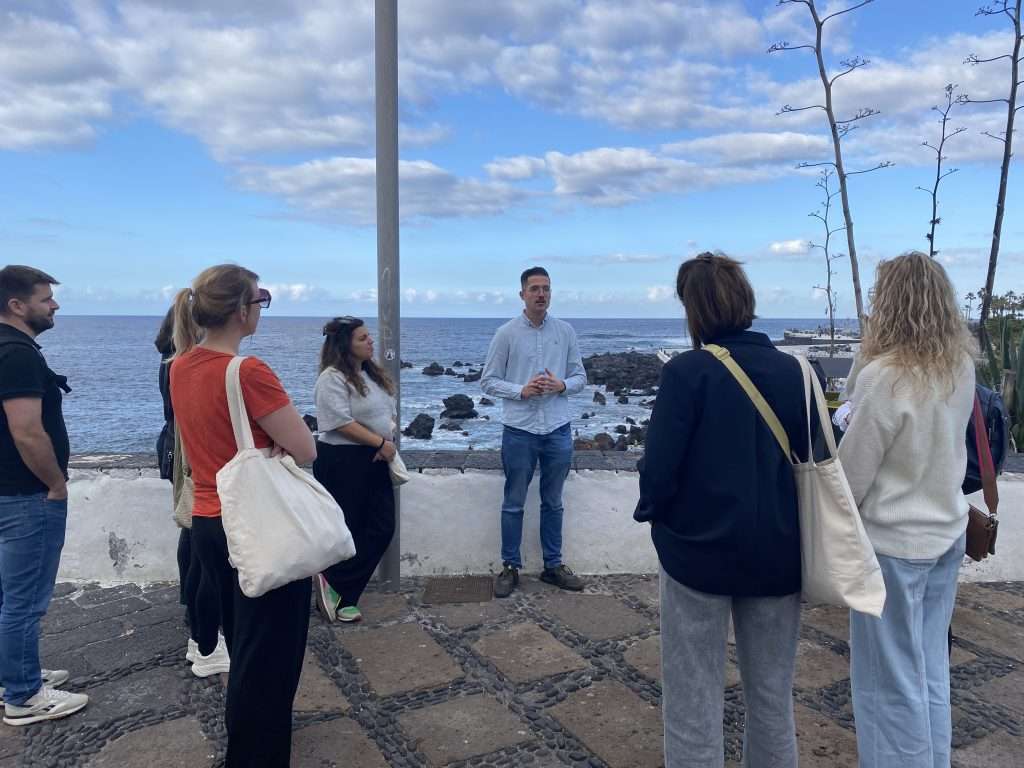
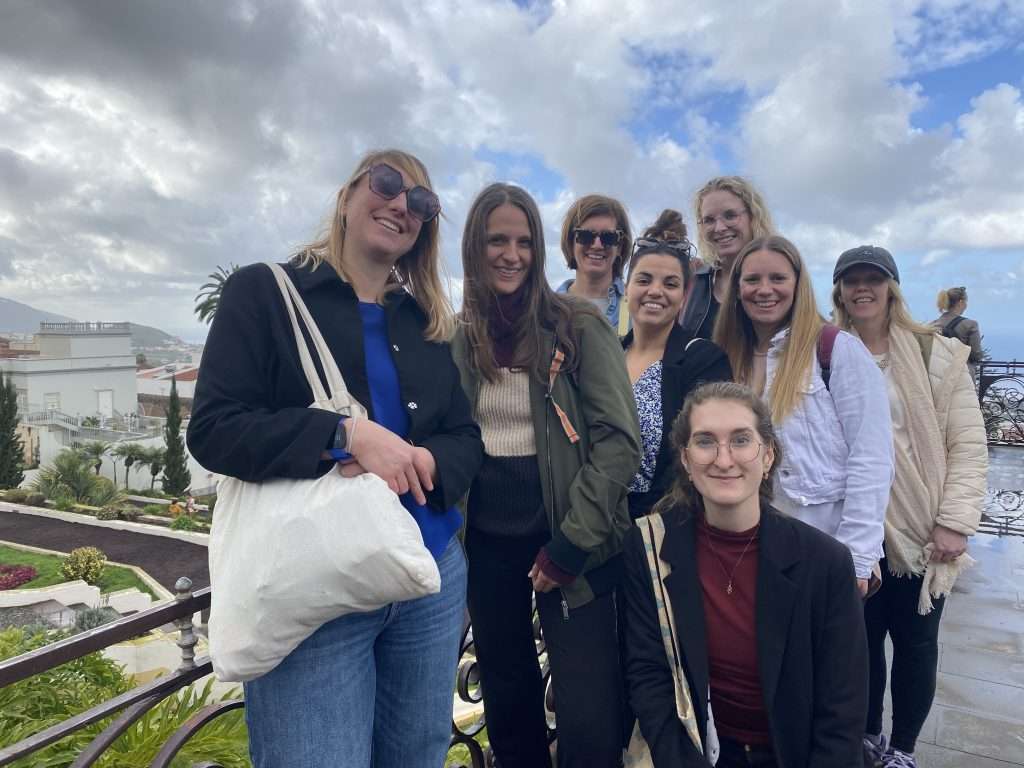
On the concluding day, the group addressed the more complex facets of the coaching mindset, specifically conflict resolution and the delivery of constructive feedback. They explored methods for reframing disputes into opportunities for dialogue and practiced feedback techniques that build resilience rather than discourage effort. These competencies were highlighted as vital tools for supporting students through adversity and helping them reclaim their academic motivation.
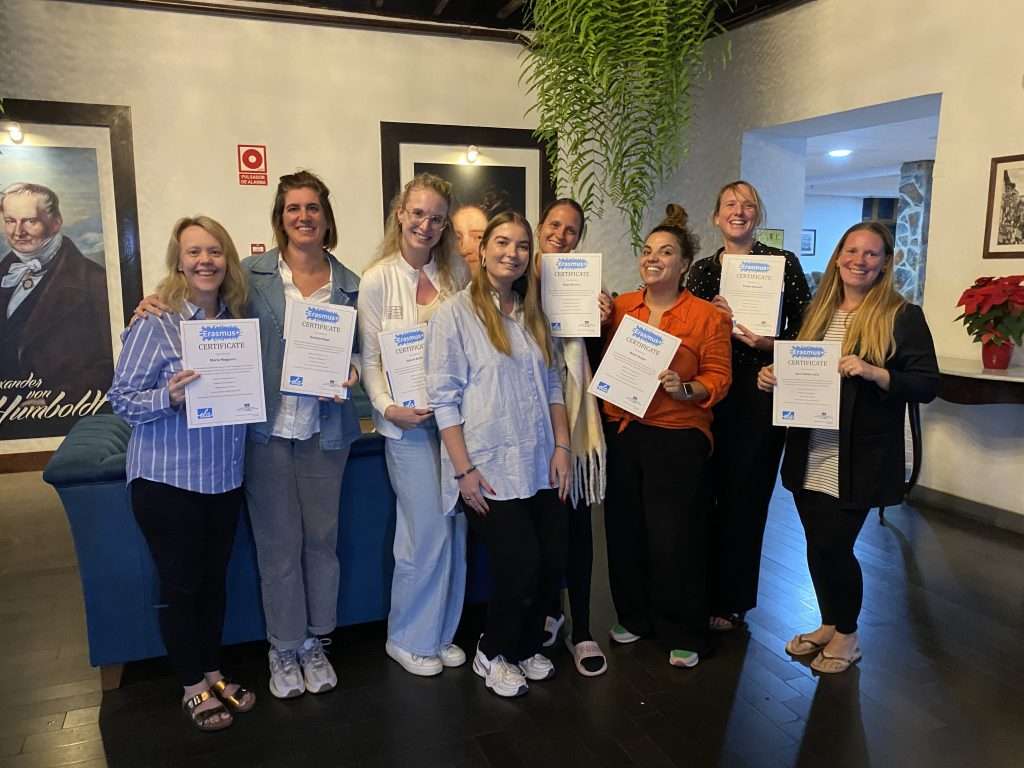
Throughout the week, the cohort exchanged professional experiences and cultural perspectives, sustaining a highly supportive atmosphere. Participants departed Tenerife with renewed inspiration and a practical toolkit, possessing a deeper clarity on how a coaching-led approach can enrich the teaching profession—ensuring students feel recognized, heard, and empowered to achieve their full potential.
Discover more about this course here.
Where this course took place: Erasmus courses for teachers in Tenerife
Planning your own Erasmus+ course? Download the 2026-2027 course catalogue
 English (UK)
 Español
 Italiano
 Deutsch
 Română
 Български
 Čeština
 Ελληνικά
 Polski
 Português
 Français