In real classrooms, language and content rarely exist in isolation. Students read, discuss, and solve problems at the same time — often in a second language. Content and Language Integrated Learning (CLIL) builds on this reality, offering a practical way to combine subject teaching with language development.
From 7 to 13 June 2026, teachers came together in Bologna, Italy, for the Content and Language Integrated Learning (CLIL) course for teachers, organised by the Erasmus Learning Academy and led by Dr. Contrada. The group included Petra Van Bastelaere and Isabel De Jaeger from Sint-Vincentius (College ten Doorn, Eeklo) in Belgium, and Hester Vink from Revius Lyceum Doorn in the Netherlands. Throughout the week, they explored how CLIL can be applied in real classroom settings through collaboration, reflection, and hands-on work.
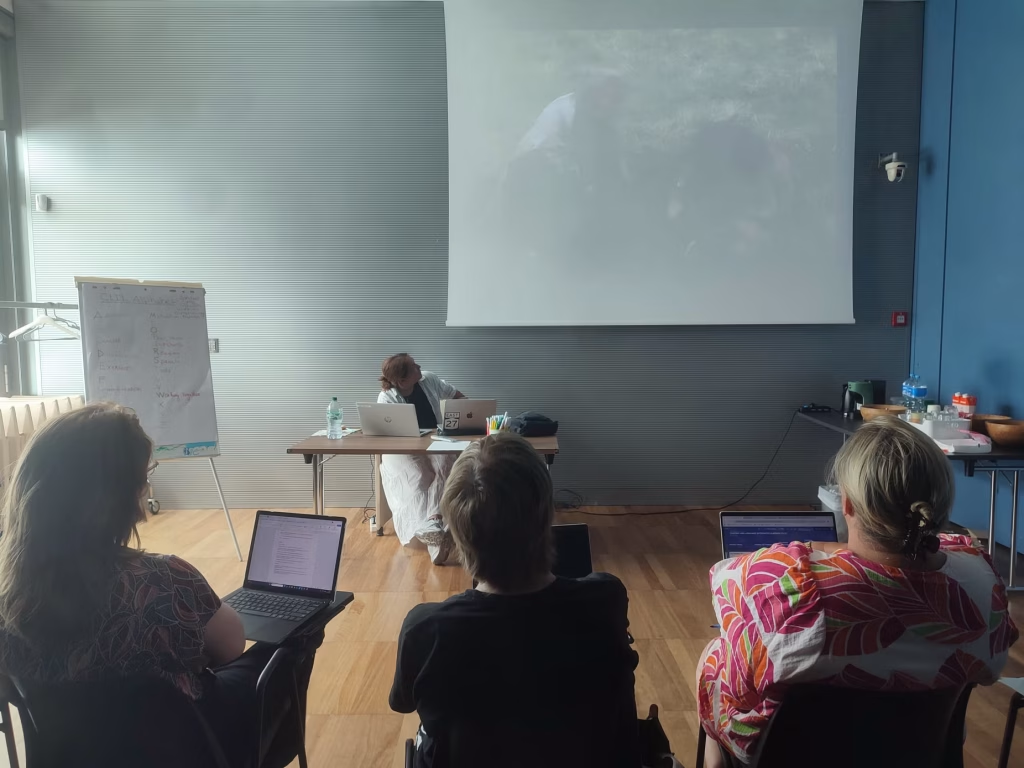
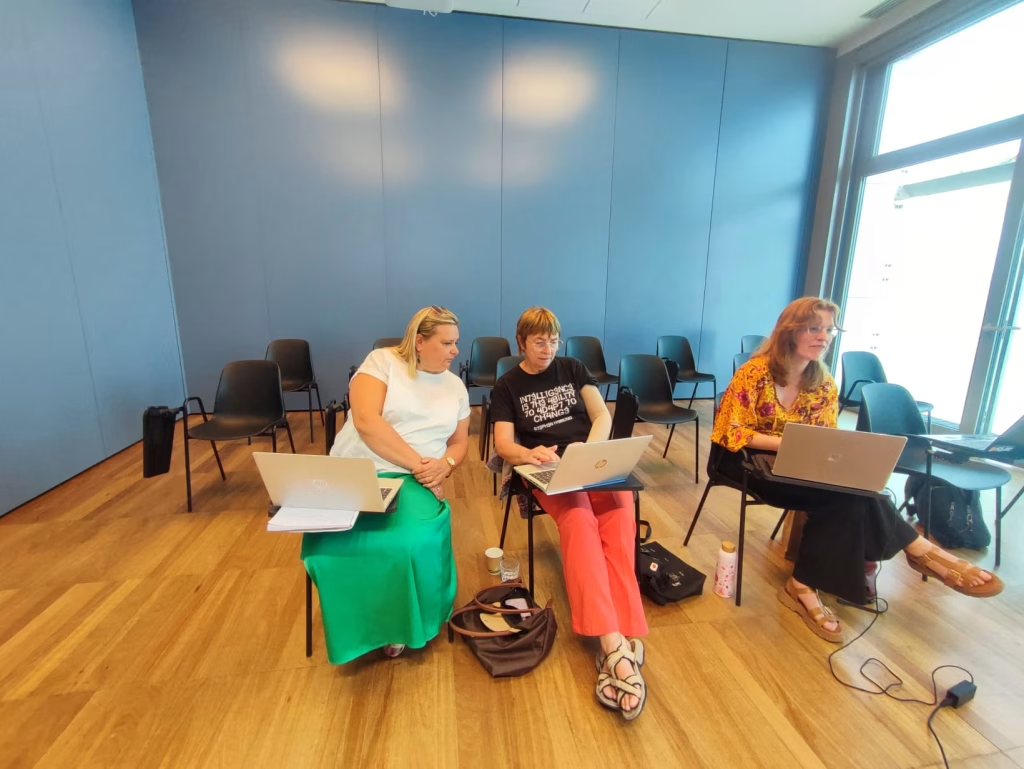
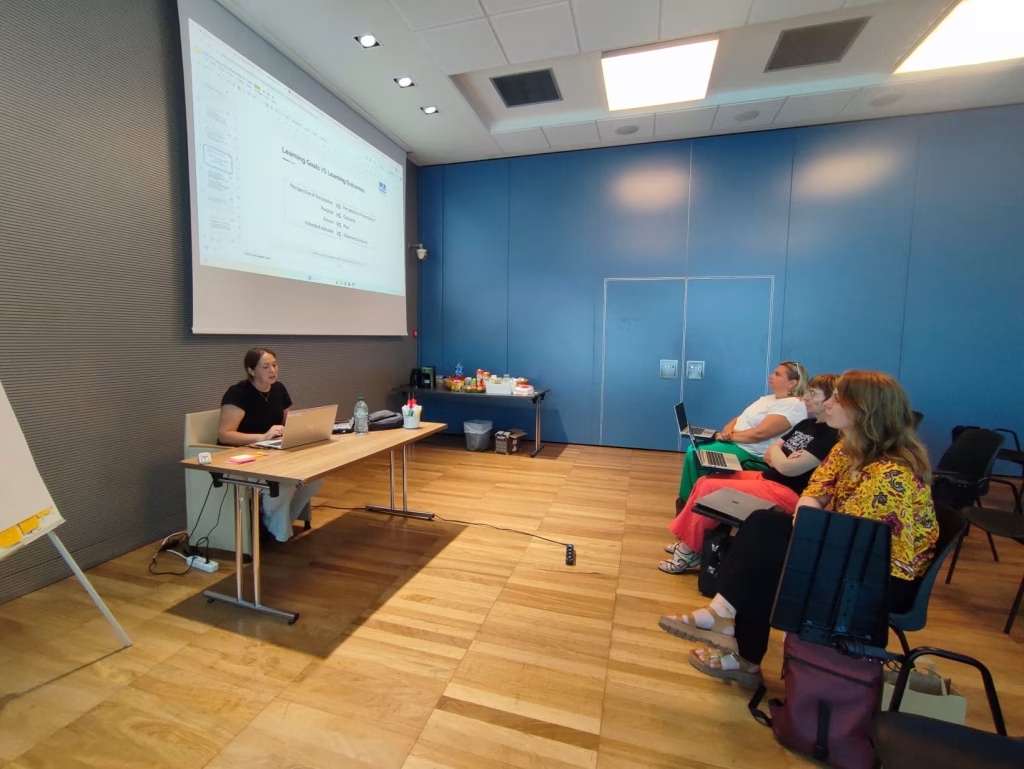
The course opened with icebreakers and group discussions that quickly moved beyond introductions. Participants shared their previous experiences with CLIL, compared teaching contexts, and identified common challenges. This set the stage for a clear and practical overview of CLIL methodology, focusing on its aims and key principles.
The second day introduced interactive and game-based approaches to learning. Participants explored different ways to make lessons more engaging through structured activities such as quizzes, problem-solving tasks, and digital challenges. Working in groups, they began developing lesson ideas, testing how these strategies could support both content understanding and language use.
Midweek sessions focused on the use of texts, videos, and visual materials in CLIL classrooms. Participants examined how to design reading and listening activities that go beyond basic comprehension and encourage deeper engagement. Through collaborative lesson planning, they explored how multimedia content can support both subject learning and communication skills.
The focus then shifted to cooperative learning and peer interaction. Participants explored strategies to make lessons more dynamic, including group-based tasks and experiential activities that require communication and shared responsibility. These sessions highlighted how CLIL naturally supports a more student-centred classroom.
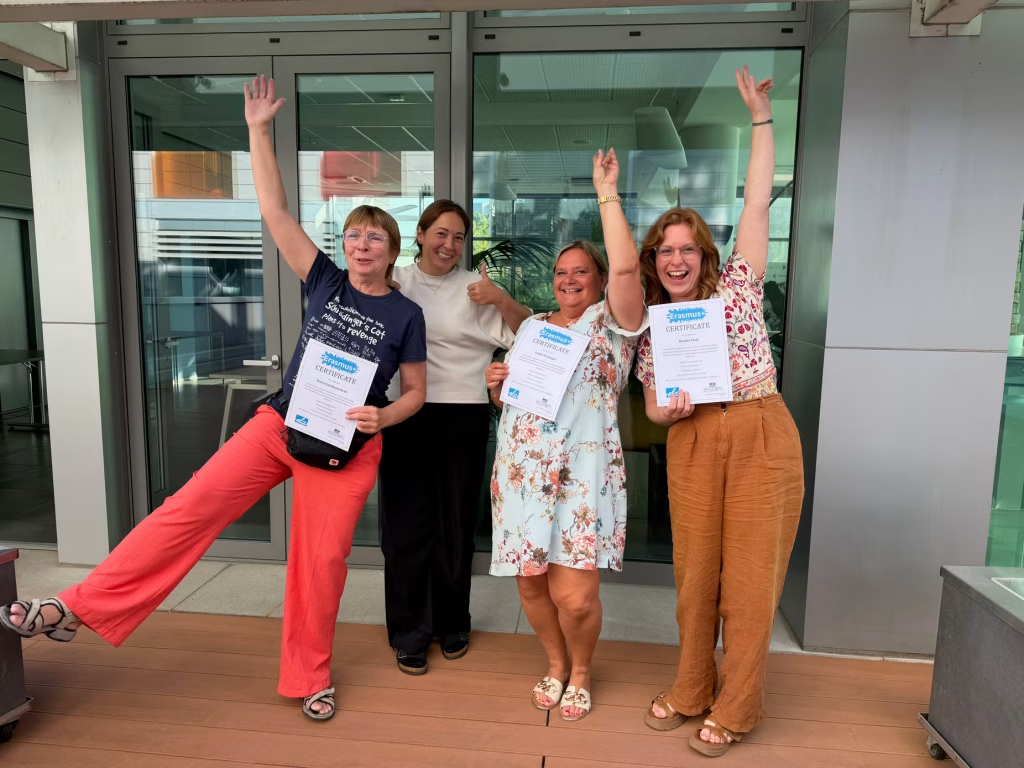
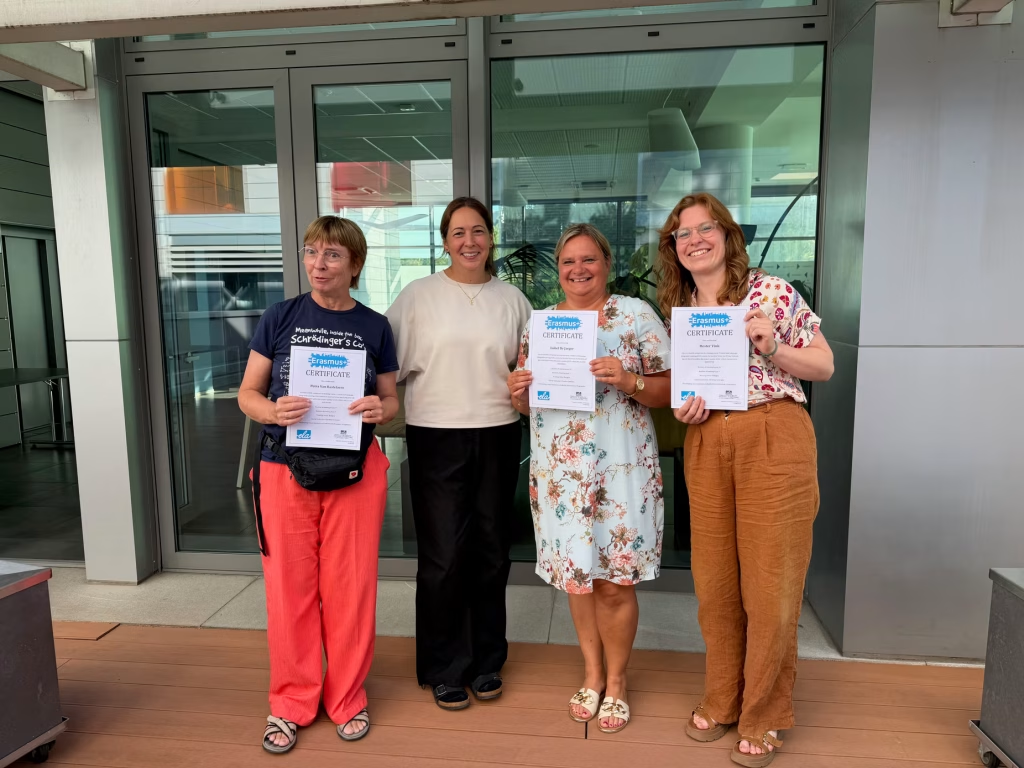
On the final day, attention moved to assessment and application. After exploring formative assessment strategies, participants worked on adapting their ideas into concrete classroom plans. They presented their projects to the group, showing how the week’s learning could be realistically implemented in their own teaching contexts.
The course concluded with final reflections and a certificate ceremony, marking the end of an intensive but collaborative learning experience.
What stood out throughout the week was the balance between theory and practice. Rather than offering ready-made solutions, the course created space for experimentation and exchange. Participants left with practical ideas, adaptable lesson plans, and a clearer understanding of how CLIL can support both language and content learning in meaningful ways.
More info on this course here.
Where this course took place: Erasmus courses for teachers in Bologna
Planning your own Erasmus+ course? Download the 2026-2027 course catalogue
 English (UK)
 Español
 Italiano
 Deutsch
 Română
 Български
 Čeština
 Ελληνικά
 Polski
 Português
 Français