The role of education is not only to transmit knowledge but also to equip learners with practical skills that help them navigate an increasingly digital world. Today, understanding Artificial Intelligence is becoming an essential competency, as AI technologies are integrated into many aspects of everyday life. From communication and entertainment to healthcare and online services, AI tools are transforming the way people interact with technology.
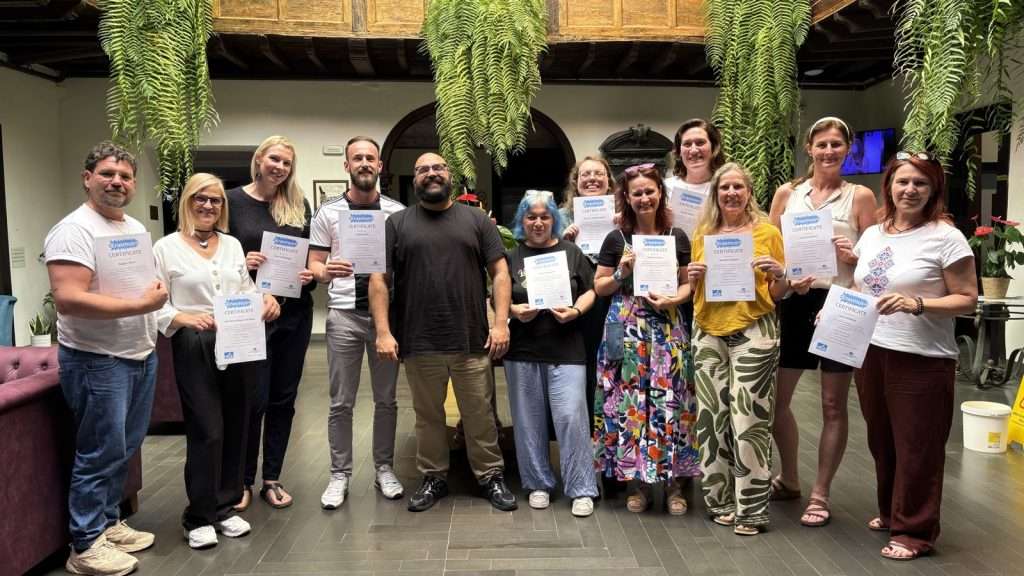
The recent course, “ChatGpt and AI for teachers: Artificial Intelligence in schools and education,” held in Tenerife from May 24-30, 2026, was built upon a fundamental concept. Participants in this course traveled from various European countries. Attendees included Zélia from Agrupamento de Escolas de Vilela in Portugal; Anna from Hamrahlid College in Iceland; Alexandra from Jörg Ratgeb Schule in Germany; Joshua from VHS Aschaffenburg in Germany; Marzia from Younet in Italy; Ruggero and Francesca from IC CENA in Italy; Jana G. and Jana K. from Cirkevná základná škola s materskou školou Jána Krstiteľa, Partizánske in Slovakia; Carolin from Joerg-Ratgeb-Schule Neugereut Secondary School in Germany; and Vera from Marie-Curie Oberschule Dohna in Germany.
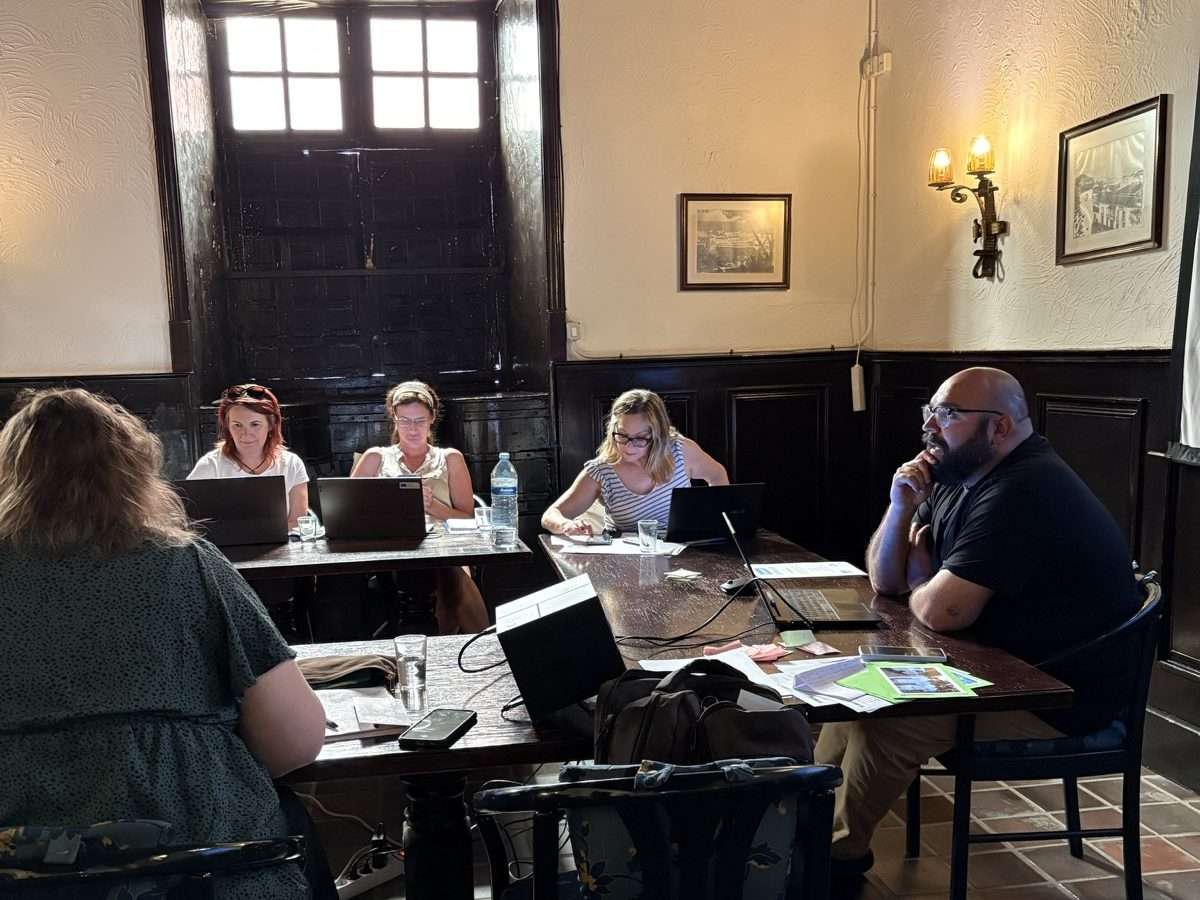
The opening session highlighted the significant impact of Artificial Intelligence (AI) on modern educational environments. Discussions centered on AI’s ability to enhance the learning experience through personalized content delivery, streamlined administrative processes, and the generation of meaningful data-driven insights. Participants explored a range of AI-enabled solutions—including adaptive learning systems, automated assessment tools, and intelligent tutoring applications—and examined effective strategies for incorporating these technologies to strengthen teaching and learning practices.
A key emphasis was placed on the skill of effective prompting when using ChatGPT. As the quality of AI-generated responses largely depends on the quality of user input, developing strong prompting techniques has become an essential capability for educators. Through practical activities, attendees learned how to create detailed, context-specific prompts, enabling them to fully leverage ChatGPT as a valuable instructional resource.
The discussions also addressed the ethical considerations surrounding AI adoption in education, including issues related to algorithmic bias, data protection, and the necessity of clear governance frameworks. Understanding these challenges is crucial to ensuring that AI systems are implemented in ways that are fair, transparent, and beneficial to learners from diverse backgrounds. Awareness of these factors helps guarantee that technology remains an inclusive and equitable educational tool.
In addition, the course emphasized the connection between AI-powered ICT resources and the promotion of collaboration, creativity, and critical thinking among students. Participants were encouraged to review a variety of ICT tools and assess how AI functionalities could be utilized to further improve educational outcomes. This approach seeks to connect conventional digital resources with emerging intelligent learning assistants.
The transformation of assessment practices in the age of AI was another major topic of discussion. Attention was given to innovative approaches that employ AI to support formative assessment, provide immediate feedback, and enable more personalized instruction. Throughout the session, considerable focus was placed on AI’s capacity to create more customized, efficient, and learner-centered assessment methods.
Finally, the training week fostered a dynamic and collaborative learning community in which participants exchanged international perspectives and shared professional expertise. This interactive atmosphere played a vital role in developing both AI and coaching competencies, offering educators valuable opportunities to apply newly acquired knowledge and skills within their own educational contexts.
Discover more about this course here.
Where this course took place: Erasmus courses for teachers in Tenerife
Planning your own Erasmus+ course? Download the 2026-2027 course catalogue
 English (UK)
 Español
 Italiano
 Deutsch
 Română
 Български
 Čeština
 Ελληνικά
 Polski
 Português
 Français