Artificial Intelligence is becoming part of everyday school life, changing the way students learn, search for information, and interact with digital content. For teachers, the real challenge is understanding how to use these tools critically, responsibly, and meaningfully in the classroom. This was the focus of the course “ChatGPT and AI for Teachers: Artificial Intelligence in Schools and Education”, held in Athens from 10 to 16 May 2026.
The course brought together teachers and education professionals from different European countries: Sabrina, Virginia and Silvia from Istituto Comprensivo A. De Filis (Italy); Mário, Sónia, Paulo, Carla Isabel and Carla Maria from Agrupamento de Escolas de Proença-a-Nova (Portugal); Iana, Antonella and Antonina from Istituto Comprensivo Luigi Capuana (Italy); María Asunción from IES Carmen de Burgos Seguí (Spain); and Beatrice from Liceo Scientifico Statale Leonardo Brescia (Italy).
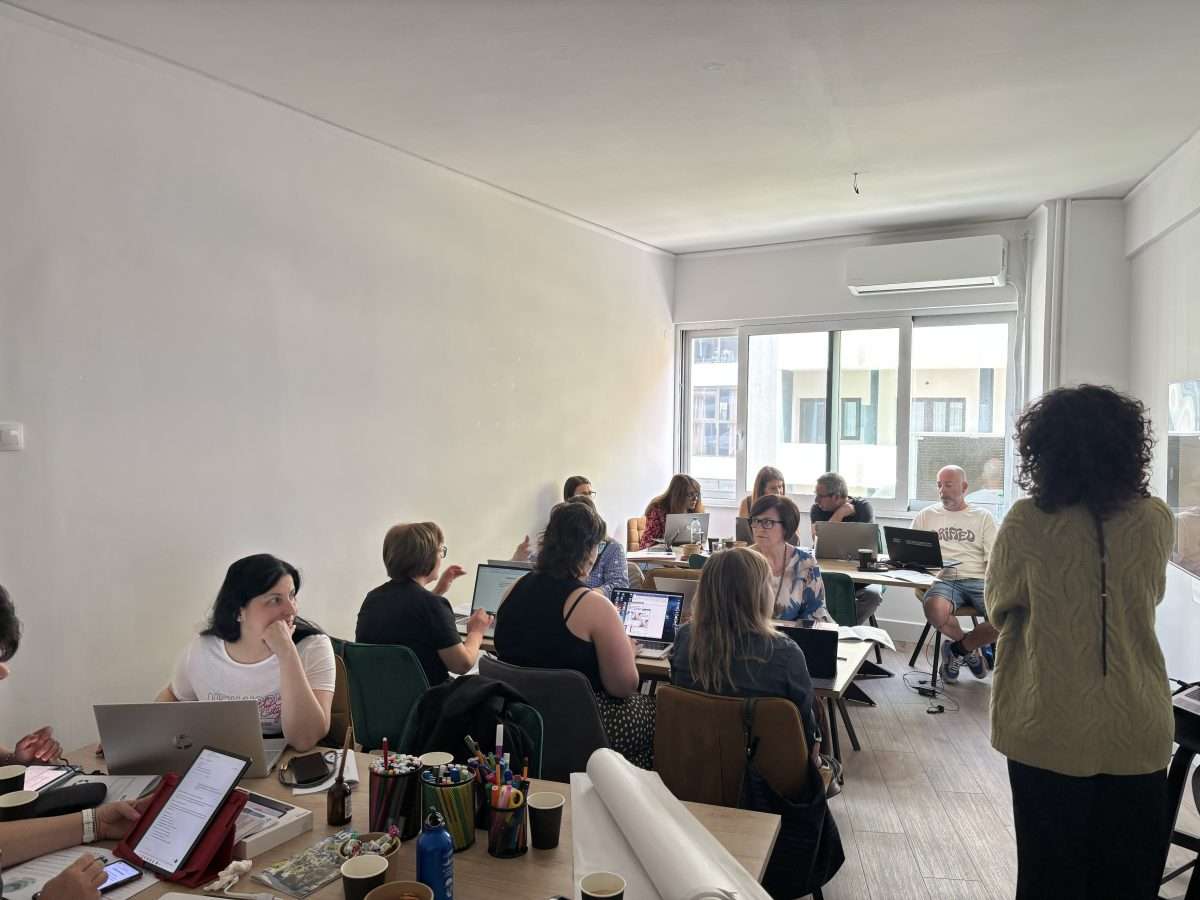
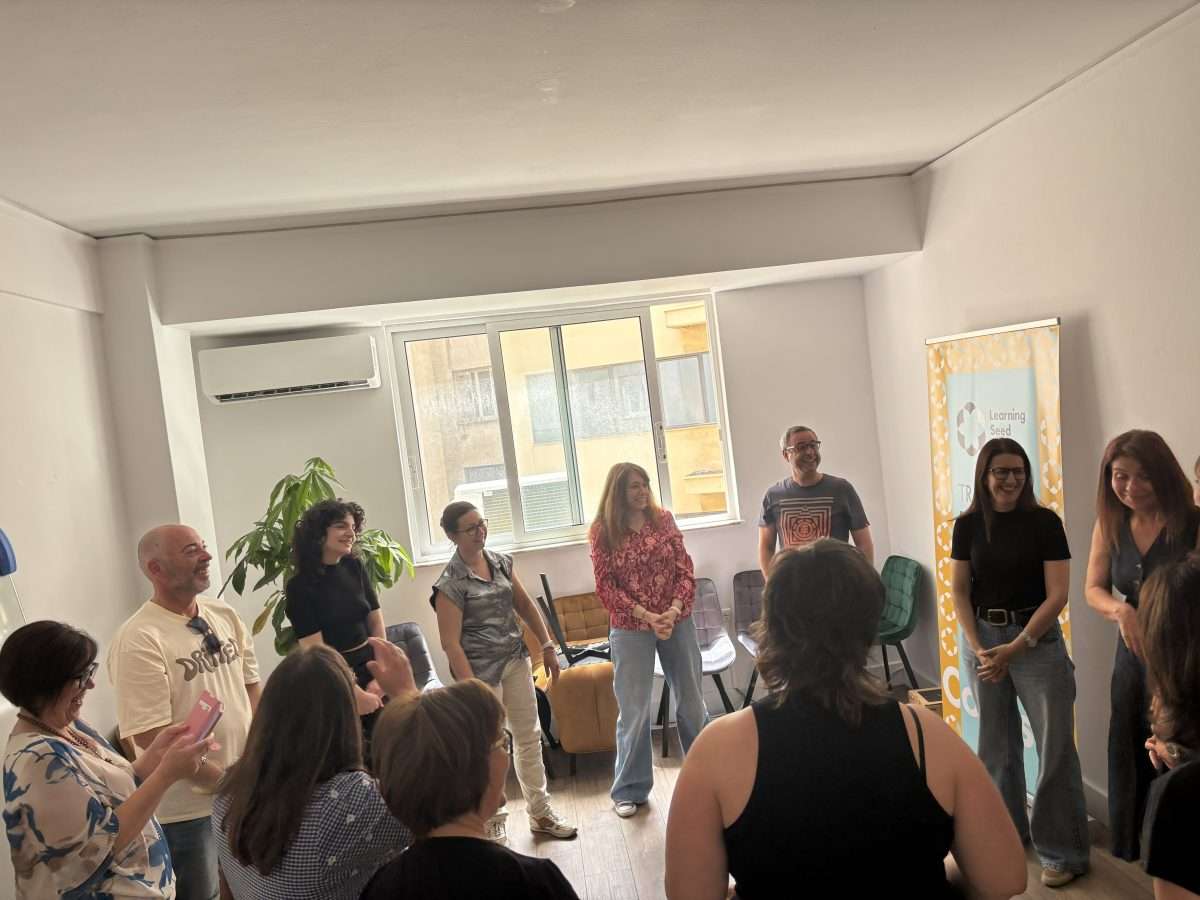
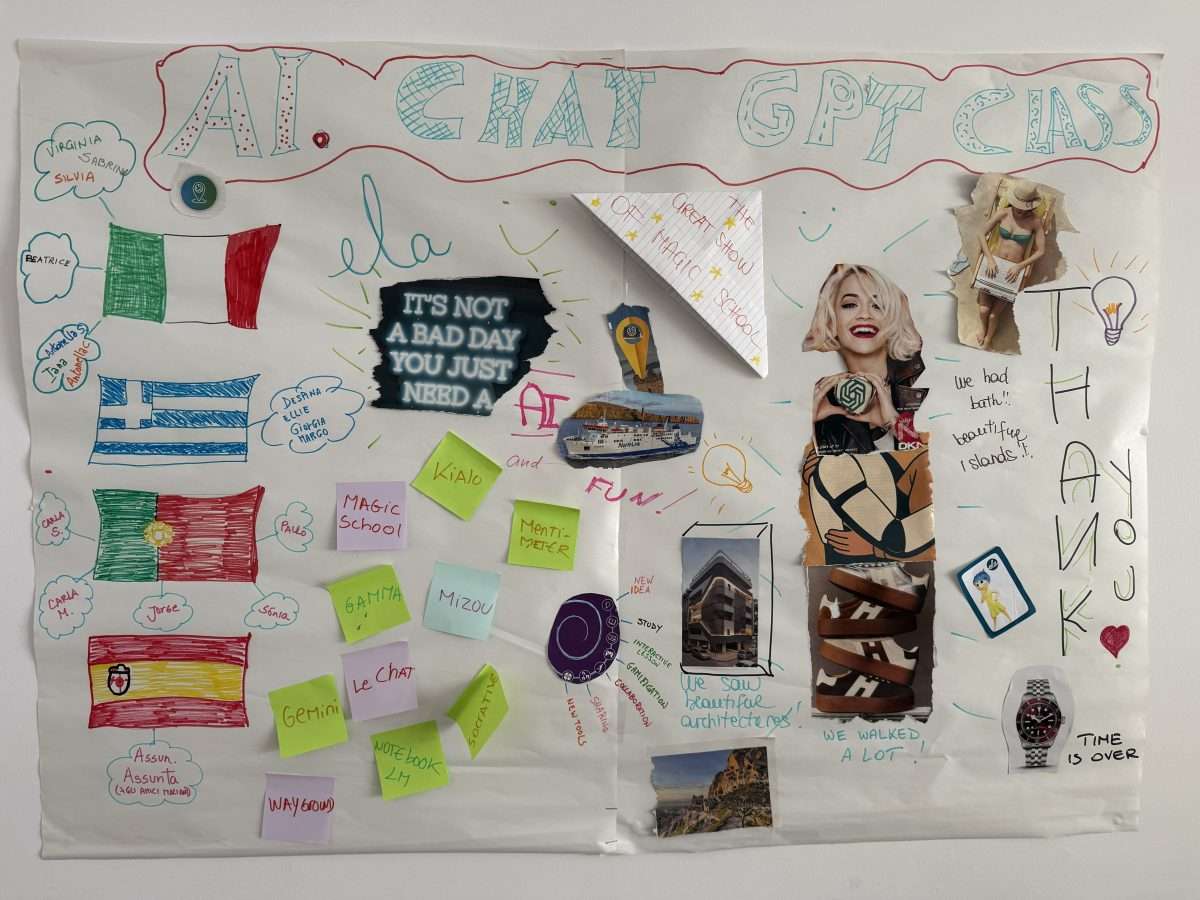
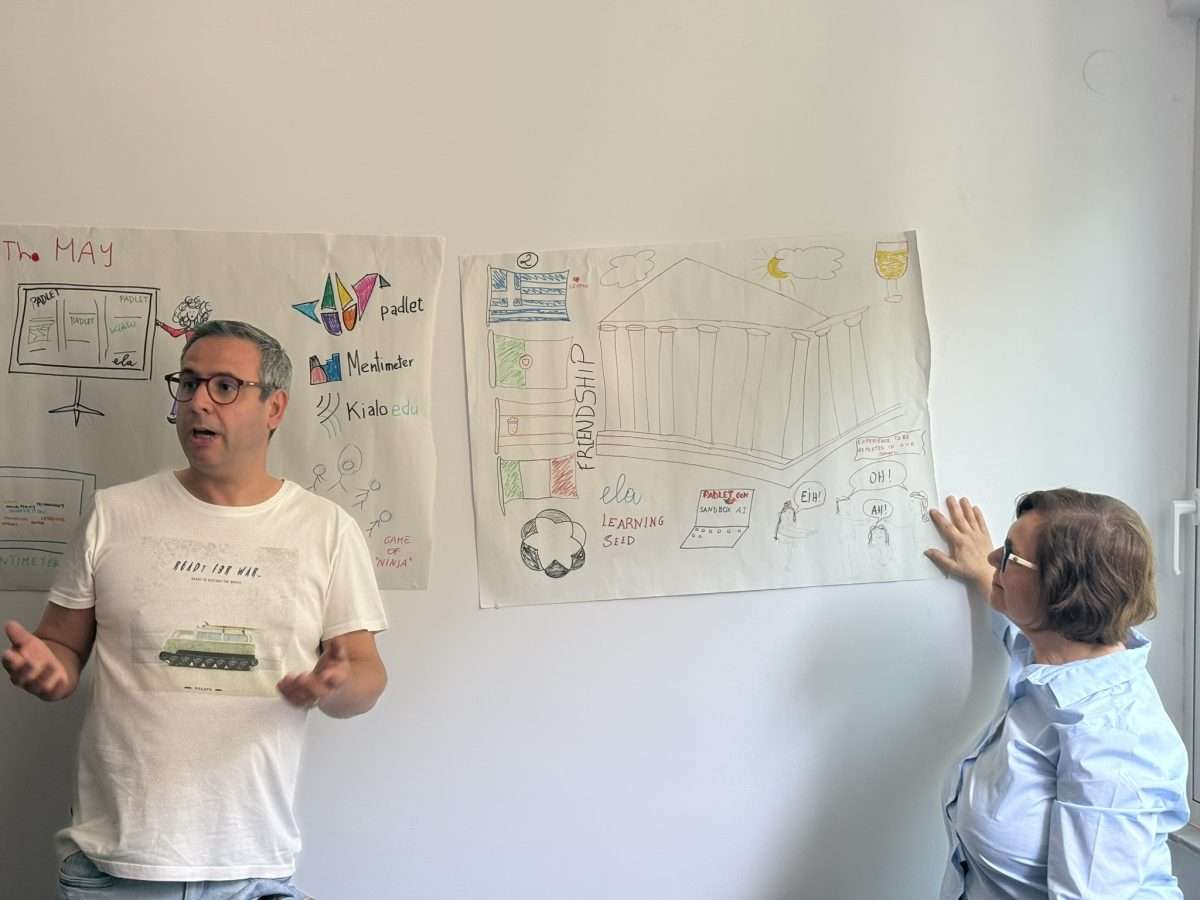
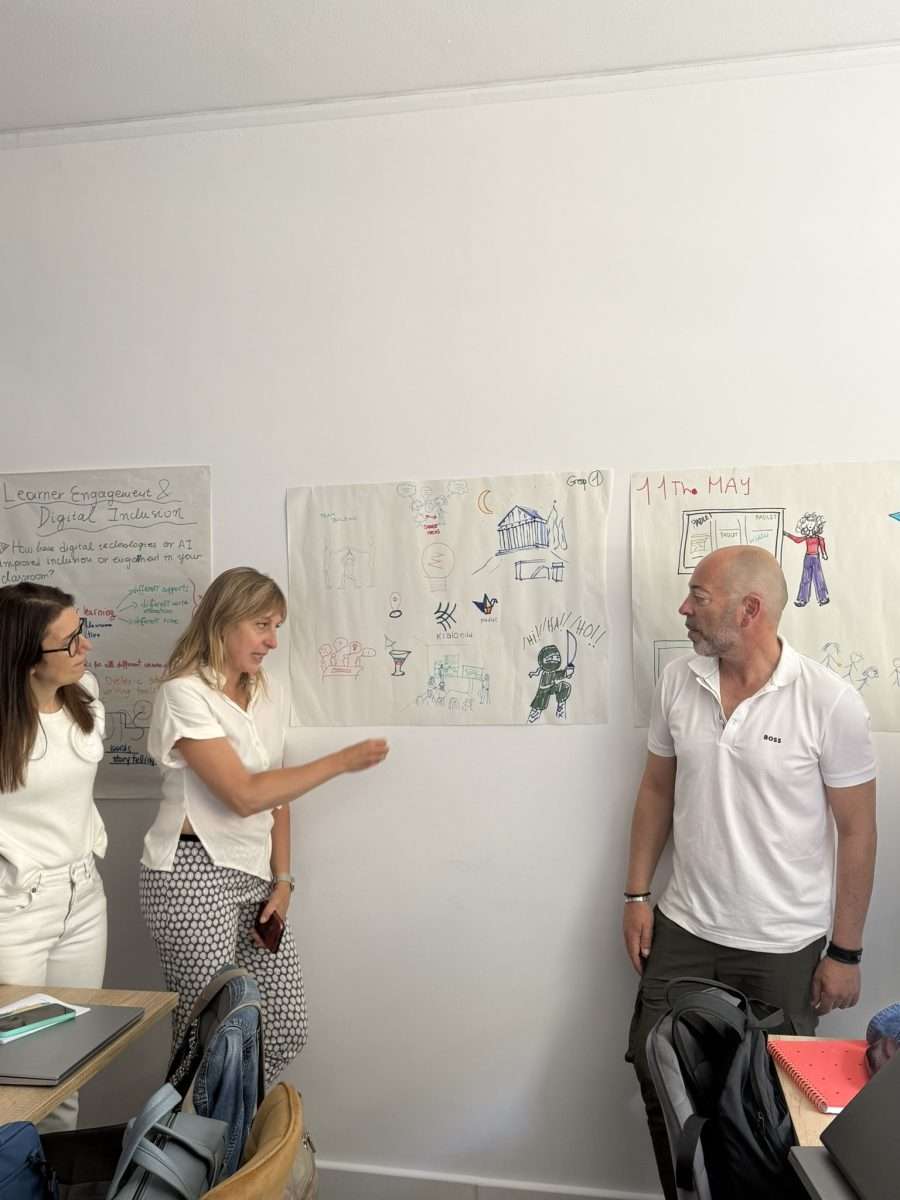
The week started with school presentations, introductory activities, and a cultural visit around Athens, creating a relaxed and collaborative atmosphere among participants.
The first training sessions focused on the foundations of AI and its role in education. Through interactive activities, collaborative brainstorming, et creative digital exercises, participants explored machine learning, generative AI, and the evolution of digital pedagogies. Discussions centred on how AI can support participation, creativity, and differentiated learning rather than replace traditional teaching practices.
Later in the week, the focus shifted to conversational AI and chatbots. Participants experimented with different educational applications, reflected on how language shapes AI responses, and discussed both the opportunities et limitations of AI-generated content. Practical activities encouraged teachers to connect these tools with real classroom situations, from lesson preparation to student support and language learning.
Another important part of the course explored ethical issues linked to AI in education, including algorithm bias, misinformation, deepfakes, et l’esprit critique. Participants reflected on the changing role of teachers in helping students evaluate information critically and use AI responsibly. European regulations and classroom concerns related to assessment and privacy were also discussed.
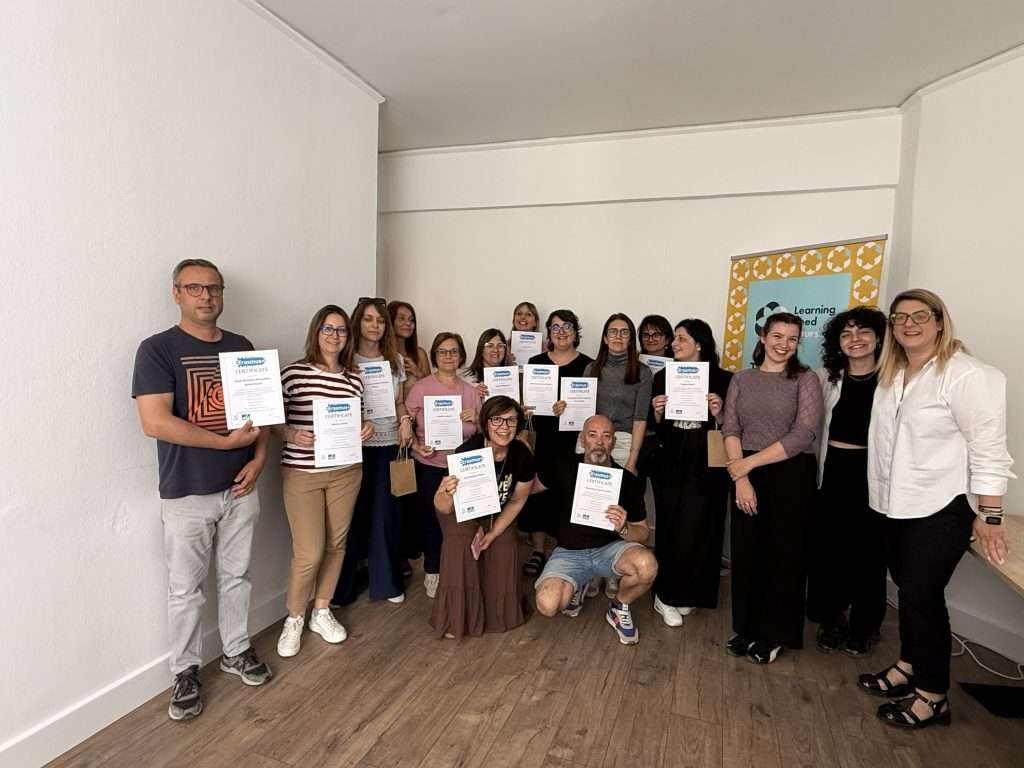
The final sessions focused on assessment, classroom engagement, and creative reflection activities. Throughout the week, participants not only discovered new digital approaches, but also exchanged experiences, ideas, and perspectives from their different educational contexts.
The course ended with final feedback and a certification ceremony, leaving participants with practical tools, new professional connections, and a deeper understanding of how AI can be integrated thoughtfully into teaching and learning.
.Discover more about this course ici.
Where this course took place: Erasmus courses for teachers in Athens
Planning your own Erasmus+ course? Téléchargez le catalogue des formations 2026-2027
 English (UK)
 Español
 Italiano
 Deutsch
 Română
 Български
 Čeština
 Ελληνικά
 Polski
 Português
 Français