School programs are full of projects and initiatives designed to teach in more innovative and engaging ways. Yet too often, they end up feeling like extra work for teachers and activities that students don’t truly enjoy. So how can we create projects that are both fun and motivating for students, while also being practical and efficient for teachers?
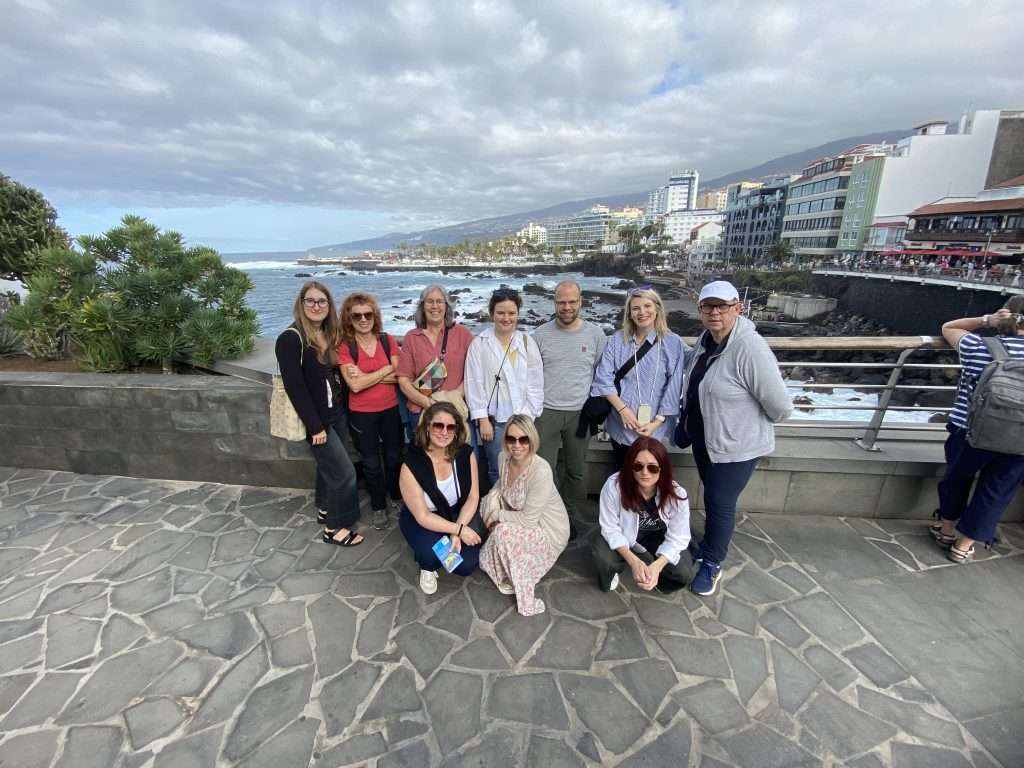
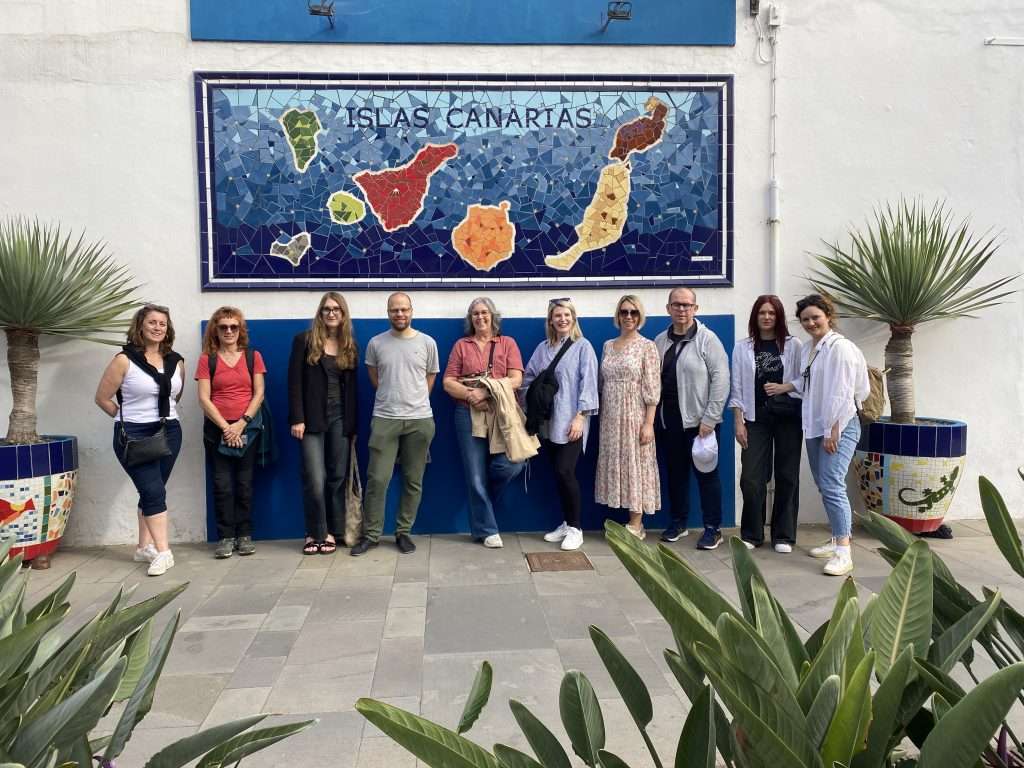
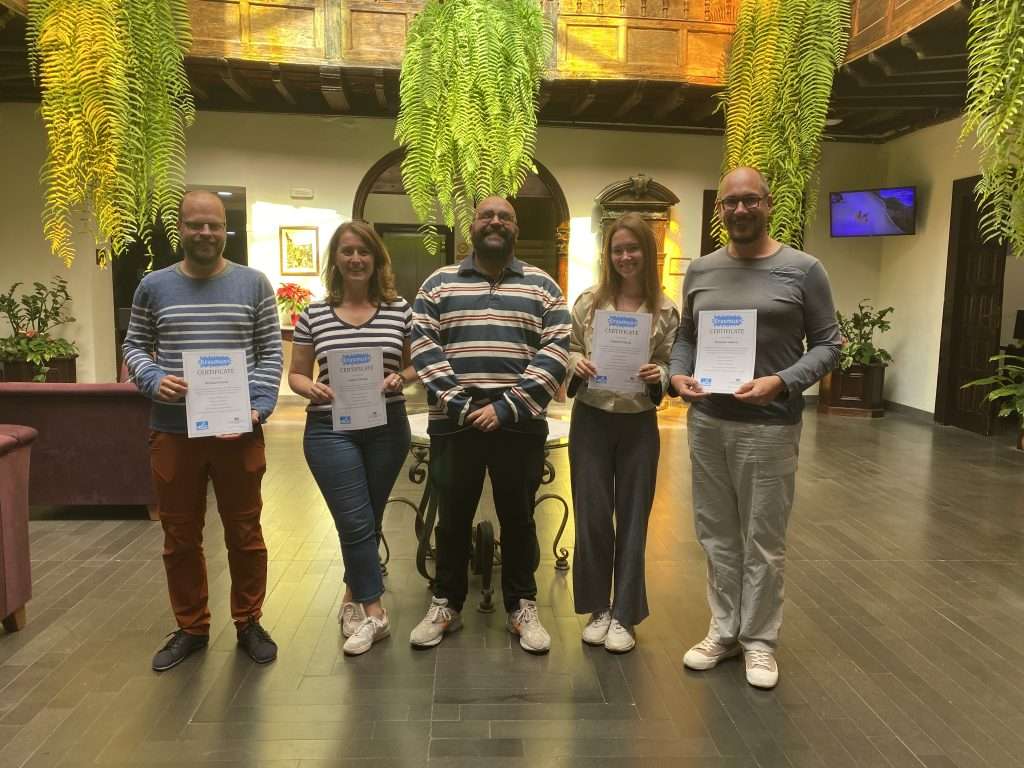
With this question in mind, the new edition of the course “Introducing Project Based Learning in the Classroom” a eu lieu à Tenerife de 08/02/2026 to 14/02/2026. The participants came from all across Europe, with Alexander from Gymnasium der Stiftung Theresianische Akademie in Austria, Bernhard from Fachober- und Berufsoberschule München in Germany, Gabriela from Zagreb muscular dystrophy society in Croatia, Sophie from Henallux in Belgium.
In the first days of the course, participants explored the main concepts of Project-Based Learning (PBL), focusing on its key elements. Using case study videos, they analyzed real projects and quickly realized that PBL is not just “any project” — it is a structured teaching approach with its own rules and methods.
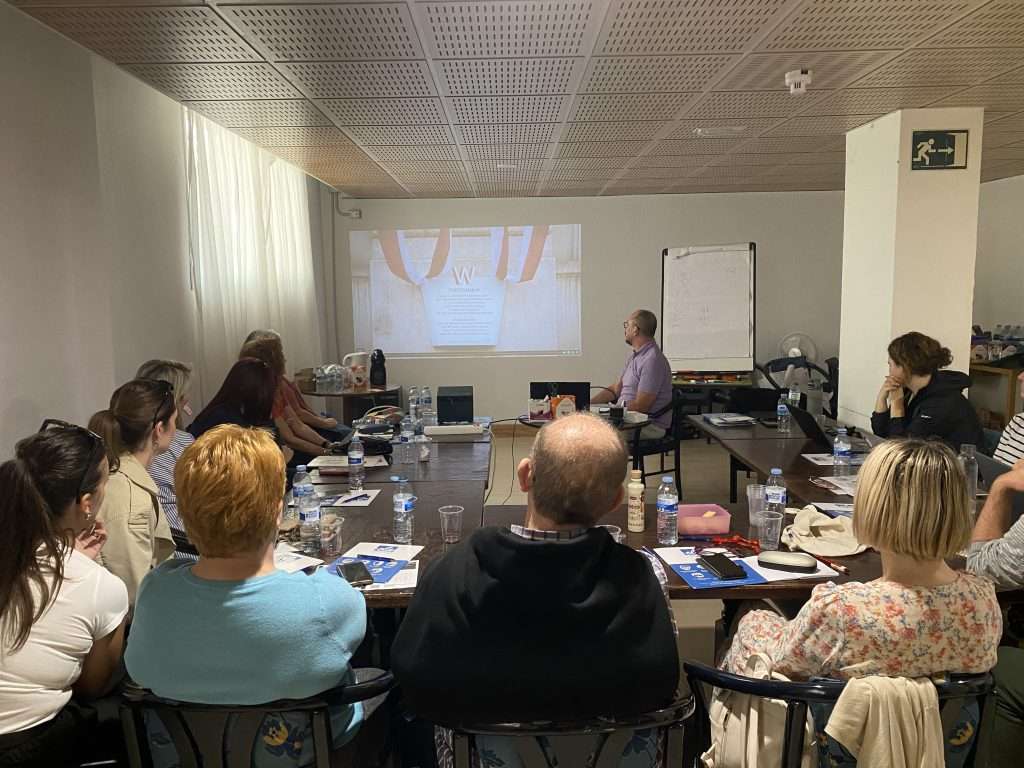
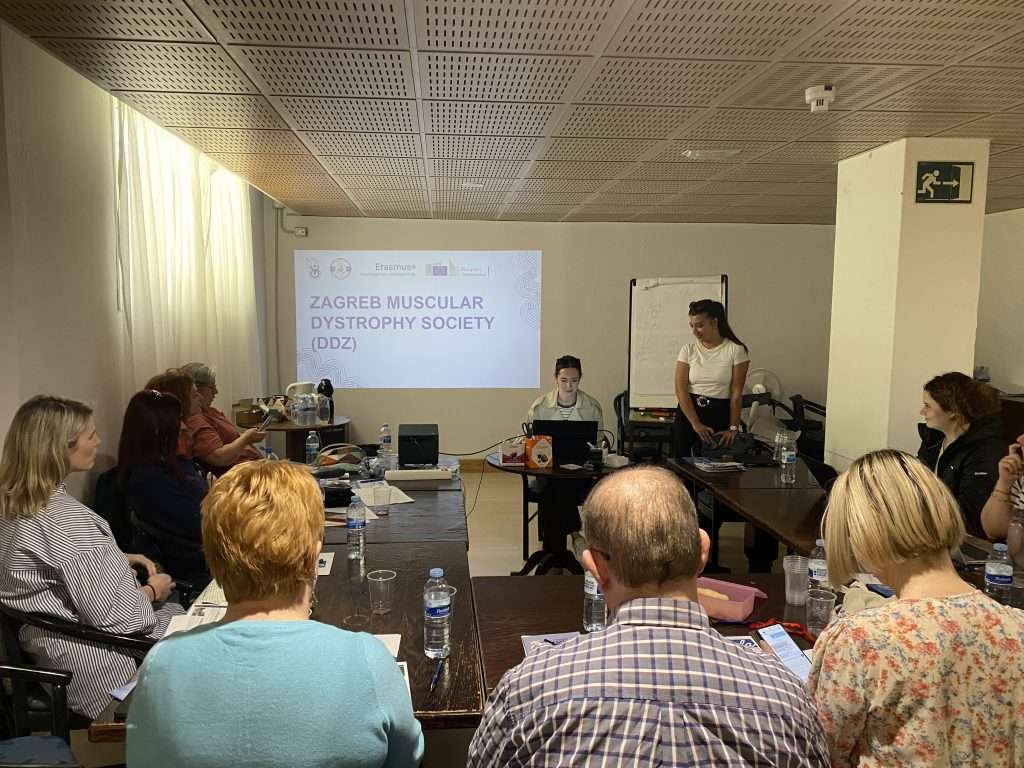
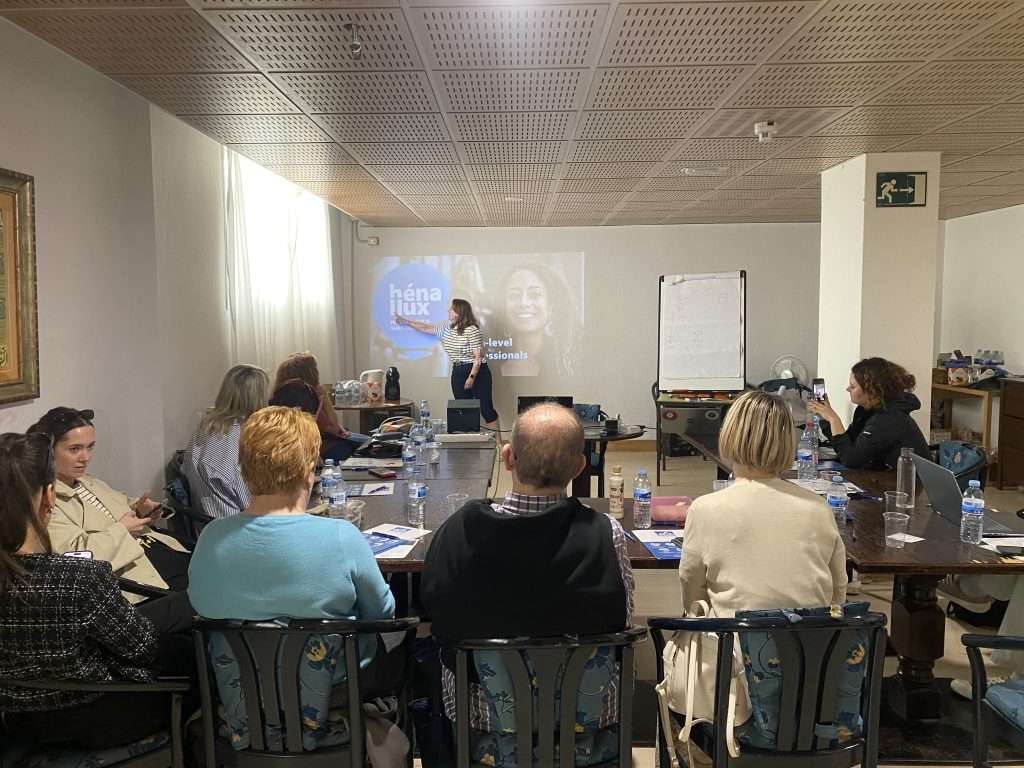
The course began with preparing the class for PBL. Through reflection and discussion, teachers recognized the importance of equipping students with the right skills and attitudes, such as curiosity, critical thinking, inquiry, and especially collaboration.
Next, participants learned about defining learning outcomes and applying “backward design.” They discovered that a PBL project should be rooted in the curriculum, rather than added as extra work at the end of a unit.
Creating the Driving Question and project details was another focus. The Driving Question serves as the central challenge that motivates students’ learning. In seeking solutions, students engage in research and inquiry that naturally guide them to the key concepts of the subjects involved.
Assessment was also addressed, with discussions on how to evaluate student progress, particularly in group work. Teachers explored the difference between formative and summative assessment, realizing that formative assessment is especially useful for tracking ongoing learning and guiding improvement.
The role of ICT tools in supporting PBL was emphasized as well. Participants practiced using technology to make projects more interactive, efficient, and engaging for students.
What made the learning experience truly effective was the opportunity to create their own PBL projects throughout the week. Each day, after discovering a new element of PBL, teachers worked in groups to design a project suited to their students’ age and needs. This hands-on approach not only helped clarify doubts but also encouraged idea-sharing and collaboration with colleagues from other countries.
En savoir plus sur ce cours ici.
Where this course took place: Erasmus courses for teachers in Tenerife
Planning your own Erasmus+ course? Téléchargez le catalogue des formations 2026-2027
 English (UK)
 Español
 Italiano
 Deutsch
 Română
 Български
 Čeština
 Ελληνικά
 Polski
 Português
 Français