Good teaching is not only about what happens at the front of the classroom. It is also about creating opportunities for learners to participate, explore, make connections, and take an active role in the learning process. The course “Innovative Teaching Methods for teachers and school education staff” focused on practical approaches that can help educators bring more variety, interaction, and purpose into their everyday teaching. Throughout the week, participants explored different methodologies and had the chance to experience them directly rather than simply discussing them in theory.
The course took place from 13 to 19 September 2026 in Bologna, and brought together five participants from Germany and Poland. Eckardt, Karl-Wilhelm and Bettina, from Bayerischer Volkshochschulverband e.V., Germany, joined Bożena and Marta, from Zespół Placówek Oświatowych w Ciecierzynie, Poland. Their different professional backgrounds and educational contexts provided a useful basis for exchanging ideas, comparing experiences, and considering how the methods introduced during the course could be adapted to different school environments.
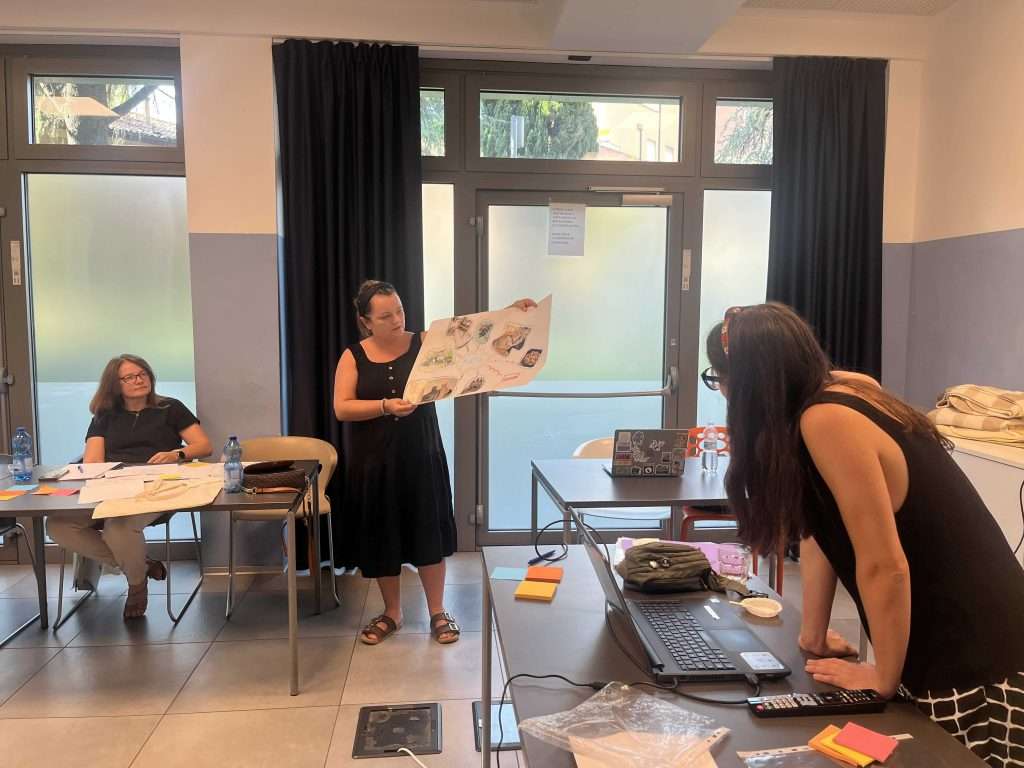
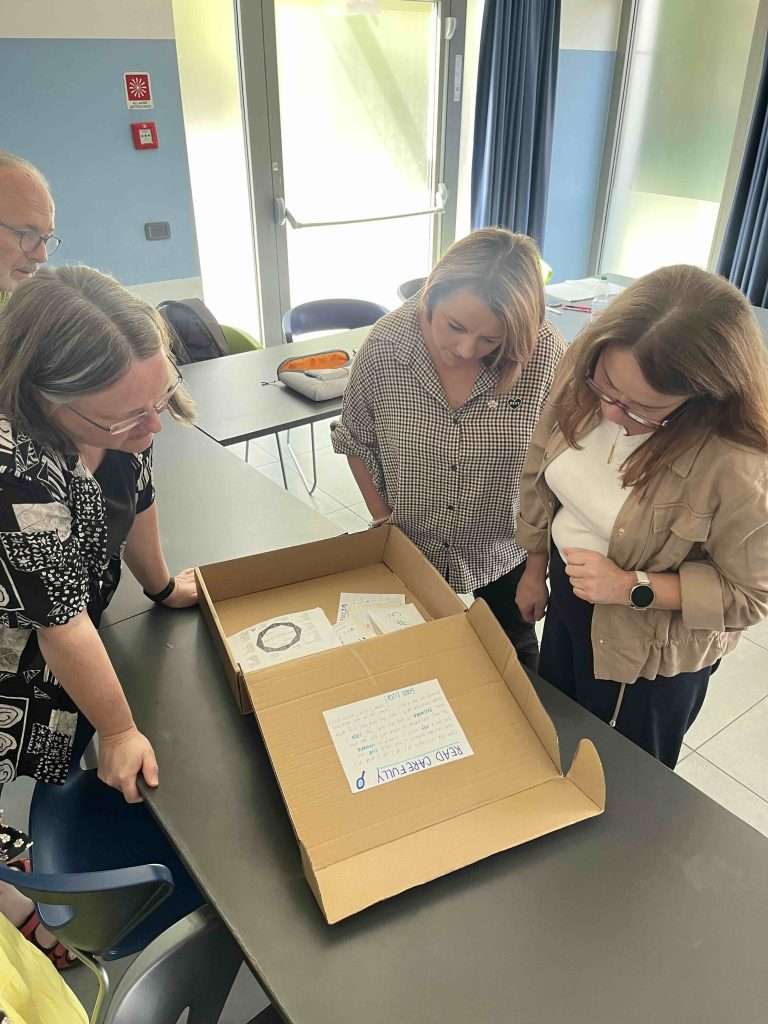
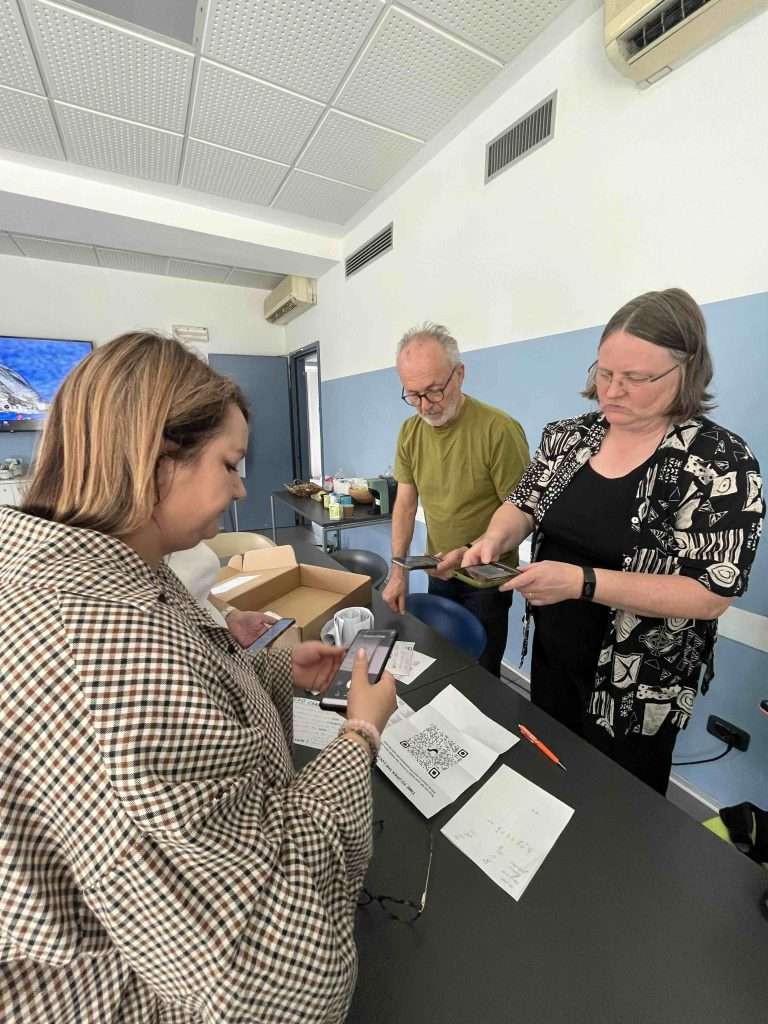
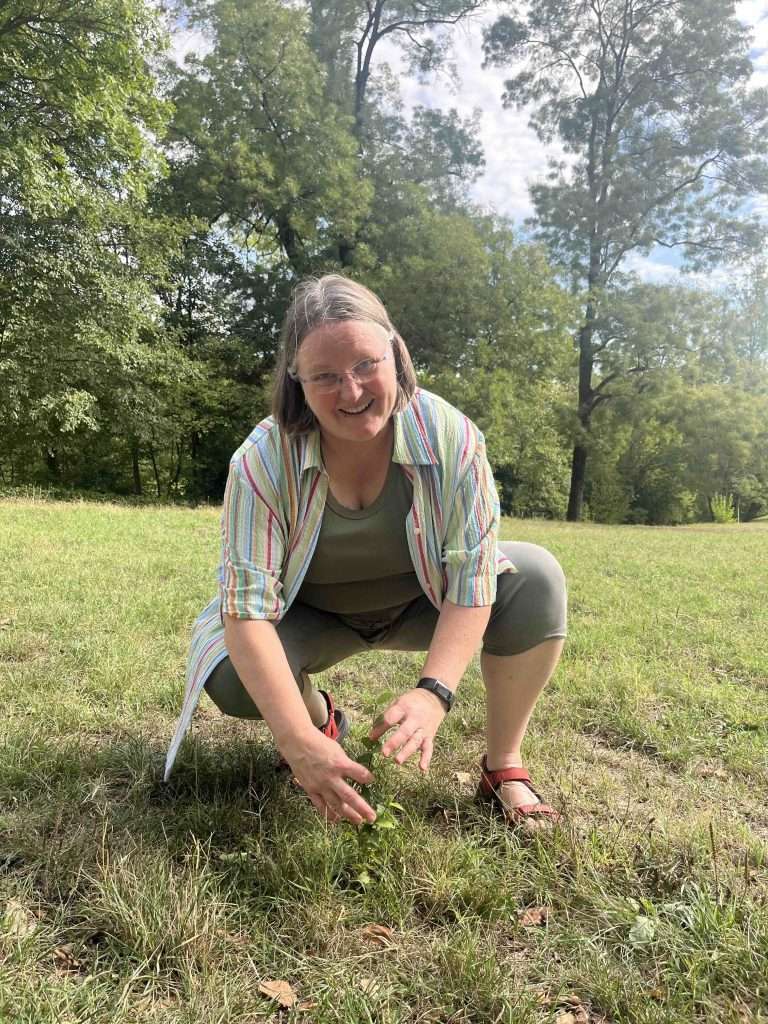
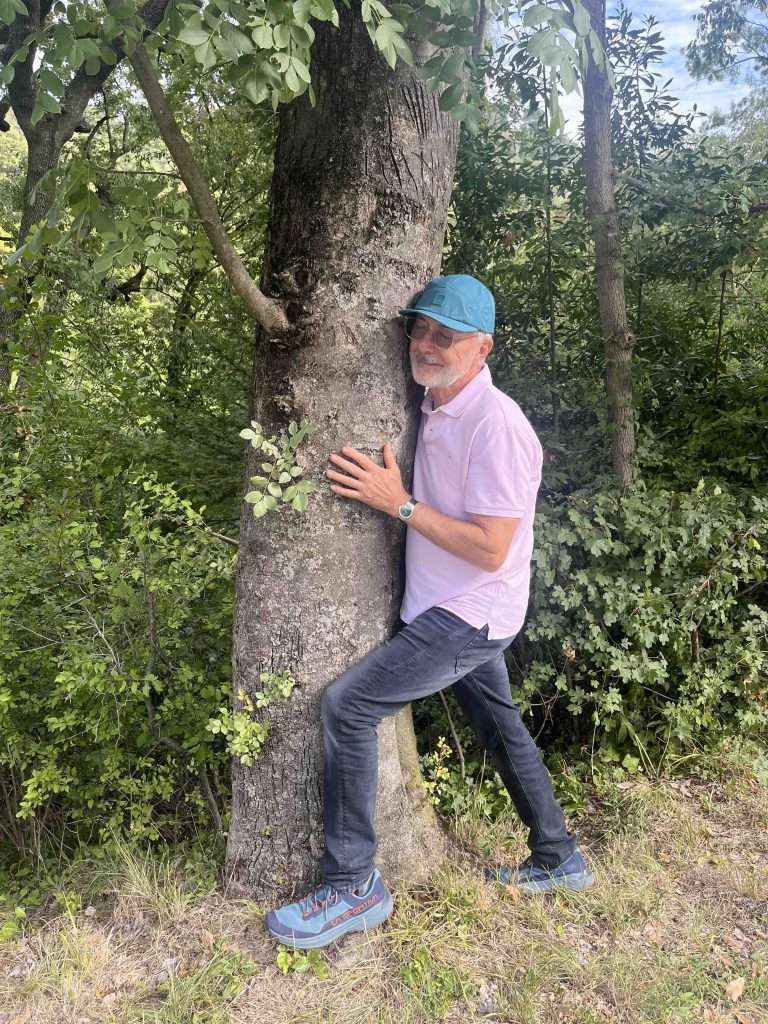
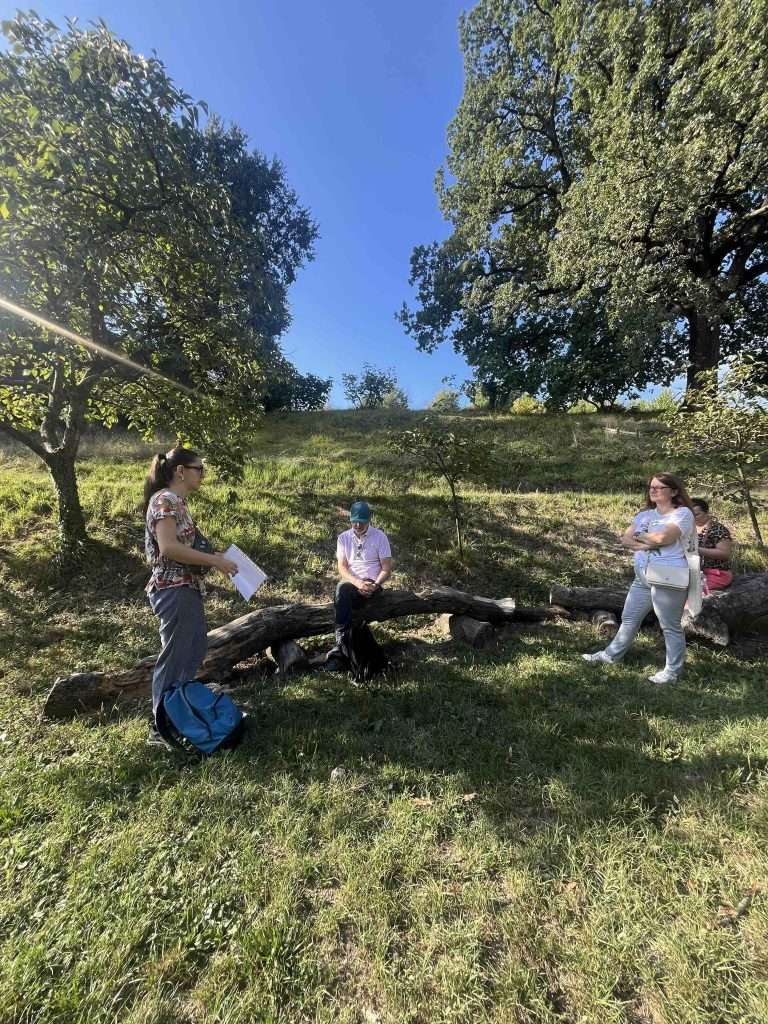
The training began with getting to know each other, sharing expectations, and exploring the differences between formal, informal, and non-formal education. Through practical non-formal activities, participants experienced some of the principles themselves and reflected on how these approaches can encourage communication and active participation.
The focus then moved to Apprentissage par projet, with participants exploring how to structure projects, develop effective driving questions, and design realistic lesson plans. The aim was to understand how students can become more actively involved through investigation, collaboration, and problem-solving.
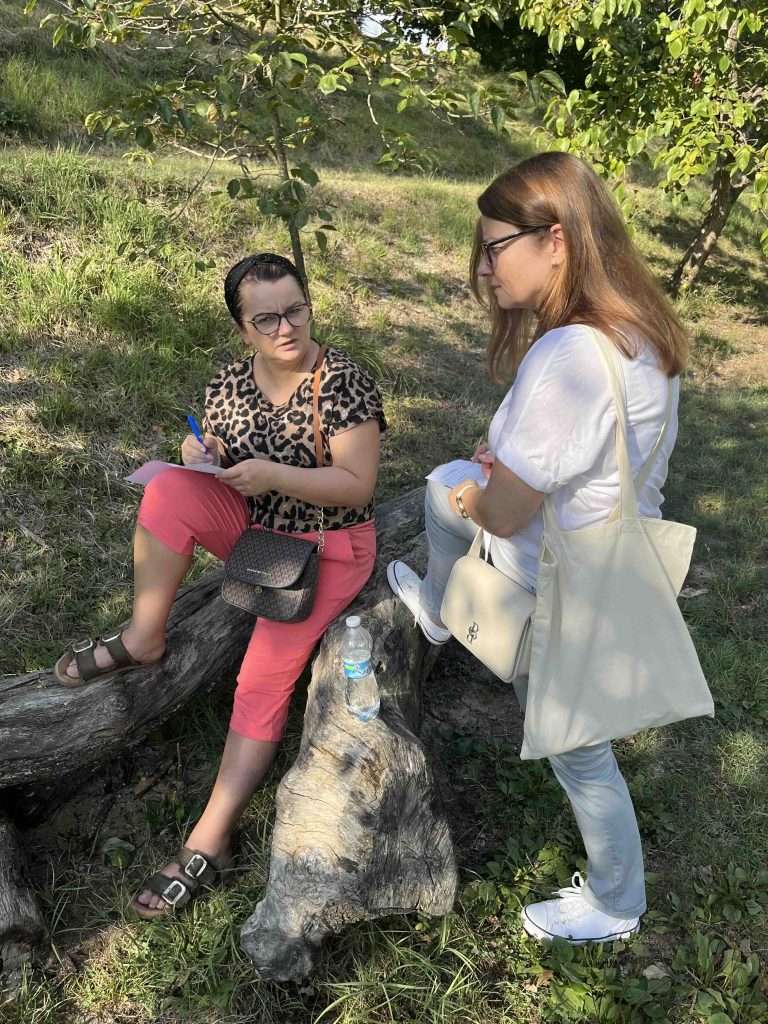
Another important part of the week was éducation en plein air. Through group activities, energizers, and experiential tasks in Parco di Villa Ghigi, participants explored how natural and outdoor environments can support learning, cooperation, observation, and problem-solving. They also experienced how learning can take place beyond the traditional classroom.
The course continued with gamification, looking at the difference between gamification and game-based learning and exploring ways to make lessons more engaging. Participants also worked on the creation of a digital escape room, putting these ideas into practice.
Later in the week, attention turned to digital resources for classroom management and teaching materials, with a focus on encouraging participation and supporting students’ understanding. The final sessions explored formative assessment, sharing practical strategies for checking students’ progress and adapting teaching according to their needs.
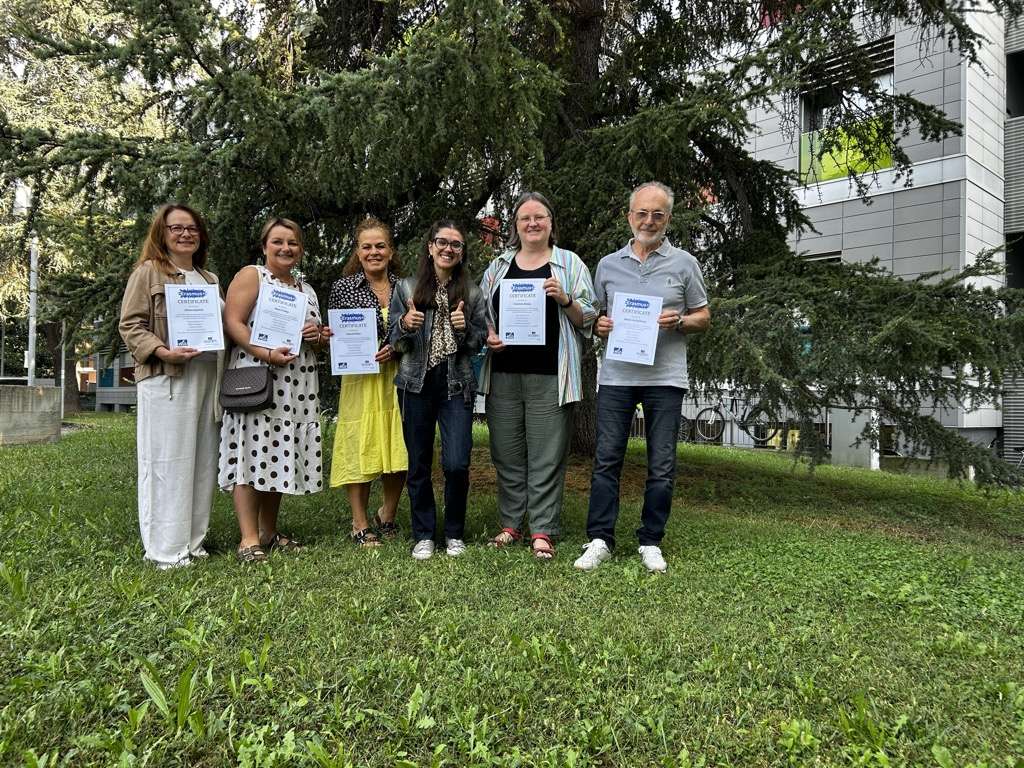
By the end of the course, participants had explored a wide range of innovative approaches while learning through many of the methods themselves. The experience highlighted that innovative teaching does not necessarily mean completely changing the classroom, but finding thoughtful ways to involve students, encourage collaboration, and make learning more active and meaningful.
En savoir plus sur ce cours ici.
Where this course took place: Erasmus courses for teachers in Bologna
Planning your own Erasmus+ course? Téléchargez le catalogue des formations 2026-2027
 English (UK)
 Español
 Italiano
 Deutsch
 Română
 Български
 Čeština
 Ελληνικά
 Polski
 Português
 Français