Inclusive education is not only about making sure that students with different needs can enter the same classroom. It is also about creating an environment where every learner can participate, develop, and feel that they belong. Understanding how schools can move from separate systems towards greater inclusion is an important part of building more equitable education.
Le cours “Special needs and inclusive education: the Italian experience of overcoming segregation” a eu lieu à Bologna from 27 September to 3 October 2026. The course brought together educators from different European educational settings: Ugnė Lengvinaitė–Žemaitienė and Milda Šiupienė from Kaunas Saint Roch School (Lithuania)et Maria Inês Almeida from Colégio Valsassina (Portugal). Coming from different school contexts, the participants had the opportunity to compare experiences, discuss common challenges, and consider how approaches to inclusion can be adapted to their own educational environments.
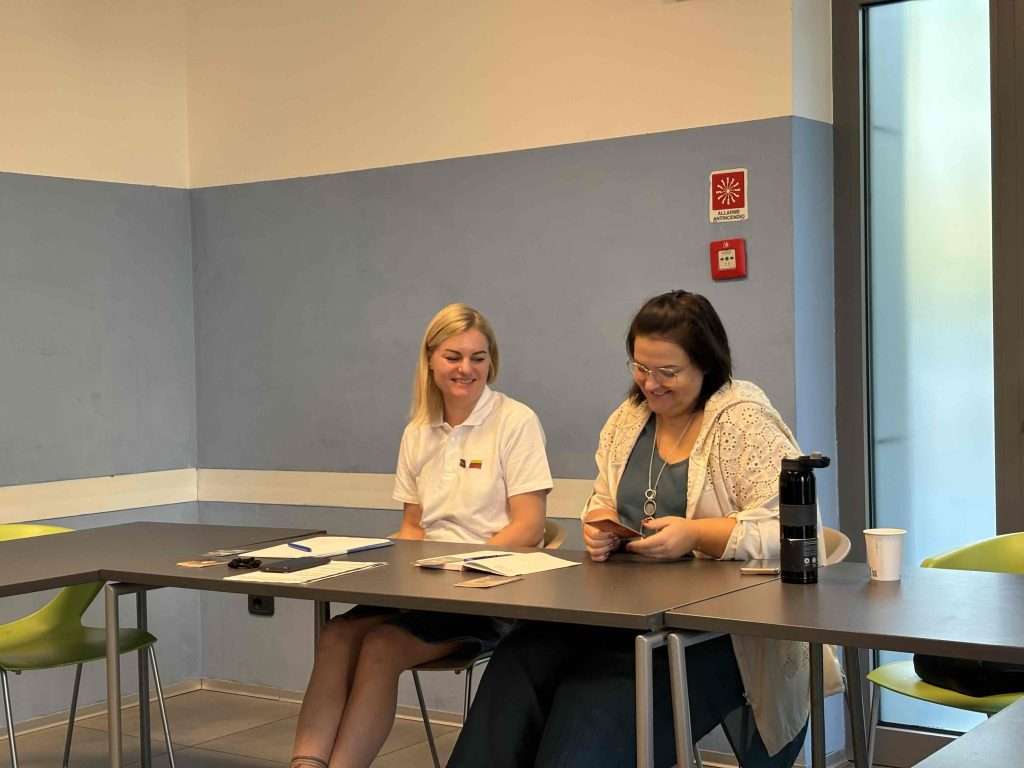
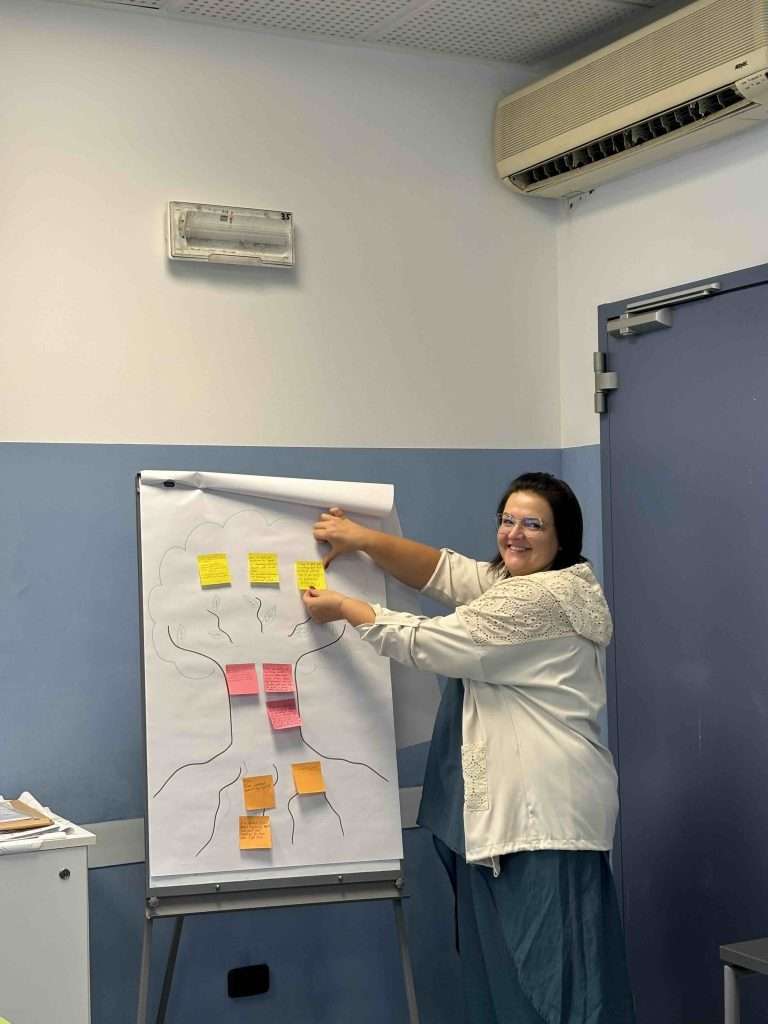
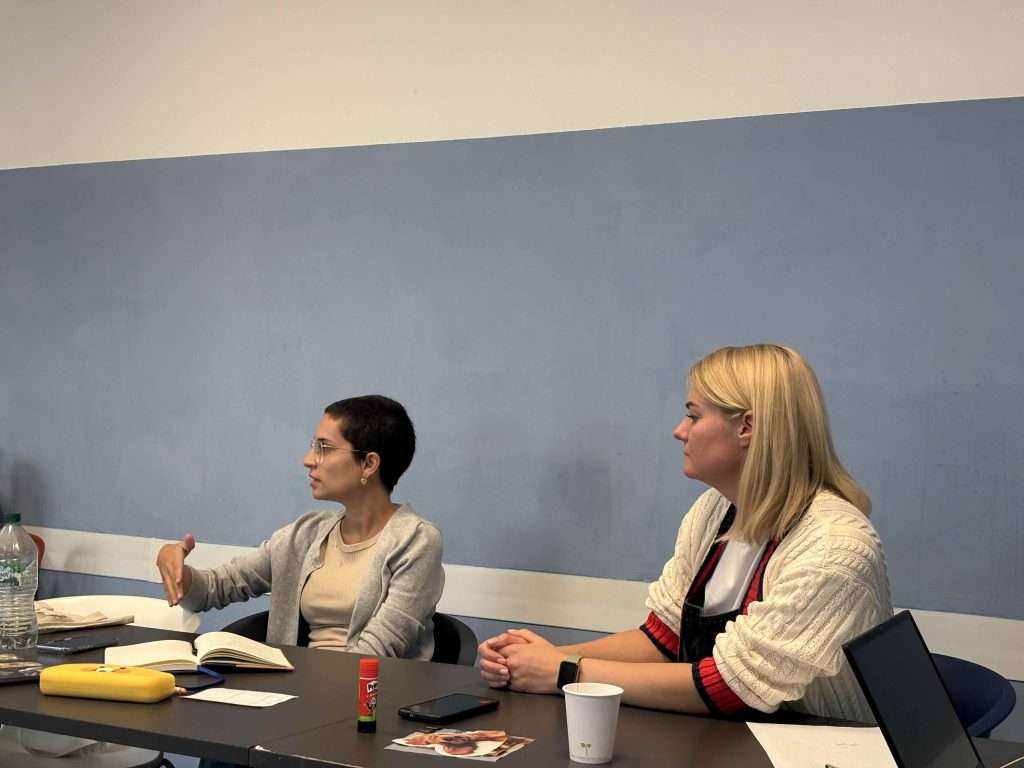
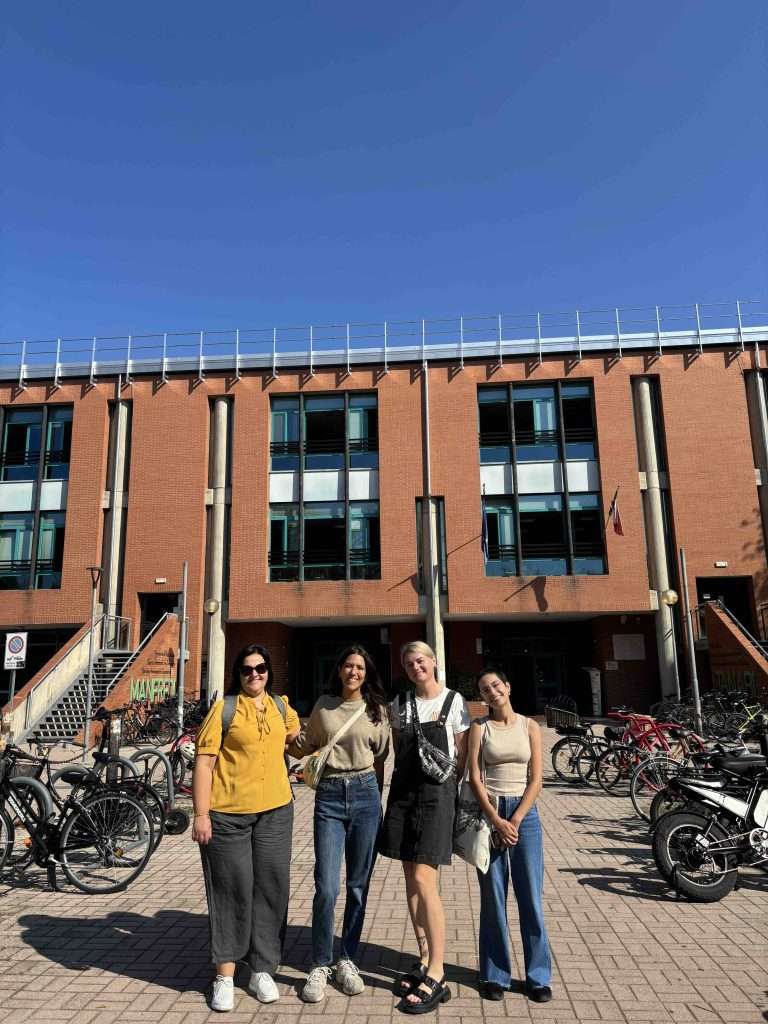
The course began by looking at the meaning and principles of inclusive education. Participants explored the difference between simply placing students with special educational needs in mainstream classrooms and creating conditions that genuinely support their participation and learning. A central part of the week focused on the Italian experience of moving away from segregation towards inclusive education. Participants explored the development of the Italian approach and considered the changes in educational practice that made greater inclusion possible. This provided an opportunity to look beyond theory and examine how educational systems can change over time, as well as the challenges that can arise during this process.
The next stage connected the ideas discussed during the course with everyday school practice. Participants considered how teachers can respond to different learning needs, encourage participation, and create supportive classroom environments. Particular attention was given to cooperation between educators and to the importance of communication when planning support for students.
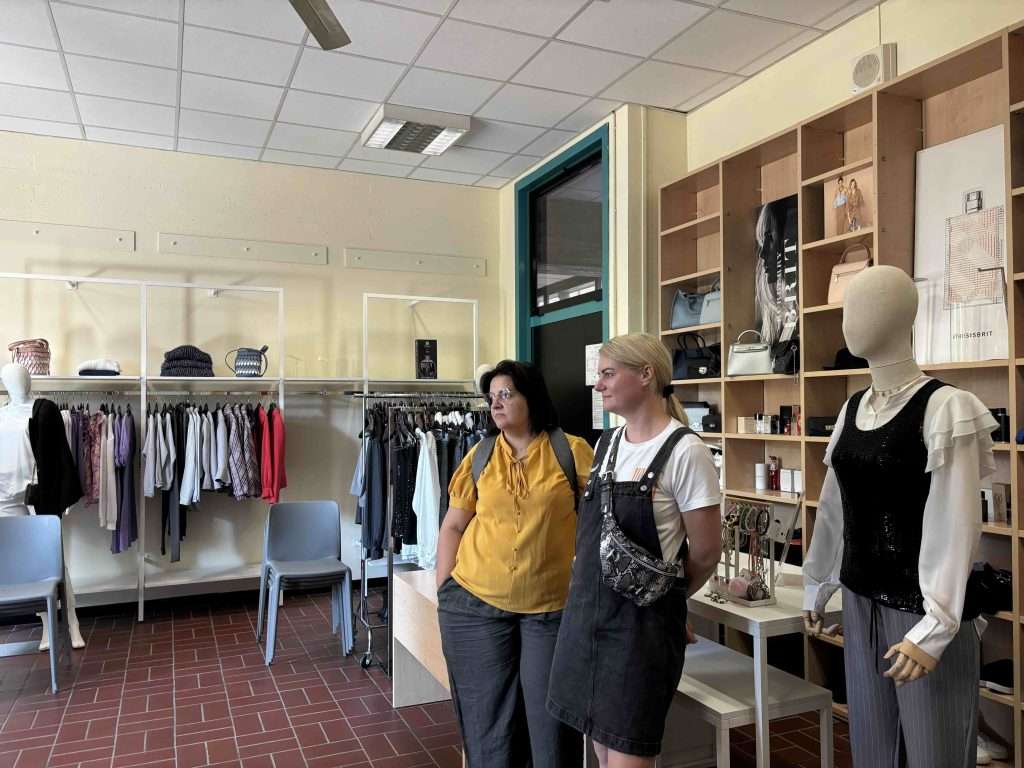
An important part of the experience was the visit to a local school, which gave participants the opportunity to see inclusive education in practice. The visit helped connect the ideas discussed during the course with the reality of everyday school life. Observing the school environment and learning about the way teachers support students provided a valuable opportunity to reflect on how inclusion works beyond the classroom discussions.
Working together also allowed the participants to bring their own experiences into the discussions. Comparing the realities of schools in Lithuania, Portugal, and Italy helped them identify both shared challenges and different ways of approaching inclusion.
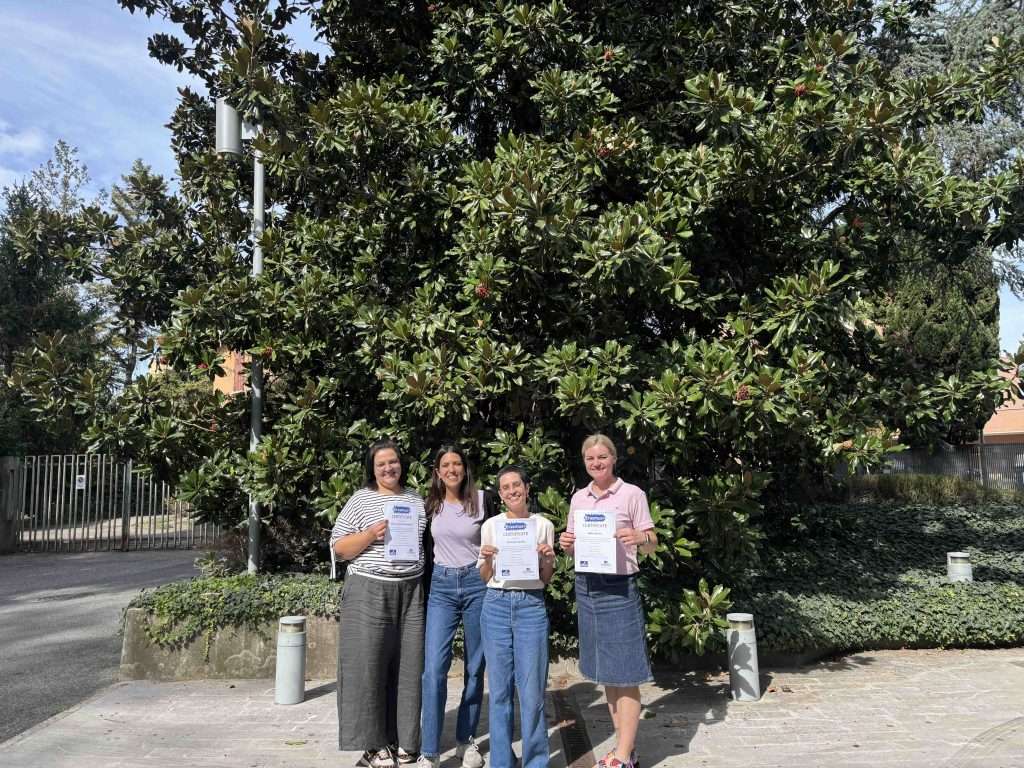
By the end of the week, the course had provided the participants with a broader understanding of special needs and inclusive education, as well as a closer look at the Italian experience of overcoming segregation. More importantly, it created space for educators to question existing practices, share perspectives, and think about practical ways to make their own learning environments more inclusive. The experience in Bologna offered not just new knowledge, but also ideas that participants could take back to their schools and continue developing in their everyday work.
Discover more about this course here.
Where this course took place: Erasmus courses for teachers in Bologna
Planning your own Erasmus+ course? Téléchargez le catalogue des formations 2026-2027
 English (UK)
 Español
 Italiano
 Deutsch
 Română
 Български
 Čeština
 Ελληνικά
 Polski
 Português
 Français