Educators are primarily responsible for imparting knowledge and fostering the development of specific student skills. Conversely, a coach’s role is to support and inspire their pupils by using techniques like active listening, strategic questioning, and setting challenges. Although these two functions seem separate, imagine the powerful effect if a teacher adopted coaching strategies to become an additional source of motivation in the classroom.
The recent course, “ChatGPT et l'IA pour les enseignants : l'intelligence artificielle dans les écoles et l'éducation,” held in Tenerife de January 11–17, 2026, was built upon a fundamental concept. Participants in this course traveled from various European countries. Attendees included Agija and Aiga from Mālpils vidusskola in Latvia; Célia from STUDIESKOLEN in Denmark; Camilla and Ane from Edvard Munch videregående skole in Norway; and Pavol from VSB – Technical University Ostrava in the Czech Republic.
The opening session underscored the transformative role of Artificial Intelligence (AI) within educational frameworks. The dialogue focused on AI’s capacity to refine the learning journey through content personalization, the automation of administrative workflows, and the cultivation of data-driven insights. Participants analyzed various AI-powered tools—such as adaptive learning platforms, automated grading software, and intelligent tutoring systems—and discussed strategic ways to integrate these technologies to enhance instructional support.
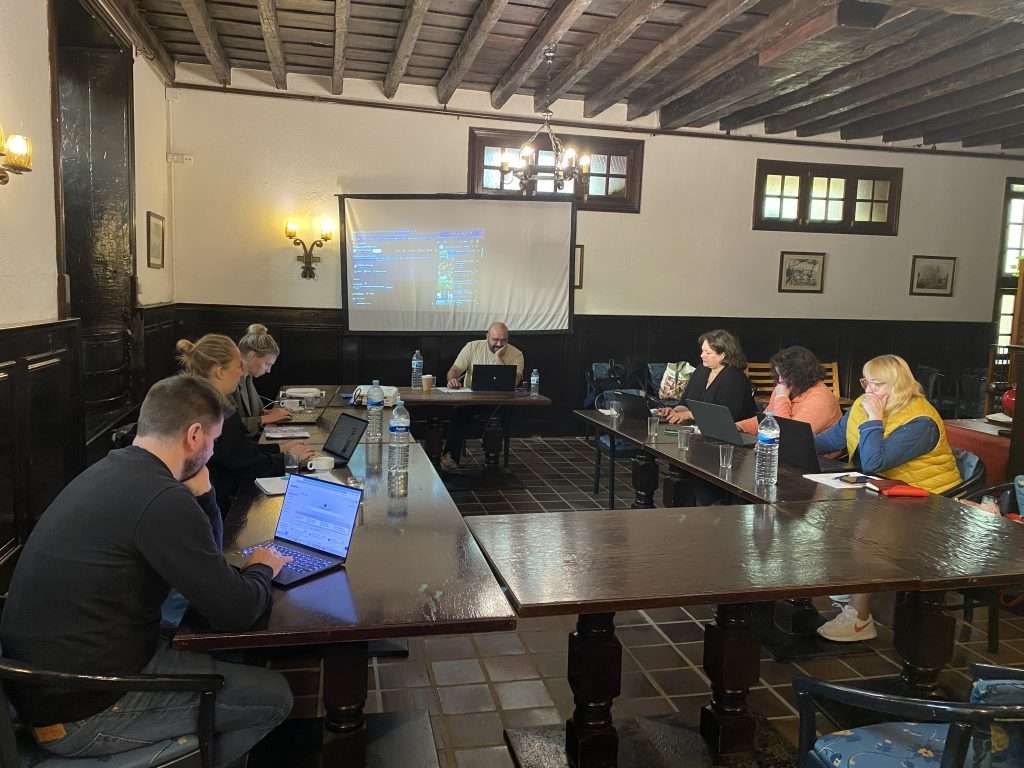
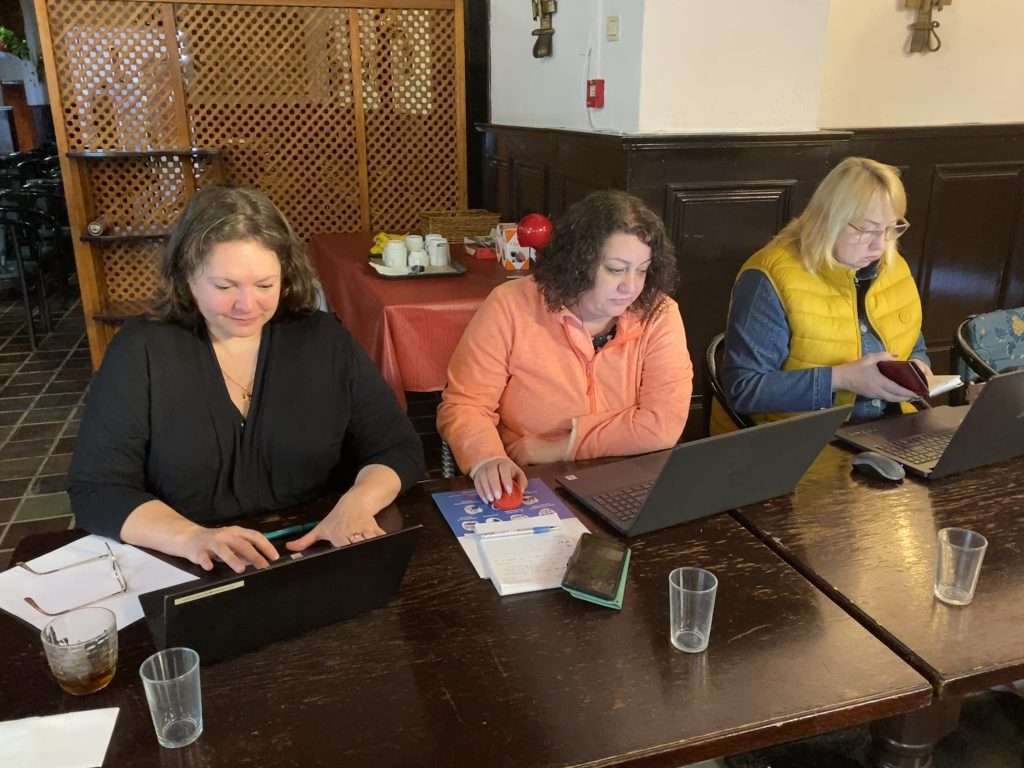
A primary focus was directed toward the art of strategic prompting within ChatGPT. Since the caliber of AI-generated output is heavily dictated by the quality of the input, mastering precise prompting is now a critical competency for educators. Attendees participated in hands-on exercises to craft contextually rich, specific prompts, ensuring they could maximize ChatGPT’s utility as a practical classroom asset.
The discourse also navigated the complex ethical landscape of AI in education, covering algorithmic bias, data privacy, and the urgent requirement for robust governance policies. Grasping these ethical nuances is vital to ensuring that AI applications remain equitable, transparent, and advantageous for a diverse student body. Understanding these dimensions ensures that technology serves as a fair and inclusive resource.

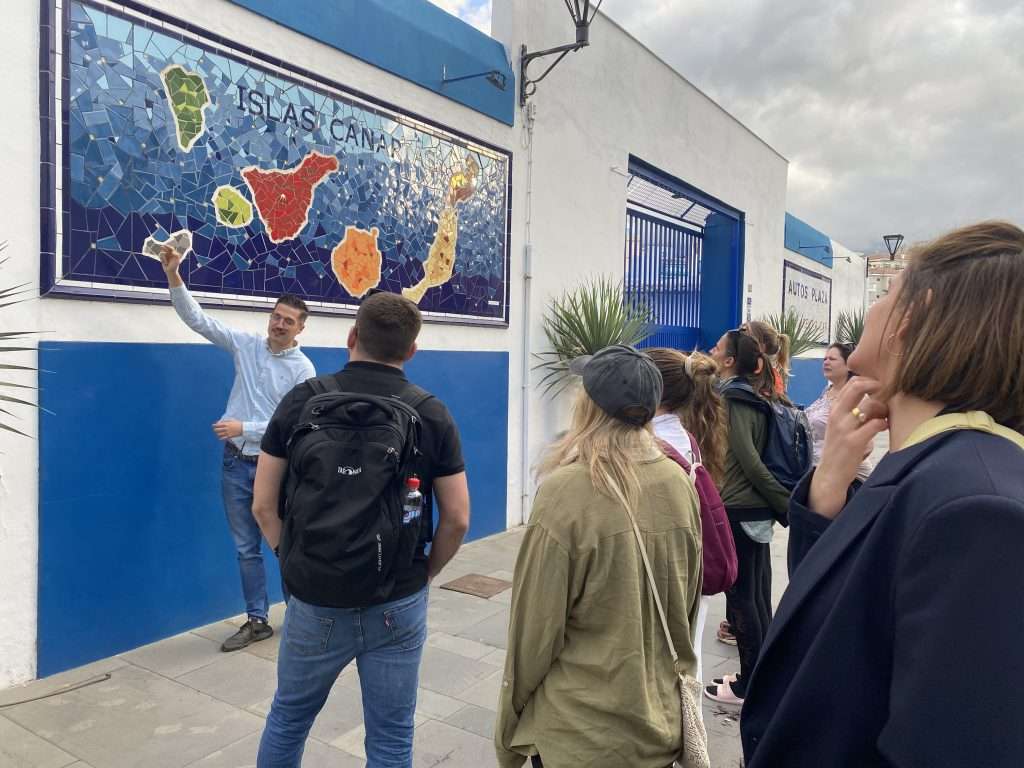
Furthermore, the course highlighted the synergy between AI-enhanced ICT tools and the development of student collaboration, creativity, and critical inquiry. Educators were encouraged to audit diverse ICT applications and evaluate how AI features could be leveraged to further optimize learning outcomes. This integration aims to bridge the gap between traditional digital tools and advanced cognitive assistants.
The evolution of assessment in the AI era served as another focal point. The discussion centered on innovative methodologies that utilize AI for formative evaluation, offering students real-time feedback and facilitating differentiated instruction. The potential for AI to design more tailored, effective, and personalized assessment strategies was a recurring theme throughout the session.
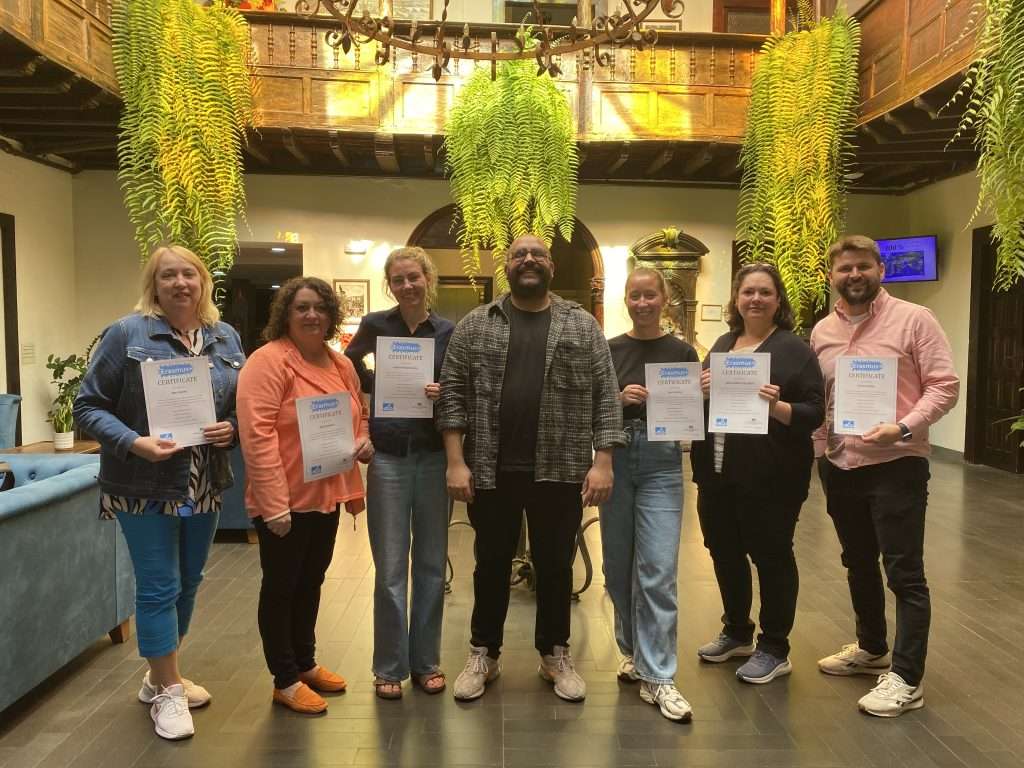
Finally, the training week cultivated a vibrant collaborative ecosystem where participants exchanged cross-cultural perspectives and shared collective professional experiences. This communal environment was instrumental in building AI and coaching fluencies, providing a direct platform for educators to explore the practical application of these new skills within their unique educational settings.
En savoir plus sur ce cours ici.
Where this course took place: Erasmus courses for teachers in Tenerife
Planning your own Erasmus+ course? Téléchargez le catalogue des formations 2026-2027
 English (UK)
 Español
 Italiano
 Deutsch
 Română
 Български
 Čeština
 Ελληνικά
 Polski
 Português
 Français