The duty of an educator involves sharing knowledge with their students and nurturing their development of specific skills and capabilities. On the other hand, a coach is tasked with supporting and motivating their pupils through active listening, thoughtful questioning, and introducing challenges. While these roles may initially appear distinct, consider the impact if a teacher were to integrate coaching principles into their classroom, becoming a source of motivation as well.
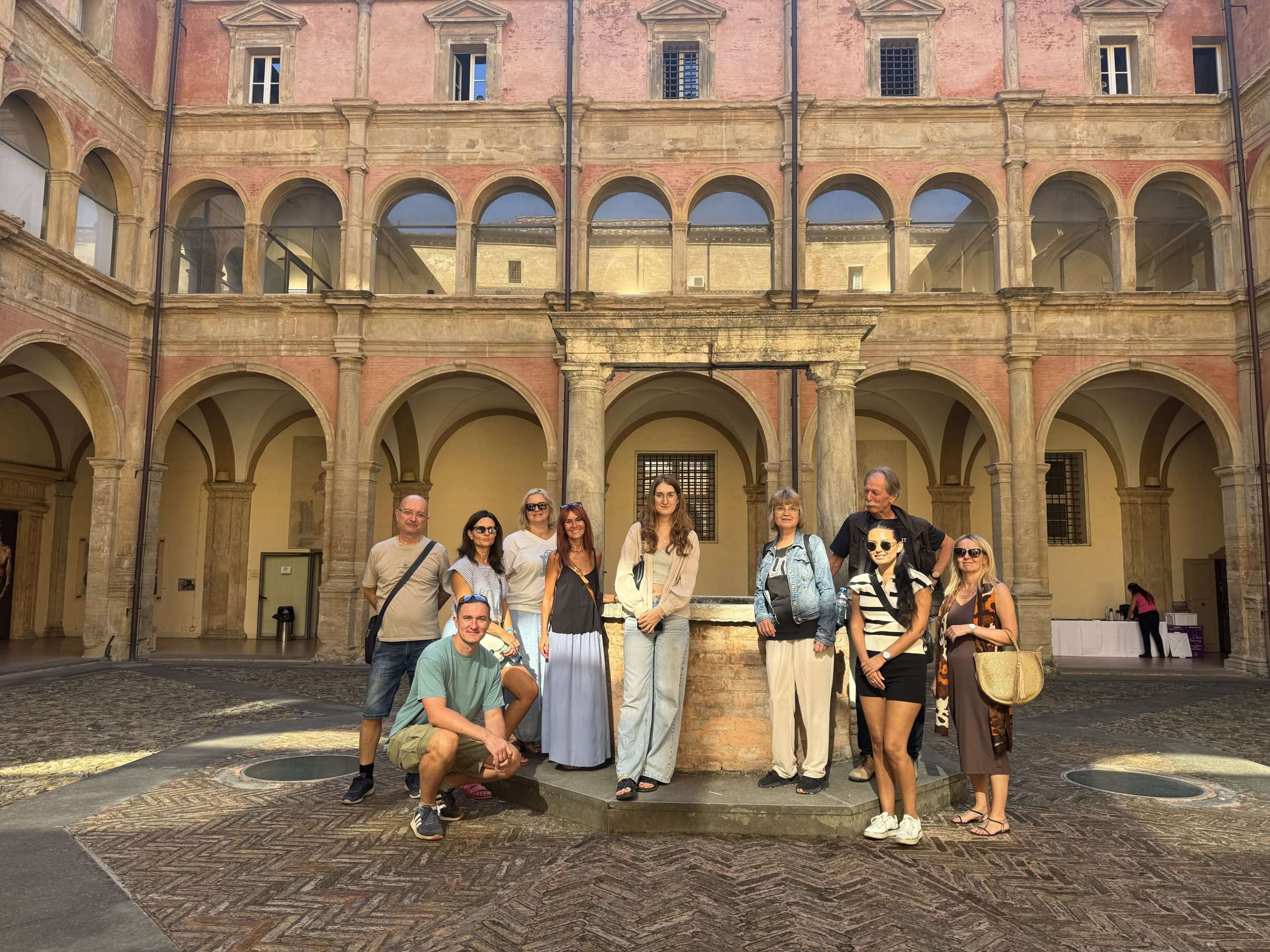
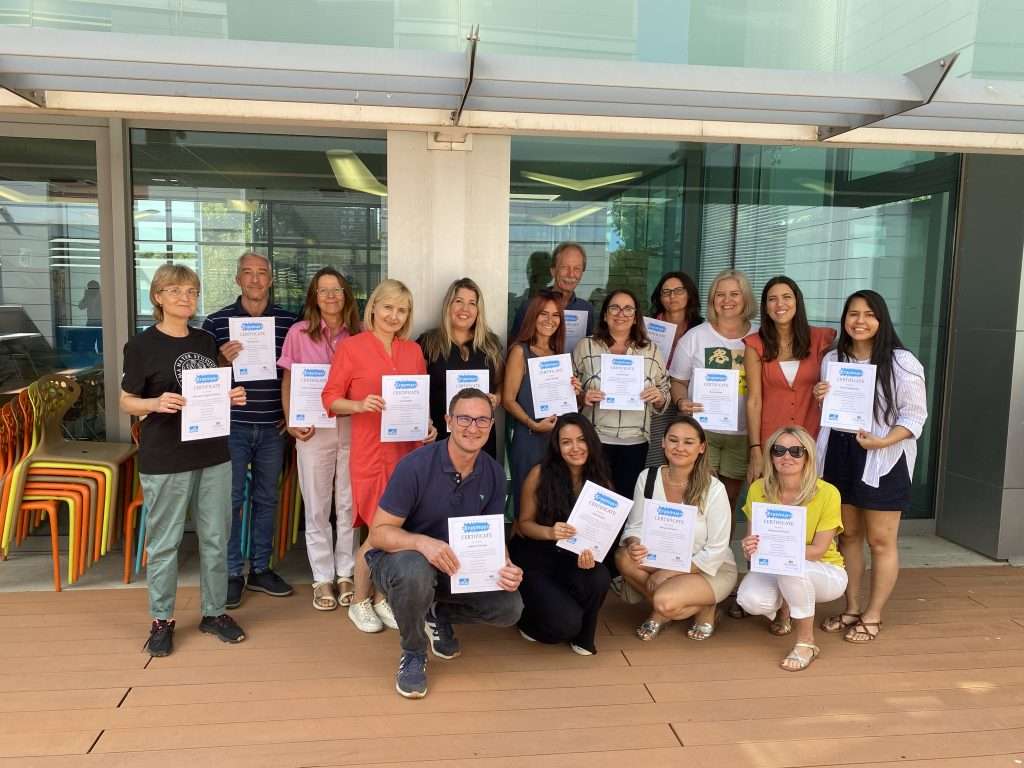
This concept was fundamental during the new edition of the course “ChatGPT and AI for Teachers: Artificial Intelligence in Schools and Education” that took place in Bologna from 31/08/2025 to 06/09/2025. The participants came from all across Europe, including Sheryl Kagermeier, Heike Hartmann-Roehrer, Renata Heilmer, Irina Bendler and Ladislaus Filatow from Bayerischer Volkshochschulverband e.V. in Germany; Agnieszka Osicka, Jolanta Randak, Marta Grabny and Małgorzata Śliwoń from 8 Liceum Ogólnokształcące Samorządowe im. gen. Sowińskiego in Poland; Mireille Vila, Christina Zarb and Elton Stivala from G.F. Abela University of Malta Junior College in Malta; Miroslava Angelova Petrova and Nelin Naydin from Secondary School Vela Blagoeva in Bulgaria; and Markus Rudolph from Coppernicus-Gymnasium Norderstedt Europaschule in Germany.

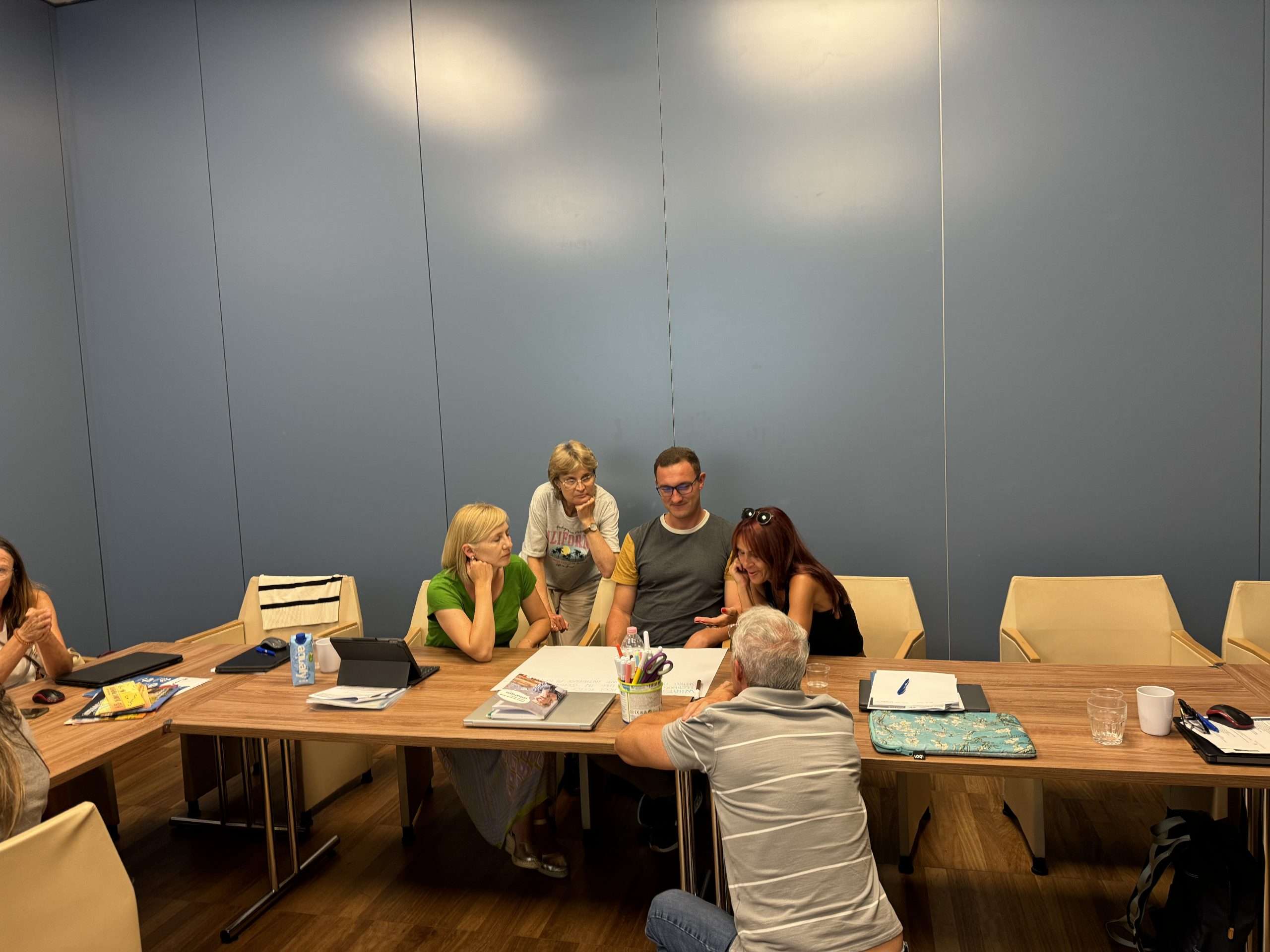
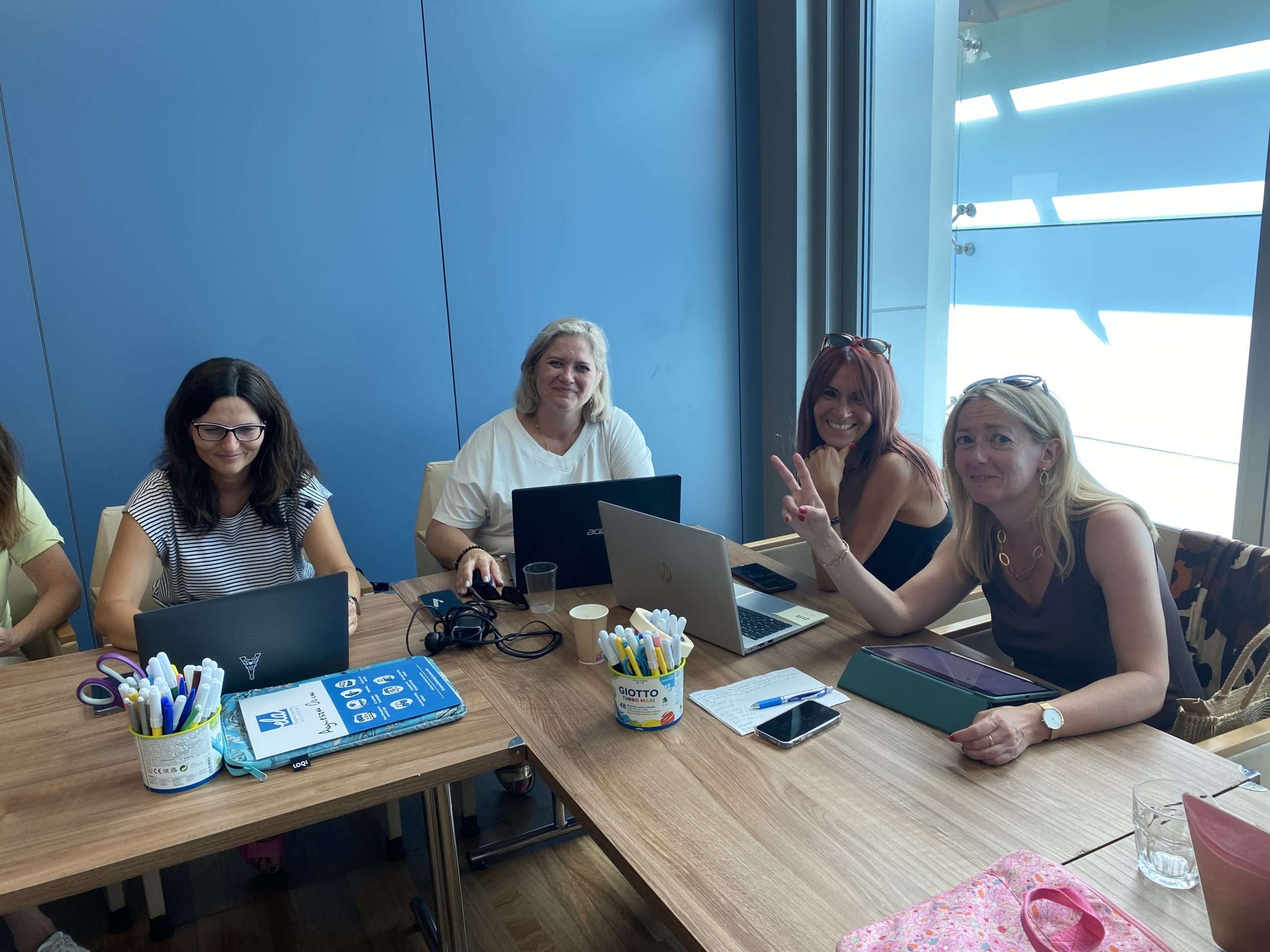
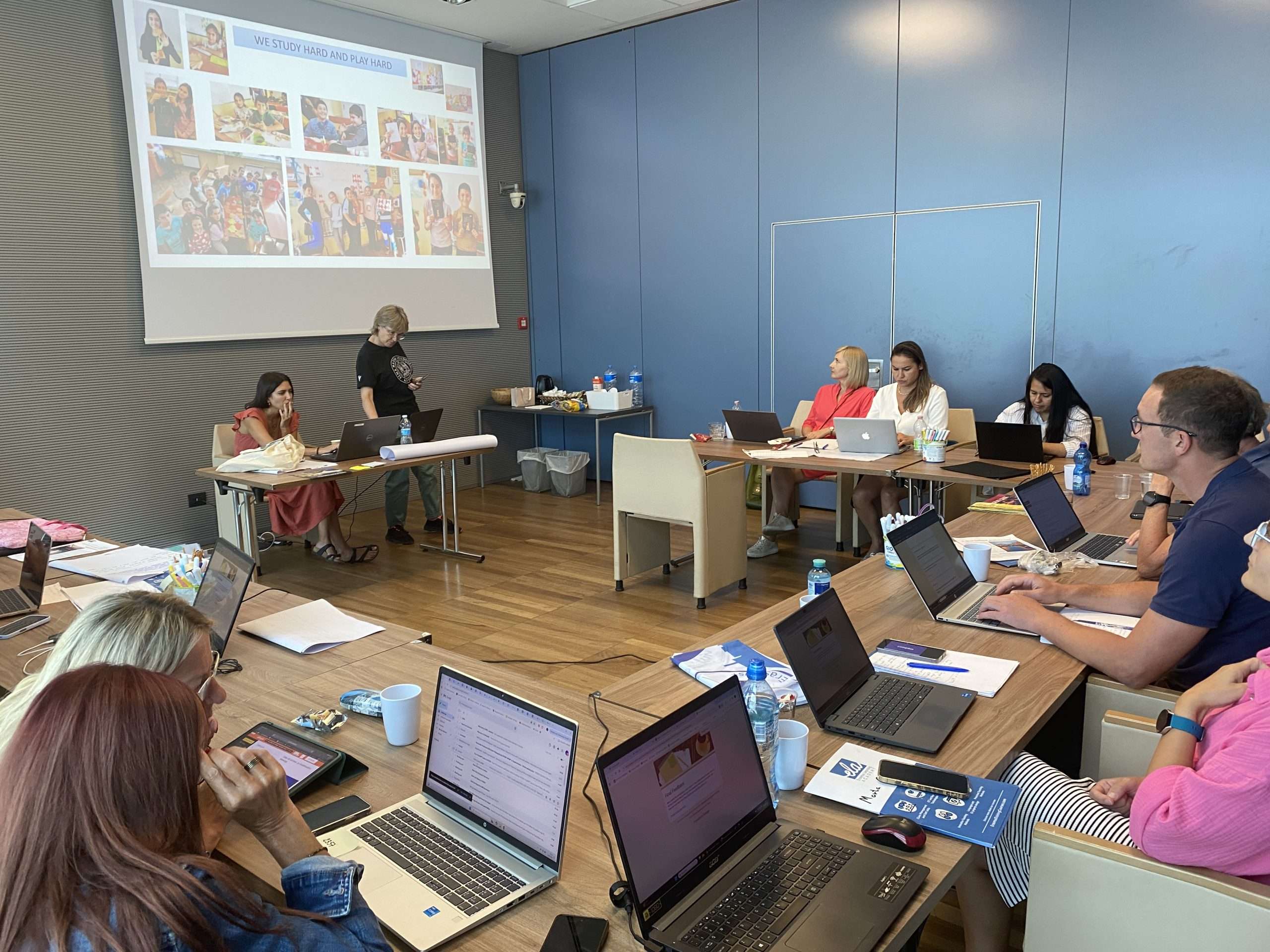
The initial subject explored in the session was the significance of AI in education. This includes understanding how AI can enhance learning experiences by personalizing content, automating administrative tasks, and providing data-driven insights. Participants examined AI-powered tools that can be used to support teaching, such as intelligent tutoring systems, automated grading software, and adaptive learning platforms.
One of the primary focuses was on the importance of prompting in using Chat GPT. Effective prompting can significantly influence the quality of responses generated by AI, making it a crucial skill for educators. Participants practiced crafting precise and contextually appropriate prompts to maximize the utility of Chat GPT in classroom settings.
Another crucial topic was the ethical implications of AI in education, covering aspects like bias in algorithms, privacy concerns, and the necessity for clear policies to govern AI use. Understanding these ethical dimensions is essential to ensure AI applications are fair, transparent, and beneficial for all students.
The course also delved into integrating ICT tools with AI features, highlighting tools that enhance collaboration, creativity, and critical thinking among students. Participants were encouraged to explore various ICT applications and consider how these can be augmented with AI capabilities to improve learning outcomes.
Assessment in the age of AI was another significant topic. The discussion centered around developing new assessment methods that leverage AI for formative assessments, providing real-time feedback, and supporting differentiated instruction. The potential of AI to create more personalized and effective assessment strategies was emphasized.
Throughout this training week, participants had the opportunity to share their collective experiences and gain insights from diverse cultural backgrounds. This collaborative environment facilitated the acquisition of AI and coaching skills and provided a platform for participants to explore applying these skills within their classrooms.
En savoir plus sur ce cours ici.
Where this course took place: Erasmus courses for teachers in Bologna
Planning your own Erasmus+ course? Téléchargez le catalogue des formations 2026-2027
 English (UK)
 Español
 Italiano
 Deutsch
 Română
 Български
 Čeština
 Ελληνικά
 Polski
 Português
 Français