The role of an adult educator extends beyond simply transmitting knowledge. It also includes motivating learners to engage actively, fostering creativity, and developing critical thinking. Modern education increasingly values informal learning, collaboration, and hands-on experiences that support autonomy and motivation. By combining innovative strategies with project-based and interactive methods, educators can build learning environments that are both engaging and meaningful for adults.
This approach was central to the course “Innovative Teaching Methods in Informal Education”, held in Tenerife from 08/03/2026 to 19/03/2026. Participants came from Poland, including Grażyna, Bogusław, and Lucyna from UTA in Łazy; Jolanta, Anna, and Maria from UTA in Zawiercie; and Halina, Elżbieta, and Zdzisław from UTA in Siewierz.
The course began with an introduction to the programme and a discussion of participants’ expectations and professional challenges. Special focus was placed on informal education, emphasizing learning through experience, cooperation, and practical involvement.
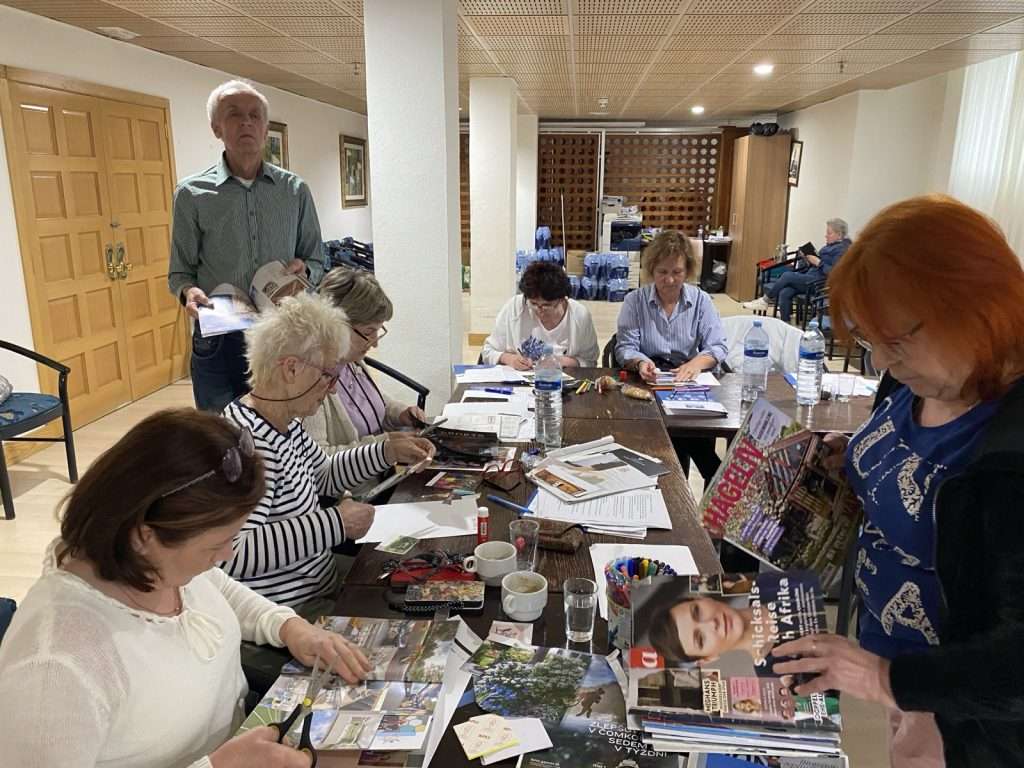


A key element of the training was the development of essential 21st-century skills such as teamwork, creativity, adaptability, and critical thinking. Participants reflected on their teaching methods and tested activities designed to stimulate engagement and deeper learning. They also created informal learning tasks aimed at increasing participation and encouraging group interaction.
Apprentissage par projet was another major topic, presented as an effective way to promote responsibility and learner independence. Participants explored how to design educational projects, formulate guiding questions, and structure project activities. They also developed small projects and practiced peer evaluation and collaborative techniques.
Éducation en plein air was introduced as a valuable experiential approach. Through group activities, participants experienced how learning outside the classroom can enhance personal development, problem-solving, and teamwork.
The course also highlighted la gamification et l’apprentissage par le jeu. Participants tested various educational games, created their own activities, and discussed how elements like challenges and friendly competition can increase motivation and engagement.
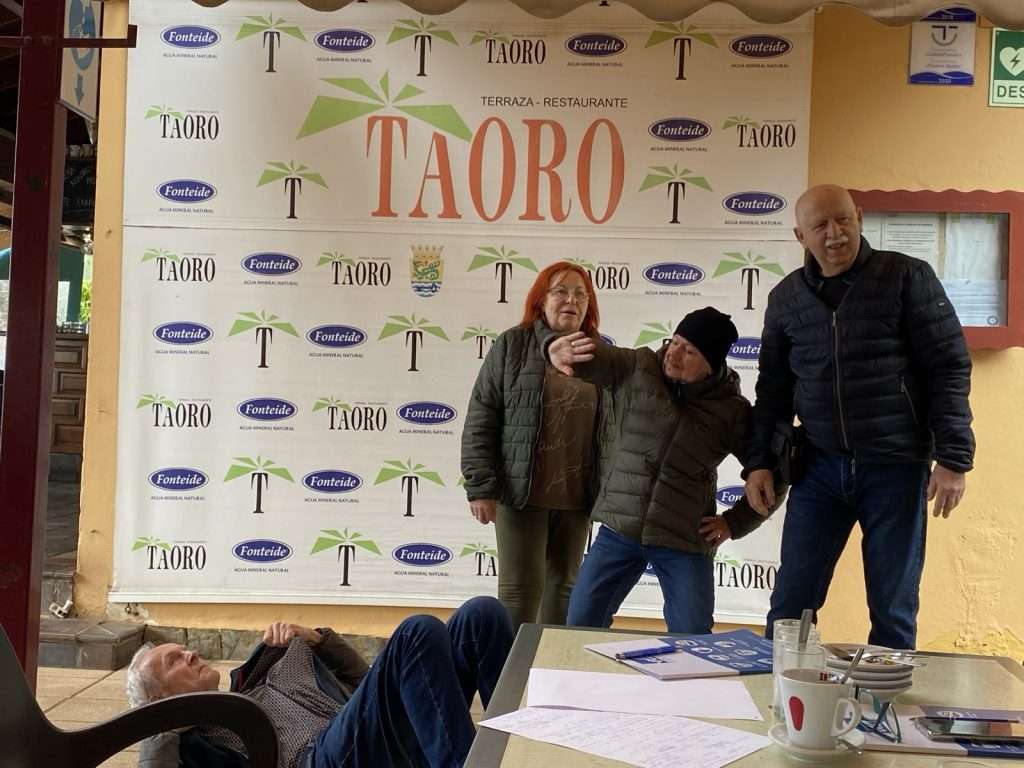
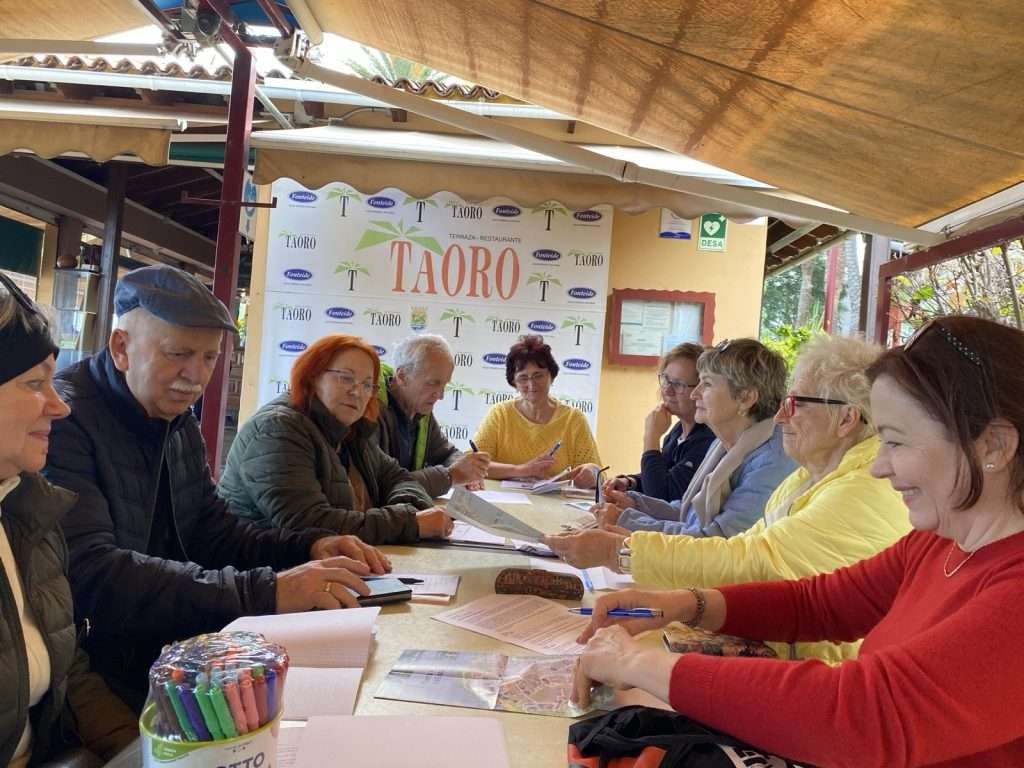
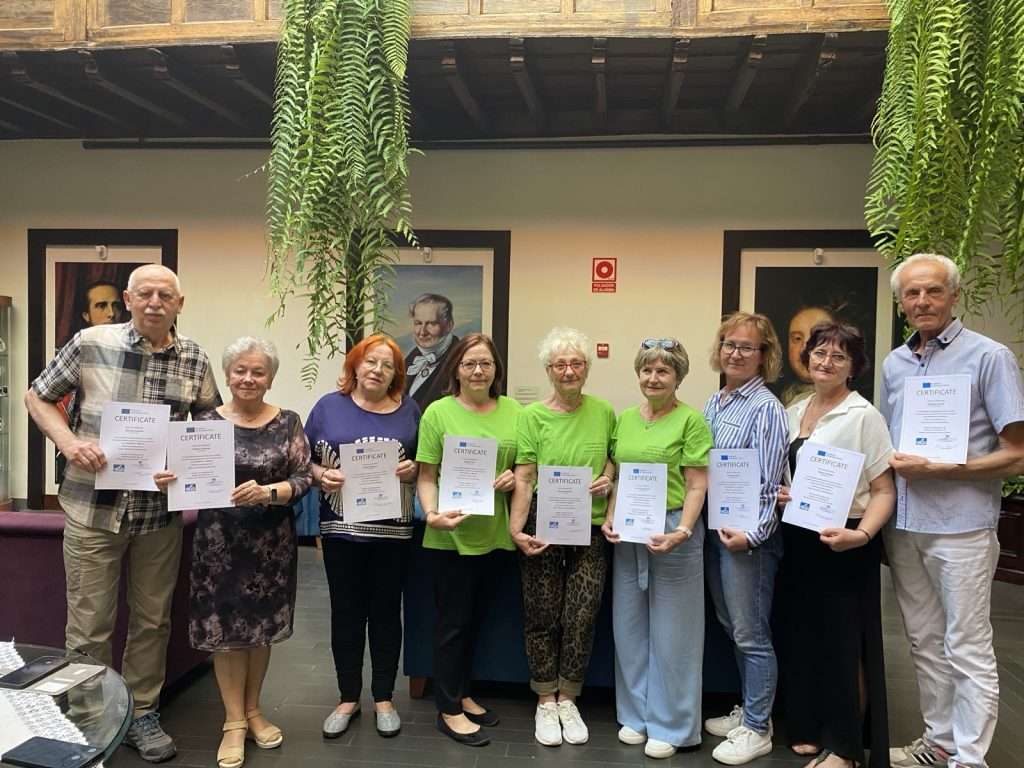
Throughout the course, participants shared experiences, developed new ideas, and reflected on applying innovative methods in their own contexts. The training concluded with a summary of learning outcomes, discussions on future cooperation, and a certificate ceremony recognizing the competences gained.
Discover more about Tenerife courses ici.
Where this course took place: Erasmus courses for teachers in Tenerife
Planning your own Erasmus+ course? Téléchargez le catalogue des formations 2026-2027
 English (UK)
 Español
 Italiano
 Deutsch
 Română
 Български
 Čeština
 Ελληνικά
 Polski
 Português
 Français