Mental health and stress are not abstract issues in education. They can influence how students participate, how teachers respond to challenges, and how relationships develop in the classroom. Understanding these pressures and having practical ways to address them are therefore important parts of creating a positive learning environment. From 2 to 8 August 2026, in Bologna, Italy, these issues were explored from both personal and educational perspectives.
The participants brought different professional experiences to the course. Nadja represented the Landesamt für Schule und Bildung in Germany, David joined from San Viator in Madrid, Spain, and Jasmine represented CIEE Germany gGmbH in Germany. This mix of backgrounds created opportunities to compare experiences, discuss challenges from different points of view, and consider how approaches to mental health and well-being can be adapted to different educational settings.
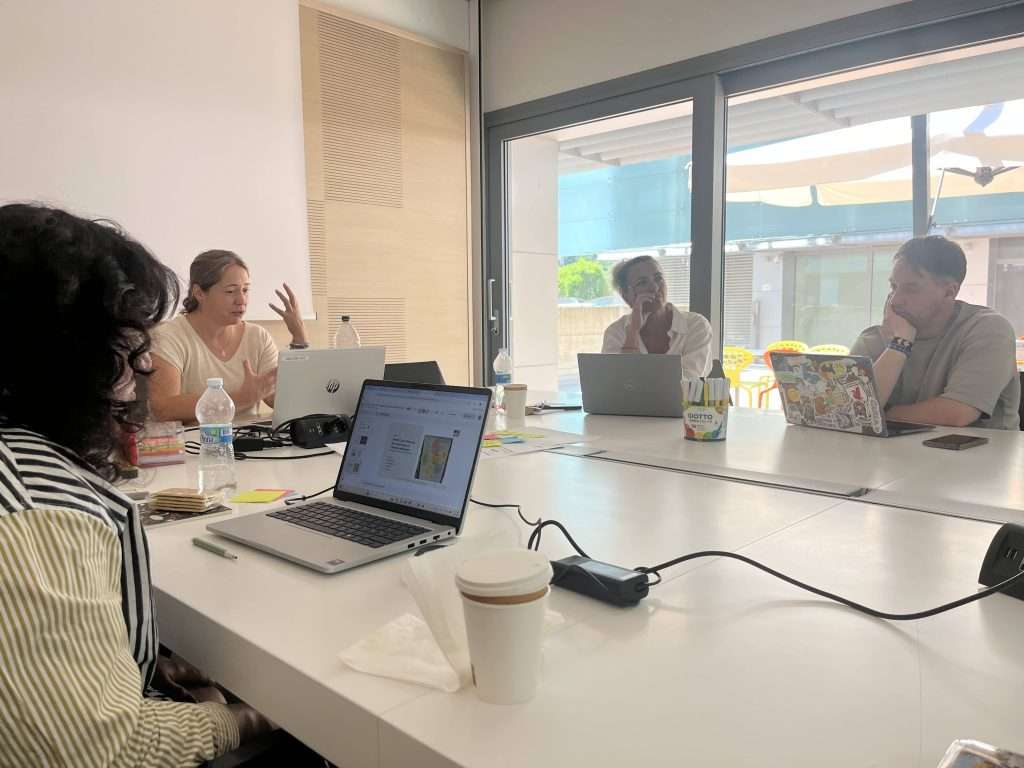
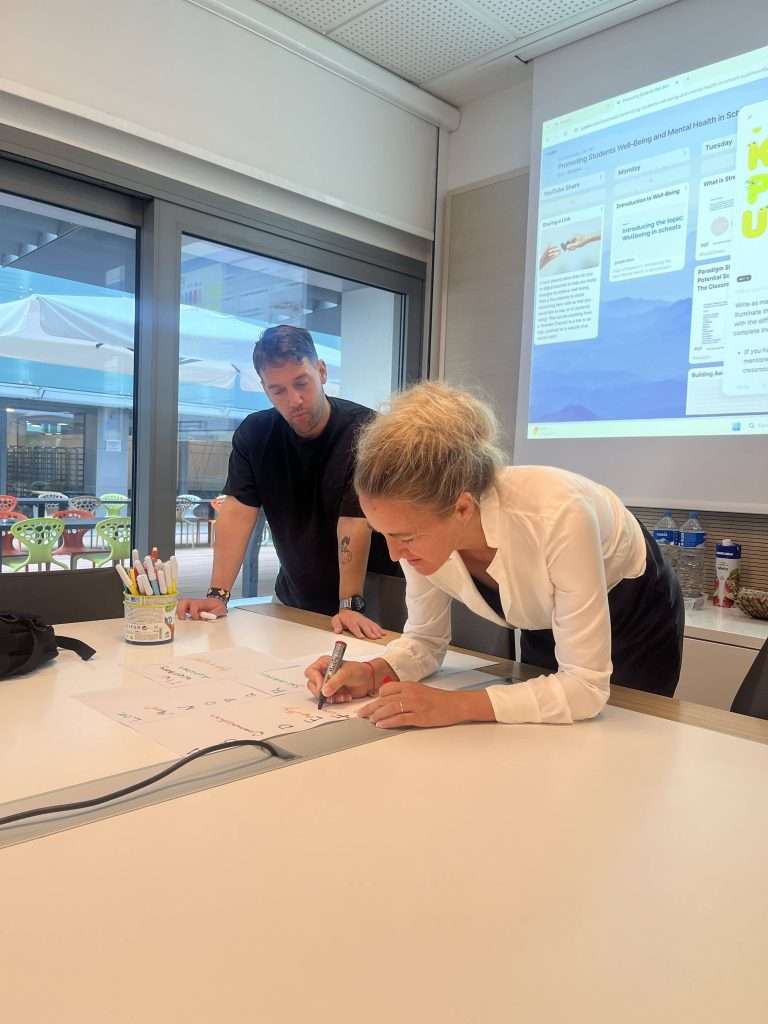
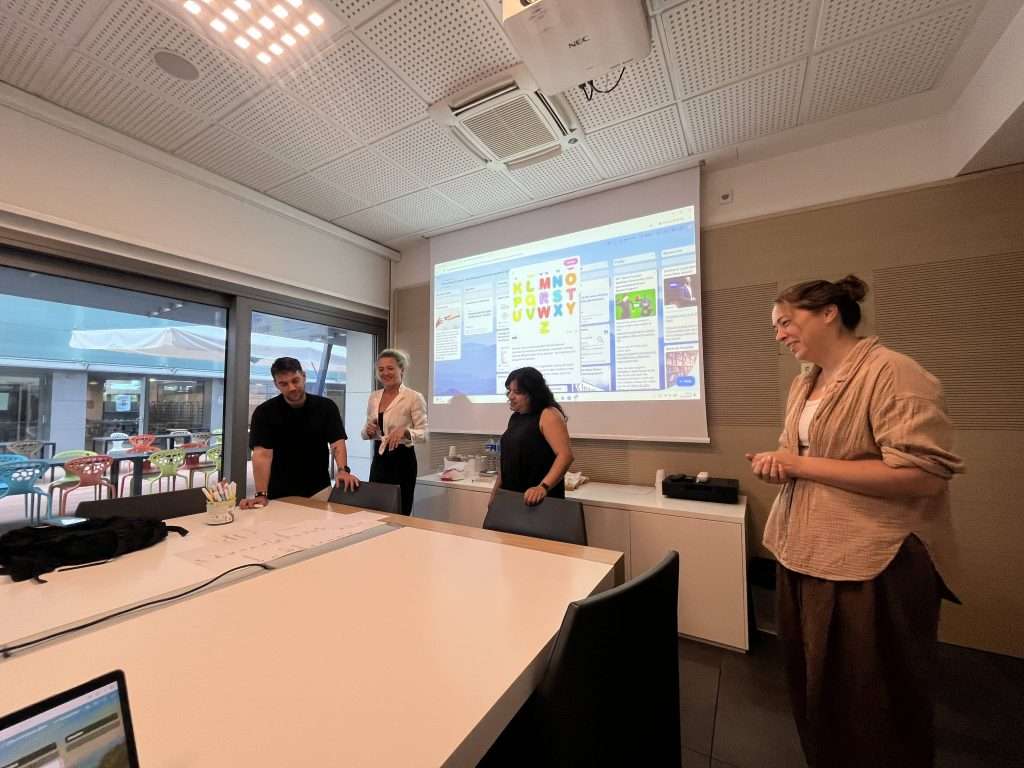
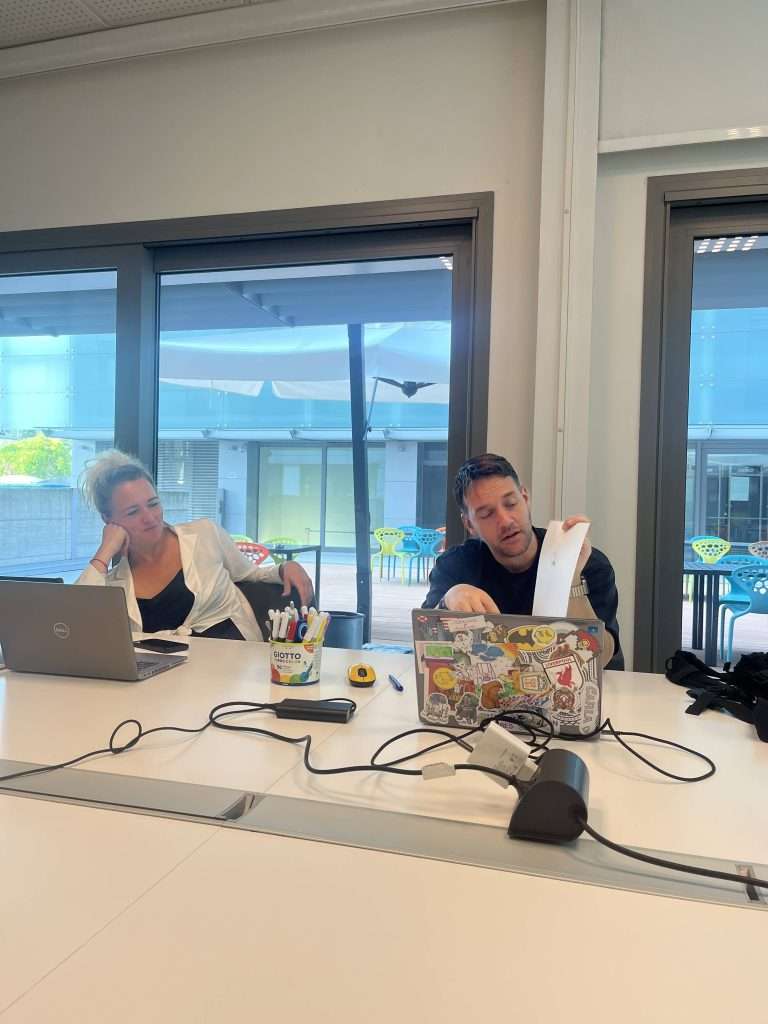
The first part of the week was dedicated to getting to know the group and establishing a common starting point. After team-building activities and an introduction to Bologna, participants discussed their expectations and identified challenges connected with mental health in schools. The sessions then introduced the psychology of stress and examined the responsibilities educators have when students or colleagues are experiencing difficulties.
The following sessions focused more closely on stress within the school environment. Participants considered how classrooms are changing and explored the different factors that can create pressure at school. They worked on ways of increasing awareness of mental health among students and discussed examples of effective practice. Sharing experiences was an important part of this stage of the course, giving participants the opportunity to learn from one another rather than simply receiving information.
As the week continued, the attention shifted towards practical responses. Participants explored coping strategies and approaches for dealing with stressful situations, while also examining emotional intelligence, empathy, and active listening. These topics highlighted the importance of understanding what lies behind behaviour and of creating space for people to communicate openly. The course also addressed burnout and digital well-being, encouraging participants to reflect on the pressures that affect both students and education professionals.
Another important part of the programme looked at the role of relationships in well-being. The group explored ways to strengthen emotional awareness and build trust, followed by a closer look at bullying, recognising problems, and deciding how to respond. Practical relaxation techniques were introduced as another way of managing stress, while discussions about sleep, nutrition, and mindfulness broadened the conversation beyond the classroom itself.
The final day brought the different themes together. Participants reviewed approaches to reducing anxiety and stress before moving into project planning. They developed and presented ideas based on the learning from the course, creating a clear link between the week’s discussions and possible future action in their professional environments. The programme concluded with certificates and a final opportunity to reflect on the experience.
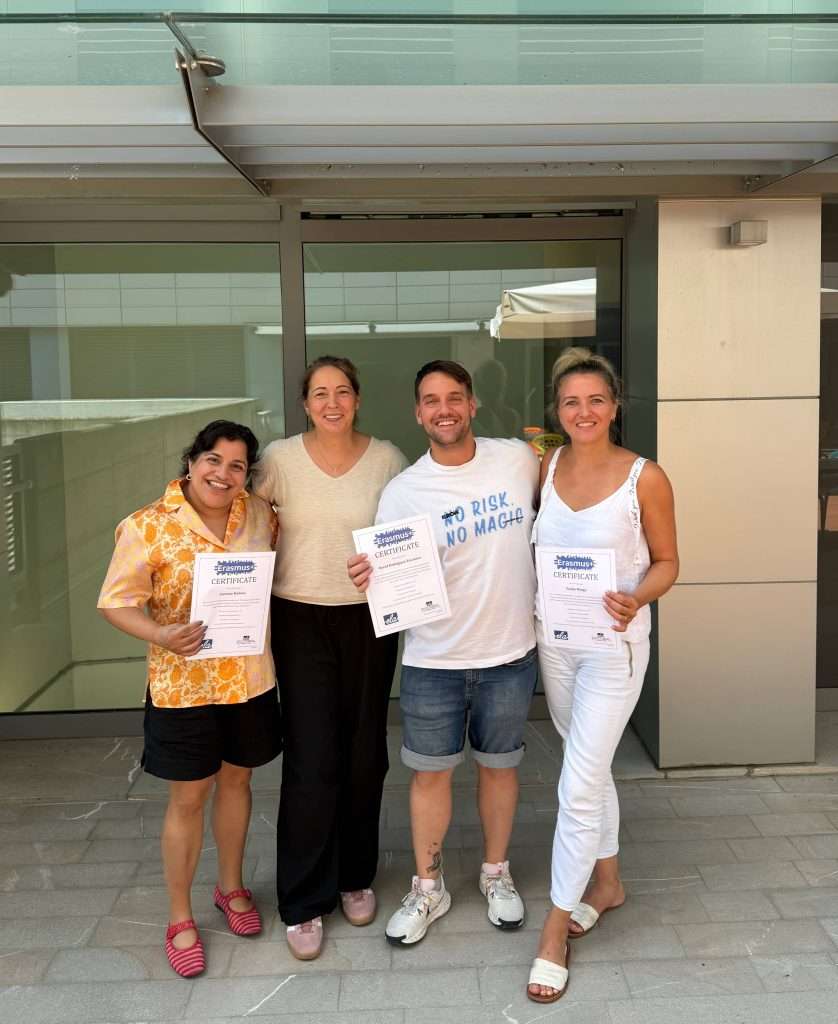
By the end of the week, the participants had explored mental health from several connected perspectives: understanding stress, recognising its causes, supporting emotional well-being, strengthening relationships, and developing practical responses. Just as importantly, they had exchanged experiences and ideas that can inform their work beyond the training itself. The course provided time not only to learn about these issues, but also to think about how small, realistic changes in everyday educational practice can make a difference.
En savoir plus sur ce cours ici.
Where this course took place: Erasmus courses for teachers in Bologna
Planning your own Erasmus+ course? Téléchargez le catalogue des formations 2026-2027
 English (UK)
 Español
 Italiano
 Deutsch
 Română
 Български
 Čeština
 Ελληνικά
 Polski
 Português
 Français