As teachers and education professionals, we all want our students to succeed. We want them to develop the knowledge, skills, and attitudes that will help them find their place in the world. Today’s society is diverse and multicultural, more than ever before. That’s why promoting diversity and tolerance in classrooms, schools, and adult education is so important. By helping learners become more empathetic and open-minded, we’re not only supporting their personal growth, but also contributing to a more understanding and inclusive community around us.
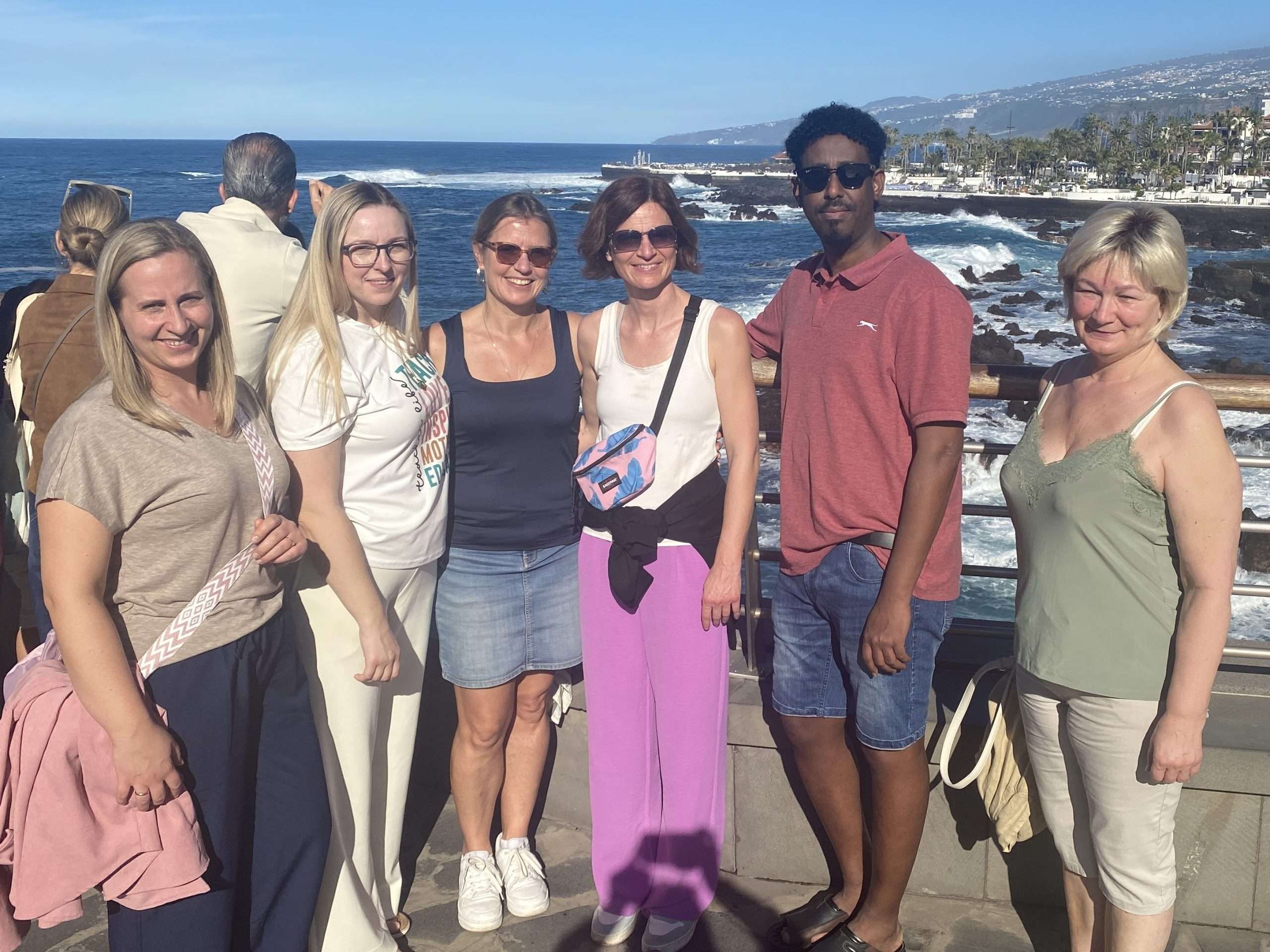
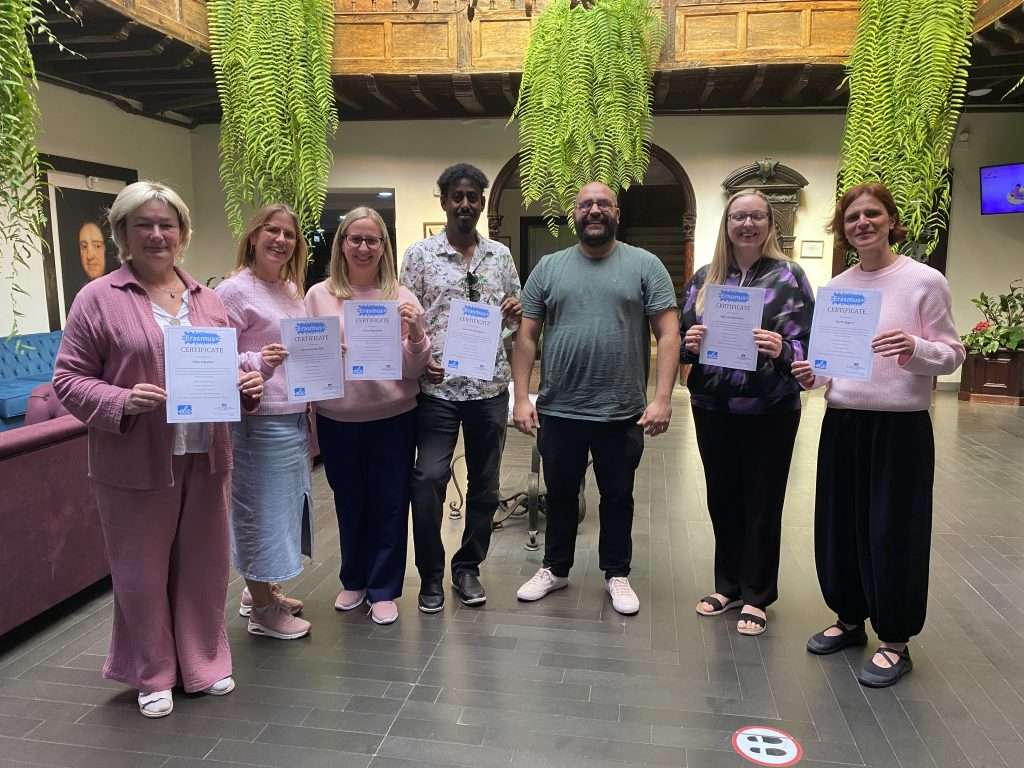
La nouvelle édition du cours “Diversity in the classroom: teaching tolerance and overcoming prejudices and discrimination” a eu lieu à Tenerife de 01/02/2026 to 07/02/2026. Participants joined from across Europe, including Elita, Agita, Iluta from Straupe primary School in Latvia, Saed from Alma Adult Education Centre in Finland, Goele and Karen from GO! Scholengroep Brussel in Belgium.
The first important step of the course was exploring the concept of identity. We started with a practical and creative activity. Each teacher was asked to draw a self-portrait. One half of the portrait showed their physical appearance, while the other half represented their personal values, beliefs, and inner qualities. This activity helped everyone reflect on who they are beyond the surface. Afterwards, we discussed how our identities shape the way we see the world and how we perceive others.
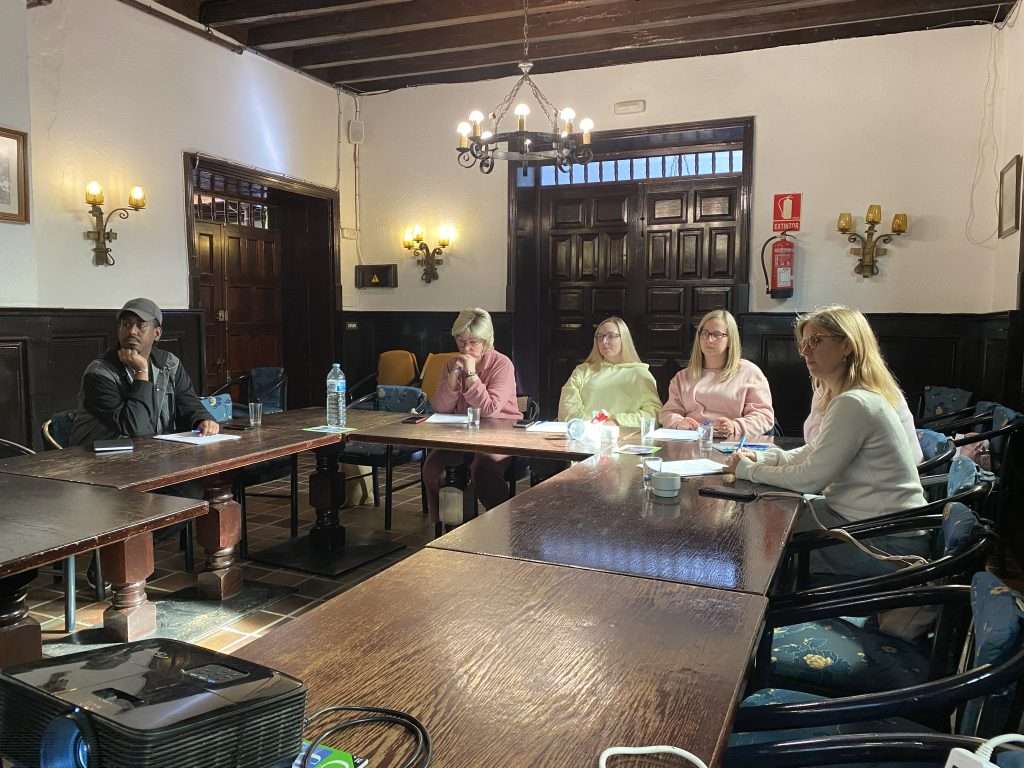
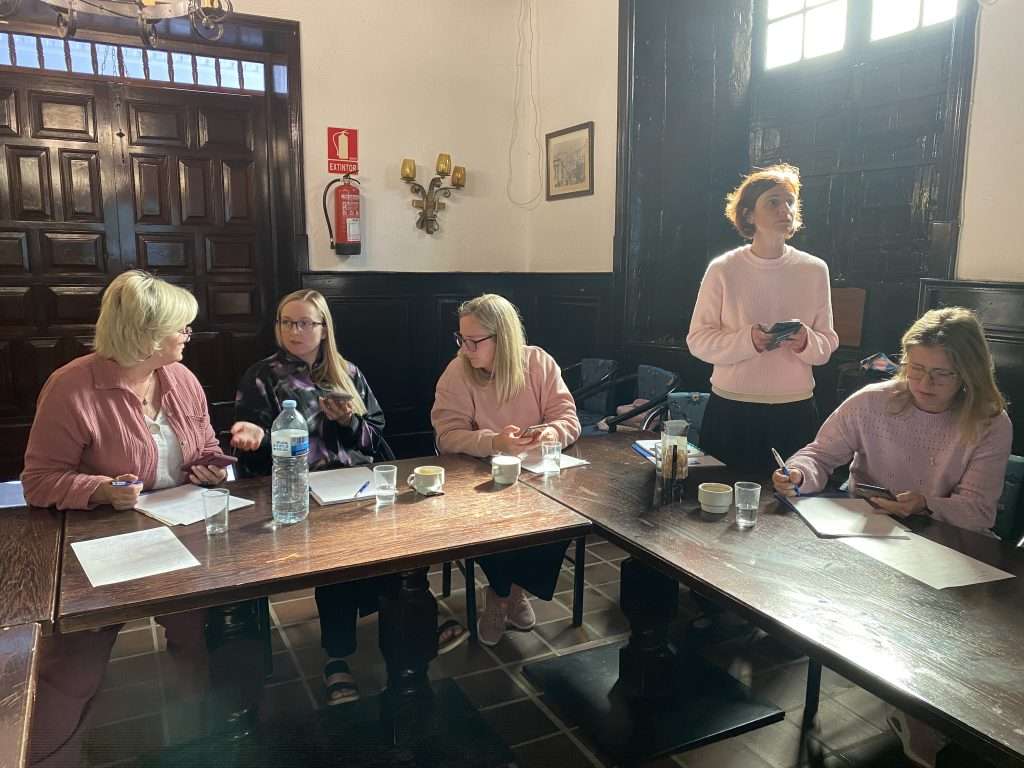
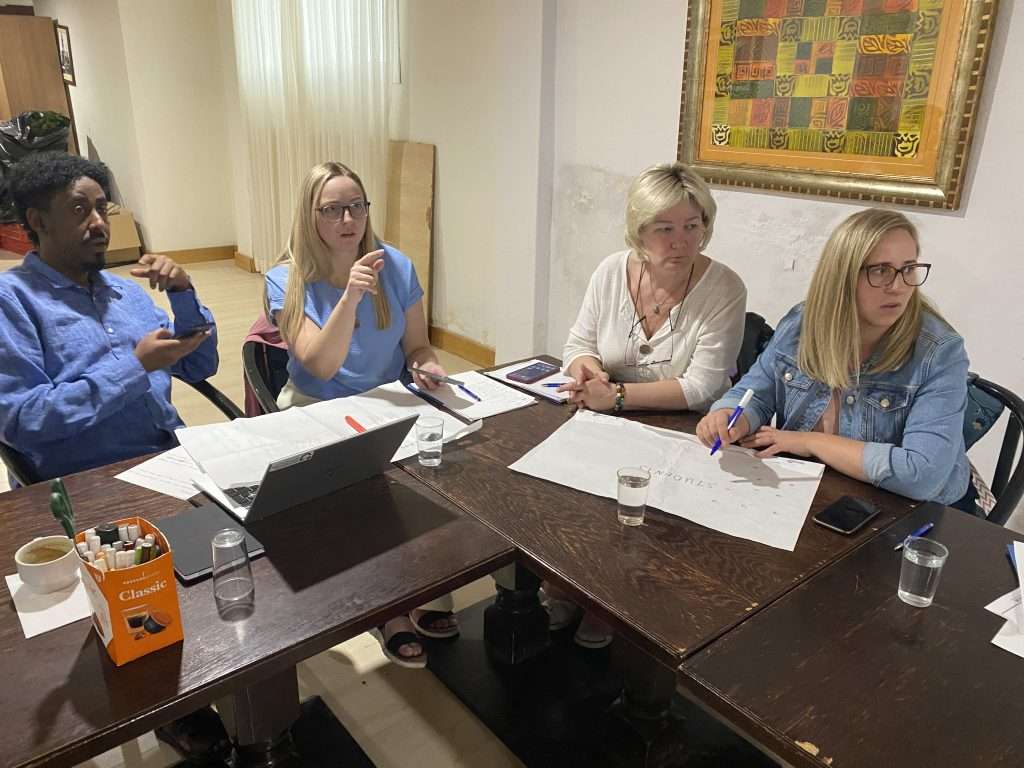
During the course, we addressed some of the main challenges related to cultural diversity. A TED Talk encouraged us to rethink the way we ask questions about identity — suggesting that instead of asking “Where are you from?” we might ask “Where are you local?” This small change highlights that identity is shaped not only by nationality, but by culture, experiences, and the many interconnected layers that form who we are.
Of course, it is impossible to talk about diversity without discussing stereotypes. We explored why stereotypes exist, how they are formed, and the impact they can have — both negative and, in some cases, seemingly positive. Through storytelling activities, we saw how stereotypes can easily develop into judgments and even discrimination.
We also touched on the sensitive topics of awareness and respect. The way we see the world depends on the “glasses” we wear — and those glasses are shaped by our identity, culture, and values. Through various activities and simulations focused on critical thinking, we reflected on how our values influence culture, and how culture influences us in return.
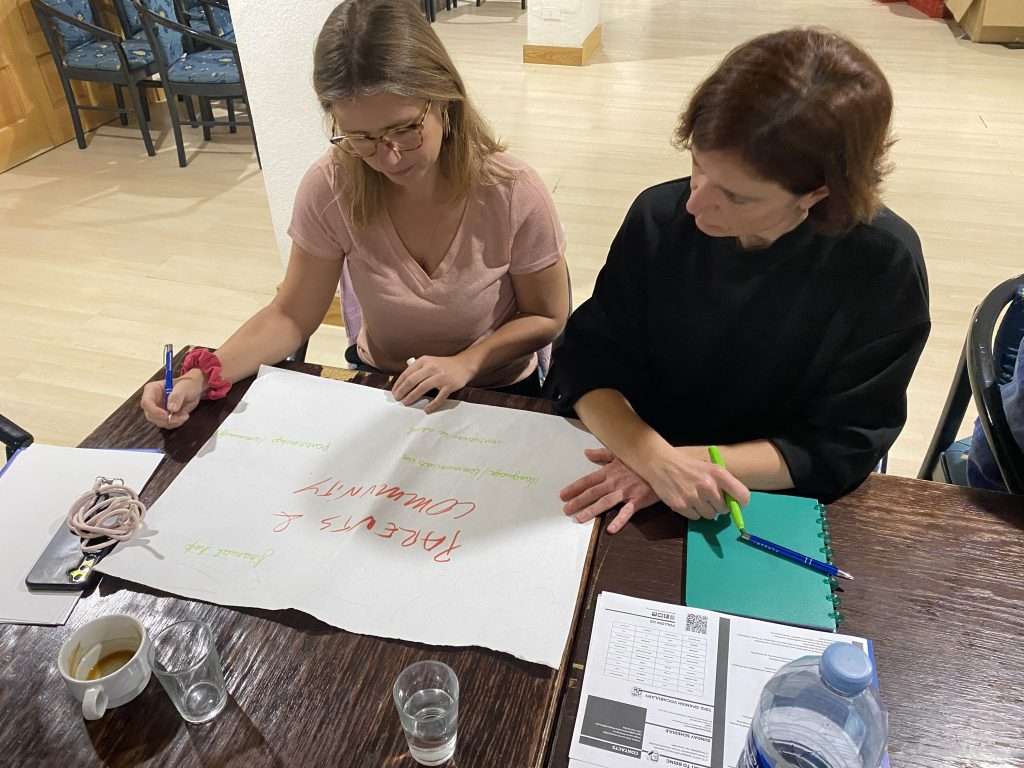
Another important part of the course focused on belonging and membership. Participants experienced what it feels like to be excluded and reflected on how challenging it can be to truly include others in group dynamics. The “geese exercise,” which explored different leadership styles, perfectly illustrated these ideas.
Last but not least, we dedicated time to empathy. We explored emotions and encouraged teachers to step into other people’s shoes. Being aware of our own feelings is essential, but it is equally important to learn — and to teach students — how to express them in a healthy and respectful way.
Overall, it was an inspiring week filled with new knowledge, practical activities, meaningful discussions, shared experiences, and many emotions.
En savoir plus sur ce cours ici.
Where this course took place: Erasmus courses for teachers in Tenerife
Planning your own Erasmus+ course? Téléchargez le catalogue des formations 2026-2027
 English (UK)
 Español
 Italiano
 Deutsch
 Română
 Български
 Čeština
 Ελληνικά
 Polski
 Português
 Français