Nowadays, schools and educational programs are welcoming a wide variety of people whose socio-cultural backgrounds are very diverse. To help students adjusting to a new cultural environment, on the one hand, and to model critical and open minds valuing and celebrating diversity rather than rejecting it, on the other, is one of the biggest challenges for teachers.
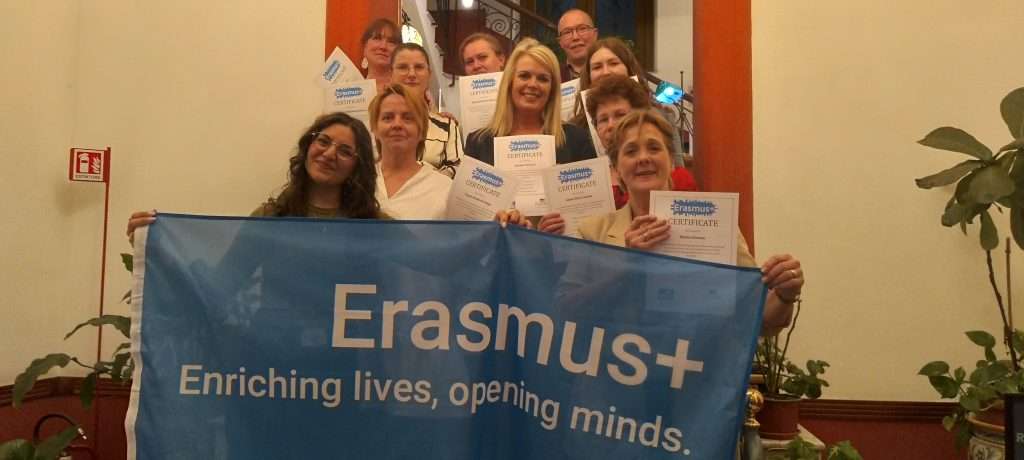
The new edition of the course “Intercultural learning and cultural diversity in the classroom” took place in Palermo from 08/03/2026 to 14/03/2026. The participants came from all across Europe, with Yrjö Juhani from Adult Education Centre of Seinäjoki and Lia from Helsingfors svenska arbetarinstitut both in Finland, Rachel, Grace and Sheila from Nenagh Community Training Centre in Ireland, Tünde from Külső-Pesti Tankerületi Központ in Hungary, Adela, Adriana and Andreea from Centrul Școlar de Educație Incluzivă in Romania.
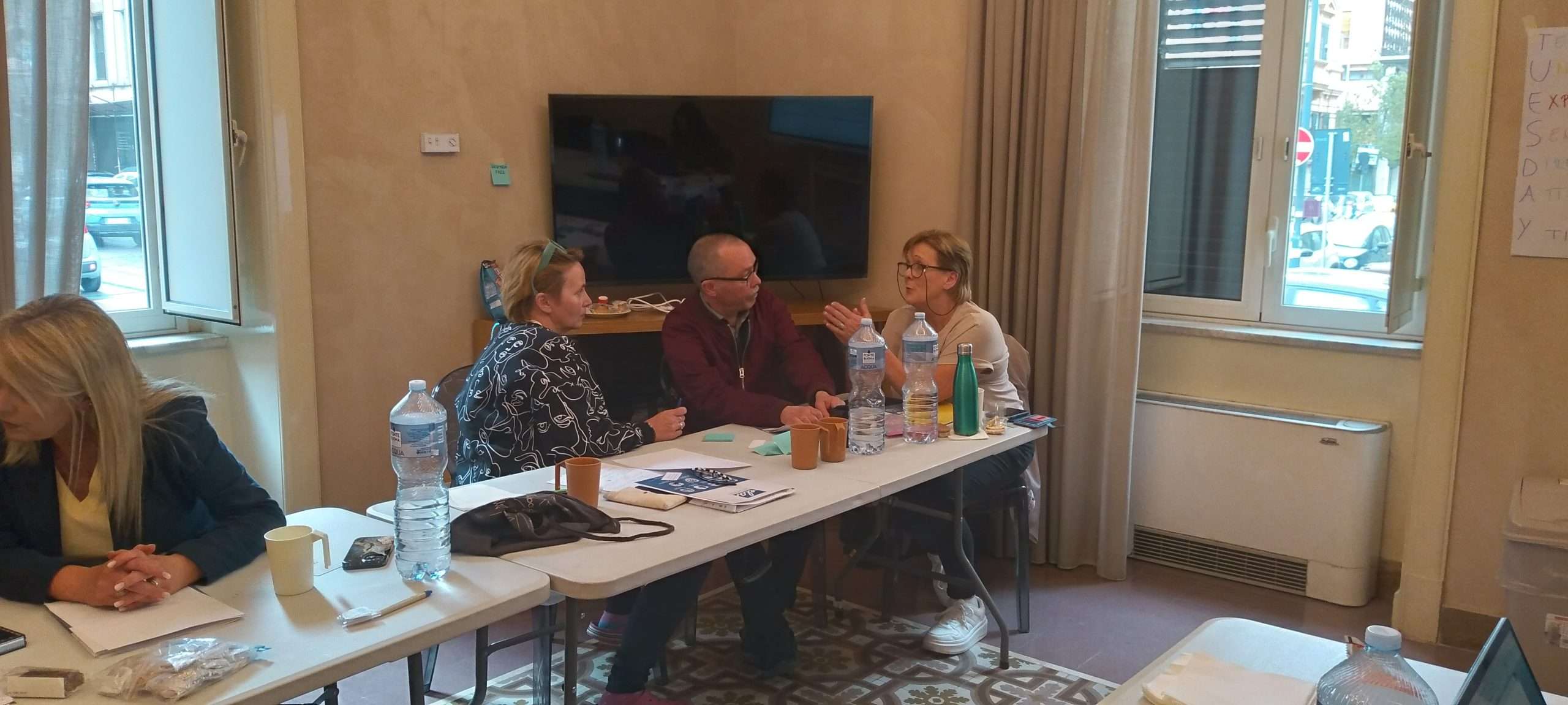
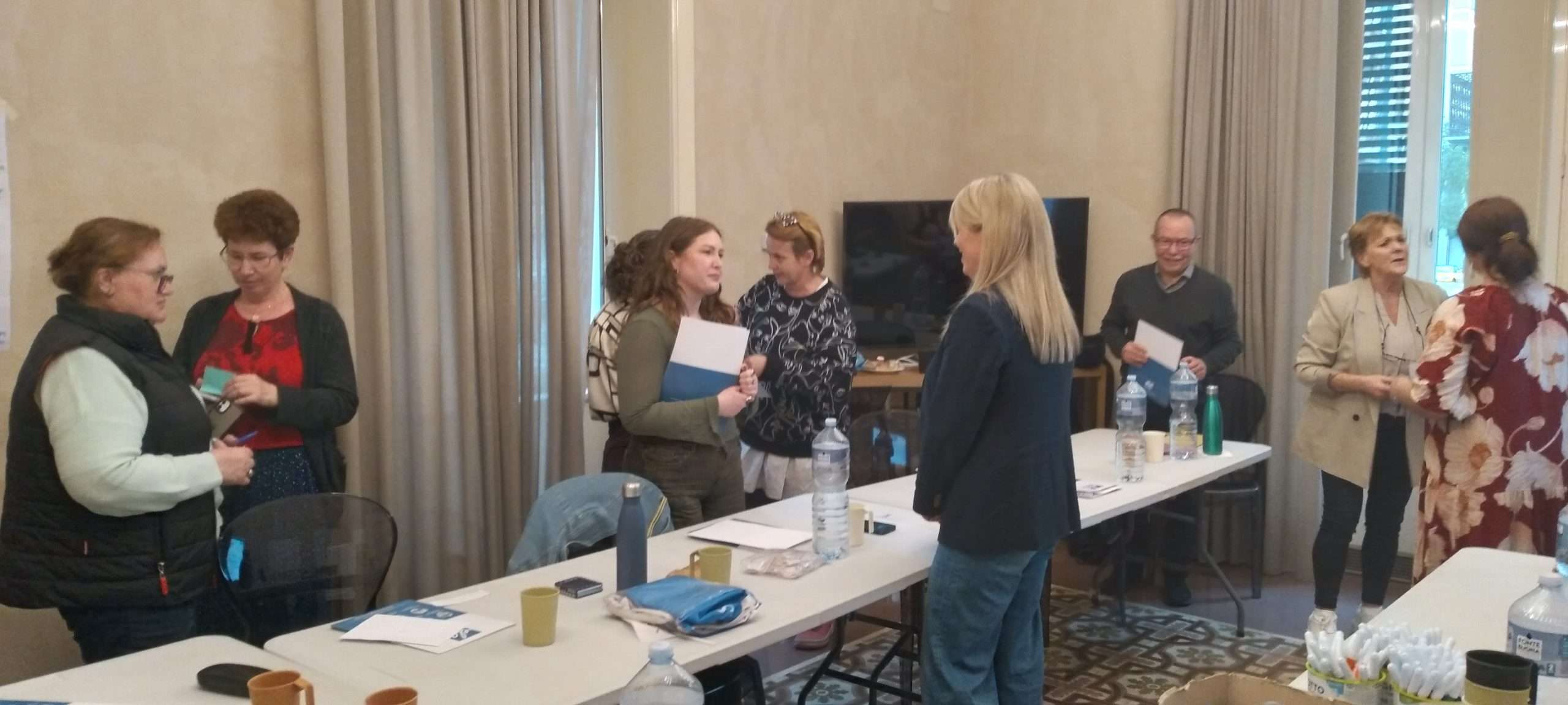
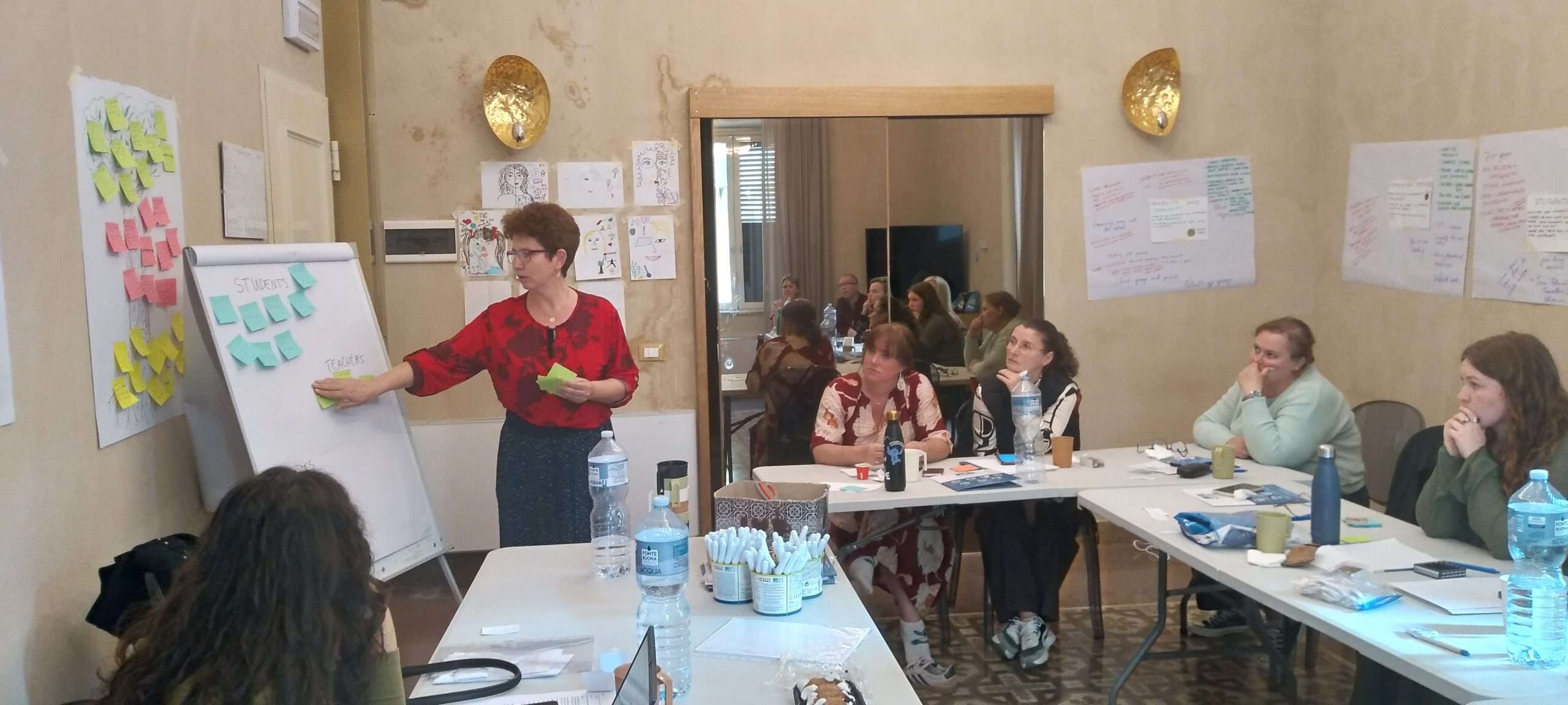
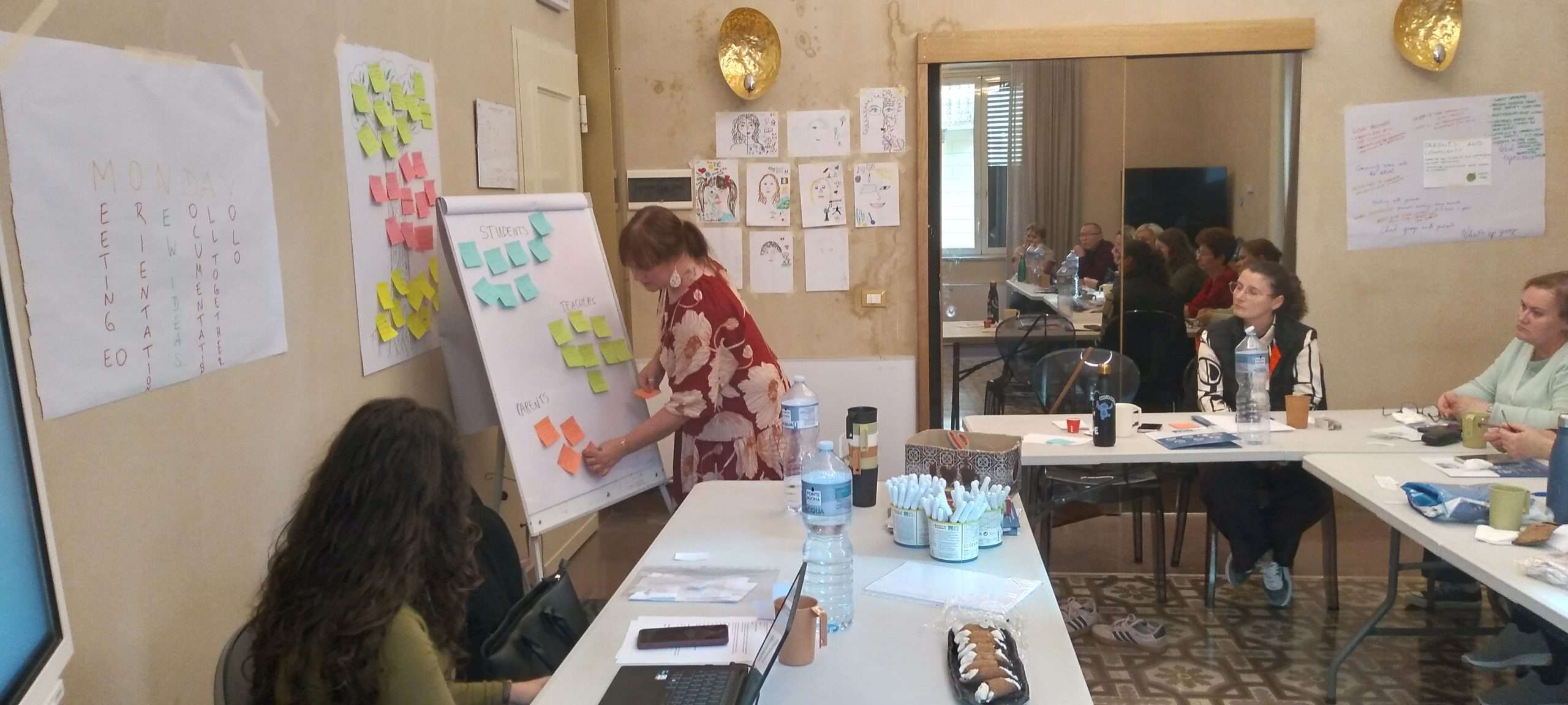
The course started with acknowledging the importance of reflecting on the meaning of words. The participant altogether tried to build an understanding of what “intercultural learning” means to them and explored the differences between “multicultural”, “cross-cultural” y “intercultural” to become more attentive in describing and interpreting the interaction of different cultures.
During the course we worked on the exploration of the link between culture and education. Participants got involved into some activities to become more aware of how cultures influence teaching y learning styles. The goal of the exercise was to think about the attention and sensitivity that teachers need when specific cultural patterns arise in the classroom.
We investigated the concept of identidad as a first step to go deep into diversity. From a visual activity, our participants thought about their own identity and the relation that identity has with culture.
A continuación, los participantes realizaron un ejercicio de narración sobre los estereotipos. En conjunto descubrimos el significado de los el círculo vicioso de los estereotipos. They were invited to reflect about how stereotypes can convert into prejudices and discrimination, generating a vicious cycle that strengthens stereotypes. As put in an inspiration TED Talk we saw – “Show a people as one thing — as only one thing — over and over again, and that is what they become.”
El último tema sobre el que trabajamos fue inclusión. First, participants have been involved in simulation activities to acknowledge and discuss about the challenges of comunicación intercultural. Las actividades pueden ayudar a los alumnos a cuestionar supuestos comunes mientras piensan en encontrar conexiones entre diferentes culturas. Otra ronda de actividades en grupo se realizó en torno al concepto de membership and empathy. Los retos de grupo propuestos pueden adaptarse a diferentes asignaturas y actividades de clase, permitiendo a los estudiantes comprender las importancia para cada miembro de la clase aportar contribuciones valiosas y empatizar con las necesidades y diversidades de los demás compañeros de clase.
As part of the learning process and the inter-cultural scheme of the course, participants were thus given the chance to see Palermo from another perspective, making them even more eager and curious to put the knowledge gained in classroom into action while discovering the city and interacting with our locals.
Más información sobre este curso aquí.
Where this course took place: Erasmus courses for teachers in Palermo
Planning your own Erasmus+ course? Descarga el catálogo de cursos 2026-2027
 English (UK)
 Español
 Italiano
 Deutsch
 Română
 Български
 Čeština
 Ελληνικά
 Polski
 Português
 Français