Nowadays, schools and educational programs are welcoming a wide variety of people whose socio-cultural backgrounds are very diverse. To help students adjusting to a new cultural environment, on the one hand, and to model critical and open minds valuing and celebrating diversity rather than rejecting it, on the other, is one of the biggest challenges for teachers.
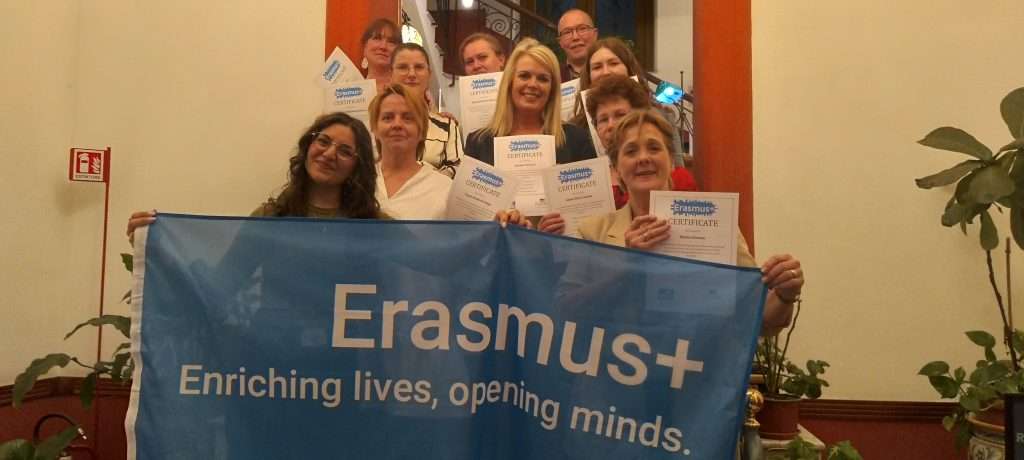
The new edition of the course “Intercultural learning and cultural diversity in the classroom” took place in Palermo from 08/03/2026 to 14/03/2026. The participants came from all across Europe, with Yrjö Juhani from Adult Education Centre of Seinäjoki and Lia from Helsingfors svenska arbetarinstitut both in Finland, Rachel, Grace and Sheila from Nenagh Community Training Centre in Ireland, Tünde from Külső-Pesti Tankerületi Központ in Hungary, Adela, Adriana and Andreea from Centrul Școlar de Educație Incluzivă in Romania.
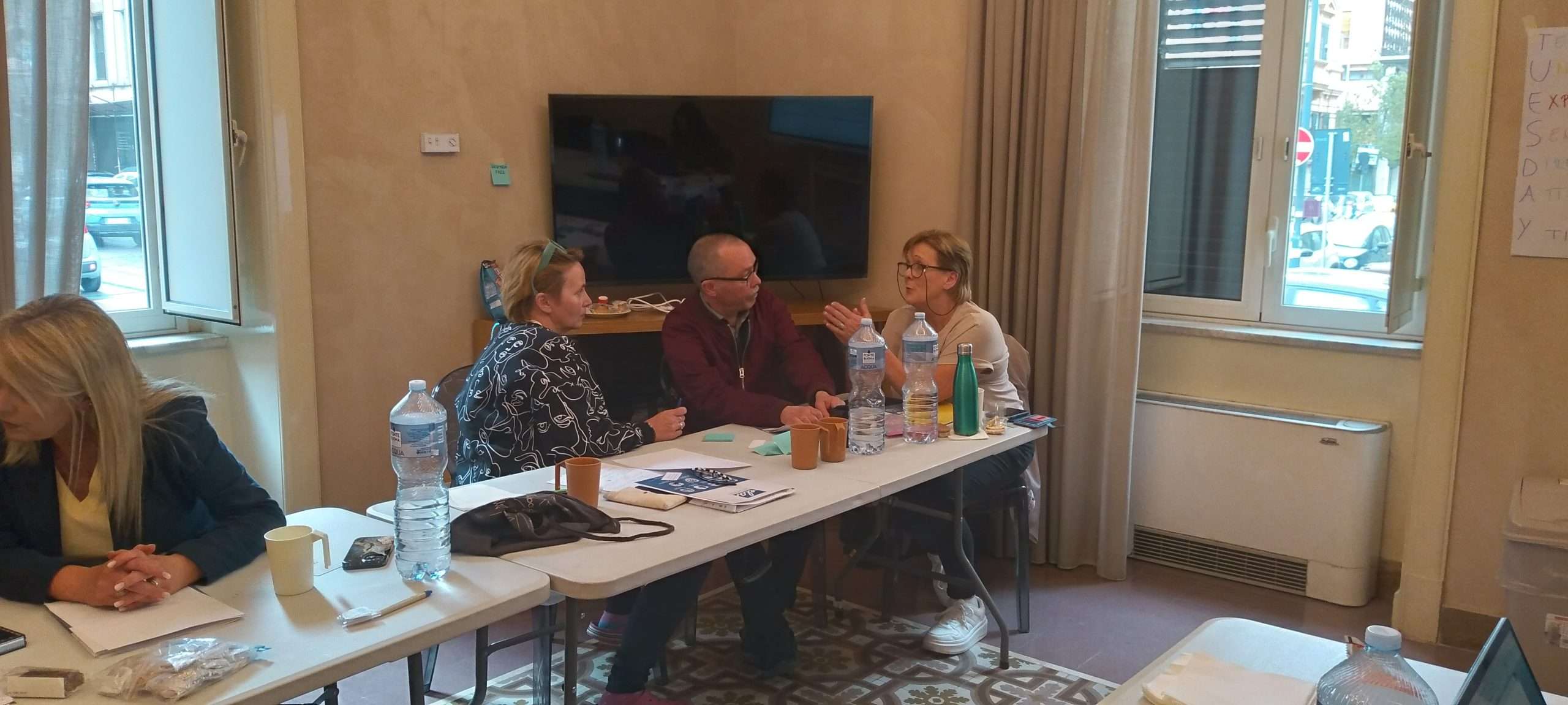
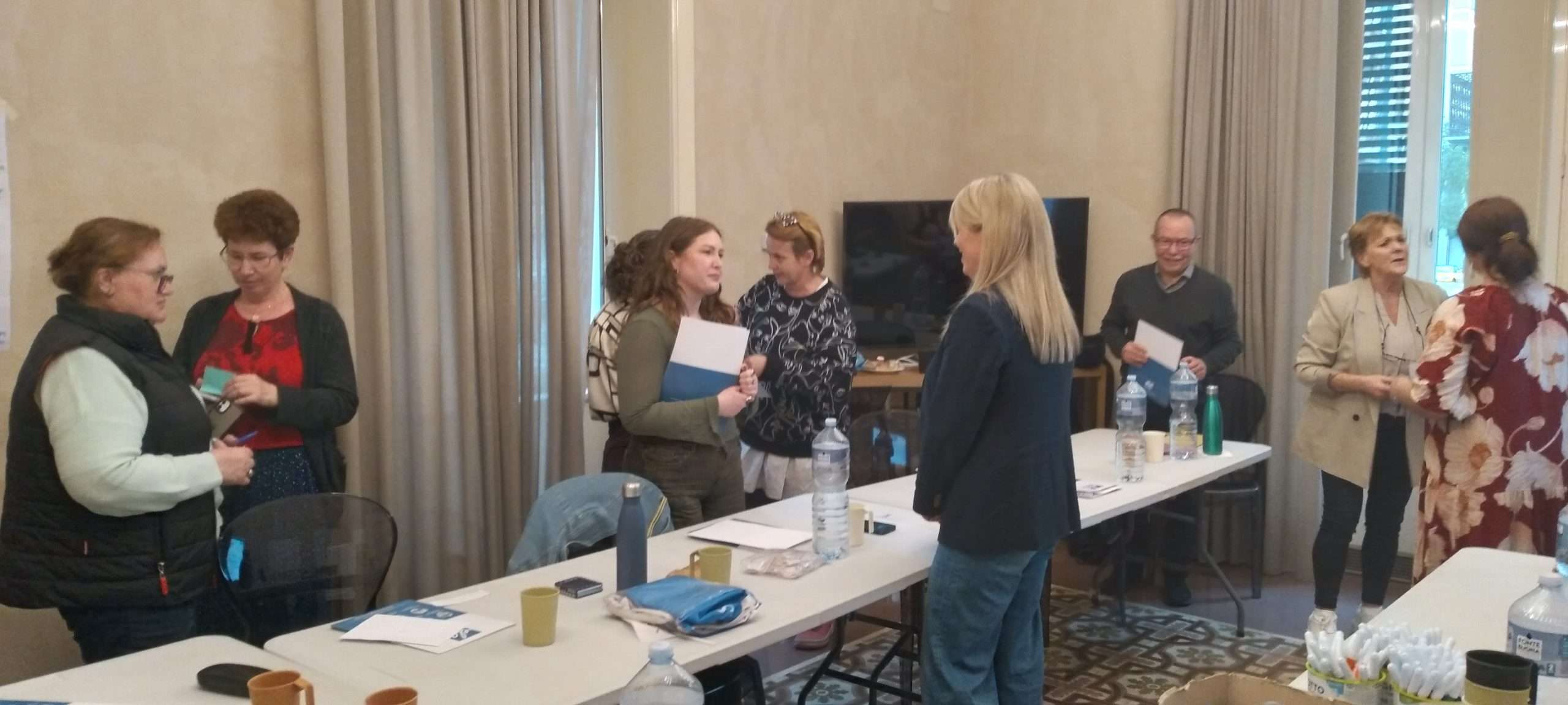
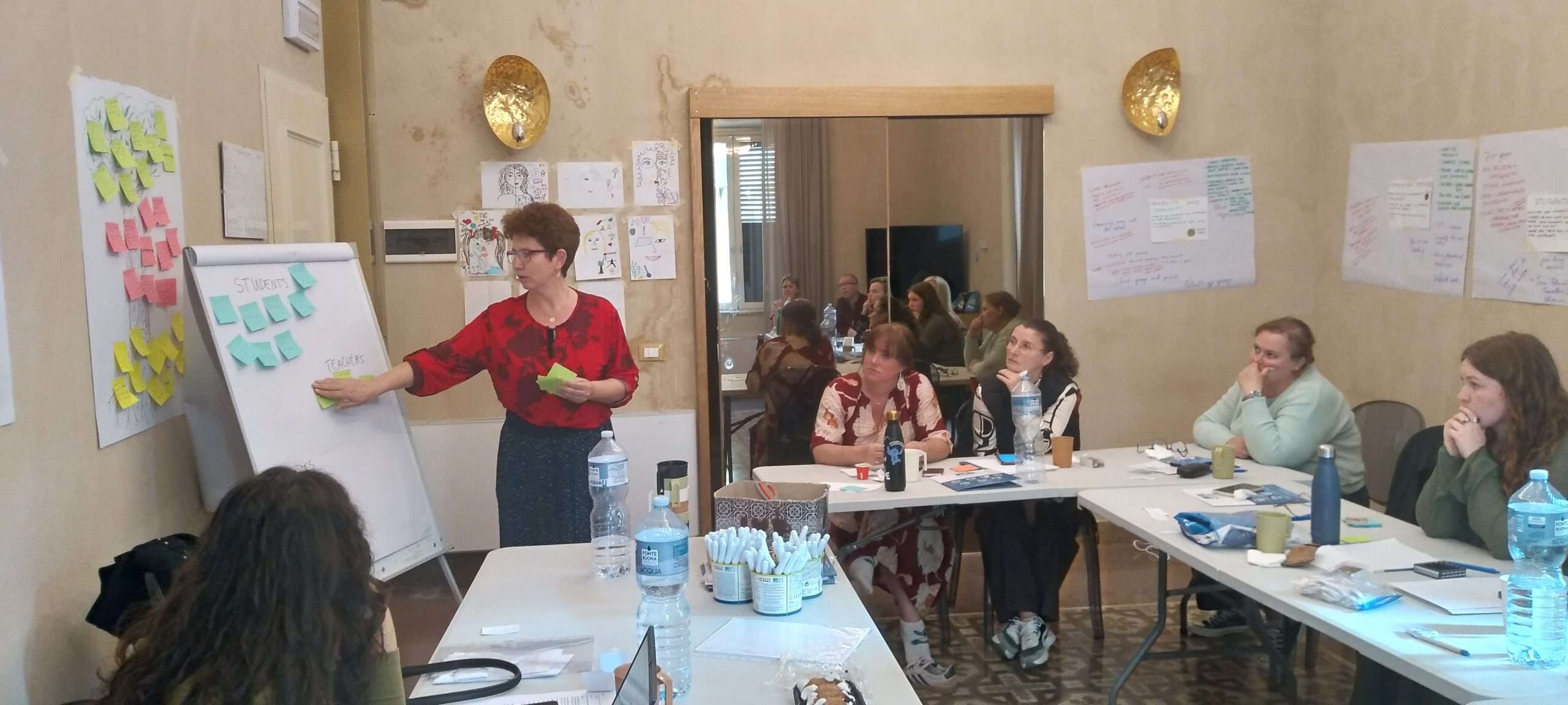
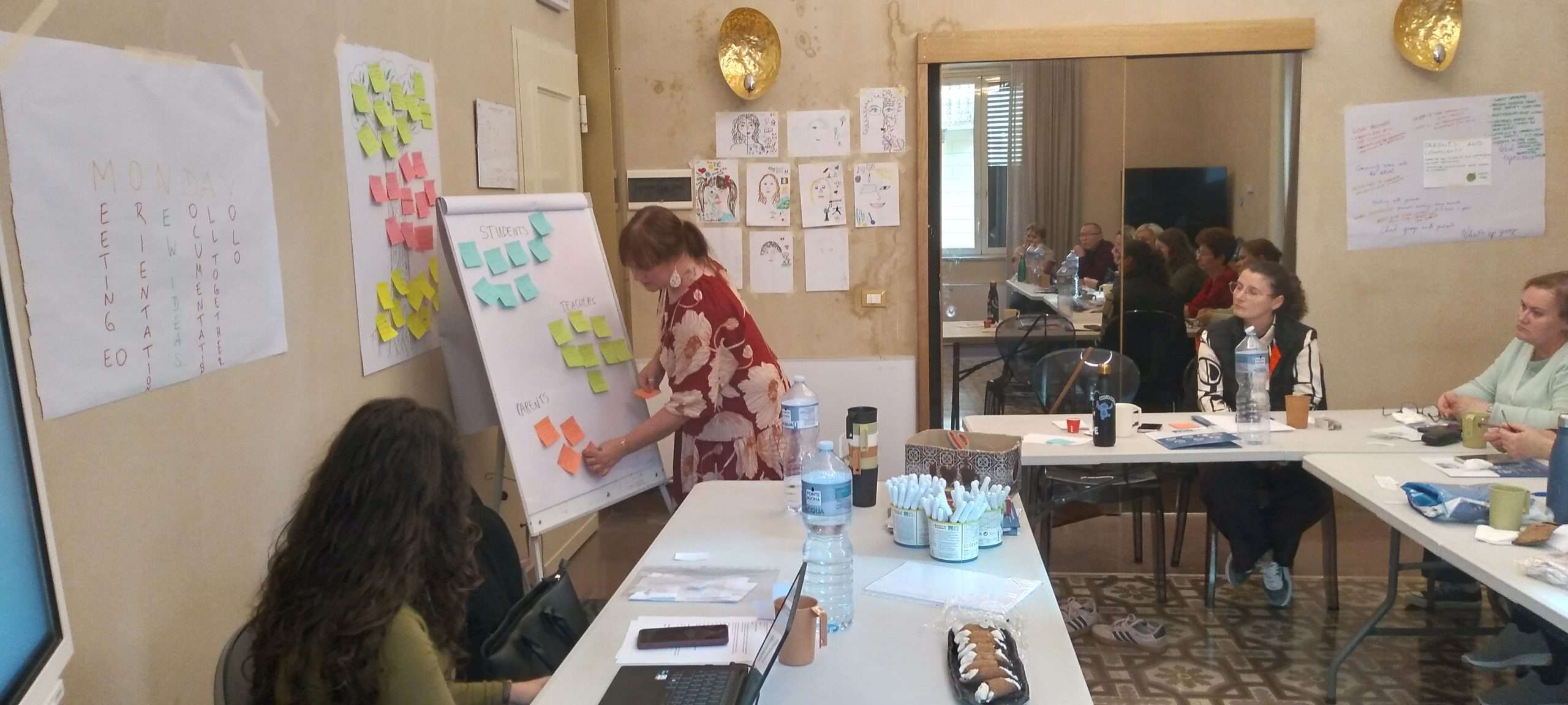
The course started with acknowledging the importance of reflecting on the meaning of words. The participant altogether tried to build an understanding of what “intercultural learning” means to them and explored the differences between “multicultural”, “cross-cultural” e “intercultural” to become more attentive in describing and interpreting the interaction of different cultures.
During the course we worked on the exploration of the link between culture and education. Participants got involved into some activities to become more aware of how cultures influence teaching e stili di apprendimento. The goal of the exercise was to think about the attention and sensitivity that teachers need when specific cultural patterns arise in the classroom.
We investigated the concept of identità as a first step to go deep into diversity. From a visual activity, our participants thought about their own identity and the relation that identity has with culture.
Successivamente, i partecipanti hanno svolto un esercizio di narrazione incentrato sugli stereotipi. Insieme abbiamo scoperto il significato del circolo vizioso degli stereotipi. They were invited to reflect about how stereotypes can convert into prejudices and discrimination, generating a vicious cycle that strengthens stereotypes. As put in an inspiration TED Talk we saw – “Show a people as one thing — as only one thing — over and over again, and that is what they become.”
L'ultimo argomento su cui abbiamo lavorato è stato inclusione. First, participants have been involved in simulation activities to acknowledge and discuss about the challenges of comunicazione interculturale. Le attività possono aiutare gli studenti a mettere in discussione i preconcetti comuni, spingendoli al contempo a riflettere su come individuare i legami tra culture diverse. È stata poi svolta un’altra serie di attività di gruppo incentrata sul concetto di membership and empathy. Le sfide di gruppo proposte possono essere adattate a diverse materie e attività didattiche, consentendo agli studenti di comprendere il importanza per ogni membro della classe per apportare contributi preziosi e per comprendere le esigenze e le diversità dei propri compagni di classe.
As part of the learning process and the inter-cultural scheme of the course, participants were thus given the chance to see Palermo from another perspective, making them even more eager and curious to put the knowledge gained in classroom into action while discovering the city and interacting with our locals.
Scopri di più su questo corso Qui.
Where this course took place: Erasmus courses for teachers in Palermo
Planning your own Erasmus+ course? Scarica il catalogo corsi 2026-2027
 English (UK)
 Español
 Italiano
 Deutsch
 Română
 Български
 Čeština
 Ελληνικά
 Polski
 Português
 Français