V dnešní době přijímají školy a vzdělávací programy širokou škálu lidí, jejichž sociokulturní zázemí je velmi rozmanité. Jednou z největších výzev pro učitele je jednak pomoci žákům přizpůsobit se novému kulturnímu prostředí, a jednak být vzorem kritického a otevřeného myšlení, které rozmanitost oceňuje a oslavuje, místo aby ji odmítalo.
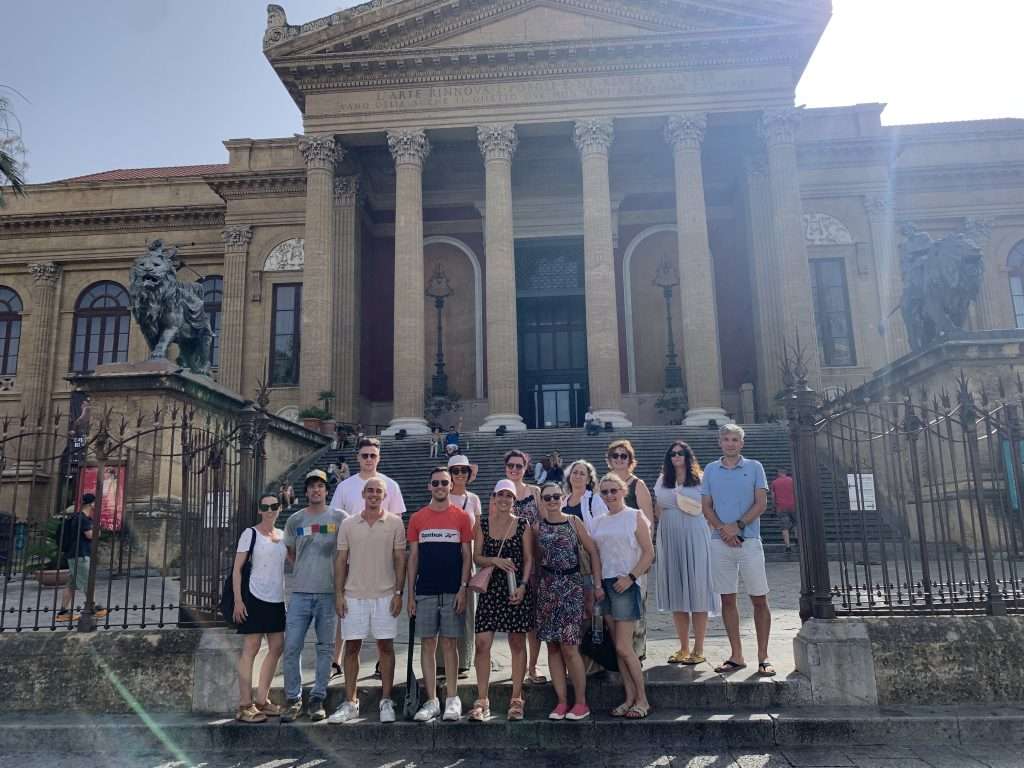
The new edition of the course “Intercultural learning and cultural diversity in the classroom” took place in Palermo from 19/07/2026 to 25/07/2026. The participants came from all across Europe, with Hanna and Dorota from Szkoła Podstawowa im. Królowej Jadwigi w Jerzykowie, Poland ; Laura from Ammattiopisto Spesia, Finland ; Sanita from Rīga Stradiņš University, Latvia ; Marisa and Luis from Centro Concertado Fundación Flors, Spain ; Christina from Gymnasieskolan Vipan, Sweden ; Sanna from Hyrylän yläaste, Finland ; Emese from Budapest University of Technology and Economics, Hungary ; Soledad from Escola Oficial d’idiomes de Palma de Mallorca, Spain ; and finally, Cristina from Institut Bellvitge, Spain.
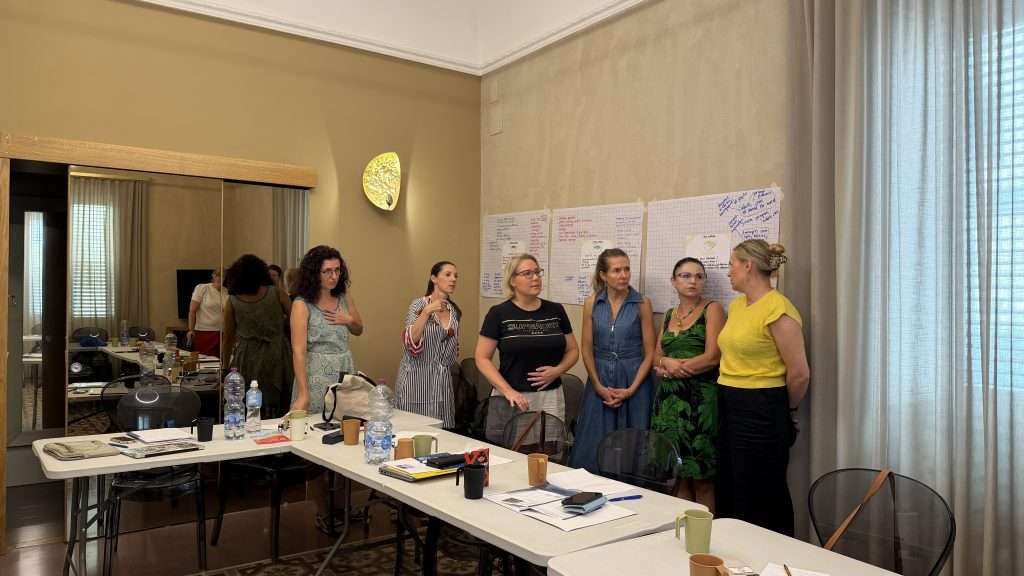
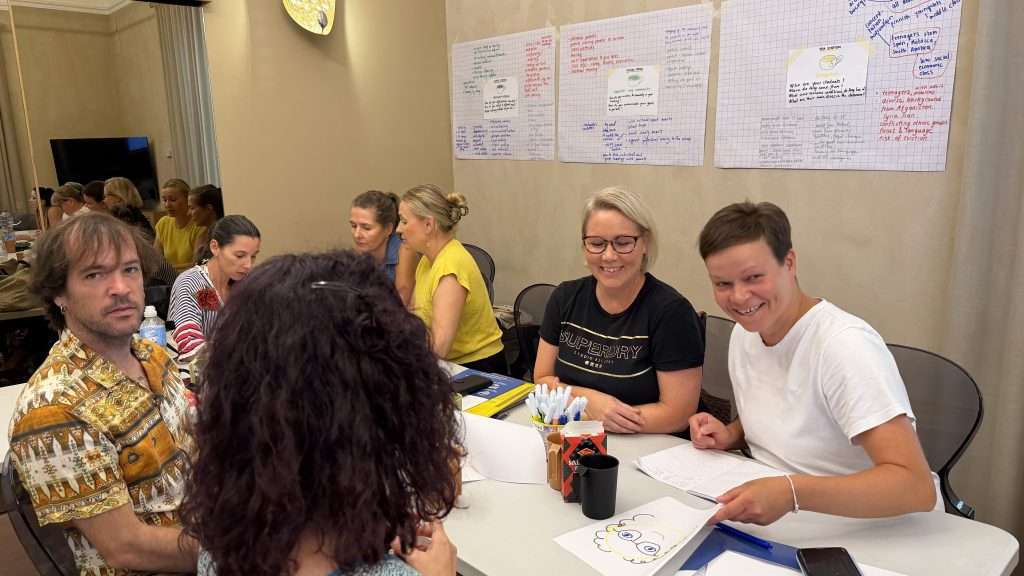
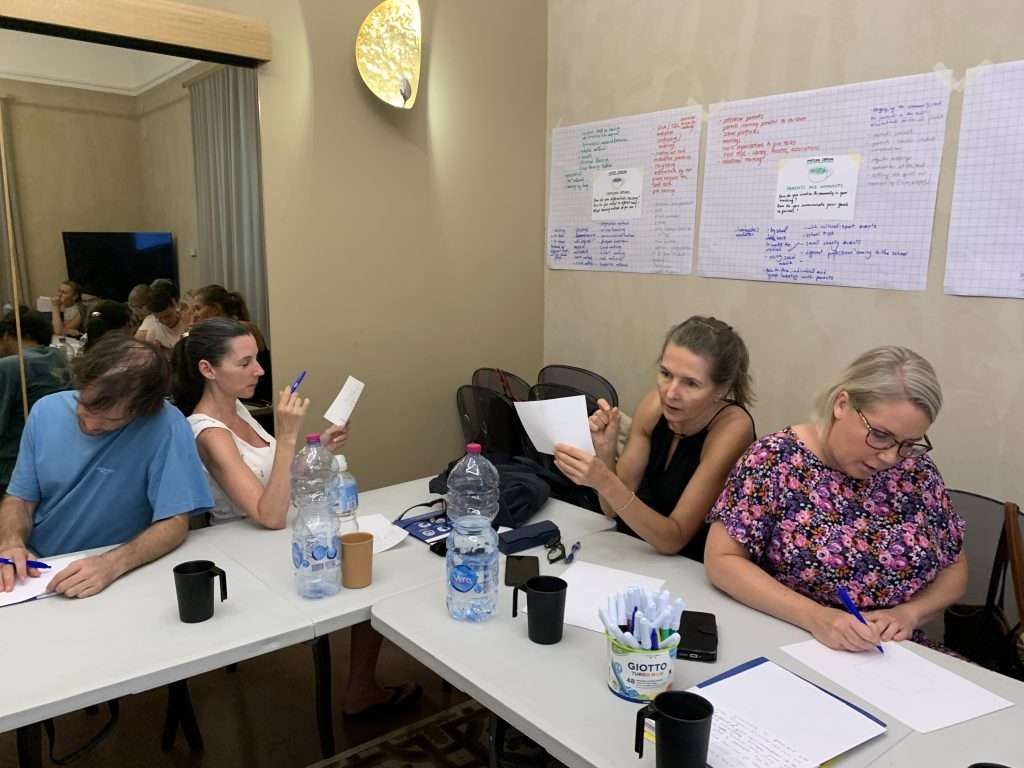
The course started with acknowledging the importance of the concept of identity as a first step to go deep into diversity. From a visual activity, our participants thought about their own identity and the relation that identity has with culture. This allows the group to debate and to discover the theory of cultural intelligence to build an understanding of what “intercultural learning” means to them.
Next, participants engaged in a storytelling exercise about stereotypes. Altogether we discovered the meaning of the začarovaný kruh stereotypů. They were invited to reflect about how stereotypes can convert into prejudices and discrimination, generating a vicious cycle that strengthens stereotypes. As put in an inspirational TED Talk we saw – “Ukažte lidem něco jako jedinou věc – jako jedinou věc – znovu a znovu, a právě tím se stanou.”
The last topic we worked on was inkluze. First, participants have been involved in simulation activities to acknowledge and discuss about the challenges of mezikulturní komunikace. The activities can help students questioning common assumptions while thinking about finding connections among different cultures. Another round of group activities was performed around the concept of členství a empatie. Navrhné skupinové úkoly lze přizpůsobit různým předmětům a aktivitám ve třídě, což žákům umožní pochopit význam pro každého člena třídy aby přispěli cennými příspěvky a aby vcítit se do potřeb a rozmanitosti ostatních spolužáků.
During the course we worked on the exploration of the link between culture and education. Participants got involved into some activities to become more aware of jak kultury ovlivňují výuku a styly učení. Cílem tohoto cvičení bylo zamyslet se nad pozorností a citlivostí, které učitelé potřebují, když se ve třídě objeví specifické kulturní vzorce.
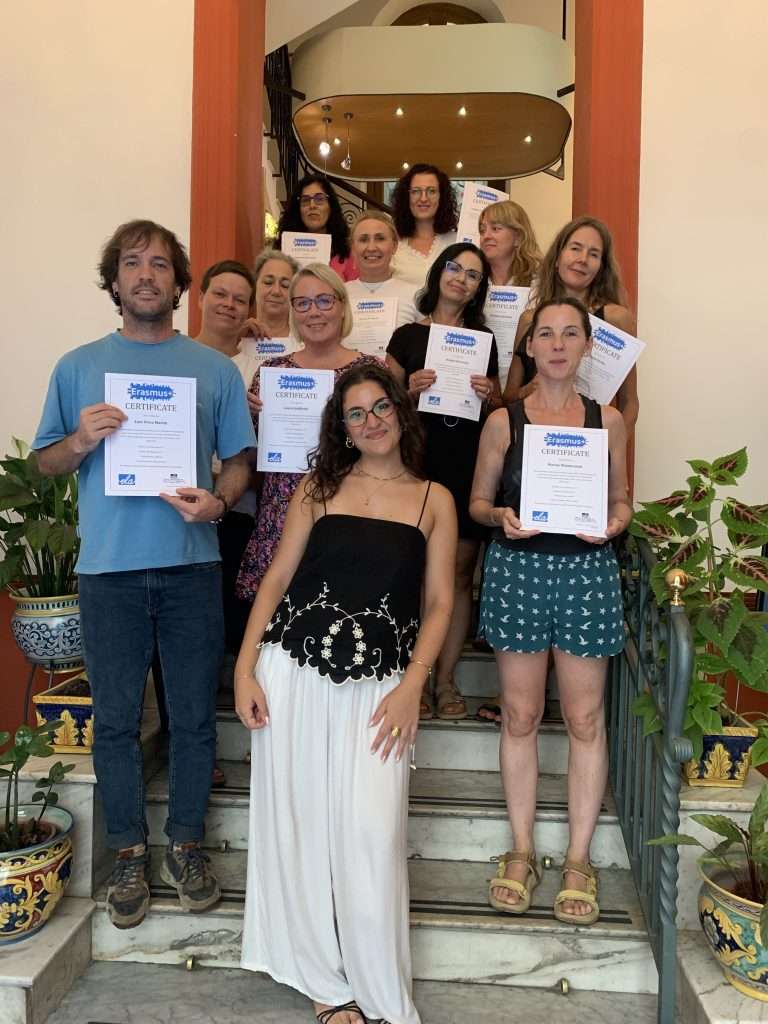
As part of the learning process and the (inter) cultural offer of the course, participants had the chance to share experiences and to debate about them, making them even more eager and curious to put the knowledge gained in the classroom into action while discovering the city and interacting with our locals.
Zjistěte více o tomto kurzu zde.
Where this course took place: Erasmus courses for teachers in Palermo
Planning your own Erasmus+ course? Stáhněte si katalog kurzů 2026-2027
 English (UK)
 Español
 Italiano
 Deutsch
 Română
 Български
 Čeština
 Ελληνικά
 Polski
 Português
 Français