Nowadays, schools and educational programs are welcoming a wide variety of people whose socio-cultural backgrounds are very diverse. To help students adjust to a new cultural environment, on the one hand, and to model critical and open minds valuing and celebrating diversity rather than rejecting it, on the other, is one of the biggest challenges for teachers.
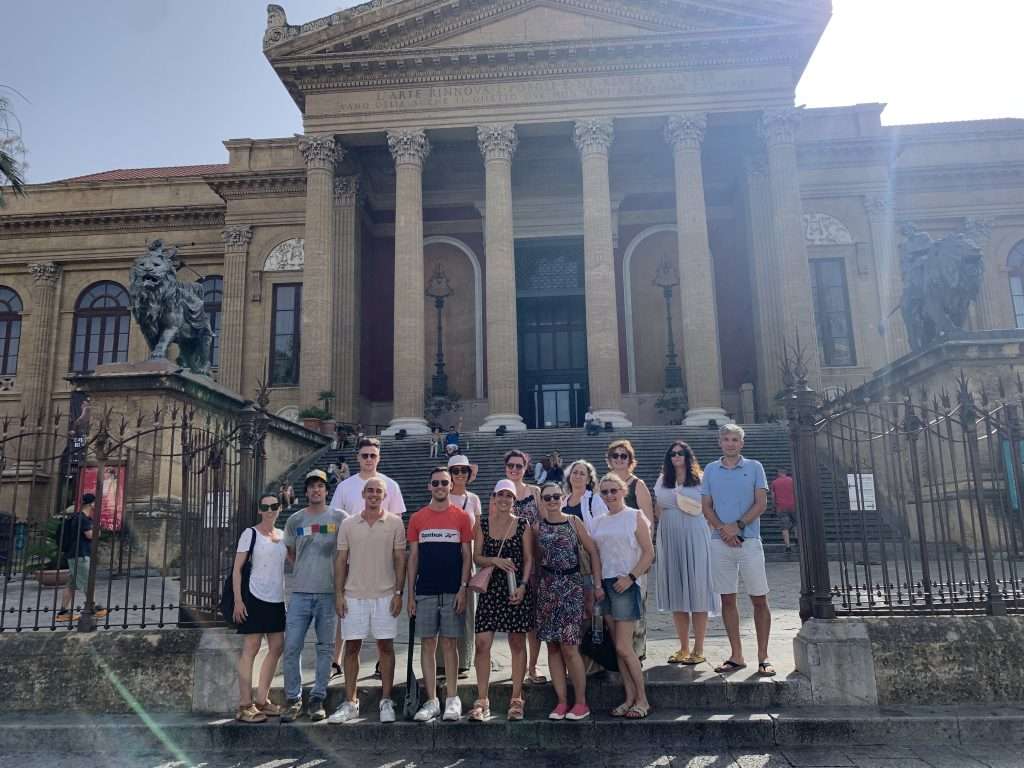
The new edition of the course “Intercultural learning and cultural diversity in the classroom” took place in Palermo from 19/07/2026 to 25/07/2026. The participants came from all across Europe, with Hanna and Dorota from Szkoła Podstawowa im. Królowej Jadwigi w Jerzykowie, Poland ; Laura from Ammattiopisto Spesia, Finland ; Sanita from Rīga Stradiņš University, Latvia ; Marisa and Luis from Centro Concertado Fundación Flors, Spain ; Christina from Gymnasieskolan Vipan, Sweden ; Sanna from Hyrylän yläaste, Finland ; Emese from Budapest University of Technology and Economics, Hungary ; Soledad from Escola Oficial d’idiomes de Palma de Mallorca, Spain ; and finally, Cristina from Institut Bellvitge, Spain.
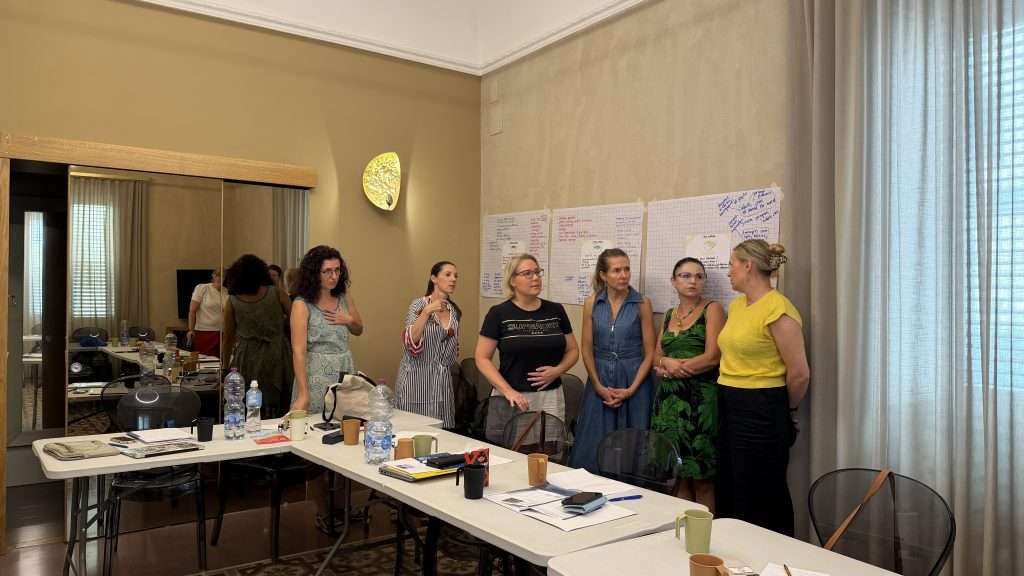
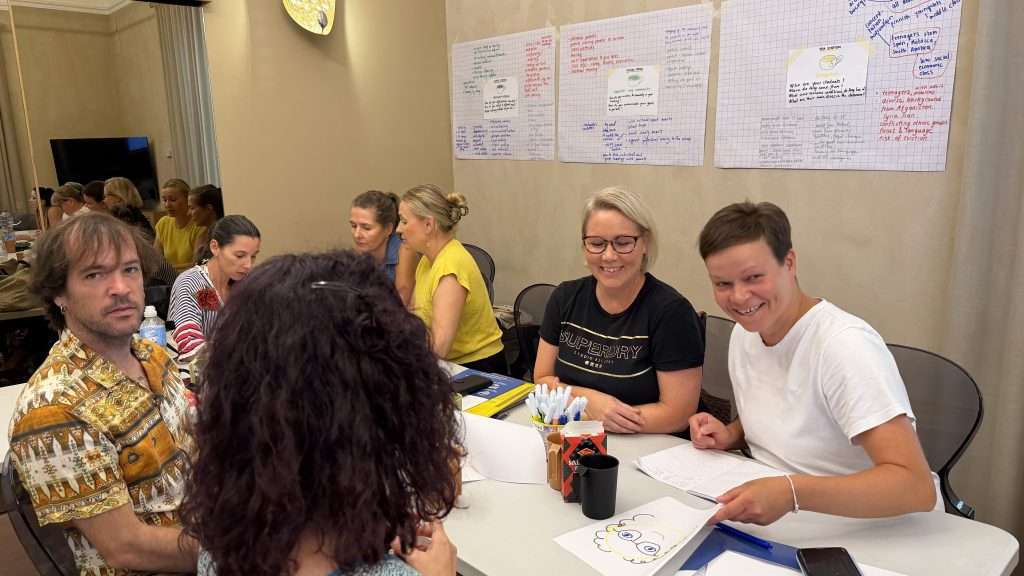
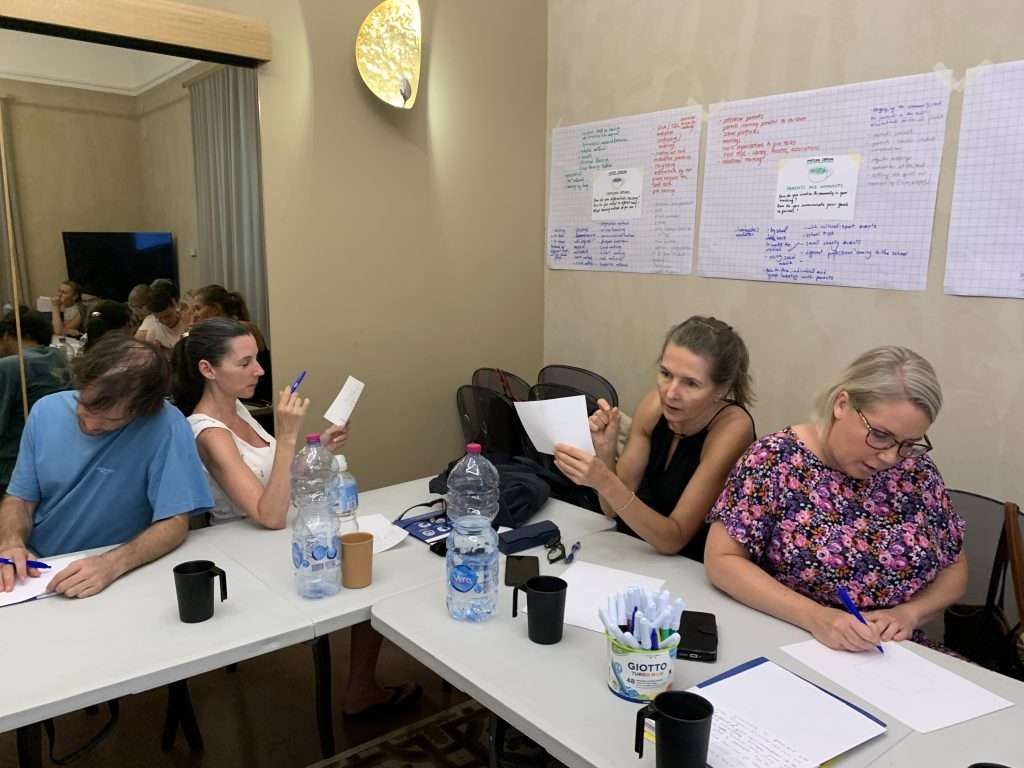
The course started with acknowledging the importance of the concept of identity as a first step to go deep into diversity. From a visual activity, our participants thought about their own identity and the relation that identity has with culture. This allows the group to debate and to discover the theory of cultural intelligence to build an understanding of what “intercultural learning” means to them.
Next, participants engaged in a storytelling exercise about stereotypes. Altogether we discovered the meaning of the vicious cycle of stereotypes. They were invited to reflect about how stereotypes can convert into prejudices and discrimination, generating a vicious cycle that strengthens stereotypes. As put in an inspirational TED Talk we saw – “Show a people as one thing — as only one thing — over and over again, and that is what they become.”
Ostatnim tematem, nad którym pracowaliśmy, był inkluzja. Po pierwsze, uczestnicy brali udział w ćwiczeniach symulacyjnych mających na celu uświadomienie sobie i omówienie wyzwań związanych z komunikacja międzykulturowa. Zajęcia te mogą pomóc uczniom w kwestionowaniu powszechnych założeń, jednocześnie zachęcając ich do poszukiwania powiązań między różnymi kulturami. Kolejna seria ćwiczeń grupowych została przeprowadzona w oparciu o koncepcję membership and empathy. Proponowane zadania grupowe można dostosować do różnych przedmiotów i zajęć w klasie, co pozwala uczniom zrozumieć znaczenie dla każdego ucznia w klasie aby wnieść cenny wkład oraz aby wczuwać się w potrzeby i różnorodność innych kolegów i koleżanek z klasy.
W trakcie kursu zajmowaliśmy się badaniem związku między kulturą a edukacją. Uczestnicy wzięli udział w kilku ćwiczeniach, aby lepiej uświadomić sobie jak kultury wpływają na nauczanie oraz style uczenia się. Celem tego ćwiczenia było zastanowienie się nad tym, jakiej wrażliwości i uwagi potrzebują nauczyciele, gdy w klasie pojawiają się określone wzorce kulturowe.
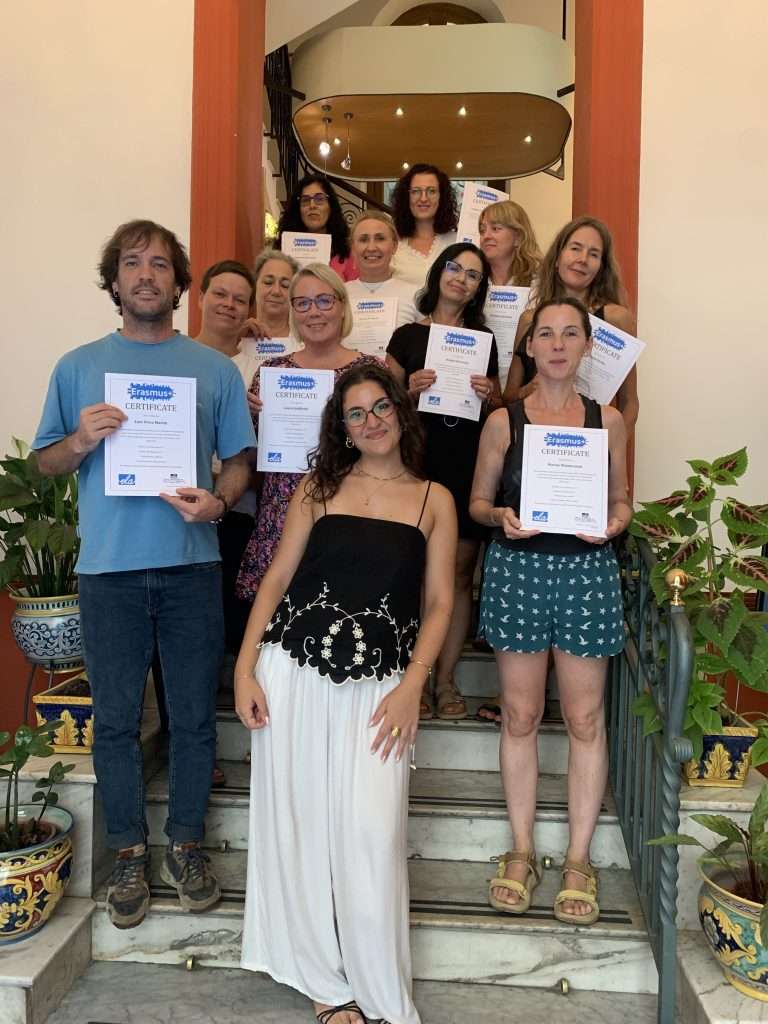
As part of the learning process and the (inter) cultural offer of the course, participants had the chance to share experiences and to debate about them, making them even more eager and curious to put the knowledge gained in the classroom into action while discovering the city and interacting with our locals.
Dowiedz się więcej o tym kursie Tutaj.
Where this course took place: Erasmus courses for teachers in Palermo
Planning your own Erasmus+ course? Pobierz katalog kursów 2026-2027
 English (UK)
 Español
 Italiano
 Deutsch
 Română
 Български
 Čeština
 Ελληνικά
 Polski
 Português
 Français