The aim of this training course is to explore and discuss a variety of strategies, teaching methods, and best practices that foster inclusion within the classroom. The course emphasizes empathy, cooperation, and a sense of belonging as fundamental pillars of inclusive education, encouraging learning environments where all students feel valued, supported, and actively involved in the educational process. The key words of this training are empatía, cooperación, y afiliación, como elementos caracterizadores de educación inclusiva.
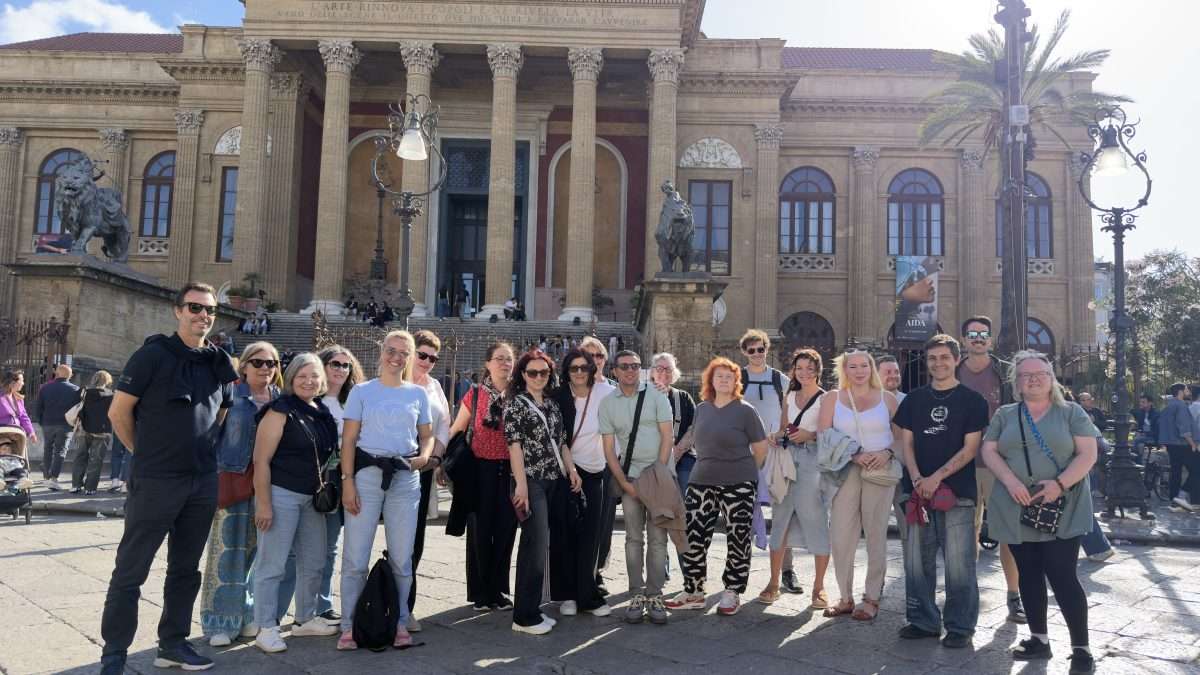
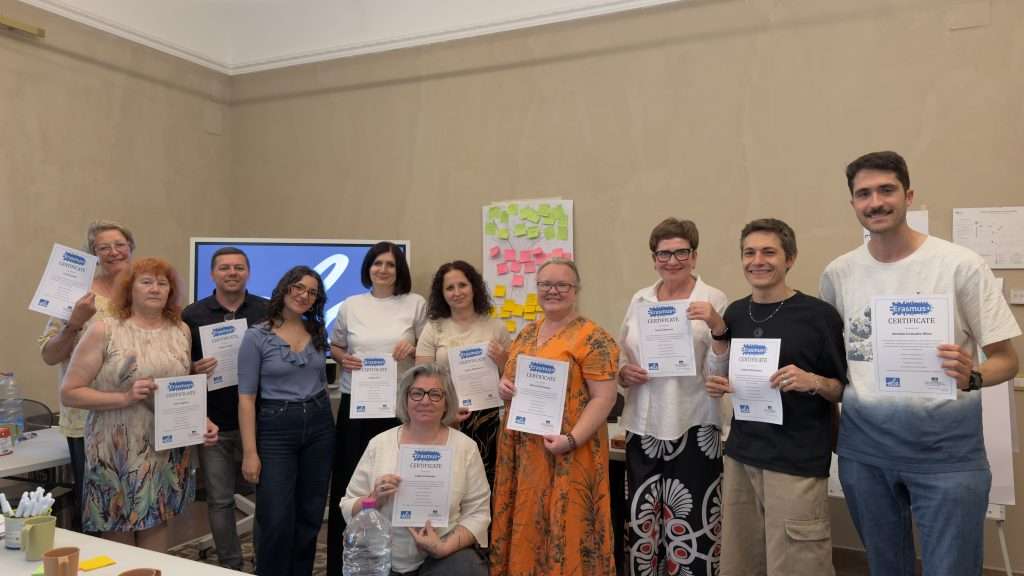
The new edition of the course “Special needs and inclusive education, the Italian experience of overcoming segregation” took place in Palermo de 17/05/2026 to 23/05/2026. The participants came from all across Europe, with Johanna from Live-säätiö sr (Finland), Inese and Iveta from Iecava Secondary School (Latvia), Natasa, Radica and Milan from Miloje Zakics (Serbia), Antonio from INS Estela Ibèrica (Spain), Martyna, Marta, Marlena and Angelika from Szkoła Podstawowa nr 3 im. Jana Pawła II (Poland) and then 3 french participants from two different schools, Lucie and Ludivine from Collège du Sacré Coeur and Emilien from Lycée Suger.
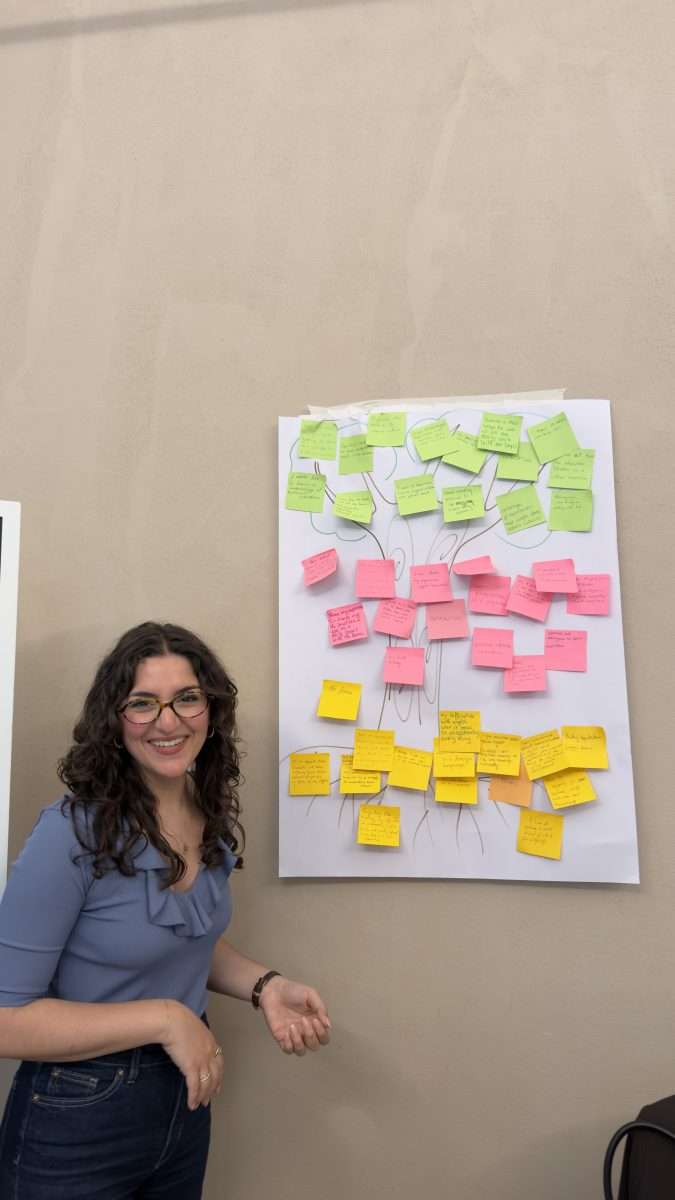
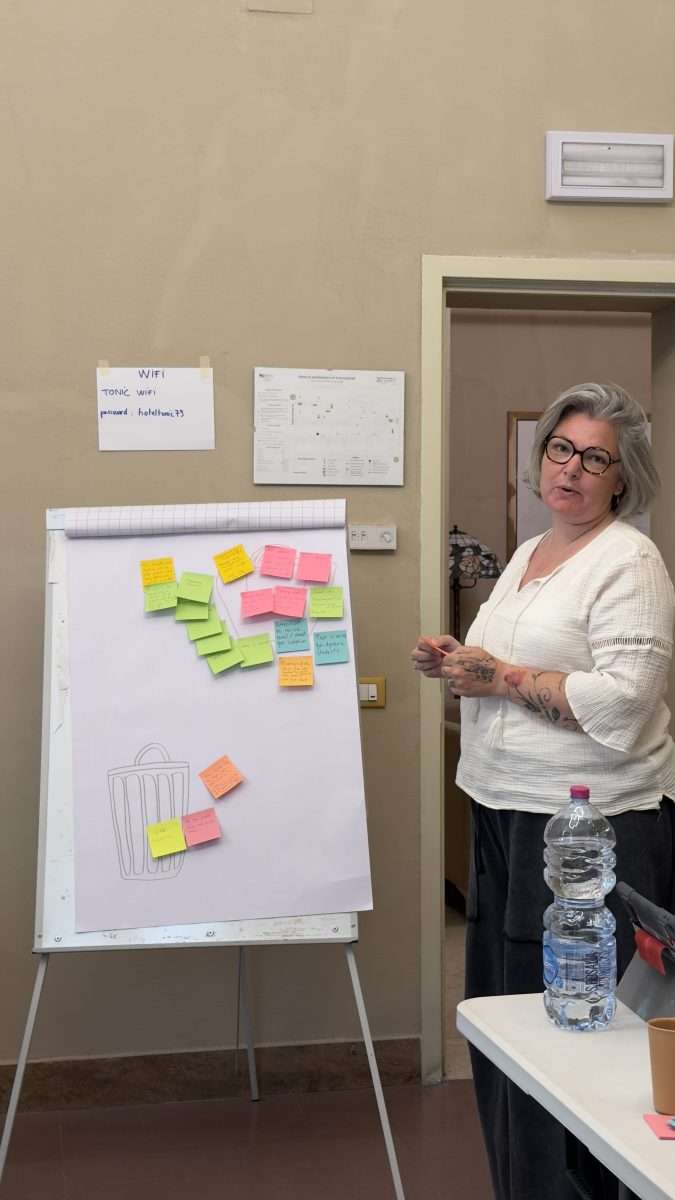
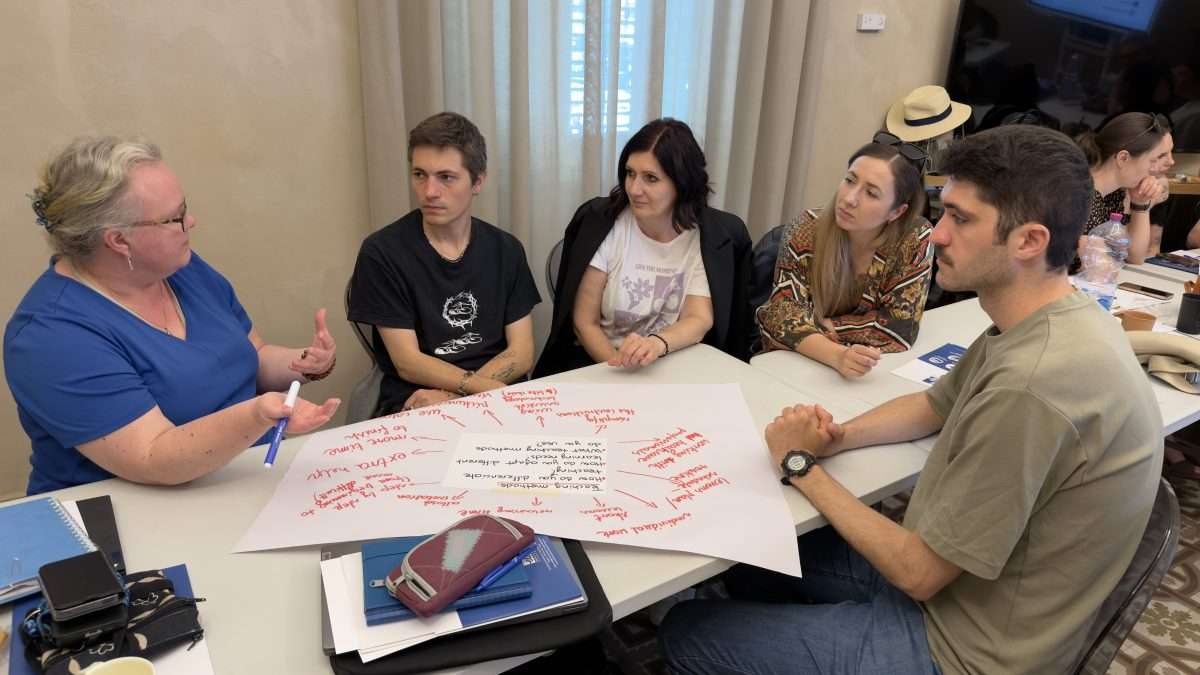
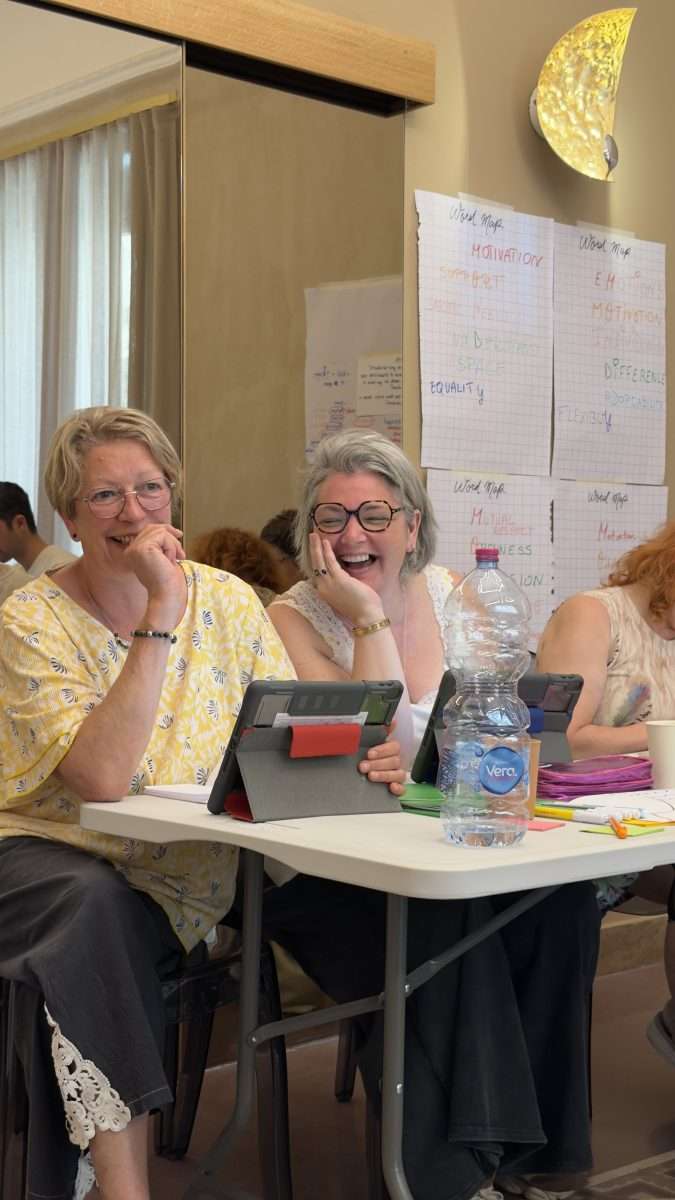
The first key concept explored during the training was “Empatía”, considered the foundation for building meaningful relationships between teachers, students, and families. Developing empathy means being able to understand others’ perspectives, listen without judgment, recognize emotions, and communicate that these emotions have been acknowledged and understood. These attitudes help create trust and strong interpersonal connections, which are essential in educational settings, particularly when supporting students with special educational needs or disabilities. Creating genuine connections with students allows teachers to better understand their individual challenges, strengths, and learning needs.
The second key concept, “Afiliación”, refers to the sense of belonging to a group and feeling that one’s presence and contribution are valued by others. In an inclusive classroom, fostering this sense of belonging is fundamental to students’ well-being and engagement. The training emphasized the importance of creating welcoming learning environments by removing physical and social barriers that may limit participation or communication. Promoting mutual understanding, tolerance, respect, and collaboration helps students feel accepted and supported, which positively influences both their confidence and their learning process.
The third concept addressed during the training was “Cooperación”, particularly in relation to collaboration between schools and families. Families are a central part of the support system surrounding students with special needs or disabilities, making strong communication and cooperation between teachers and parents essential. The course highlighted how teachers can play a guiding role not only for students, but also for families, by providing advice, resources, and strategies that help parents support their child’s educational development at home. Building this collaborative relationship contributes to a more consistent, supportive, and inclusive learning experience for the student.
Exploramos las peculiaridades del “Modelo italiano”, one of the few examples of inclusive education, that is based on the principle of not having special schools, and that embraces the idea to “include” everyone in the same system, counting on the support of special figures like Profesores de apoyo y Educadores.
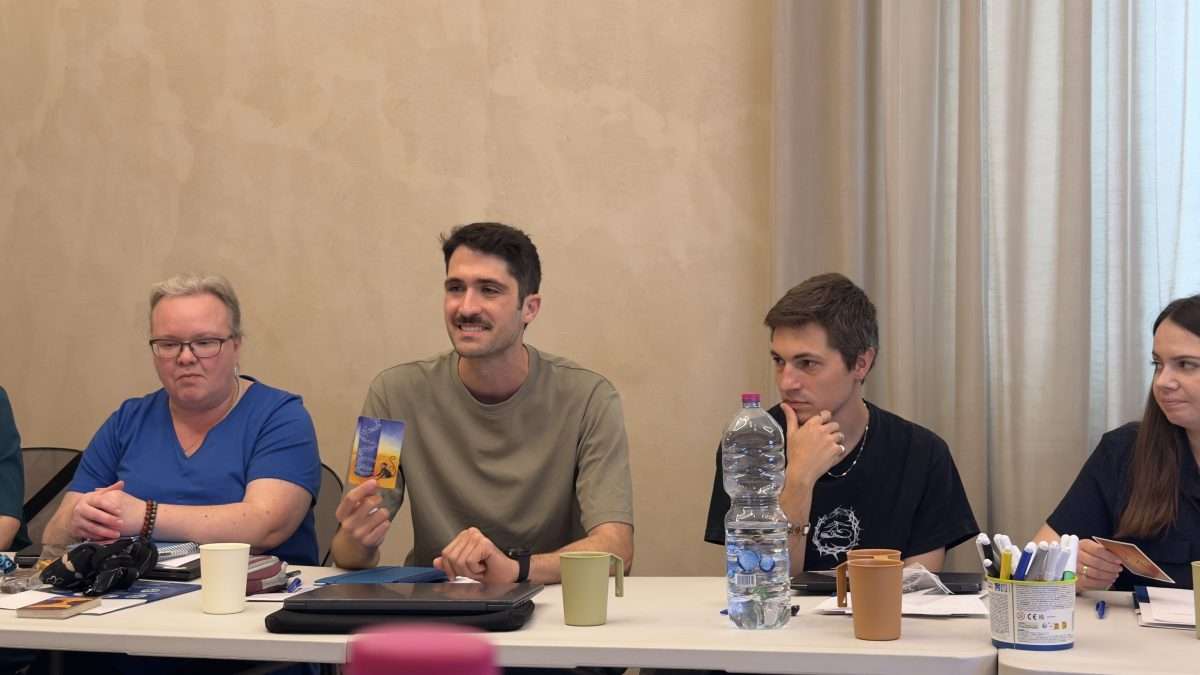
En actividades en red among participating teachers, perhaps, represented one of the most valuable moments of the training. These sessions provided a structured space for exchanging pedagogical approaches, classroom experiences, and inclusion strategies. This peer-to-peer dialogue allowed participants to confront different educational models, compare practices across contexts, and collectively enrich their understanding of inclusive teaching.
To gain a more concrete understanding of the Italian Model in practice, participants also visited two schools in Palermo: the Comprehensive School “Ficarazzi – Rosario Livatino” y el “Liceo Classico G. Meli”. These visits offered direct observation of how inclusive principles are translated into daily school life.
The training also introduced a variety of new tools and pedagogical models, encouraging participants to critically reflect on their own practices and question established strategies, with the aim of fostering continuous professional improvement.
Qué mejor conclusión que dar las gracias a todos los participantes, que han hecho de este curso algo único con su gran dedicación. ¡Esperamos verles pronto!
Más información sobre este curso aquí.
Where this course took place: Erasmus courses for teachers in Palermo
Planning your own Erasmus+ course? Descarga el catálogo de cursos 2026-2027
 English (UK)
 Español
 Italiano
 Deutsch
 Română
 Български
 Čeština
 Ελληνικά
 Polski
 Português
 Français