Being in contact with the outdoors has a considerable positive impact on the cognitive, behavioural and emotional development of human beings since prehistory. Even nowadays it is not unusual to feel inspired, intimidated or even influenced by walking in nature or admiring a natural or urban landscape. Outdoor education is an innovative teaching approach that offers the possibility to address two of the most important topics of today’s society: providing long-lasting high quality education and raising awareness on the importance of preserving our planet in the face of the daunting threat of climate change.
La nueva edición del curso “Educación al aire libre: una nueva forma de enseñar y aprender”tuvo lugar en Bolonia de 07.06.2026 a 13.06.2026. The participants came from different countries across Europe, with Eva (United Arab Emirates), Daniela, Elke and Hildegund from BBSIII Lüneburg (Germany), Olivier, Ariane and Karine from College Jean Rostand (France), Isabelle and Britta from Falkenhausenschule (Germany), Božena, Martina and Jana from Základná škola sv. Vincenta, Ružomberok (Slovakia), Piotr, Barbara and Jolanta from Szkoła Podstawowa Specjalna dla Dzieci z Autyzmem i Niepełnosprawnościami Sprzężonymi (Poland) and Michael and Katja from Maximilian-von-Montgelas Gymnasium Vilsbiburg (Germany).
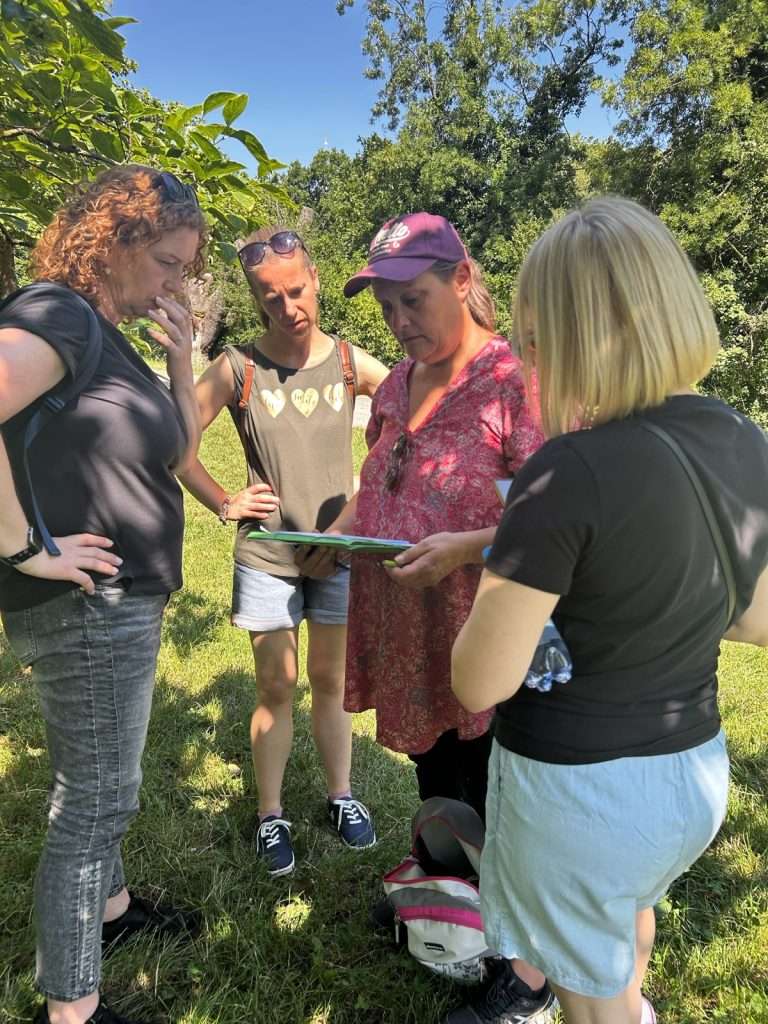
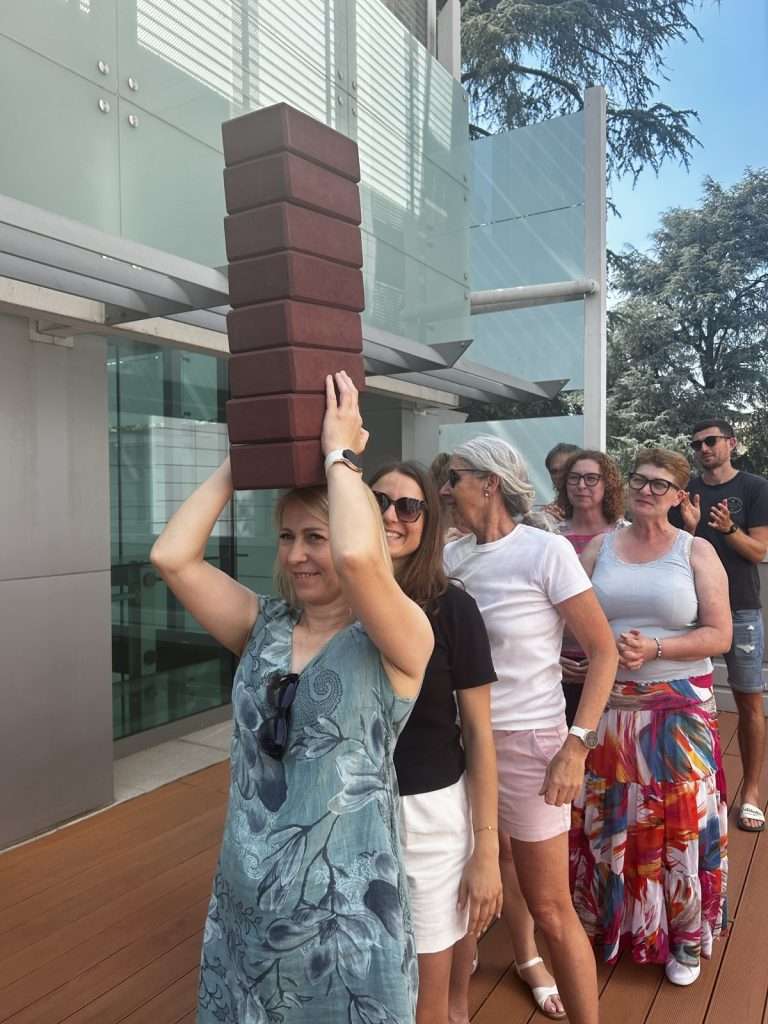
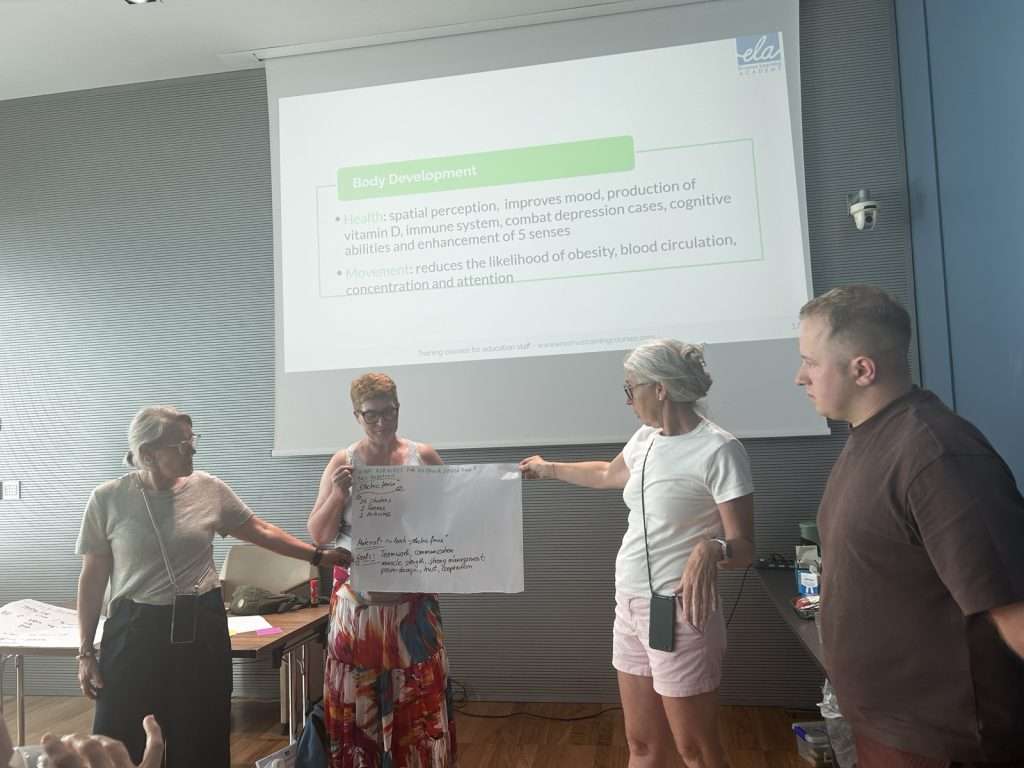
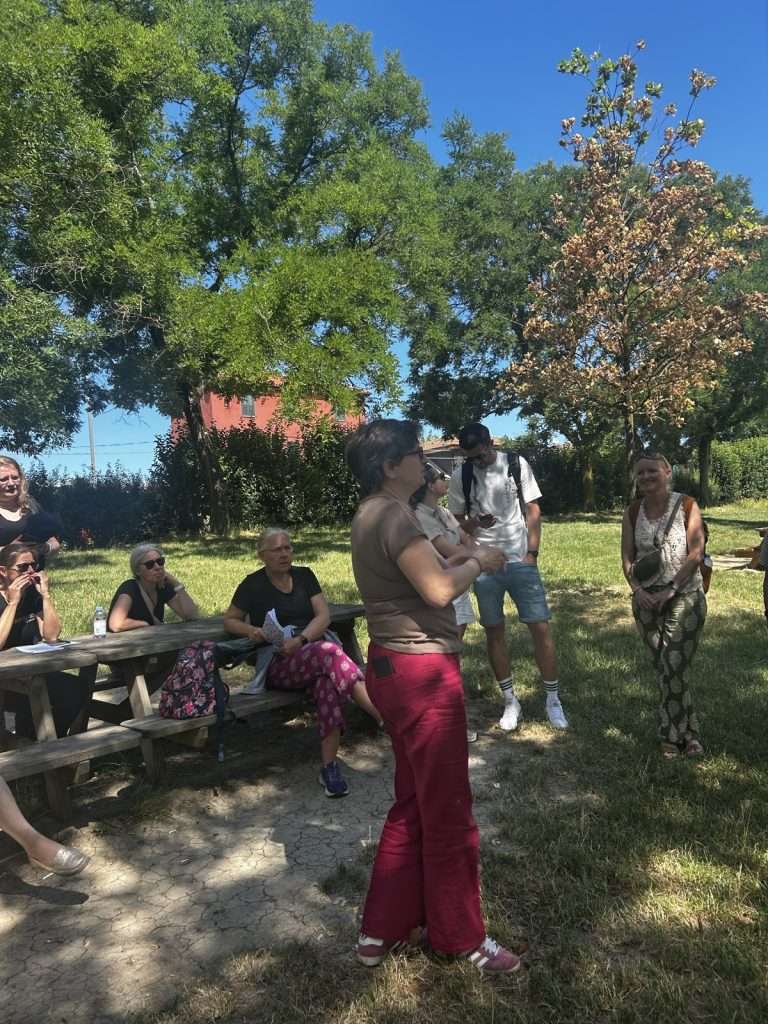
The week began with interactive ice-breaking activities y team-building energizers that created a welcoming and collaborative learning environment. Participants introduced themselves, shared their professional experiences, and reflected on the different Outdoor Education activities they had already implemented in their schools and organizations. Together, they explored various approaches to Outdoor Education, discussed its benefits and challenges, and collaboratively developed a common definition that served as the foundation for the rest of the course.
On Tuesday, participants visited Villa Ghigi Park, where they experienced a variety of practical Outdoor Education activities designed to foster trust, collaboration, problem-solving, and a deeper connection with nature. Through hands-on challenges and cooperative tasks, they discovered how natural environments can support experiential learning while strengthening communication, teamwork, and interpersonal relationships.
Wednesday focused on the theoretical foundations of Outdoor Education and its close relationship with Non-Formal Educación. Participants explored how experiential learning methodologies can complement formal teaching and discussed practical strategies for integrating outdoor activities into the school curriculum. The sessions highlighted the educational value of learning beyond the classroom and encouraged participants to identify opportunities for implementing Outdoor Education within their own teaching contexts.
On Thursday, the group travelled to the Laghetti di Corticella, where they explored the area through sensory activities combined with juegos de rol y narración de historias. By engaging their senses and imagination, participants experienced how creative educational methods can enhance observation, environmental awareness, and emotional engagement. The activities demonstrated how storytelling can transform outdoor spaces into meaningful learning environments that stimulate curiosity and active participation.
The final day took place in the historic Giardini Margherita, where participants learned about the park’s monumental trees by identifying, observing, and describing them. Alongside these practical activities, special attention was given to the importance of careful planning and risk assessment when organizing Outdoor Education experiences. Using the park map as a reference, participants discussed how to evaluate locations, anticipate potential risks, and design safe, engaging, and educational outdoor learning activities for learners of all ages.
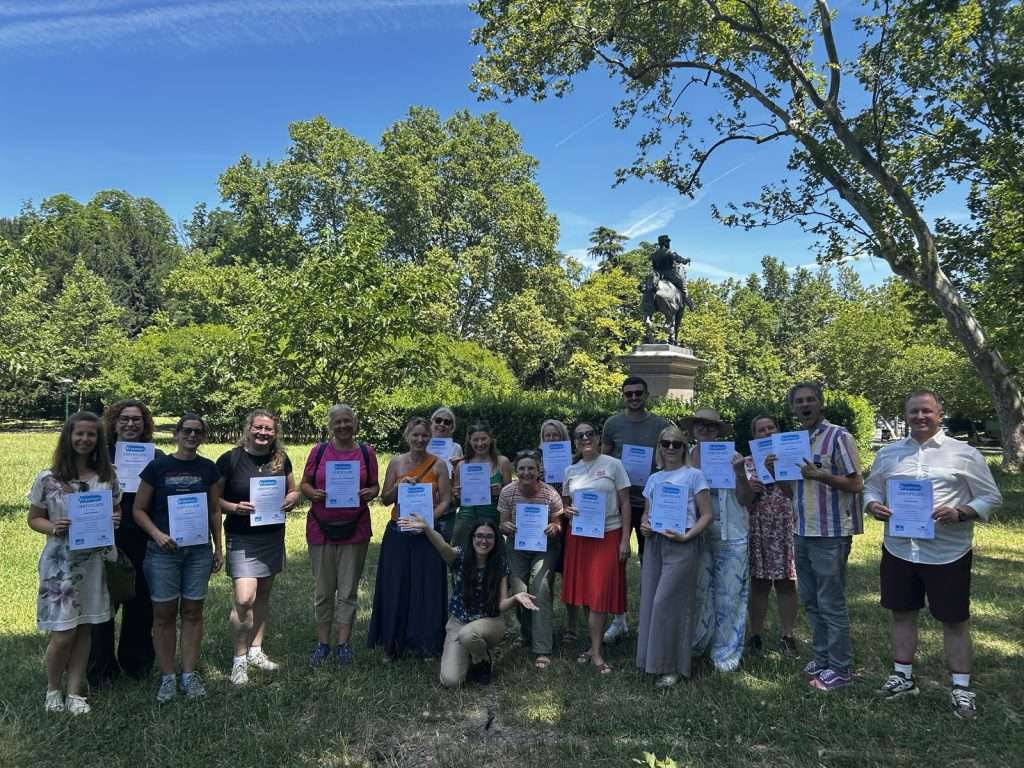
Throughout the week, participants combined theoretical knowledge with extensive practical experience, discovering how Outdoor Education can enrich teaching through active learning, collaboration, creativity, and a stronger connection with both nature and local environments. The course provided valuable inspiration and practical tools that participants can confidently transfer to their own educational settings.
Durante este curso, los participantes pudieron explorar una amplia serie de actividades y juegos que podrán replicar con sus alumnos, demostrando que el aprendizaje no sólo tiene lugar dentro de un aula.
Más información sobre este curso aquí.
Where this course took place: Erasmus courses for teachers in Bologna
Planning your own Erasmus+ course? Descarga el catálogo de cursos 2026-2027
 English (UK)
 Español
 Italiano
 Deutsch
 Română
 Български
 Čeština
 Ελληνικά
 Polski
 Português
 Français