The goal of this training course is to recognize and manage the signs of early school leaving. The signs, responses, and situations are not always the same, but learning to recognize the signs is essential to providing prompt and effective responses. During the course, participants will learn the best approaches, strategies, and attitudes to prevent it, through creative activities, discussions, and reflections, in a lively and stimulating environment.
Nové vydání kurzu “Prevence konfliktů a řešení předčasného ukončování školní docházky” se konalo v Palermo from 15/02/2026 to 21/02/2026. The participants came from all across Europe, with Lucìa, Emma and Maria from CEPA Mario Vargas Lliosa in Spain, Nicky and Punt from Helinium in Netherlands, Mariya and Toni from 70 OU Sv Kliment Ohridski in Bulgaria.
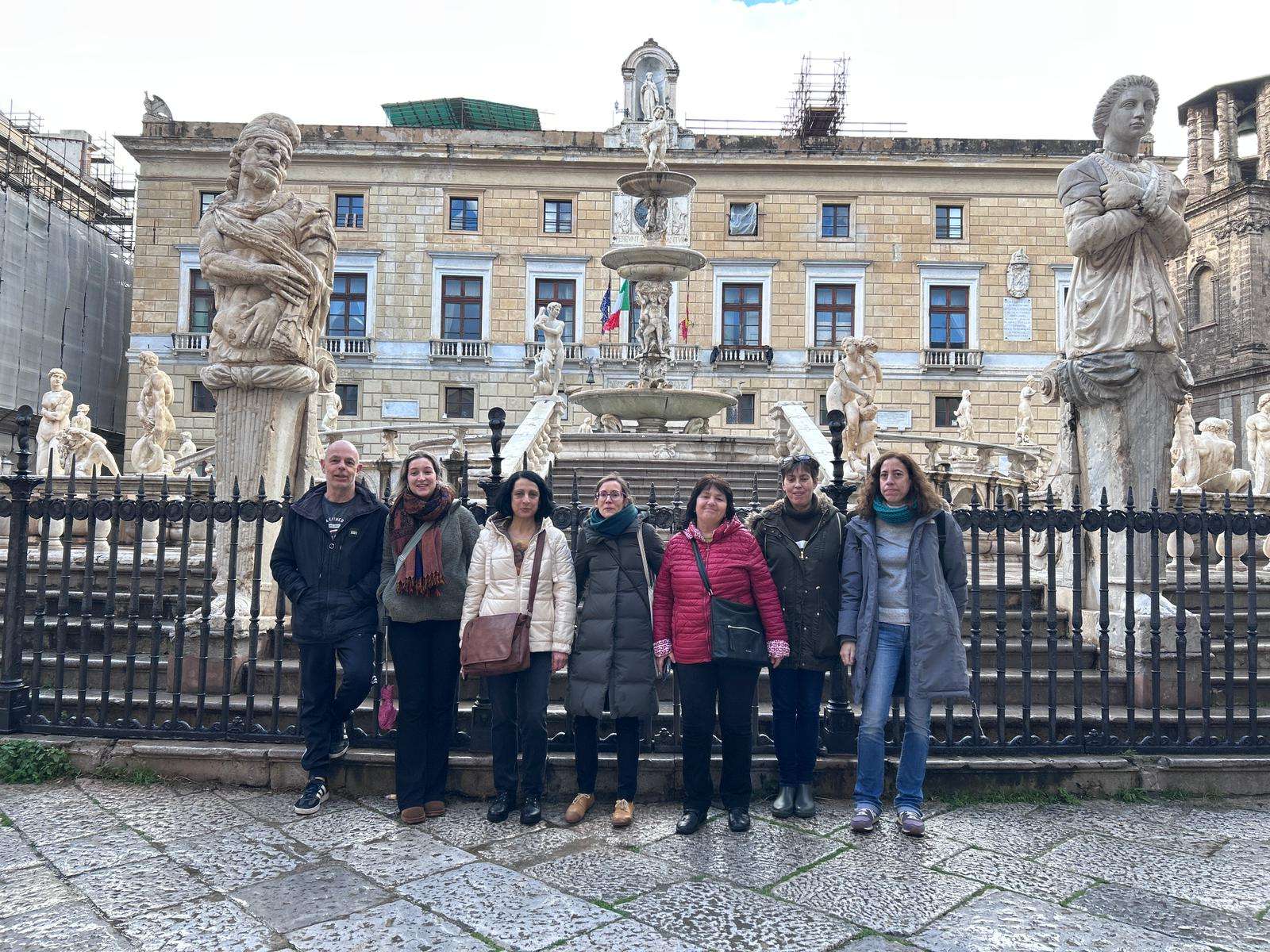
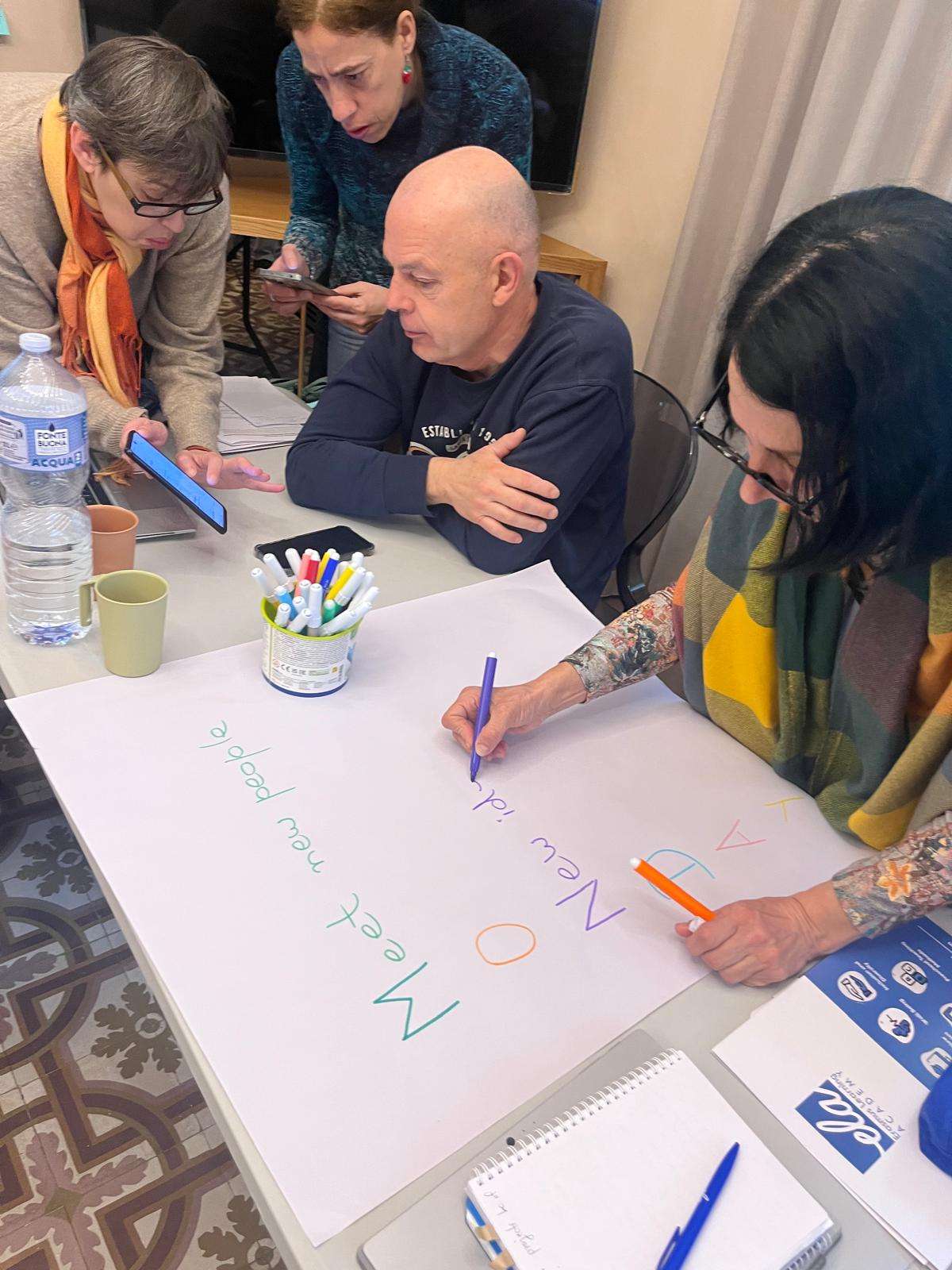
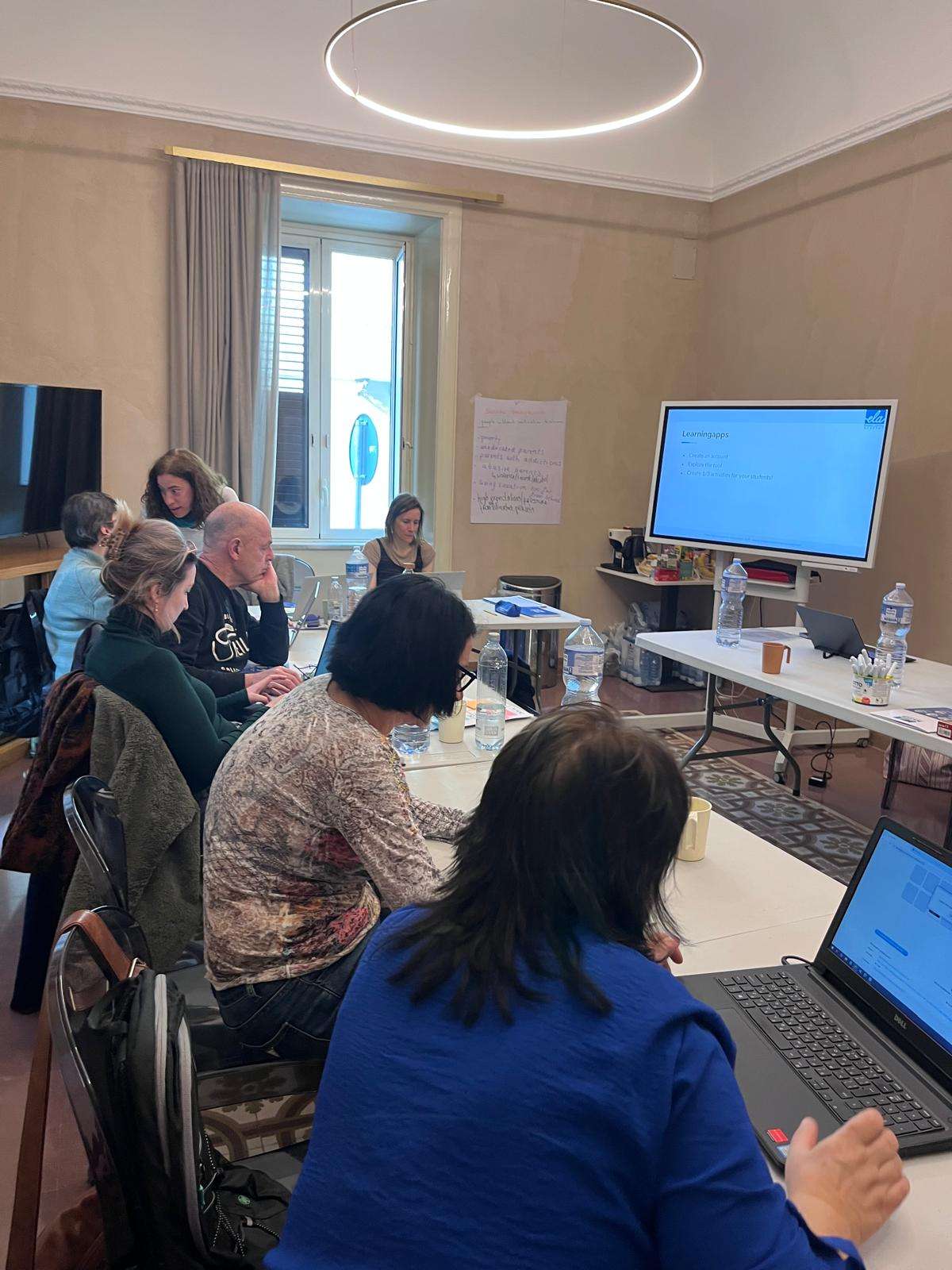
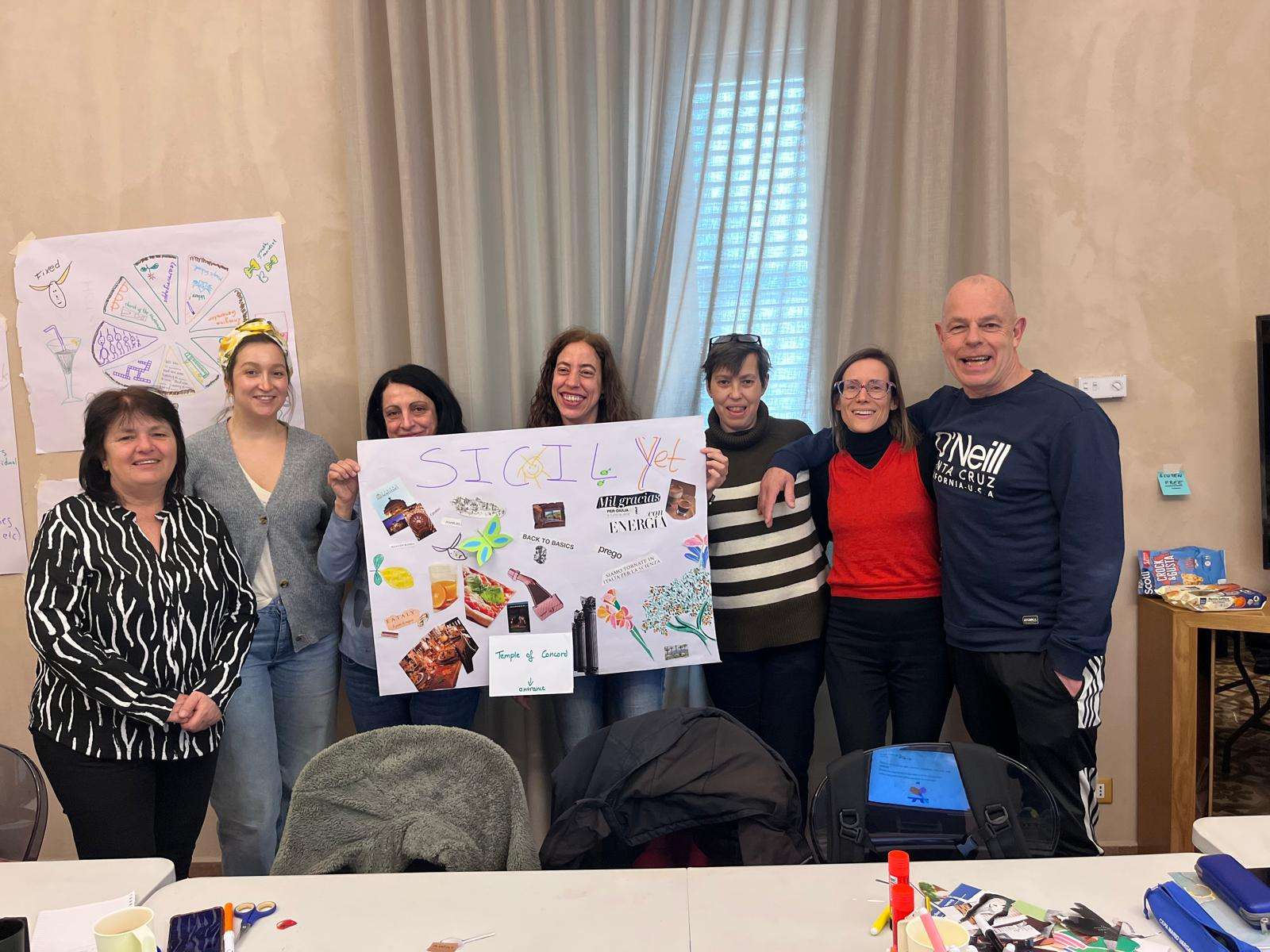
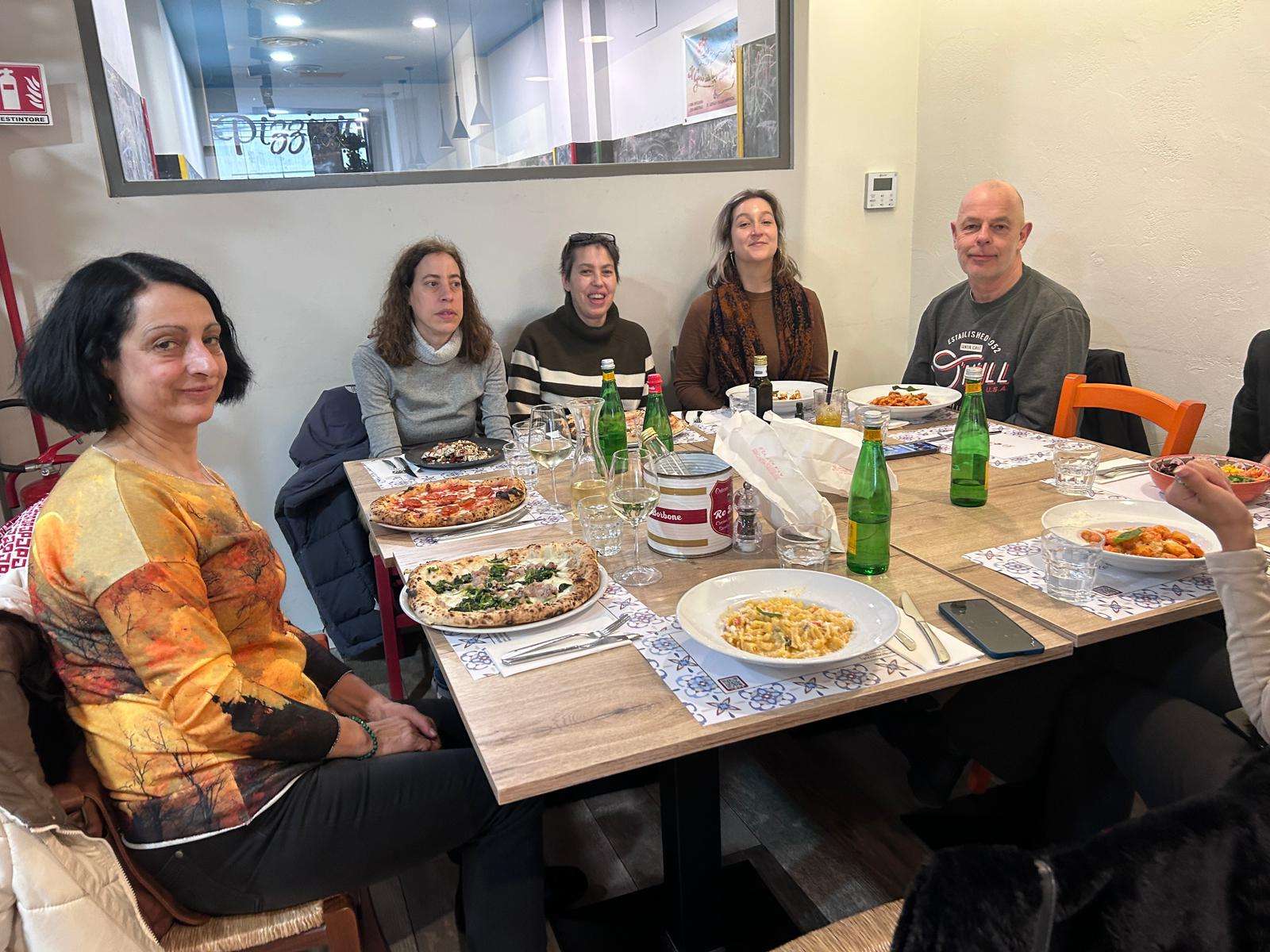
Early school leaving is a widespread problem across Europe and being in a European context, participants got the chance to explore different perspectives at the national level. On the first day, they focused on defining what Early School Leaving means and on identifying the main risk factors. This allowed the participants to draw and share a realistic picture of their school experience with Early School Leaving, starting from the underlying causes, and finishing with the potential consequences.
We started from the assumption that in order to develop an early school leaving approach, we deeply need to connect to our students, to be closer to their interests and their feelings. The participants focused on understanding how they can create a supportive classroom through creative activities to learn about the importance of aktivní naslouchání a emocionální inteligence, with a special attention on empathy.
The group shared their experiences with specific needs in their classes: how problems arose and how they addressed them. Their different experiences highlighted the difference between a fixed mindset and a growth mindset, which we then worked on. We learned how to shift our perspective on conflict, how to transform the strong and sometimes negative energy of some students into something positive and productive, and how to transform our own mindset from a fixed one to a growth mindset.
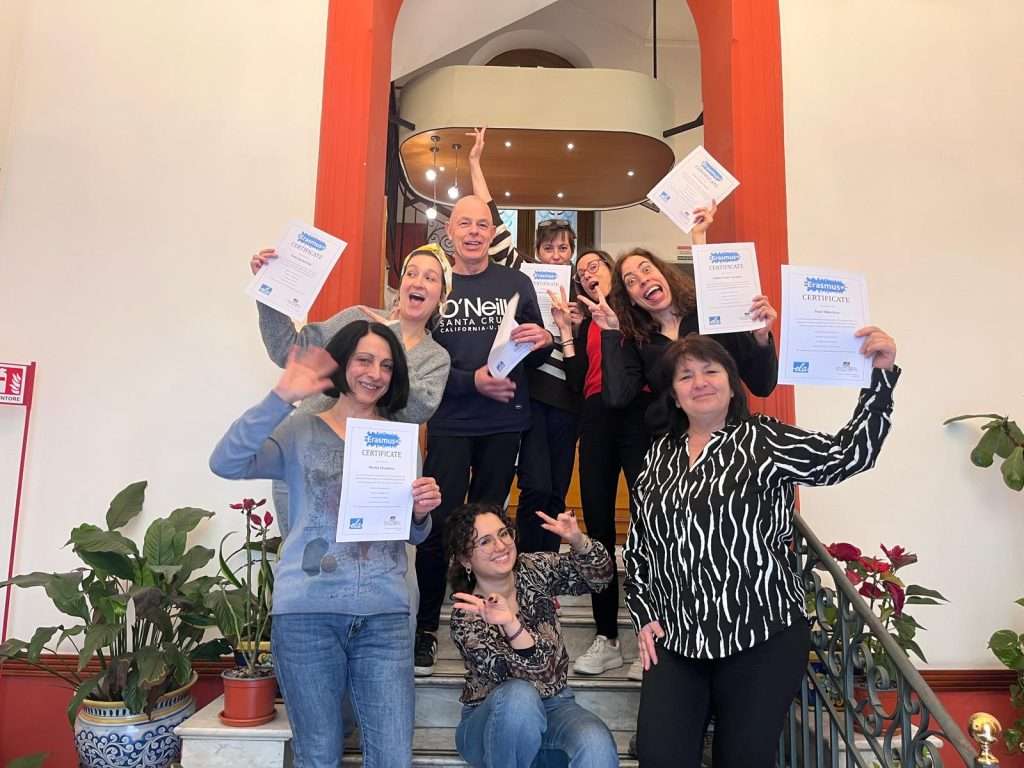
Another key part of the course was dedicated to sharing interactive platforms for creating personalized study plans, activities that encourage participation, and inclusive lessons. The group engaged with these platforms, creating activity prototypes.
In the end we analyzed through role plays and group reflection how the feedback we give often has a greater impact on students than we realize. Through shared examples and experiences, the group was able to adopt a different perspective, seeking to use new tools to provide students with motivating feedback.
At the end of the course, participants have learned how to face these challenges and return to their school ready to put what they have learned into practice.
Zjistěte více o tomto kurzu zde.
Where this course took place: Erasmus courses for teachers in Palermo
Planning your own Erasmus+ course? Stáhněte si katalog kurzů 2026-2027
 English (UK)
 Español
 Italiano
 Deutsch
 Română
 Български
 Čeština
 Ελληνικά
 Polski
 Português
 Français