We spend so much energy preparing students for the careers and challenges of tomorrow that we sometimes lose sight of something equally important: educators also carry the responsibility of building spaces where people feel safe enough to be creative and show the best version of themselves. With this in mind, the new edition of the course Creativity for the Future: Promoting Critical Thinking and Problem-Solving in the Classroom a avut loc în Tenerife de la 29/06/2026 pentru 04/07/2026, bringing together participants from different countries, including Fabio, Francesca from NIA, and Francesco from AES in Italy, and Julia from Warsztatownia Artystyczna in Poland.
Participants looked closely at the competences needed to navigate the 21st century, from learning and innovation skills to digital literacy and career readiness, always circling back to the 4Cs: critical thinking, creativity, communication, and collaboration. Perhaps the most eye opening moment came through simple, hands on practice, watching how our brains shift gears the instant they are handed a real problem to untangle.
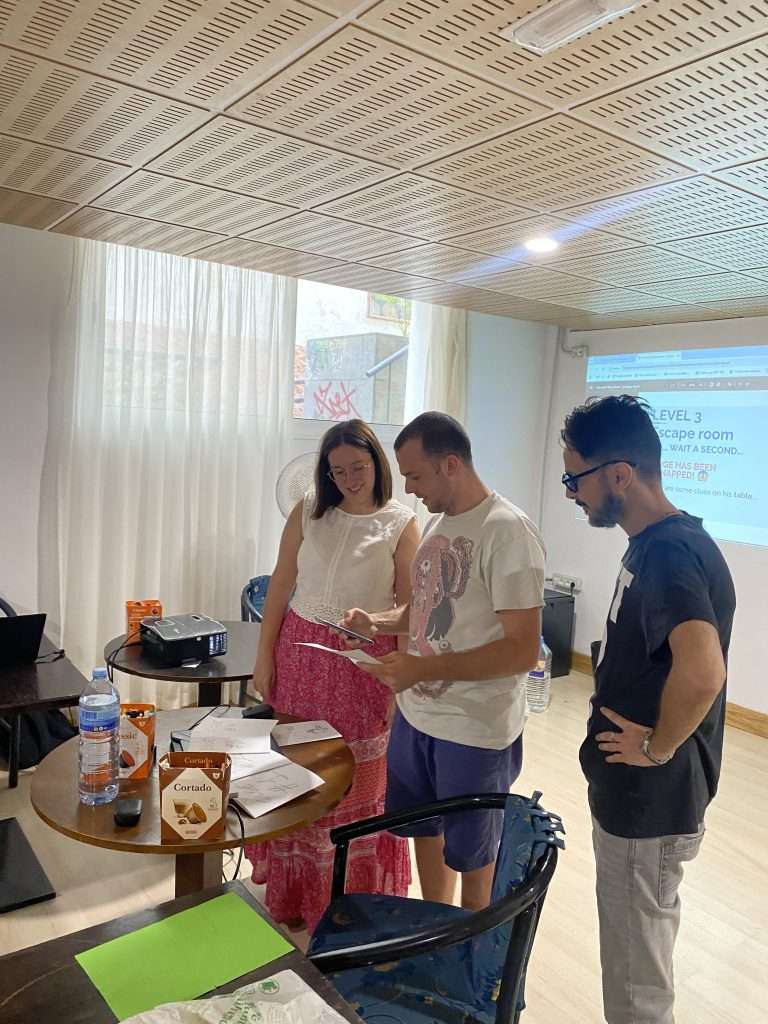
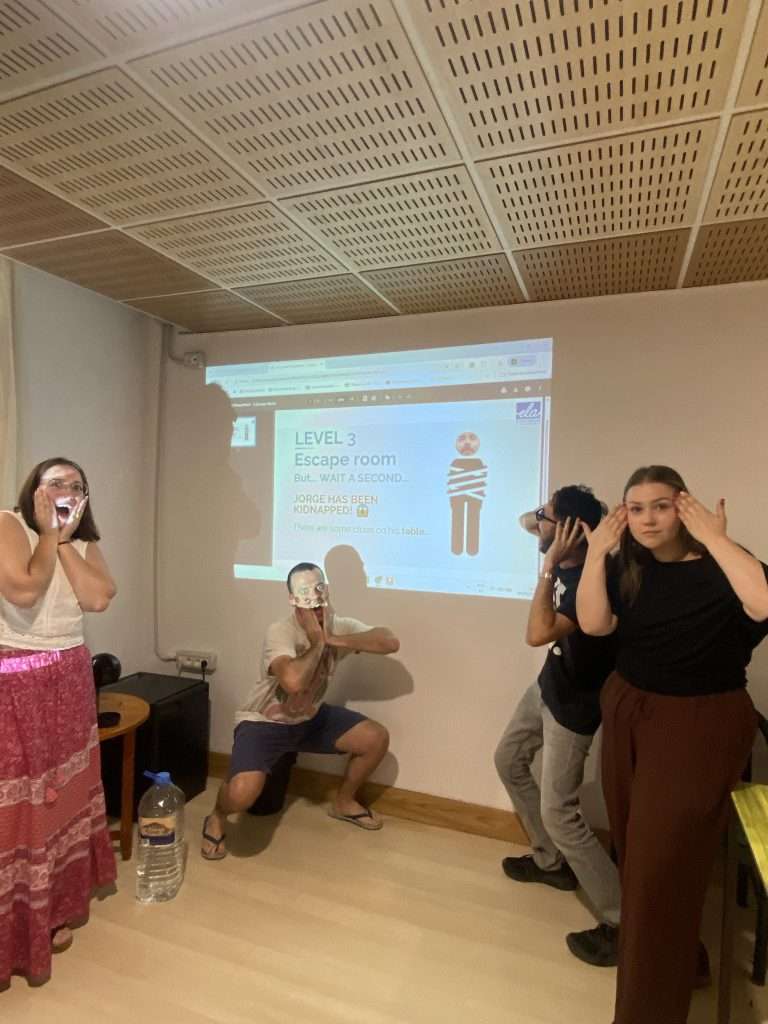
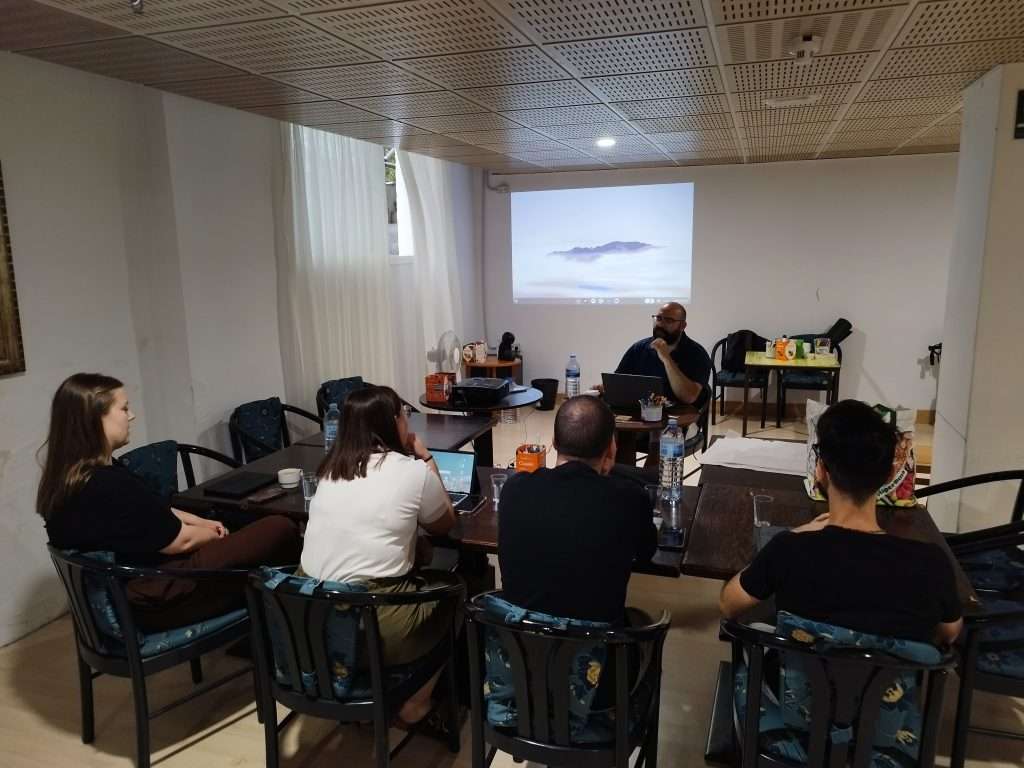
To bring this to life, participants worked through a set of playful challenges built to reveal how common mental blocks can be dismantled with the right strategy. The Six Thinking Hats technique was a favorite, giving participants a chance to apply lateral thinking to lessons they already teach. By working individually and then sharing ideas, they saw how easily the method adapts to different subjects while encouraging students to think beyond the obvious.
The focus then shifted to visual strategies, as participants explored activities designed to spark creative expression, brainstorming, and discussion. Along the way, they challenged the idea that visual thinking belongs only in the art room, discovering how naturally it can be integrated into digital tools and modern teaching methods. There was also time to reflect on the importance of gândirea critică in a world where students are constantly surrounded by information, not all of it trustworthy. Through questioning, reasoning, and open debate, participants explored practical ways to help students become more active and informed learners. Participants spent time playing and reshaping different games, adapting them to their own subjects and uncovering new teaching possibilities hiding inside old formats.
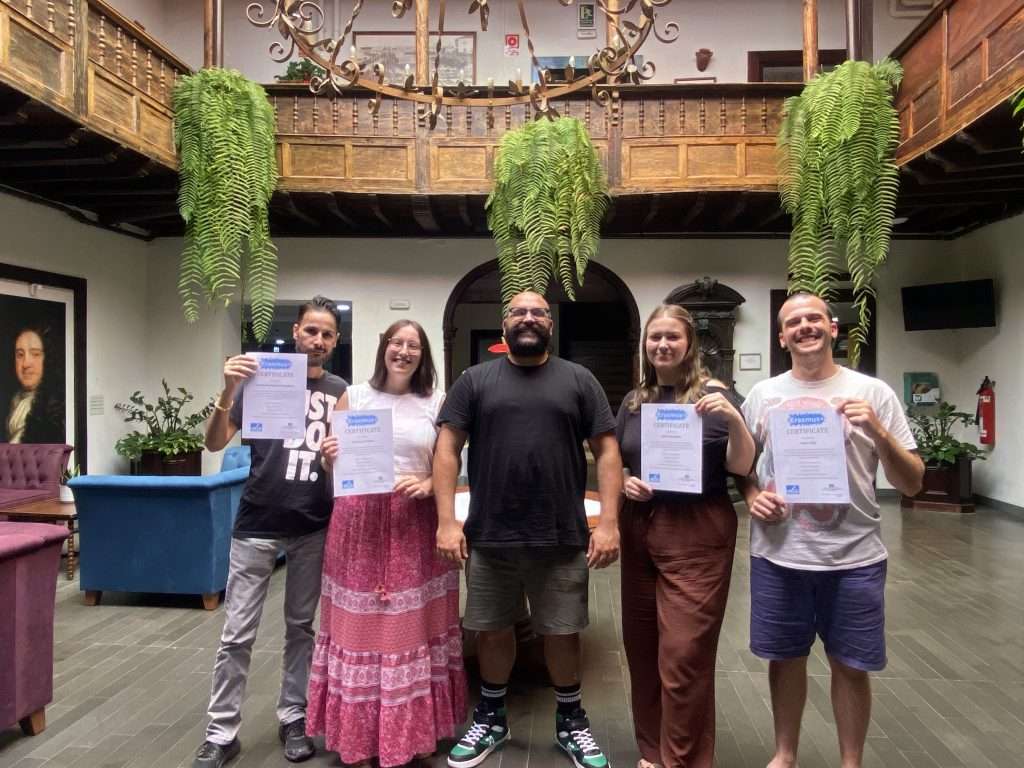
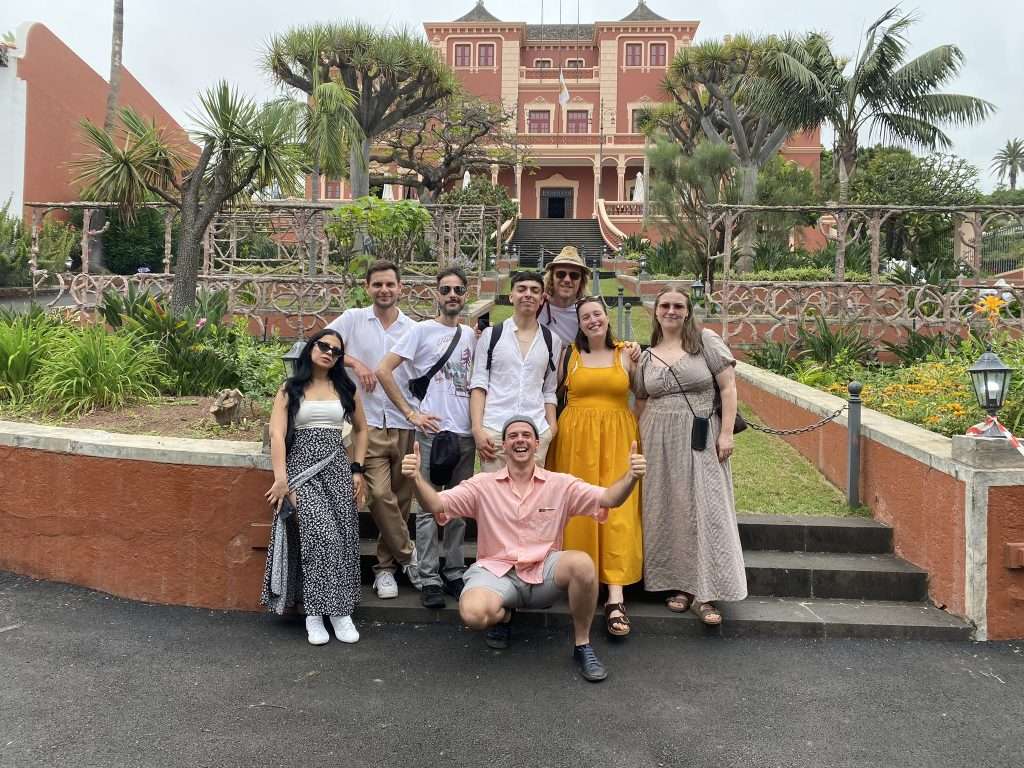
As the course wound down, everyone had the chance to put together a personal keepsake of their time in Puerto de la Cruz, a mix of training moments and cultural discoveries. Between wandering through the city’s historic streets and working together on group challenges, the week closed with plenty of laughter, fresh ideas, and memories that will linger long after everyone has gone home.
Discover more aici.
Where this course took place: Erasmus courses for teachers in Tenerife
Planning your own Erasmus+ course? Descarcă catalogul de cursuri 2026-2027
 English (UK)
 Español
 Italiano
 Deutsch
 Română
 Български
 Čeština
 Ελληνικά
 Polski
 Português
 Français