In today’s rapidly evolving world, education plays a crucial role in shaping the future of societies. As technology advances and the needs of learners change, traditional teaching methods often struggle to keep pace. This is where innovative teaching methodologies come into play. These modern approaches to education not only enhance the learning experience but also empower students to think critically, collaborate effectively, and adapt to new challenges. In this course, “Innovative teaching methods for teachers, school and adult education staff”, new approaches to innovative teaching methodologies have been approached, always focusing on the participants’ realities and needs.
The new edition of the course took place in Bologna from 14/06/2026 to 20/06/2026. The participants were coming from all across Europe: with Panagiota Konstantinou-Katzi from Gymnasio Agiou Athanasiou, in Cyprus; Stefan Chudzik and Jessica Pelz from Förderzentrum Erich Kästner Aue, in Germany; Sarah Marczoch and Birgit Klüter-Klein from Europaschule am Friedenspark in Germany; Bulibașa Janina, Mielu Alexandra-Mirela and Vasilică Livia-Valentina from CENTRUL JUDETEAN DE RESURSE SI ASISTENTĂ EDUCAȚIONALĂ, TELEORMAN in Romania; Varvara Shikki from Lykeio Aradippou in Cyprus; Patricia Fernández Cristóbal from CIFP Escuela de Hostelería y Turismo de Teruel in Spain; and last but not least, Irene Pérez Avivar and Maria Delgado Estella from Institut Castellarnau în Spania.
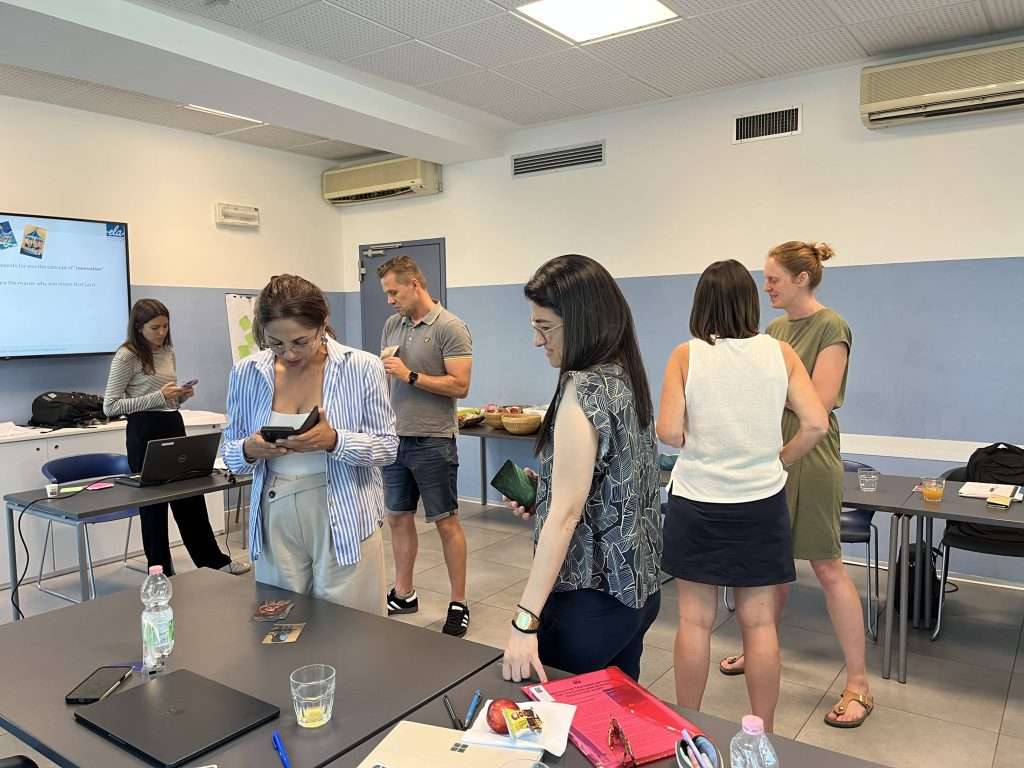
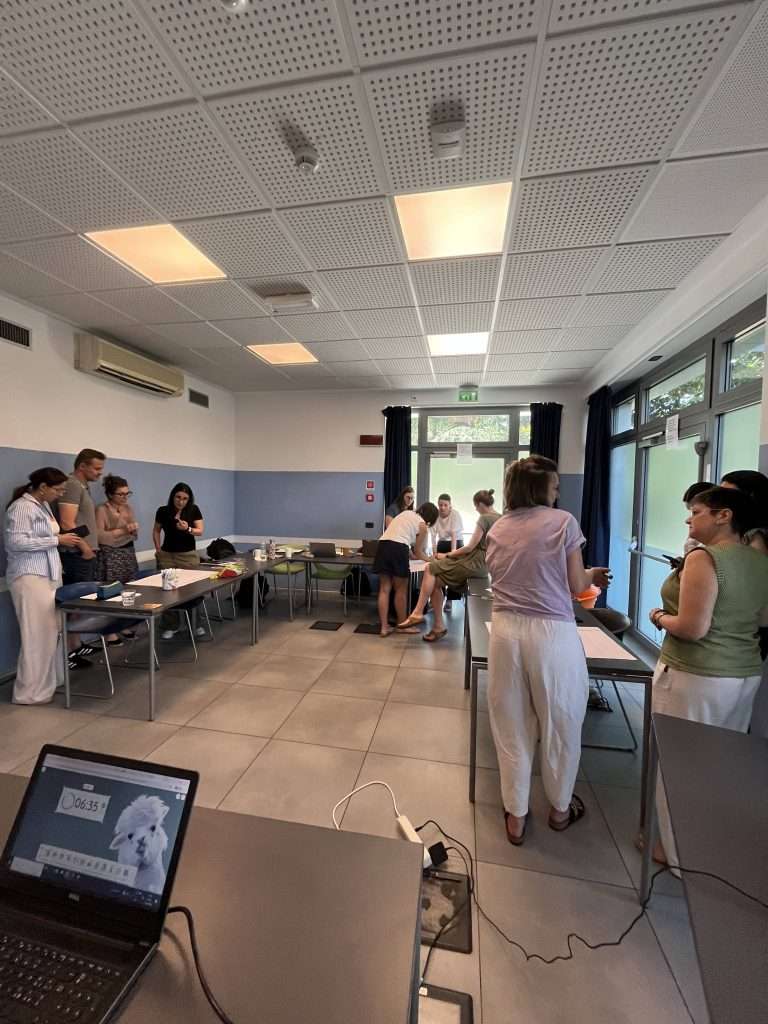
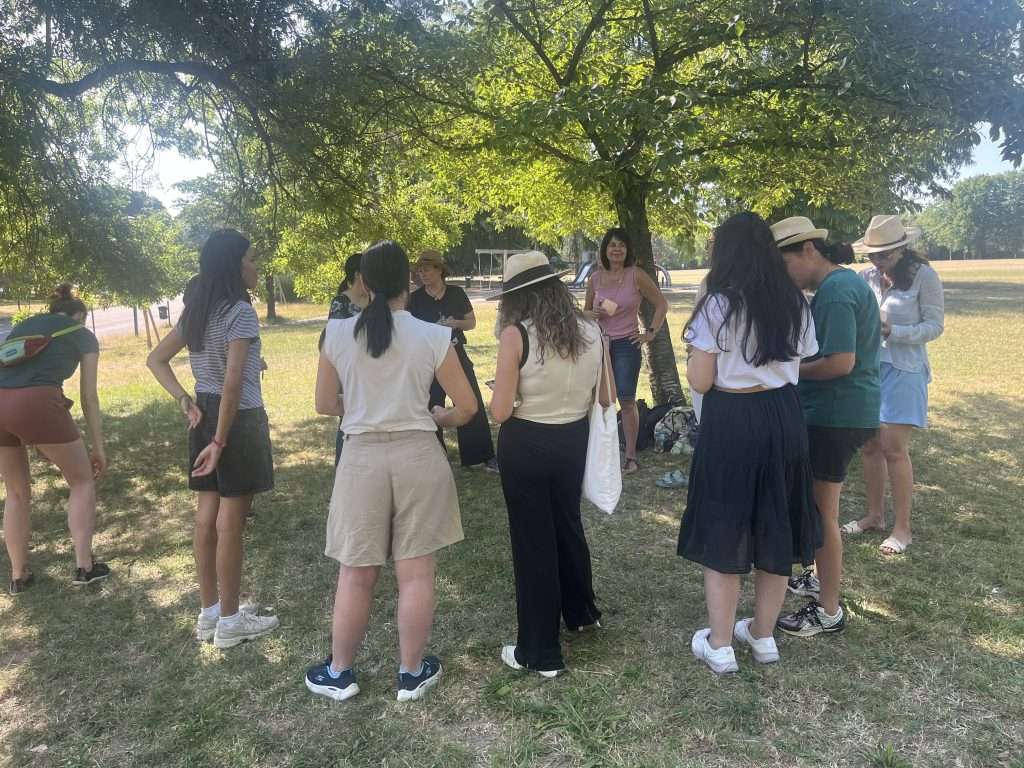
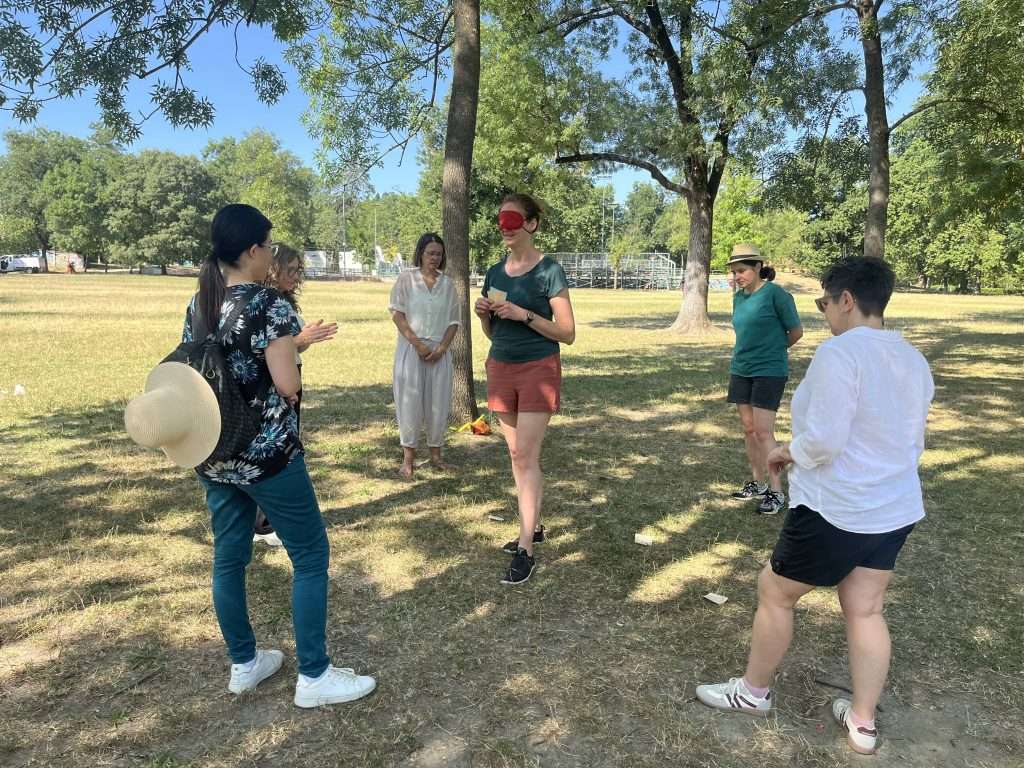
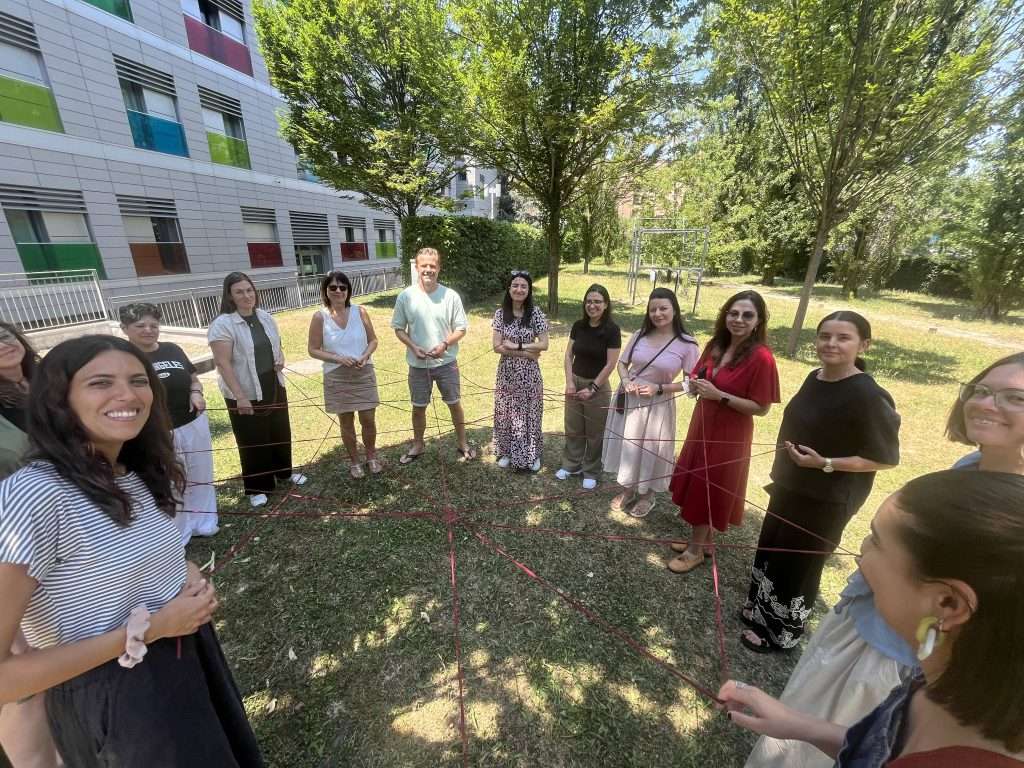
Thanks to different kinds of studies and research, today there are many tools available that can be used in the school environment: project-based learning, non-formal education, outdoor education, and ICT are some of the many opportunities that can be integrated with traditional teaching methods.
The course begins with exploring how skills such as critical thinking, creativity, communication, and collaboration are increasingly vital. This session delved into how innovative teaching methodologies, such as experiential and inquiry-based learning, can help students acquire these competencies. We also discussed the evolving role of educators as facilitators and guides, creating learning environments that encourage students to explore, question, and innovate. Tuesday’s session introduces Project-Based Learning (PBL), an approach that transforms the classroom into a dynamic space for inquiry and problem-solving. PBL allows students to engage deeply with a topic by working on extended projects that address real-world problems. This method not only enhances content knowledge but also develops critical thinking, collaboration, and self-management skills. We discussed how to design and implement PBL in various educational settings, as the participants presented differentiated education situations, to ensure that students are motivated și actively involved in their learning process.
Thursday’s focus is on educație în aer liber, with a day dedicated to outdoor activities in Giardini Margherita a Bologna. During this session, the participants tried new techniques for developing senses, teamworking, and gamification, discovering firsthand how outdoor education encourages students to engage with their surroundings and apply their knowledge in real-world contexts. Finally, the course culminated on Friday by integrating Information and Communication Technology (ICT) tools into the educational toolkit. Participants discovered ICT tools such as interactive presentations, quizzes, and educational games that can transform the learning experience by making it more interactive, while also taking time to reflect on the week’s learning and how to implement these strategies back home.
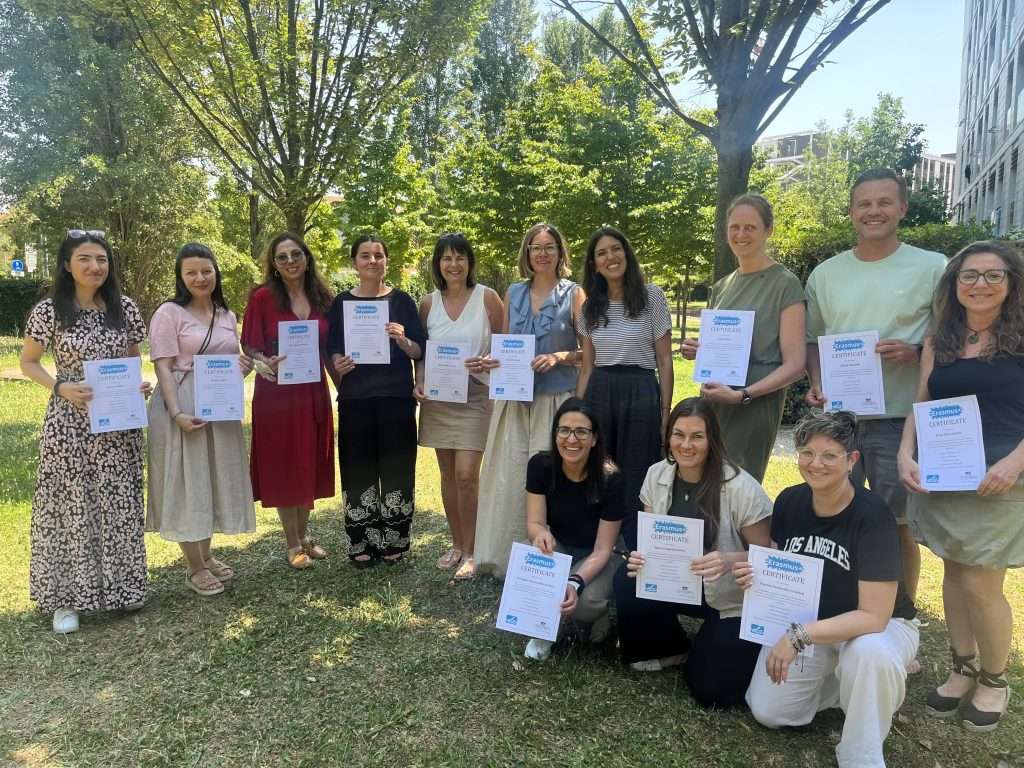
By the end of this course, participants will have a robust understanding of how to implement these innovative teaching methodologies in their classrooms. These approaches will not only help prepare students for the demands of the future but also create a more vibrant and effective educational experience.
Descoperiți mai multe despre acest curs aici.
Where this course took place: Erasmus courses for teachers in Bologna
Planning your own Erasmus+ course? Descarcă catalogul de cursuri 2026-2027
 English (UK)
 Español
 Italiano
 Deutsch
 Română
 Български
 Čeština
 Ελληνικά
 Polski
 Português
 Français