Comunicare eficientă și public speaking pentru profesori și personalul din educație
In today’s classrooms, teaching goes far beyond delivering lessons and assessing outcomes. Educators are constantly communicating with students, colleagues, parents, and the wider school community. Whether they are explaining complex ideas, leading discussions, or motivating learners, communication shapes almost everything that happens in education. For this reason, public speaking, confidence, and emotional awareness have become essential skills for teachers who want to create engaging and supportive learning environments.
With this in mind, a group of educators from across Europe took part in the training course “Effective Communication and Public Speaking for Teachers and Education Staff”, held from 14 to 20 June 2026. The course focused on strengthening communication skills, sharing professional experience, and testing practical approaches that teachers can directly apply in their daily work.
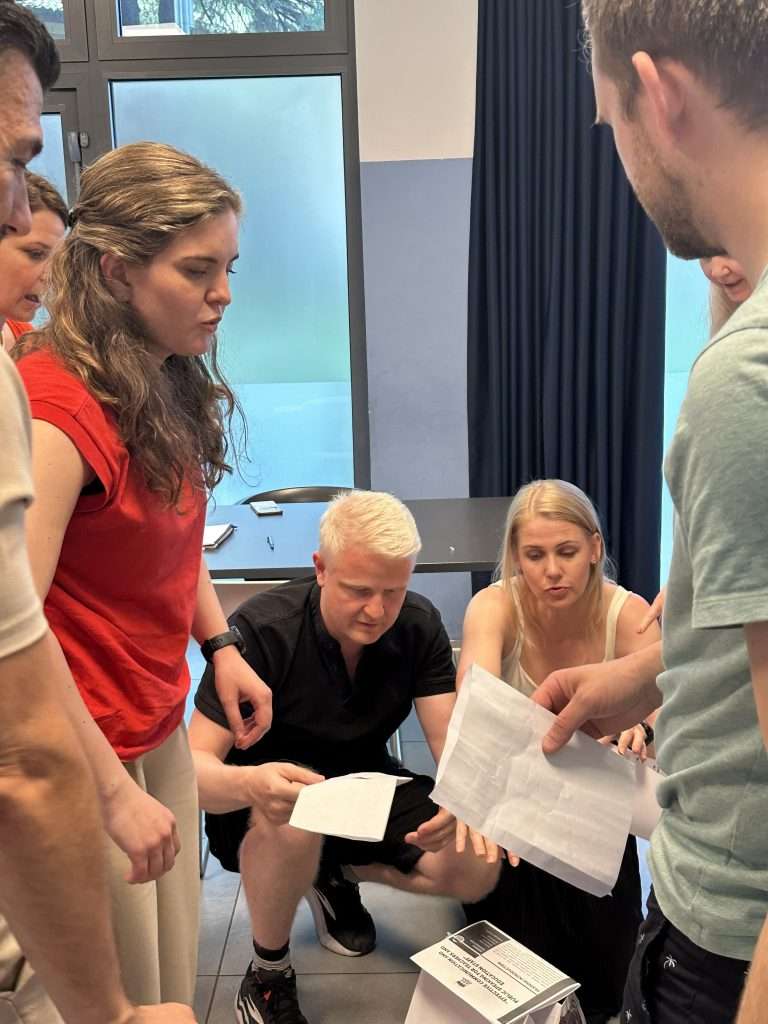
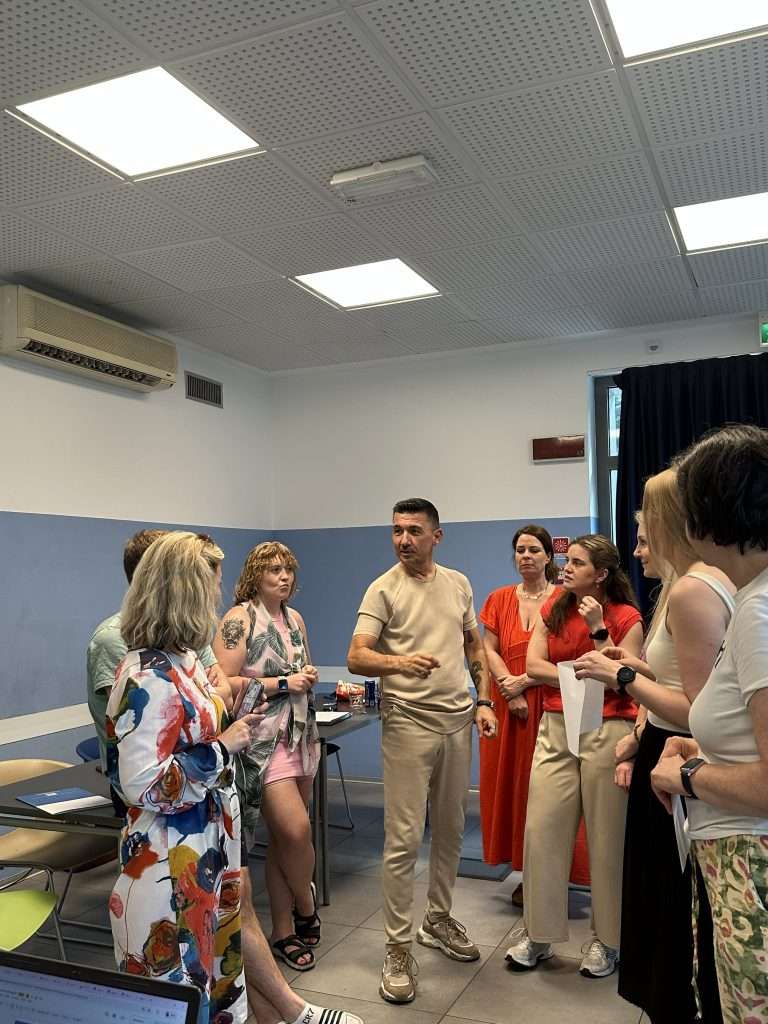
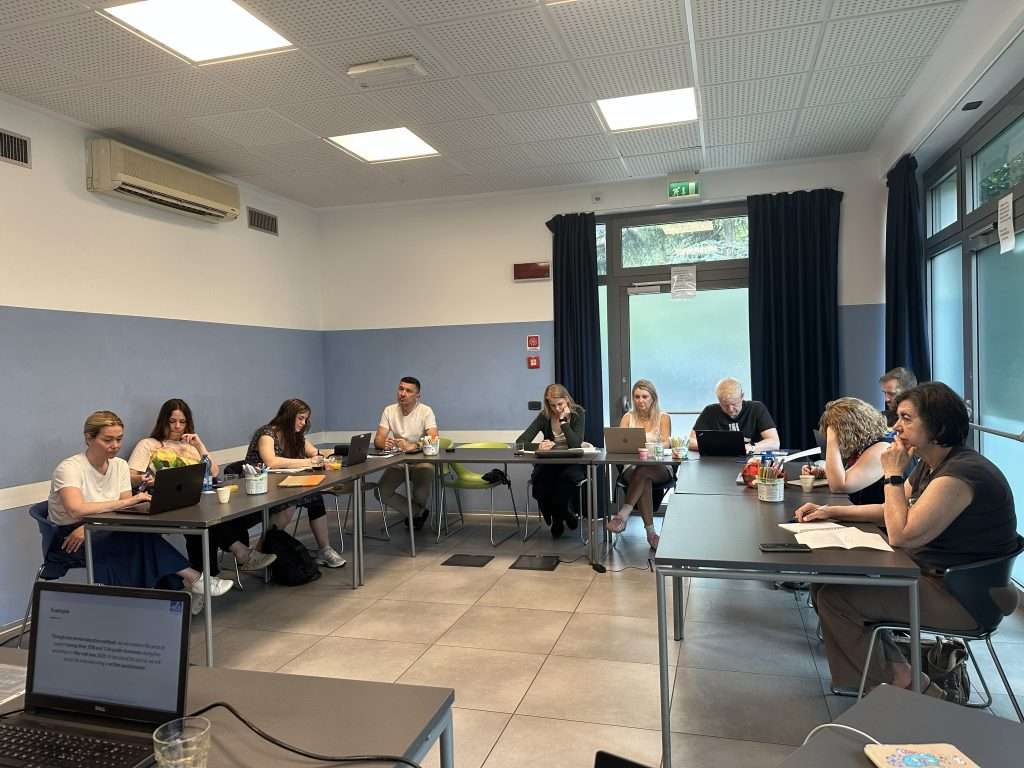
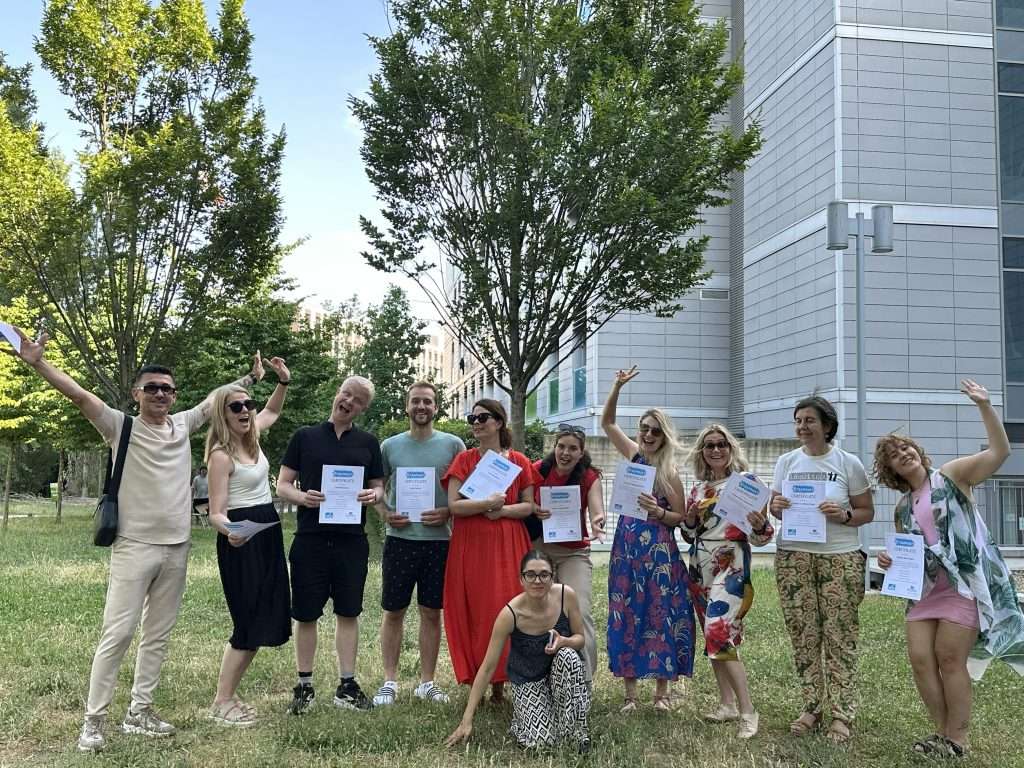
The international group included Daði Pálsson, Ásta Rún Valgerdardottir, and Jakob Ómarsson from The Commercial College of Iceland; Hildur Katrin Rafnsdottir, Jóhanna María Vignir, Stella Ólafsdóttir, Eva Rós Gunnarsdóttir, and Auður Friðriksdóttir from Reykjavik University, Iceland; Paraskevas Mavroudis from Saint Lazarus Technical School in Cyprus; and Cristina Castellano Boyer from IES Ángel Ganivet in Granada, Spain.
The programme was built step by step, starting from basic speaking skills and gradually moving toward reflection, emotional awareness, and leadership in communication.
The first days were dedicated to impromptu speaking. Participants practiced how to structure their thoughts quickly and speak clearly under pressure — something that is often required in teaching. Through group activities and a communication skills diagnostic wheel, they identified their strengths and areas they wanted to improve, and set personal SMART goals for the week.
On the second day, the focus moved to preparation and structure. Participants looked at how effective presentations are planned, and how clarity and creativity can work together to keep an audience engaged. The emphasis was not on performance, but on being clear, purposeful, and easy to follow.
Midweek, the focus shifted to understanding communication in practice. Using scenes from films and TV series, participants analysed different communication styles, paying attention to tone, body language, and non-verbal signals. This helped them reflect on how messages can be interpreted differently depending on the audience and context.
The following day was more directly connected to classroom practice. Participants discussed the difference between fixed and growth mindsets and how the way teachers communicate can influence students’ confidence and motivation. They also explored practical ways of giving feedback that supports learning without discouraging students.
On the final day, the group looked at communication through the lens of emotional intelligence and leadership. They reflected on self-awareness, emotional control, and empathy, and how these affect the way teachers speak and act in professional settings. Goleman’s six leadership styles were also discussed, followed by group activities that showed how communication influences teamwork, decision-making, and conflict resolution.
By the end of the course, participants had not only worked on specific communication techniques but also taken time to reflect on how they communicate in real situations. The training also created space for exchange between colleagues from different countries and institutions, as well as within the group itself.
In conclusion, the workshops and training sessions gave participants the opportunity to reflect on their strengths and areas for improvement, develop new skills, and exchange ideas and experiences with colleagues from different countries as well as with their own colleagues.
Descoperiți mai multe despre acest curs aici.
Where this course took place: Erasmus courses for teachers in Bologna
Planning your own Erasmus+ course? Descarcă catalogul de cursuri 2026-2027
 English (UK)
 Español
 Italiano
 Deutsch
 Română
 Български
 Čeština
 Ελληνικά
 Polski
 Português
 Français