The role of an adult educator is not only to share knowledge but also to support learners in developing digital competences that are increasingly necessary in modern society. The integration of ICT tools, multimedia resources, and artificial intelligence can significantly improve the accessibility, interactivity, and effectiveness of adult learning.
This concept was central during the new edition of the course “Integrating ICT, new technologies and AI tools into teaching and education” que tuvo lugar en Rimini de 26/04/2026 to 02/05/2026. The participants came from all over Europe, including Katja from Savo Consortium of Education (Finland), Marika from Savo Vocational College Kuopio (Finland), Nuno and Luis from Nova Ágora – CFAE (Portugal), Cristina from EOI A Coruna (Spain), Katarina and Eva from OŠ Majde Vrhovnik (Slovenia), Nicolae from Godby Högstadieskola Åland (Finland), Lavinia from GINNASIO ANTONIO SEMA PIRANO (Slovenia), Carmen from INSTITUT PREMIÀ DE MAR (Spain) and Ebe and Reet from Pärnu Koidula Gymnasium (Estonia).
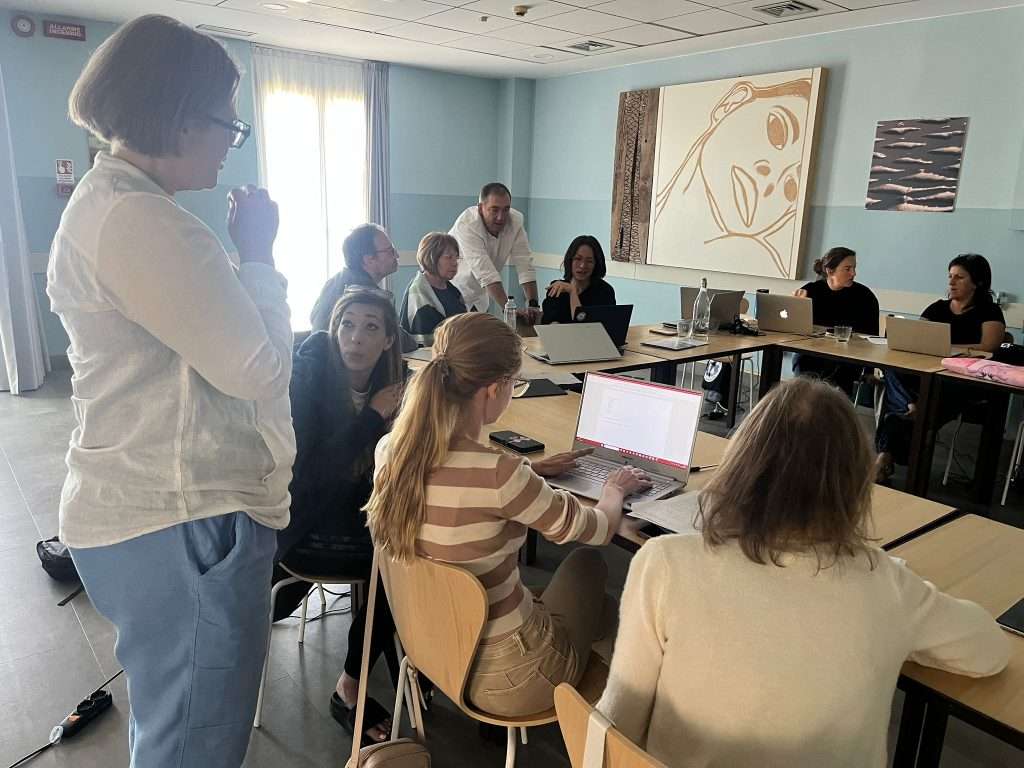
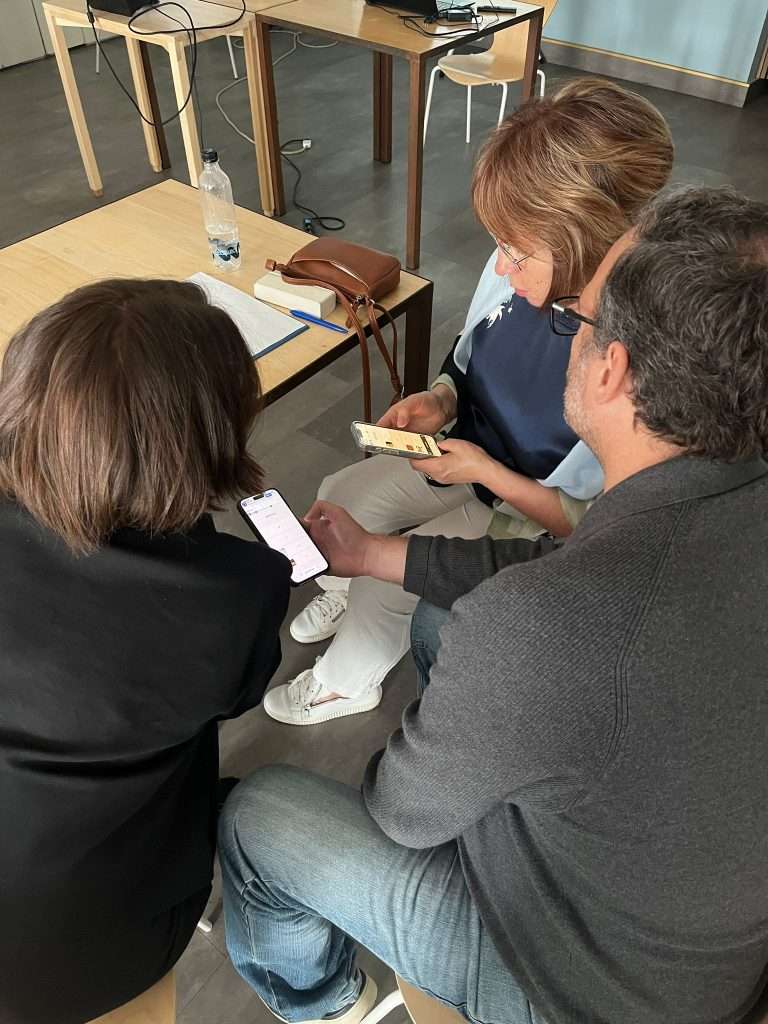
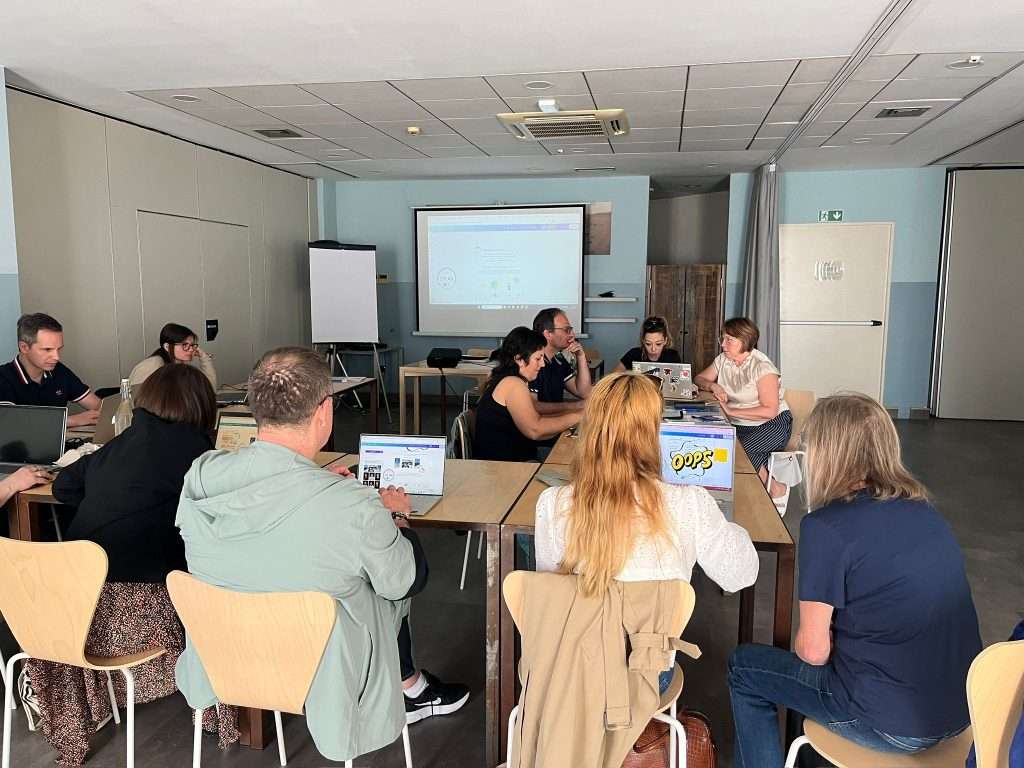
The course began with an introduction to the program and an assessment of participants’ needs and expectations. Participants discussed the latest trends in adult education, including mobile learning, hybrid learning environments, and the growing role of online platforms in teaching. Particular attention was given to how new technologies influence the roles of educators and learners and how they can improve the quality and accessibility of education.
During the training, participants explored various digital collaboration tools, including pizarras virtuales that allow educators to create interactive learning spaces integrating multimedia elements such as images, videos, links, and notes. They also practiced using plataformas en línea para almacenar, compartir y organizar materiales educativos, as well as creating dynamic presentations that include interactive elements like surveys and quizzes.
Another important topic was gamificación and the use of game-based learning tools to increase motivation and engagement among adult learners. Participants tested different educational tools, created their own digital group activities, and explored the concept of microlearning through short interactive exercises.
The course also introduced practical applications of artificial intelligence in education. Participants learned how Herramientas de IA, including ChatGPT, can support lesson planning, generate educational materials, and create language learning activities adapted to the needs and levels of learners.
Además, la formación abordó técnicas modernas de presentación y métodos de enseñanza no tradicionales such as flipped classroom, hybrid learning, and interactive assessment methods that encourage active participation. Throughout the week, participants created their own digital teaching materials and explored ways to combine innovative tools with traditional teaching approaches.
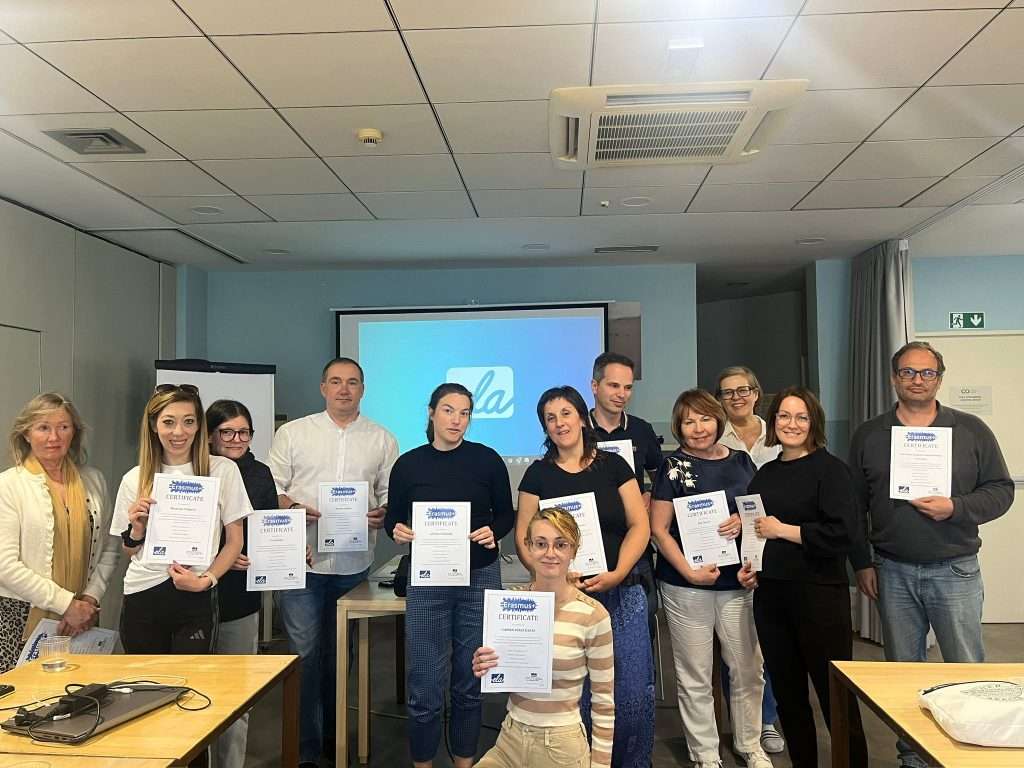
Throughout the training week, participants shared experiences and developed practical strategies for integrating ICT tools, multimedia resources, and innovative teaching methods into their professional practice. The course concluded with a reflection on learning outcomes and the certification of participants, confirming their newly acquired digital competences for adult education.
Descubre más sobre los cursos en Tenerife aquí.
Where this course took place: Erasmus courses for teachers in Rimini
Planning your own Erasmus+ course? Descarga el catálogo de cursos 2026-2027
 English (UK)
 Español
 Italiano
 Deutsch
 Română
 Български
 Čeština
 Ελληνικά
 Polski
 Português
 Français