La función de un formador de adultos no consiste únicamente en transmitir conocimientos, sino también en ayudar a los alumnos a desarrollar las competencias digitales que resultan cada vez más necesarias en la sociedad actual. La integración de herramientas de las TIC, recursos multimedia e inteligencia artificial puede mejorar significativamente la accesibilidad, la interactividad y la eficacia de la formación de adultos.
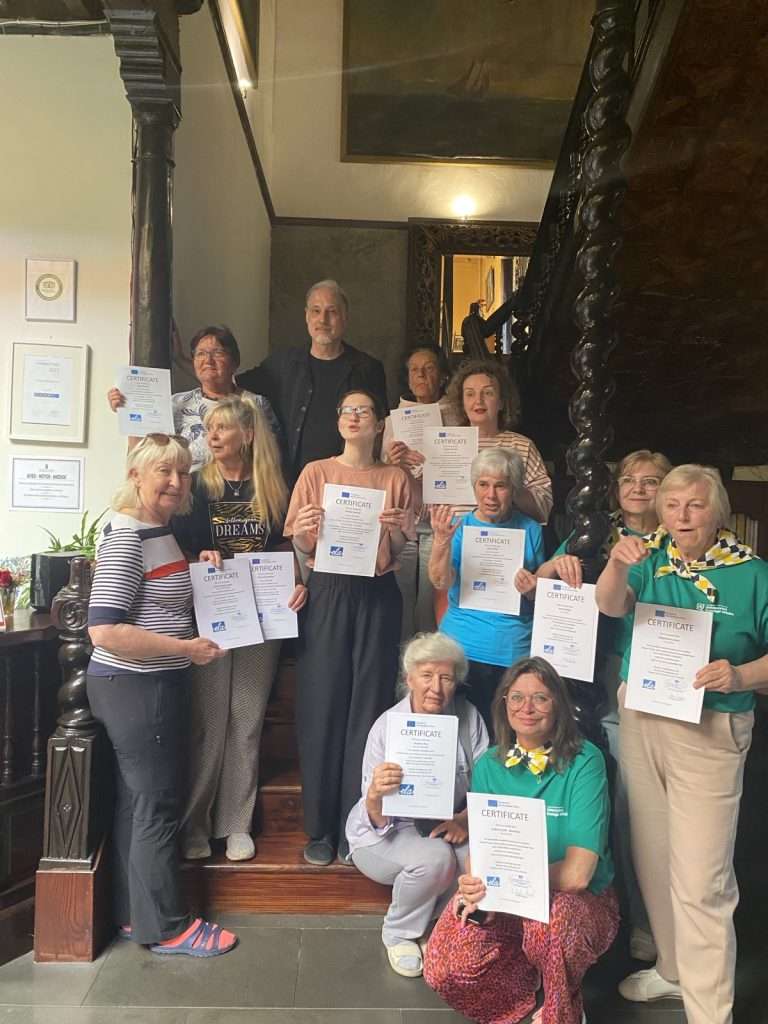
Este concepto ocupó un lugar central durante la nueva edición del curso “Uso de herramientas TIC, redes sociales y procesamiento de archivos multimedia” que tuvo lugar enTenerife de 15/02/2026 to 26/02/2026. The participants came from Poland, including Grzegorz, Natalia and Justyna from UTA in Piekary, Teresa, Alicja and Aleksandra from UTA in Skoczow, Bożena, Alicja and Krystyna from Senior Academy and Magdalena, Irena and Izabela from UTA in Tarnowskie Gory.
The course began with an introduction to the program and an assessment of participants’ needs and expectations. Participants discussed the latest trends in adult education, including mobile learning, hybrid learning environments, and the growing role of online platforms in teaching. Particular attention was given to how new technologies influence the roles of educators and learners and how they can improve the quality and accessibility of education.
During the training, participants explored various digital collaboration tools, including virtual whiteboards that allow educators to create interactive learning spaces integrating multimedia elements such as images, videos, links, and notes. They also practiced using online platforms for storing, sharing, and organizing educational materials, as well as creating dynamic presentations that include interactive elements like surveys and quizzes.
Another important topic was gamification and the use of game-based learning tools to increase motivation and engagement among adult learners. Participants tested different educational tools, created their own digital group activities, and explored the concept of microlearning through short interactive exercises.
The course also introduced practical applications of artificial intelligence in education. Participants learned how AI tools, including ChatGPT, can support lesson planning, generate educational materials, and create language learning activities adapted to the needs and levels of adult learners.
Además, la formación abordó modern presentation techniques and non-traditional teaching methods such as flipped classroom, hybrid learning, and interactive assessment methods that encourage active participation. Throughout the week, participants created their own digital teaching materials and explored ways to combine innovative tools with traditional teaching approaches.
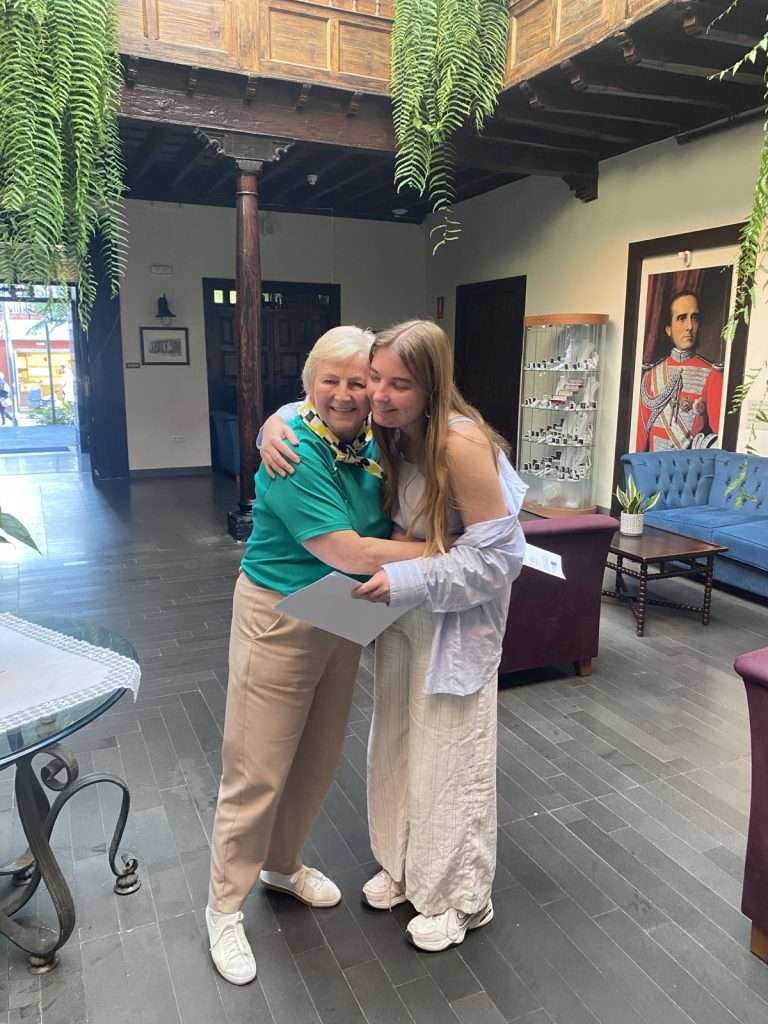
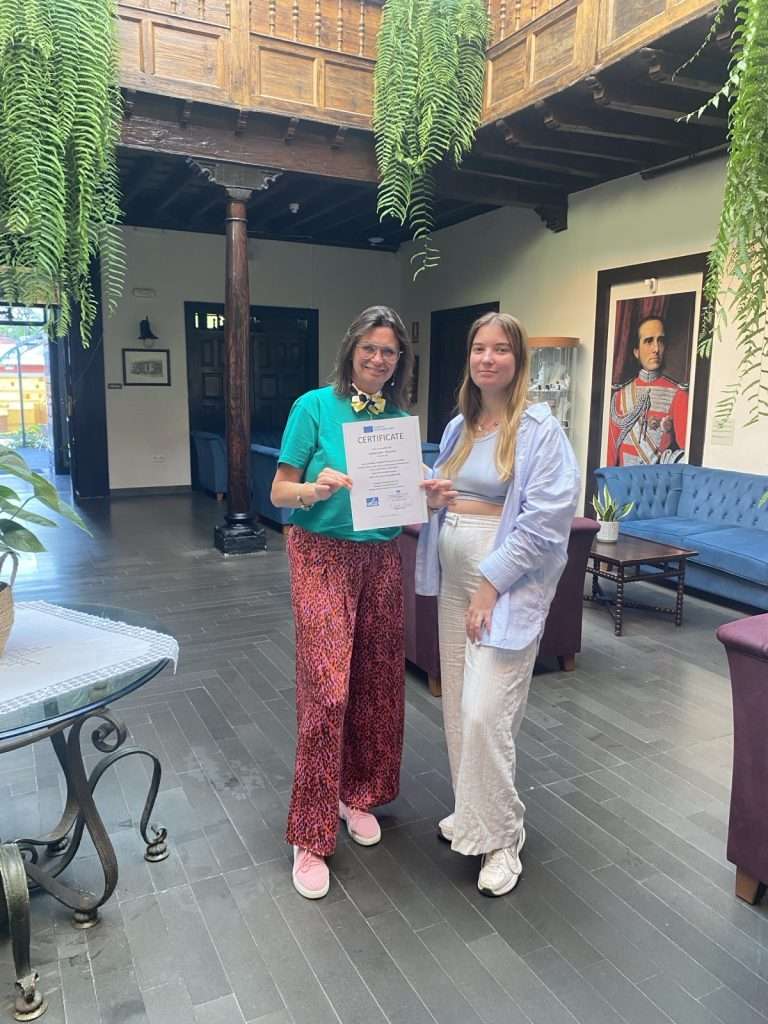
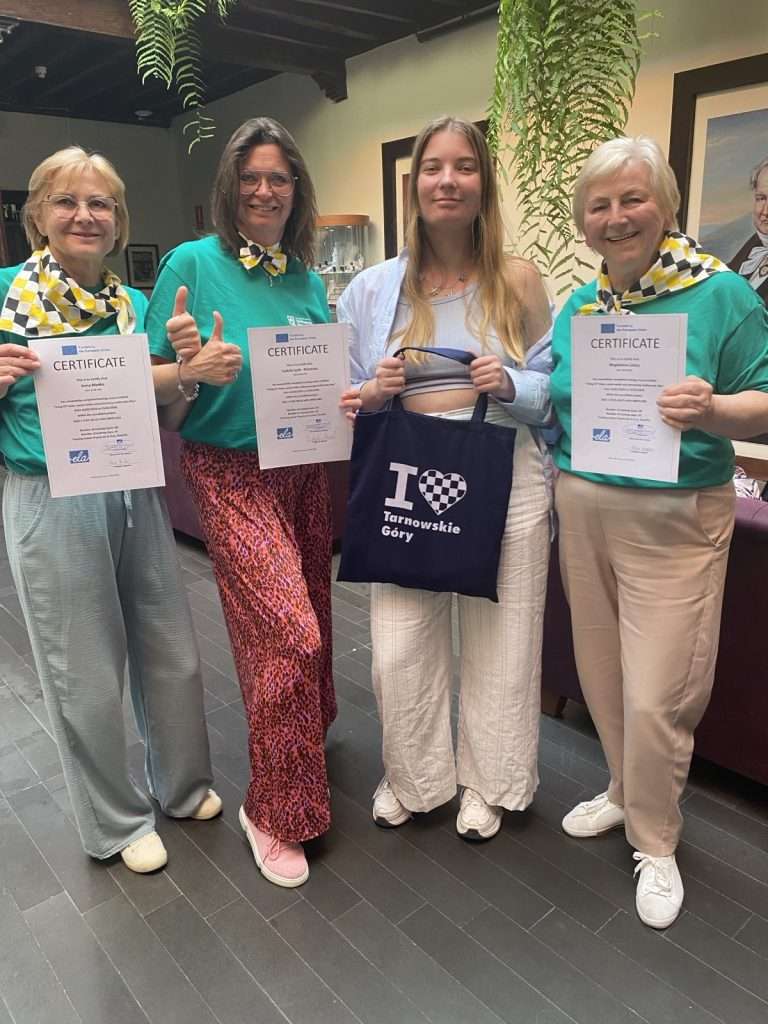
Throughout the training week, participants shared experiences and developed estrategias prácticas for integrating ICT tools, multimedia resources, and métodos de enseñanza innovadores into their professional practice. The course concluded with a reflection on learning outcomes and the certification of participants, confirming their newly acquired digital competences for adult education.
Descubre más sobre los cursos en Tenerife aquí.
Where this course took place: Erasmus courses for teachers in Tenerife
Planning your own Erasmus+ course? Descarga el catálogo de cursos 2026-2027
 English (UK)
 Español
 Italiano
 Deutsch
 Română
 Български
 Čeština
 Ελληνικά
 Polski
 Português
 Français