When we think about creativity in education, we often associate it with drawing, art or activities that are different from traditional lessons. However, creativity can be much more than that. It can be a way of looking at a problem from another perspective, sharing ideas with others or finding new ways to understand a subject. Helping students develop these skills means giving them the opportunity to experiment, ask questions and discover that there is not always just one way to reach a solution.
The new edition of the course “Promoting Creativity, Critical Thinking and Problem-Solving in the classroom” took place in Palermo from 04/10/2026 to 10/10/2026. The participants came from all across Europe, with Marcus, Therese and Nancy from Innovitaskolan Sodertalje in Sweden, Verica, Dalibor, Hrvoje and Mario from Education and Teacher Training Agency in Croatia, Ayşenur who came from Kastamonu Üniversitesi in Turkey and finally Kaan from Audentese koolide SA in Estonia.
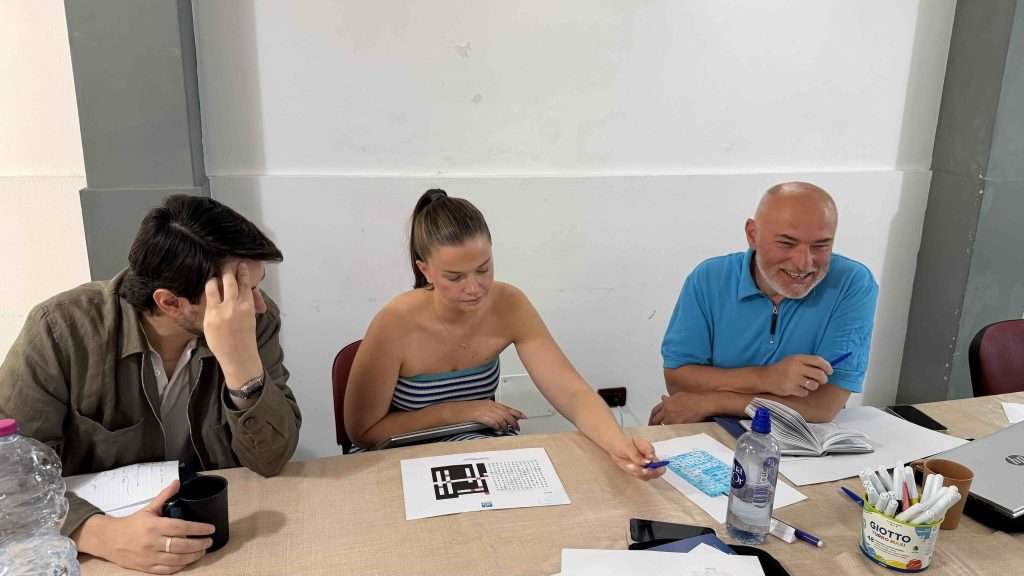
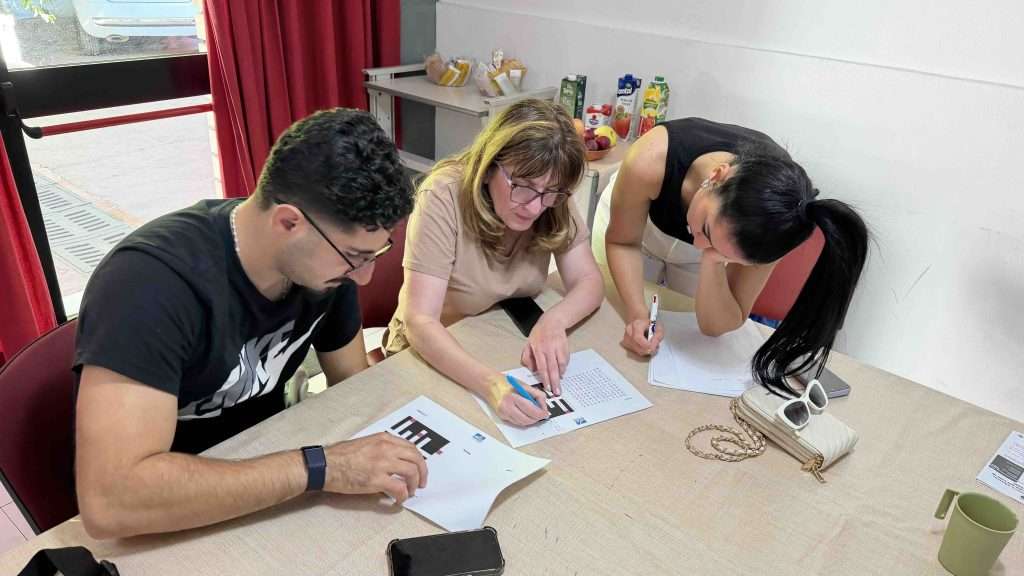
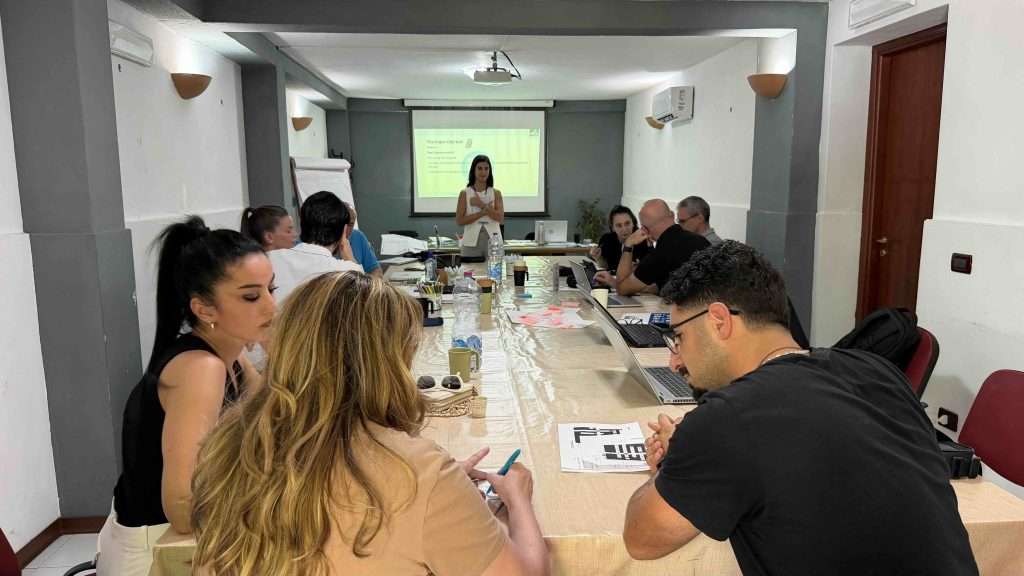
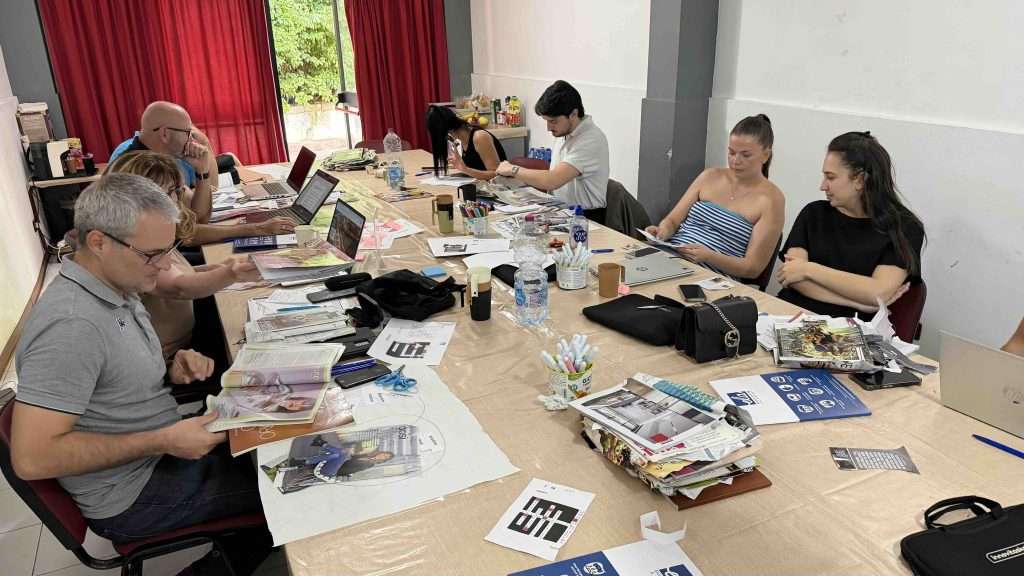
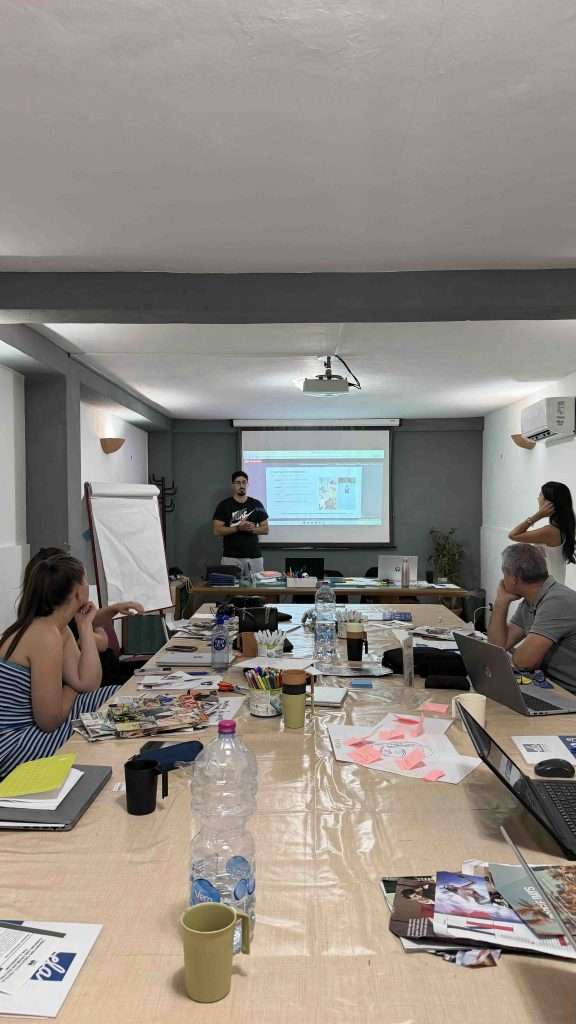
During the course, participants worked on different aspects of 21st-century learning, including creativity, communication, collaboration and the ability to think critically. The aim was not simply to discuss these skills, but to understand how they can be developed through everyday classroom activities and applied to different subjects.
One of the sessions focused on visual strategies and how they can be used to encourage students to express their ideas. Visual thinking is not limited to drawing or artistic activities: it can also help students organise information, make connections between concepts and approach a topic in a more personal way. By experimenting with different approaches, teachers had the opportunity to consider how these strategies could be adapted to their own lessons.
Digital tools were also an important part of the experience. Participants explored platforms such as Padlet and Genially, discovering how technology can make classroom activities more interactive. Padlet, for example, allows students to collect and share their thoughts in one place, making it easier to exchange ideas and work together. Genially offers different possibilities for creating interactive content, turning information into activities that can capture students’ attention and encourage them to participate.
What made these activities particularly interesting was the possibility of thinking about their practical application. Rather than using digital tools simply because they are available, teachers were encouraged to consider how they could support learning and help students become more involved in the lesson. Even a simple activity can become an opportunity for creativity when students are invited to contribute, experiment and look at a topic from different perspectives.
Another important aspect of the course was the exchange of ideas among participants. Coming from different educational backgrounds, they had the opportunity to reflect on their teaching experiences and discover approaches that they could take back to their own schools. These moments of discussion showed how sharing practices and perspectives can inspire new ideas and encourage teachers to question routines that they might otherwise take for granted.
After all, bringing creativity into the classroom does not always require completely new methods or complicated activities. Sometimes, it starts with a simple question, a different way of presenting a topic or the decision to give students more space to express their thoughts. The challenge is to create an environment where they feel encouraged to participate, make connections and learn from one another.
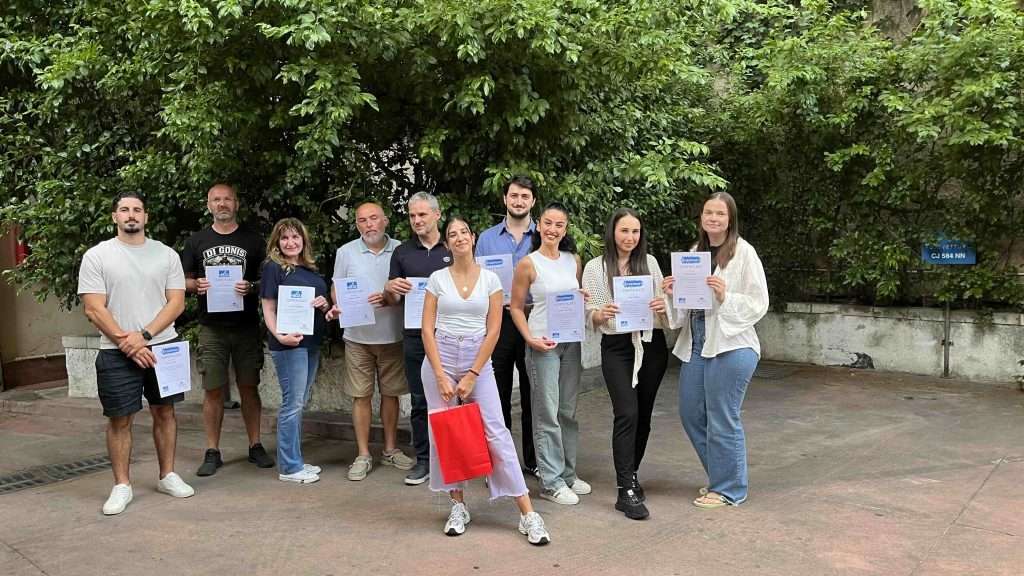
The week in Palermo was an opportunity to explore these possibilities and reflect on the role teachers can play in developing students’ creative and critical thinking skills. Because preparing students for the future is not only about helping them acquire knowledge, but also about teaching them how to use it, question it and find their own way forward.
Más información sobre este curso aquí.
Where this course took place: Erasmus courses for teachers in Palermo
Planning your own Erasmus+ course? Descarga el catálogo de cursos 2026-2027
 English (UK)
 Español
 Italiano
 Deutsch
 Română
 Български
 Čeština
 Ελληνικά
 Polski
 Português
 Français