Artificial intelligence is becoming an increasingly important topic in the field of education. As digital technologies continue to develop, AI is beginning to influence how information is created, accessed, and used in learning environments. For educators, understanding the basic principles of artificial intelligence and its possible applications is therefore becoming an important step in adapting to the changing educational landscape.
This concept was fundamental during the new edition of the course “ChatGpt ans AI for teachers: Artificial Intelligence in schools and education” that took place in Bologna from 15/03/2026 – 21/03/2026. The participants came from all across Europe, including Adél from Budapesti Gépészeti Szakképzési Centrum (Hungary), Ibolya and Gabriela from Colegiul Csiky Gergely Arad (Romania), Randall from Dublin and Dun Laoghaire Education and Training Board – DDLETB (Ireland) and Ruth from Keizer Karel College (Netherlands).
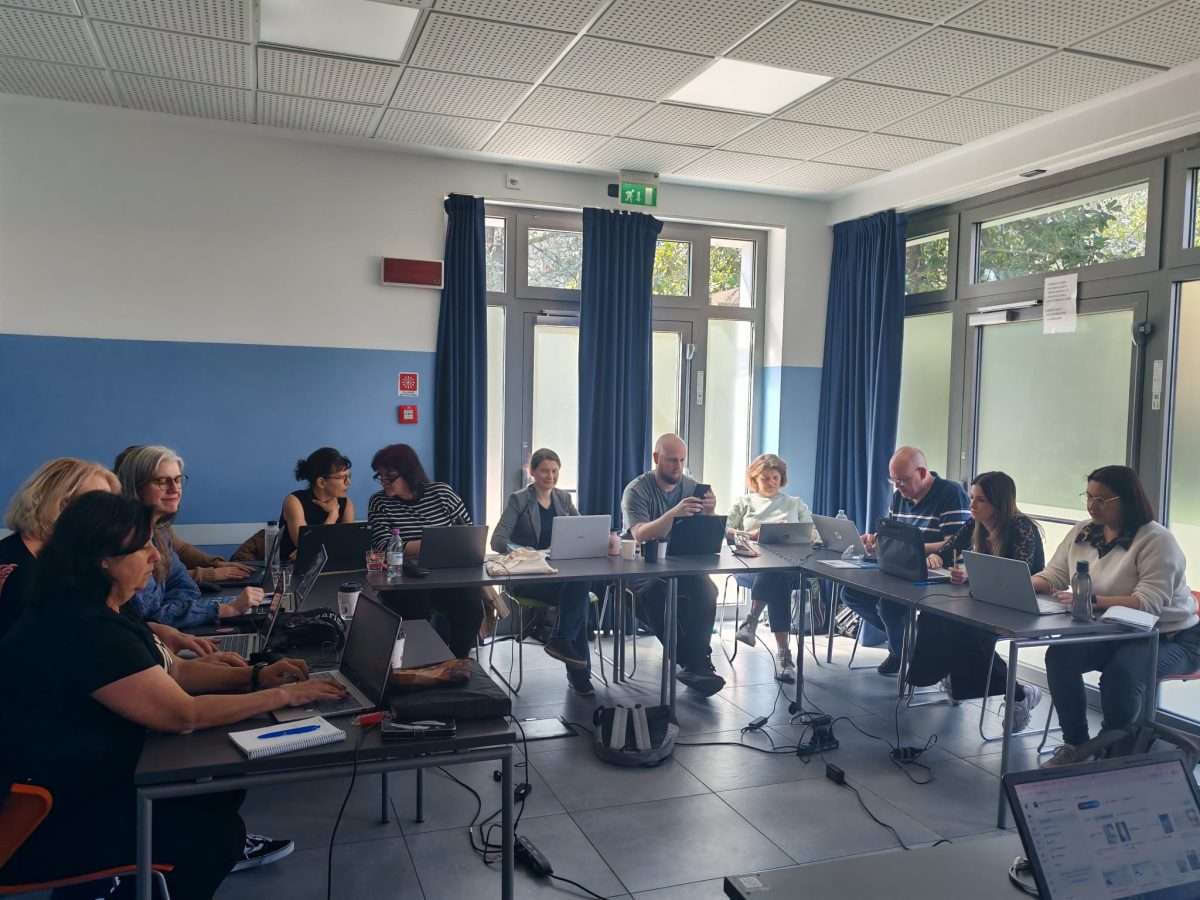
The initial subject explored in the session was an introduction to artificial intelligence (AI). This included understanding what AI is, its basic concepts, and how it is used in everyday contexts. The discussion also touched on the introduction of AI in education, highlighting its growing role and potential impact on teaching and learning.
One of the primary focuses was on the importance of prompting in using ChatGPT. Effective prompting can significantly influence the quality of responses generated by AI, making it a crucial skill for educators. Participants practiced crafting precise and contextually appropriate prompts to maximize the utility of ChatGPT in classroom settings.
Another crucial topic was the ethical implications of AI in education, covering aspects like bias in algorithms, privacy concerns, and the necessity for clear policies to govern AI use. Understanding these ethical dimensions is essential to ensure AI applications are fair, transparent, and beneficial for all students.
El curso también profundizó en integrating ICT tools with AI features, highlighting tools that enhance collaboration, creativity, and critical thinking among students. Participants were encouraged to explore various ICT applications and consider how these can be augmented with AI capabilities to improve learning outcomes.
Assessment in the age of AI was another significant topic. The discussion centered around developing new assessment methods that leverage AI for formative assessments, providing real-time feedback, and supporting differentiated instruction. The potential of AI to create more personalized and effective assessment strategies was emphasized.
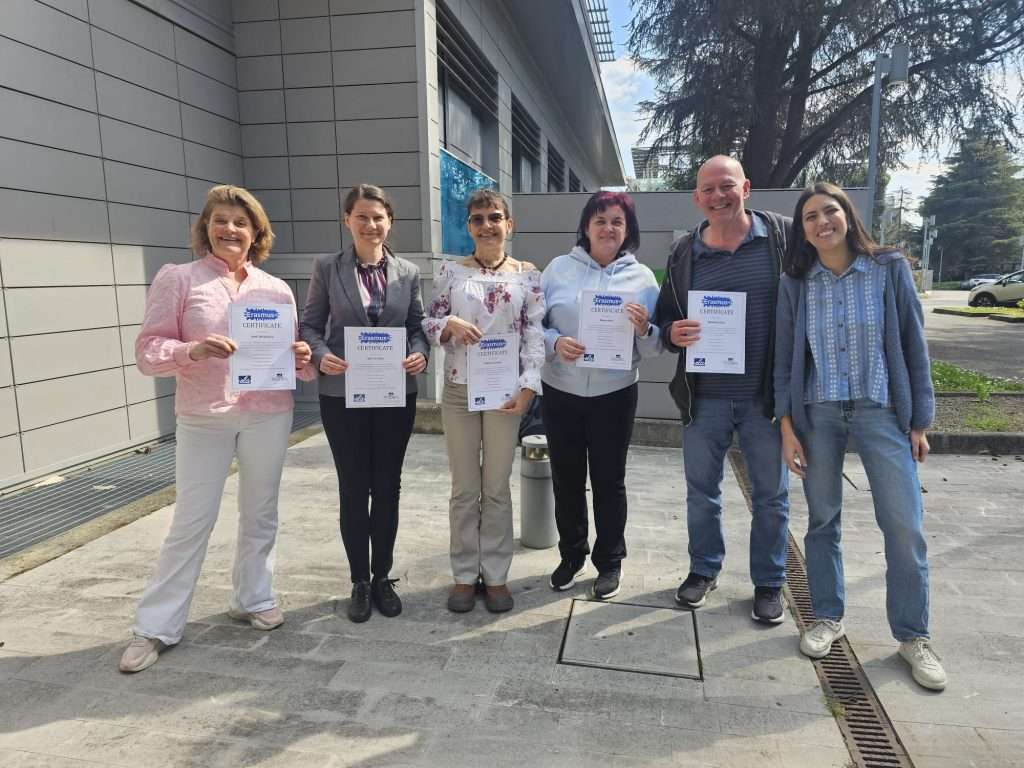
Throughout this training week, participants had the opportunity to share their collective experiences and gain insights from diverse cultural backgrounds. Este entorno de colaboración facilitó la adquisición de destrezas de IA y coaching y proporcionó a los participantes una plataforma para explorar la aplicación de estas destrezas en sus aulas.
Más información sobre este curso aquí.
Where this course took place: Erasmus courses for teachers in Bologna
Planning your own Erasmus+ course? Descarga el catálogo de cursos 2026-2027
 English (UK)
 Español
 Italiano
 Deutsch
 Română
 Български
 Čeština
 Ελληνικά
 Polski
 Português
 Français