Stress is an unavoidable part of working in education. Managing deadlines, responsibilities, relationships and unexpected situations can sometimes feel overwhelming, while difficult interactions can easily lead to conflict. Understanding how stress affects us and learning how to respond to challenging situations can therefore be valuable not only for personal well-being, but also for creating healthier educational environments.
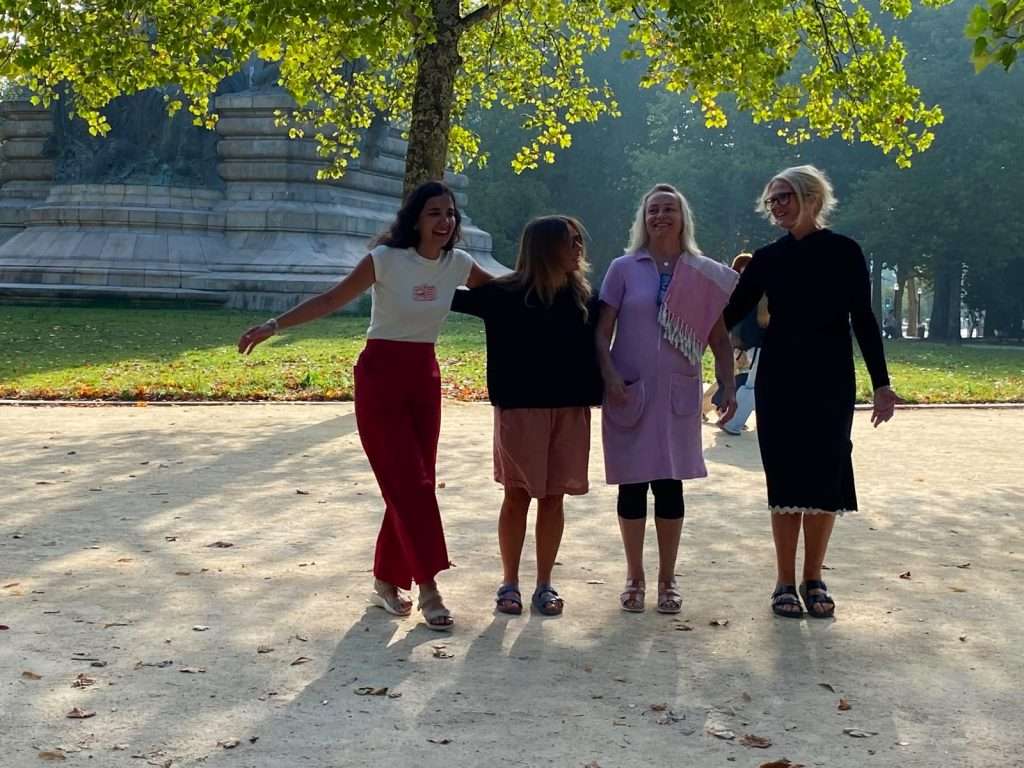
These were the central themes of the “Stress and Conflict Management: the way to resilience and satisfaction” course, held in Porto from 02 to 08 August 2026. The course brought together participants from across Europe: Peter from Közép-magyarországi Agrárszakképzési Centrum in Hungary; Marie, Monica and Pia from Vuxenutbildning Partille in Sweden; Taru de Savon koulutuskuntayhtymä y Soile de Loimaan evankelinen kansanopisto in Finland; Lucía de IES Gregorio Marañón in Spain; Anna Maria and Valeria from IISS MAURO PERRONE in Italy; Rebecca de Paul-und-Charlotte-Kniese-Schule in Germany; Annick and Chrystelle from Institut de la Providence de Champion in Belgium; and Silvia and Paola from Istituto Comprensivo Castelnuovo Luni Ortonovo en Italia.
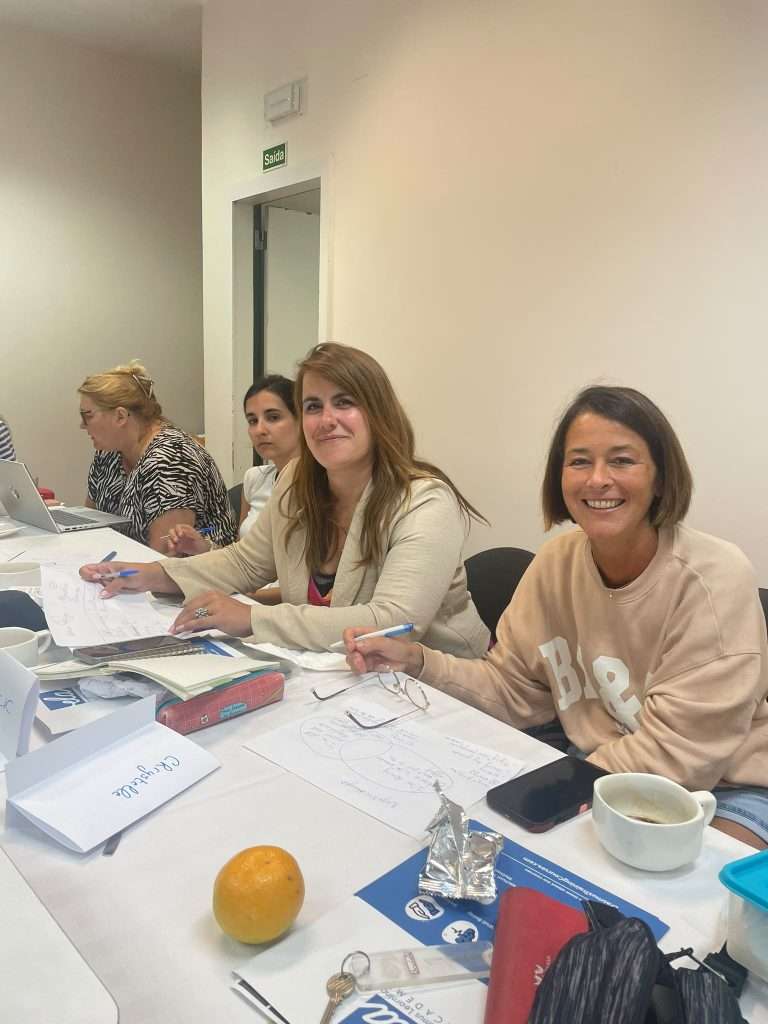
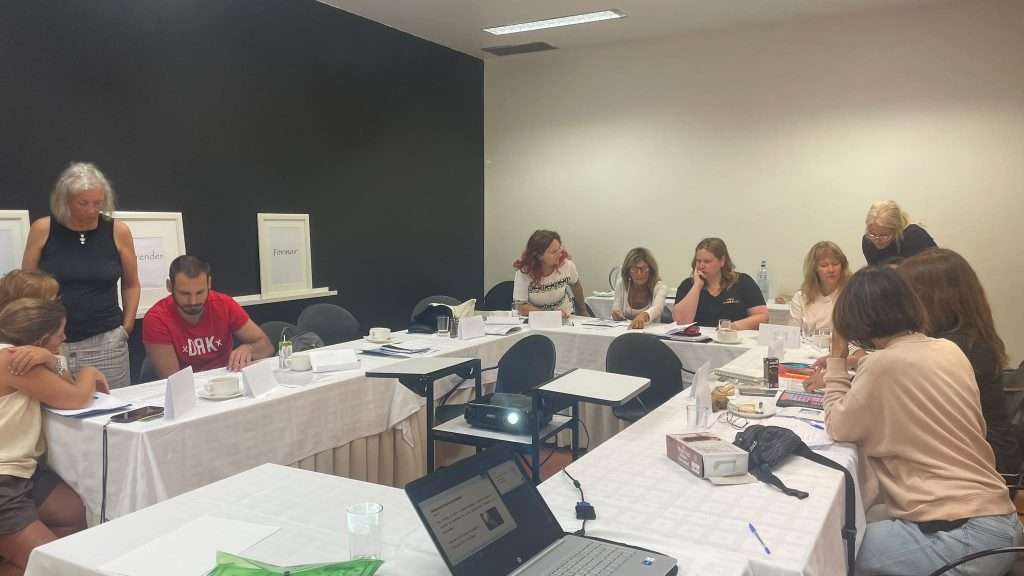
The programme began by exploring what stress is, where it comes from and how it affects our physical and emotional responses. Participants reflected on their own experiences and examined different sources of pressure, from work and family responsibilities to environmental and personal factors. They also considered the difference between positive and negative stress, as well as burnout, boreout and the most common signs of prolonged stress.
The focus then shifted towards practical ways of managing pressure. Participants explored problem-solving strategies, organización y gestión del tiempo, as well as cognitive and behavioural approaches. They looked at how beliefs and patterns of thinking can influence our reactions, including the difference between fixed and growth mindsets. Breathing, relajación, mindfulness y visualisation techniques provided practical tools that can be used both at work and in everyday life.
Resilience was another key theme. Participants examined common thinking patterns that can make stressful situations more difficult and explored ways of challenging unhelpful thoughts while developing greater self-compassion. They also considered the importance of healthy breaks and habits that support long-term well-being, using practical sensory and creative exercises to develop greater awareness of the present moment.
The programme also focused on emotional intelligence and communication, exploring emotional awareness, empathy, self-motivation, optimism and active listening. These skills were then connected to gestión de conflictos, with participants considering why conflicts arise, how people respond to them and how communication can either escalate or defuse a difficult situation. Different approaches and perspectives helped the group explore more constructive ways of dealing with conflict.
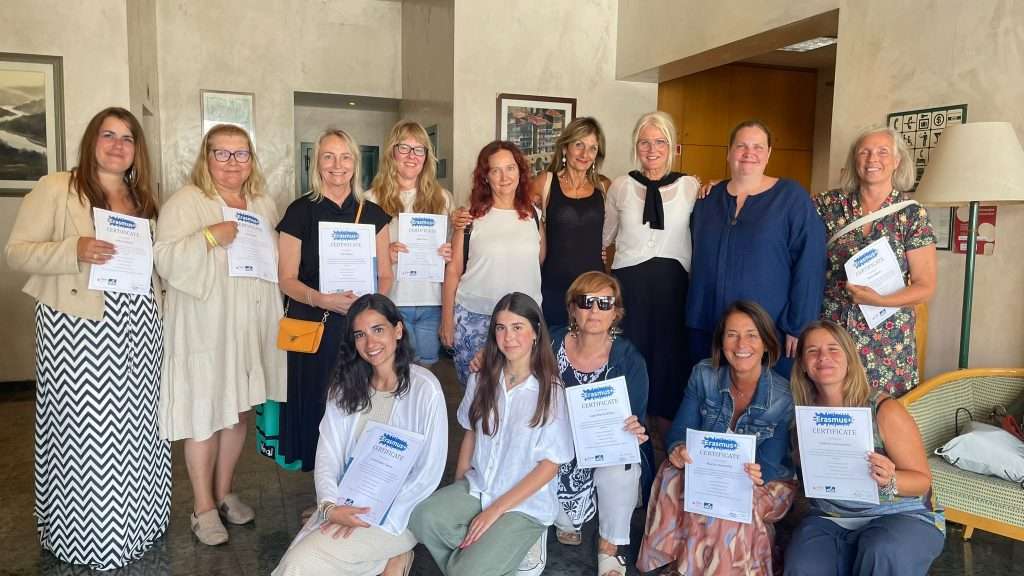
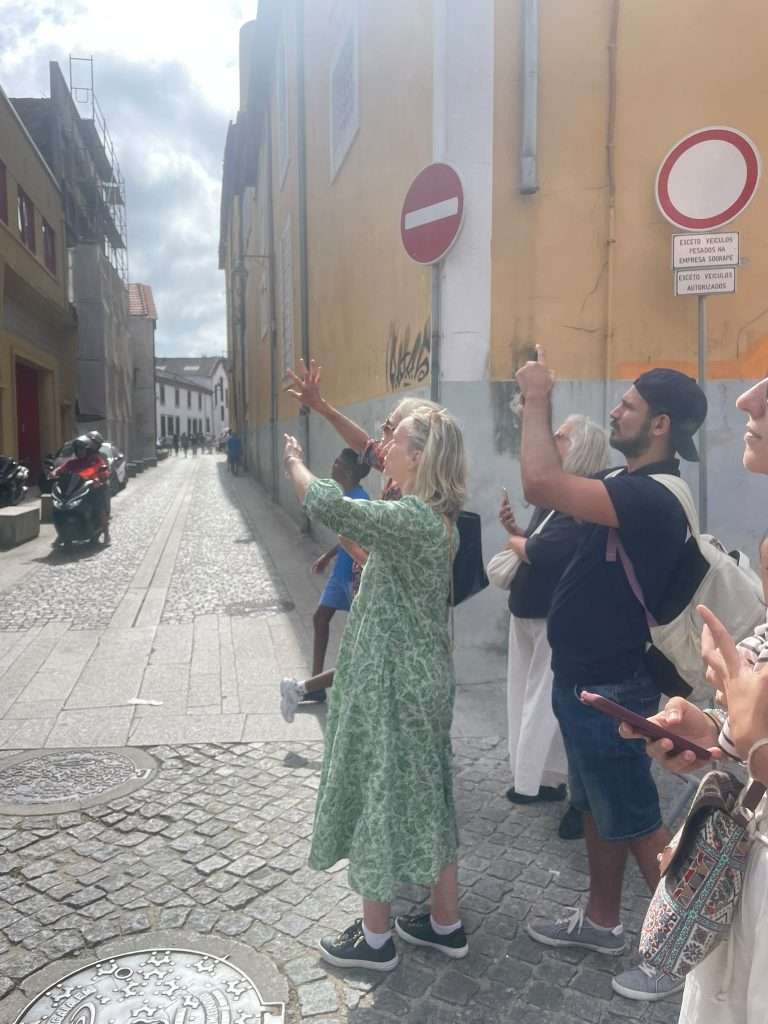
Learning extended beyond the classroom, with time to discover Porto together and share experiences in an informal setting. These moments strengthened connections within the international group and encouraged participants to exchange perspectives from their different educational contexts.
By combining theory, reflection, practical exercises and international exchange, the course provided participants with useful strategies for managing stress, strengthening communication and approaching conflict more constructively. The experience offered ideas that can be applied both to personal well-being and to everyday work with students, colleagues and wider school communities.
Más información sobre este curso aquí.
Where this course took place: Erasmus courses for teachers in Porto
Planning your own Erasmus+ course? Descarga el catálogo de cursos 2026-2027
 English (UK)
 Español
 Italiano
 Deutsch
 Română
 Български
 Čeština
 Ελληνικά
 Polski
 Português
 Français