The role of education extends far beyond the transmission of knowledge. In an era where Artificial Intelligence is reshaping nearly every aspect of society, educators must be equipped with the skills and confidence to integrate AI responsibly and effectively into their teaching practices. AI literacy is rapidly becoming an essential competence, enabling teachers to prepare students for a future in which intelligent technologies play an increasingly important role in everyday life.
The recent course, “Artificial Intelligence Course for Teachers: Advanced Tools an Apps” took place from 12.07,2026 to 18.07.2026 in Bologna, with participants from St Monica School B’Kara (Malta), including Marica, Marushca, Stephanie, Doriette, Maria, Rachel, Oriana and Sharon.
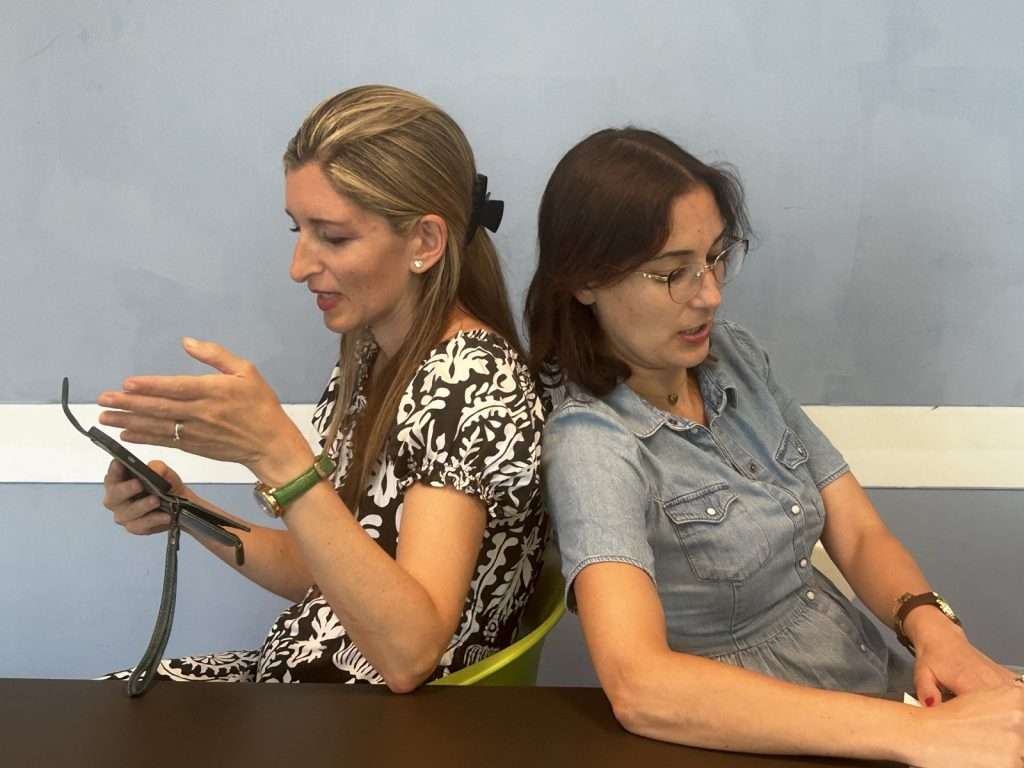
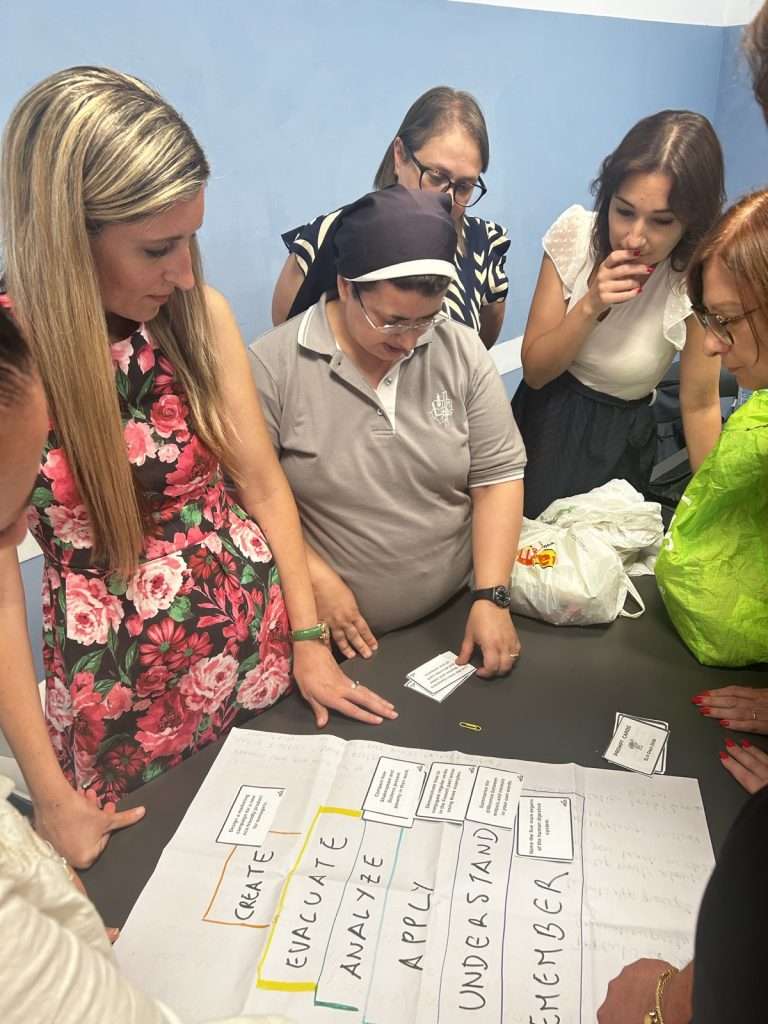
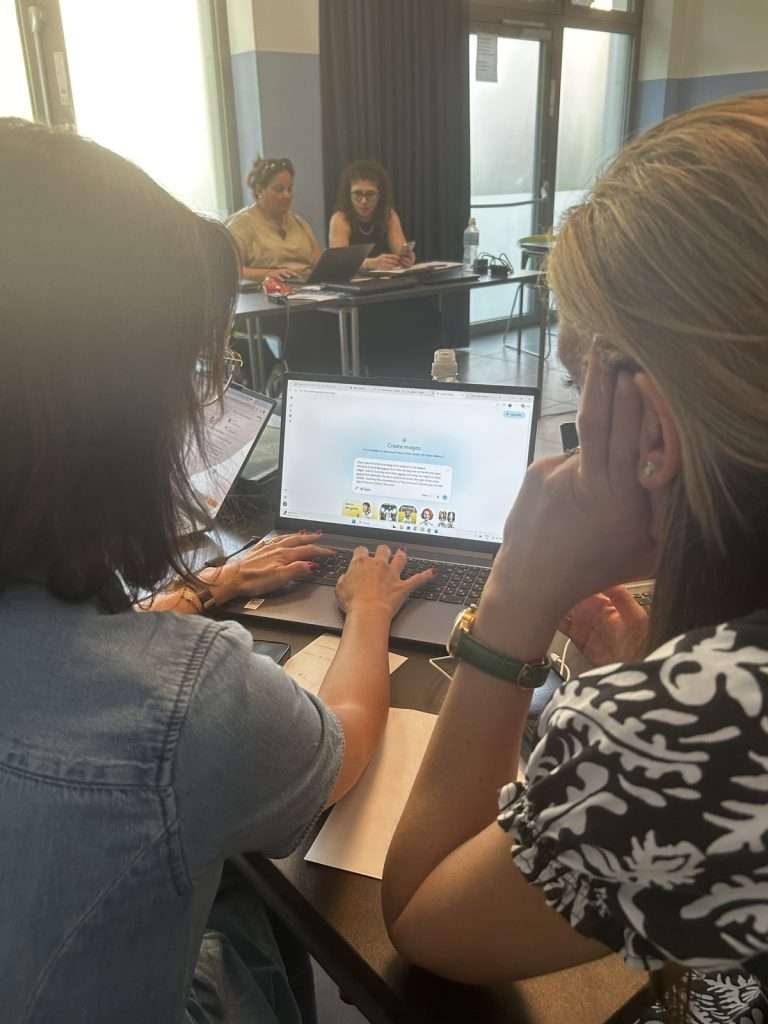
Throughout the training week, educators explored innovative digital tools, exchanged international perspectives, and developed practical strategies for integrating Artificial Intelligence into their classrooms.
The course began by encouraging participants to reflect on the concept of AI literacy and the challenges educators face when introducing AI into school environments. Discussions focused on identifying common obstacles, sharing experiences from different educational systems, and exploring ways to overcome barriers to AI implementation. Participants also experimented with collaborative digital whiteboards enhanced by AI functionalities and discovered how AI-generated images can inspire creativity and improve students’ writing skills through visual storytelling and creative learning activities.
A major focus of the second day was understanding the principles behind Large Language Models (LLMs) and learning how prompt engineering can significantly improve interactions with AI systems. Participants practiced designing effective prompts to create personal AI assistants capable of simplifying administrative tasks, supporting lesson planning, and streamlining everyday teaching workflows. In addition, various AI assistants were compared, allowing participants to evaluate their strengths and identify the most suitable tools for creating educational materials and supporting student learning.
The training continued by exploring the relationship between Bloom’s Taxonomy and prompt engineering. Participants examined how carefully designed prompts can encourage different levels of cognitive thinking, from remembering and understanding to evaluating and creating. This pedagogical approach demonstrated how AI can support higher-order thinking skills and more engaging learning experiences. During the practical sessions, participants also designed their own AI applications using the Google AI Studio App Builder, gaining first-hand experience in developing customized educational solutions without requiring advanced programming knowledge.
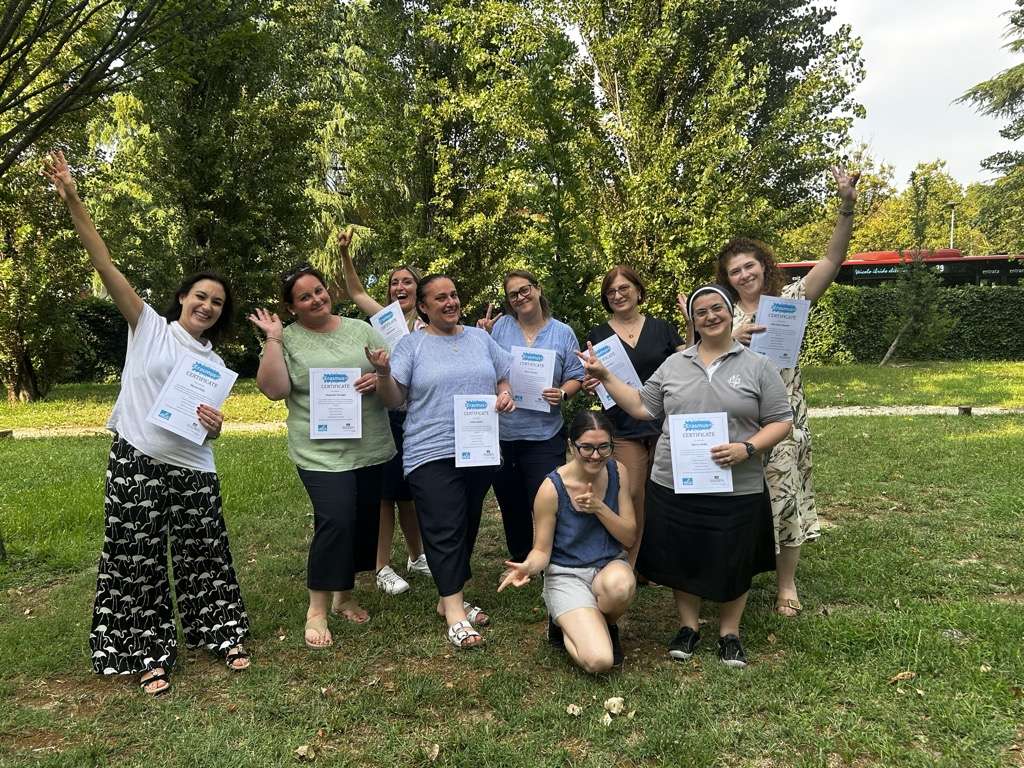
Another important topic was the exploration of NotebookLM as a powerful AI-supported learning assistant capable of generating summaries, study materials, and educational resources based on users’ own documents and sources. Participants also learned how to create high-quality images and infographics using Google Nano Banana, discovering new possibilities for producing visually engaging teaching materials. The course further introduced several freemium AI tools designed for both formative and summative assessment, enabling educators to provide more timely feedback while making assessment practices more efficient and learner-centered.
The final day focused on the responsible and ethical use of Artificial Intelligence in education. Participants explored different types of AI bias and discussed their potential impact on fairness, inclusion, and educational decision-making. Special attention was given to the EU AI Act, providing participants with an overview of the European regulatory framework governing AI systems, including risk classification and requirements for AI services operating within the European market. These discussions reinforced the importance of using AI technologies transparently, responsibly, and in accordance with European values and legislation.
Throughout the week, the course fostered a collaborative international learning community where participants exchanged ideas, shared best practices, and reflected on the opportunities and challenges that Artificial Intelligence presents for education. By combining theoretical knowledge with extensive hands-on activities, the training strengthened participants’ digital and AI competencies while equipping them with practical tools to enhance teaching, promote student engagement, and confidently navigate the evolving educational landscape.
Where this course took place: Erasmus courses for teachers in Bologna
Planning your own Erasmus+ course? Descarga el catálogo de cursos 2026-2027
 English (UK)
 Español
 Italiano
 Deutsch
 Română
 Български
 Čeština
 Ελληνικά
 Polski
 Português
 Français