Being in contact with the outdoors has had a profound positive impact on human cognitive, behavioral, and emotional development since prehistoric times. Even today, walking in nature or observing a natural or urban landscape can inspire, challenge, or influence us. Outdoor education is an innovative teaching approach that addresses two of today’s most pressing societal topics: providing high-quality, long-lasting education and raising awareness about the importance of protecting our planet amid the pressing challenges of climate change.
A nova edição do curso “Educação ao ar livre: uma nova forma de ensinar e aprender” teve lugar em Tenerife de 08/02/2026 para 14/02/2026. The participants came from all across Europe, with Paul Benajmin from Gymnasium Tolkewitz, Dresden in Germany; Luisa and Ana from Agrupamento de Escolas Fernão do Pó in Portugal; Elisabetta, Marta and Gino from IC Parma Centro in Italy; Iva from III. gimnazija Zagreb in Croatia; Barbara from Glasbena šola Ribnica in Slovenia.
Starting from the definition of Outdoor Education, the course explored diverse ways to engage students with the outdoors, which does not necessarily mean only being in forests or nature. One session focused on Urban Outdoor Education, showing how subjects such as science, mathematics, music, art, and language can be taught by drawing attention to the surrounding environment.
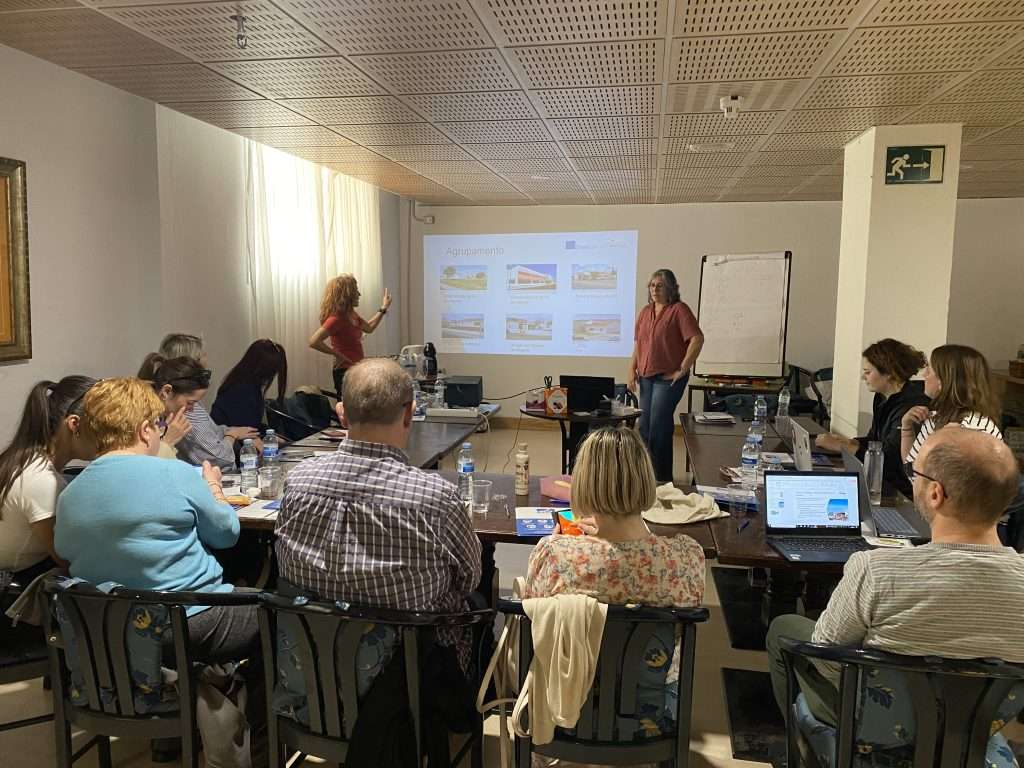
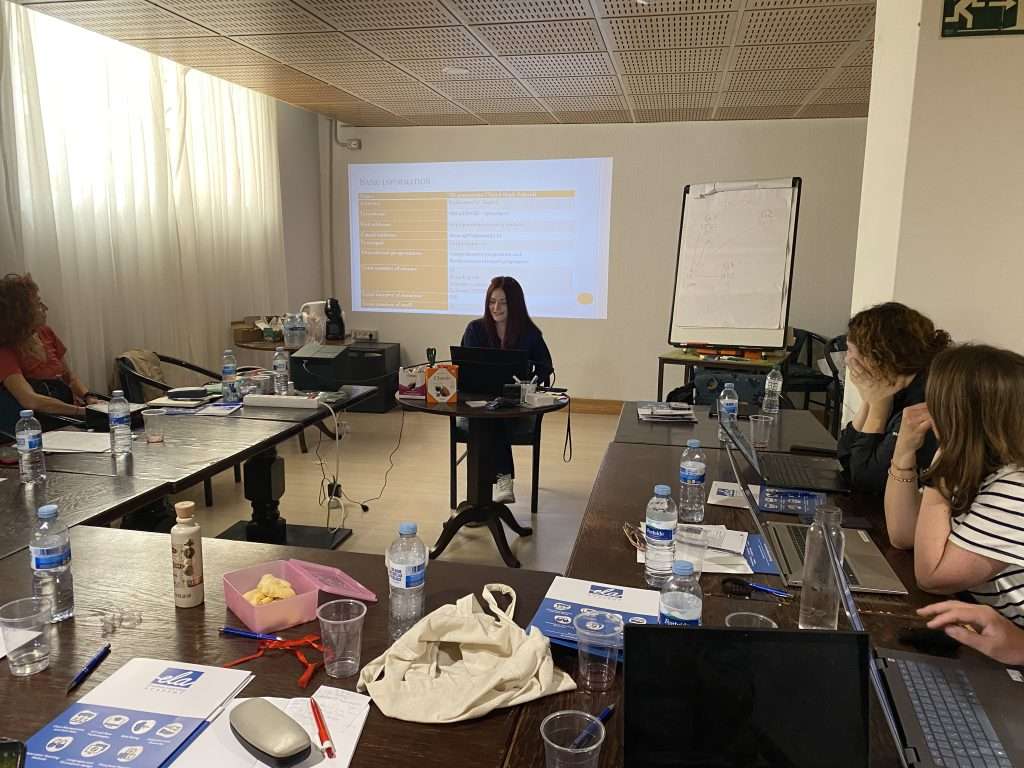
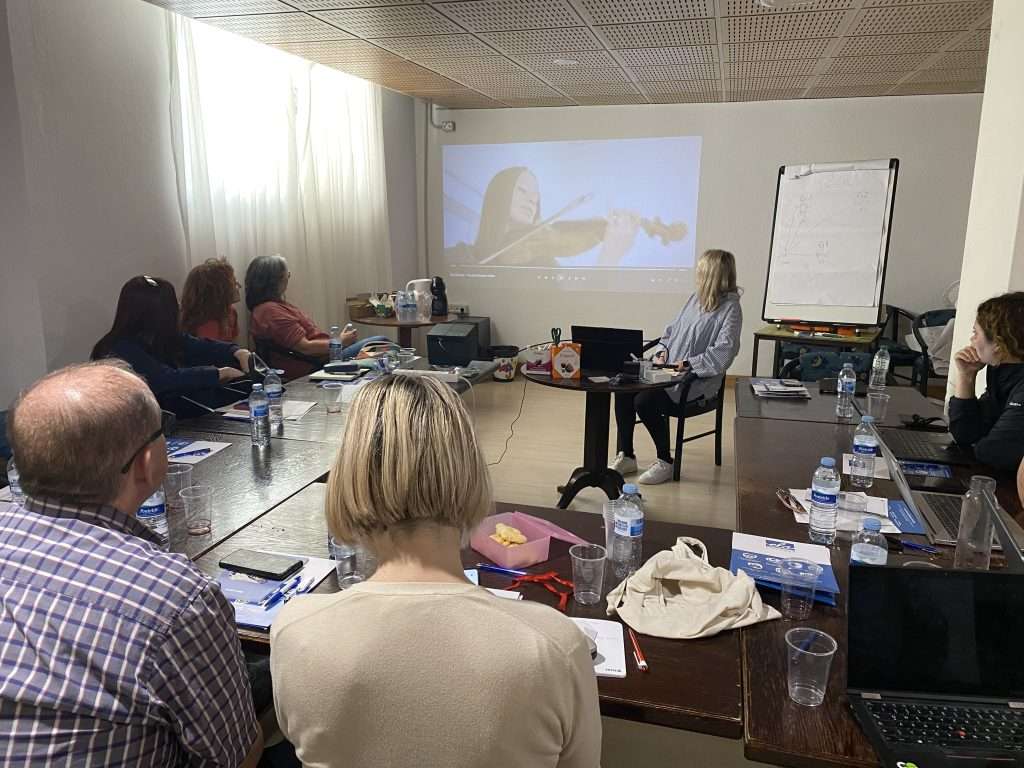
Another part of the course concentrated on applying practical tools in natural settings such as local parks. Participants tested various games and activities, which were highly appreciated and inspired them not only to share these experiences with the group but also to design their own Outdoor Education activities.
Participants also delved into Non-Formal Education (NFE), a pedagogical approach that encompasses many outdoor activities. NFE centers on students’ concrete experiences during activities, enabling them to reflect, connect new knowledge to their lives, and apply it meaningfully.
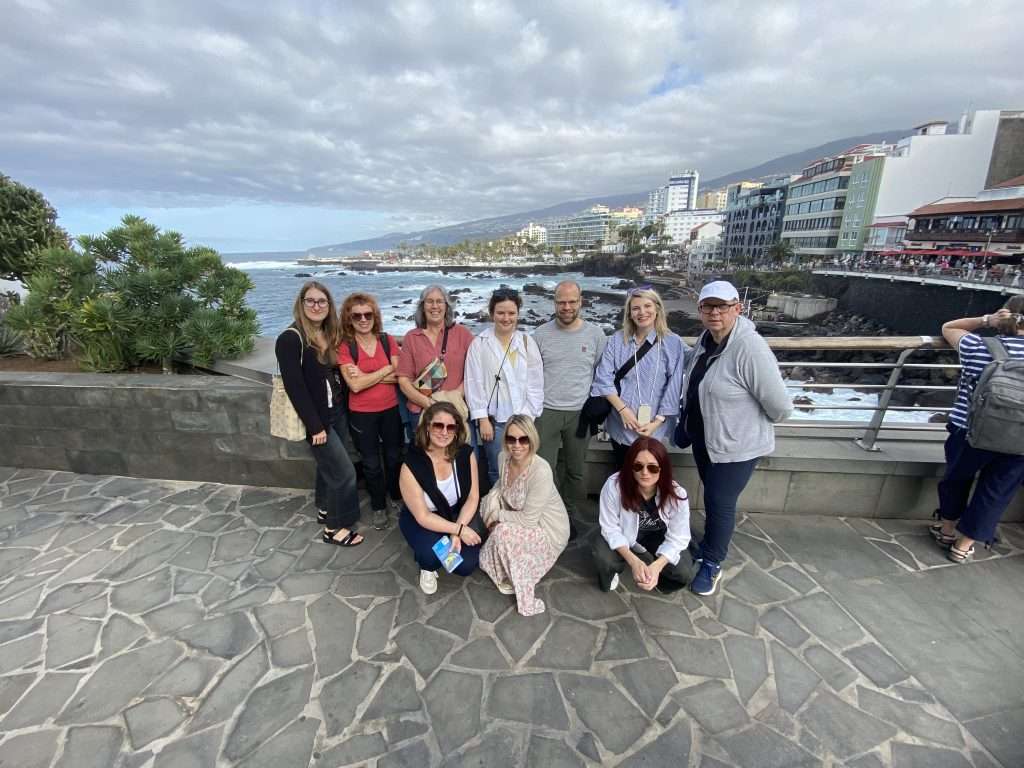
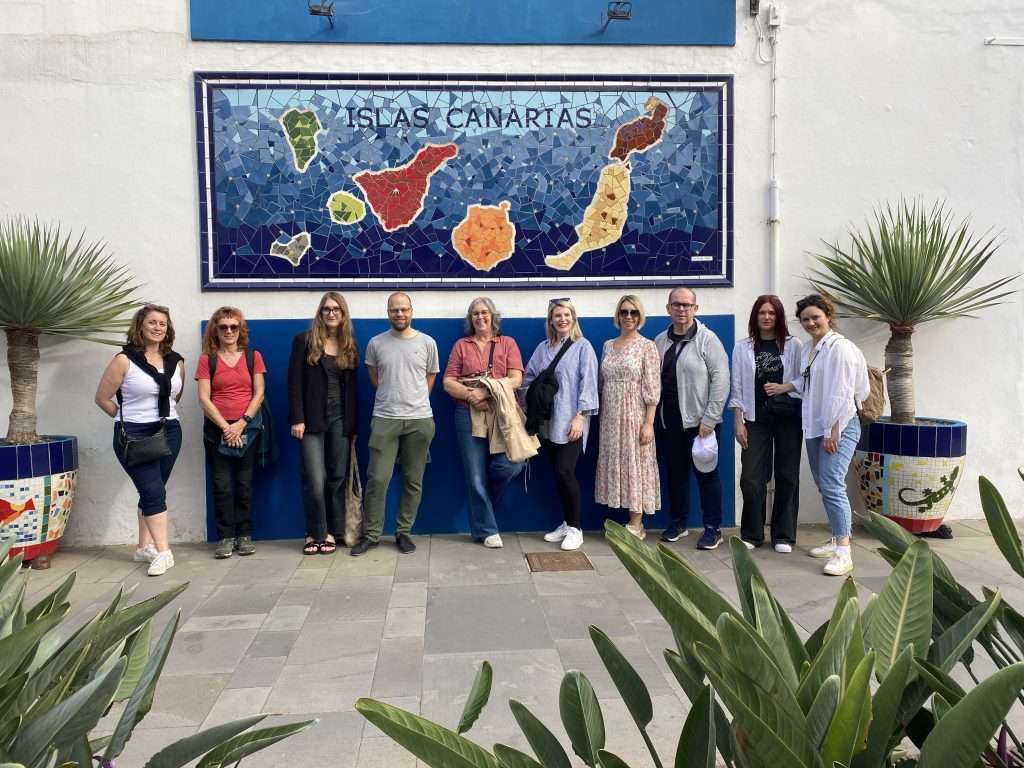
The final part of the course was dedicated to designing a tailored outdoor learning experience for each participant’s target group. After studying the principles of outdoor learning, exploring the 10 Kurt Hahn rules and their significance, and engaging with a variety of urban and natural activities, each participant planned an outdoor lesson based on their subject area. Considering students’ age, skills, and learning objectives, teachers prepared detailed sessions, presented them to the group, and received constructive feedback. This hands-on week itself demonstrated the power of experiential outdoor learning: participants experienced firsthand what an outdoor education activity entails and gained the skills to plan their own for their students.

Throughout the course, participants explored a wide range of activities and games that they can replicate with their students, proving that meaningful learning can extend far beyond the classroom walls.
Saiba mais sobre este curso aqui.
Where this course took place: Erasmus courses for teachers in Tenerife
Planning your own Erasmus+ course? Descarregue o catálogo de cursos 2026-2027
 English (UK)
 Español
 Italiano
 Deutsch
 Română
 Български
 Čeština
 Ελληνικά
 Polski
 Português
 Français