Today, we are living in a time when topics like climate change and environmental sustainability can no longer be ignored. The impact of environmental problems will be felt most strongly by future generations, which makes education on these issues especially important. Teachers play a key role in preparing young people to understand and respond to these challenges. However, it is not only about talking about the problems — it is also about how we talk about them. Educators need to approach these topics in a way that inspires responsibility and hope, encouraging students to believe that positive change is possible rather than leaving them feeling overwhelmed or discouraged.
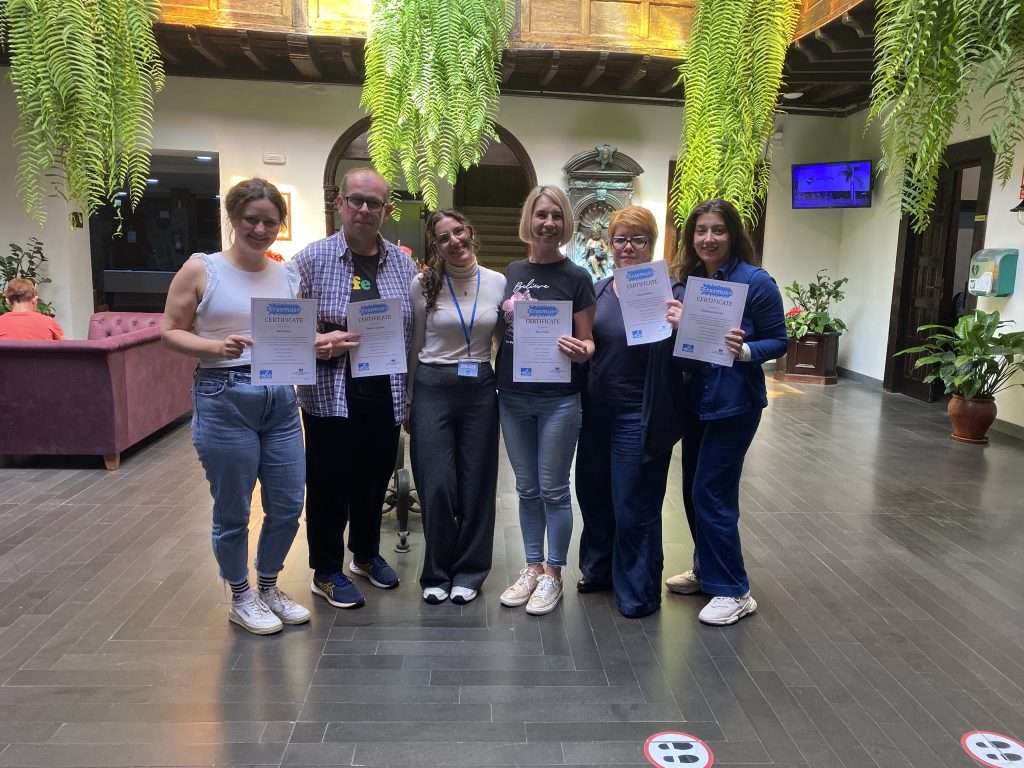
This new course “Competências ecológicas para a educação: promover a sensibilização ambiental e ações sustentáveis na sala de aula”, took place in Tenerife de 08/02/2026 a 14/02/2026, with 5 participants from 2 different countries: Nada and Robert from Gimnazija i strukovna škola Jurja Dobrile Pazin, Ivana and Katarina from Zagreb muscular dystrophy society in Croatia; Evi from Mittelschule Matrei am Brenner in Austria.
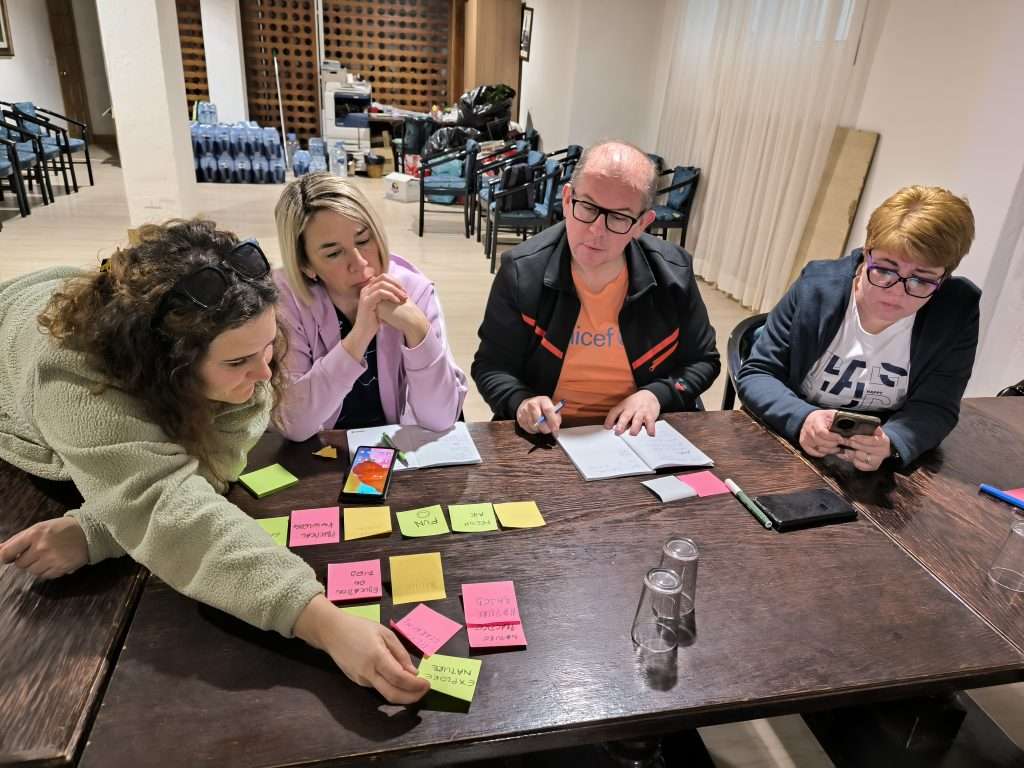


At the start of the week, we focused on Green Skills and why they are essential in today’s society. On the first day, participants reflected on the key terms of the green vocabulary and explored the concepts of sustainability and sustainable development. The following day, we tackled the topic of greenwashing. Participants had the opportunity to research brands from their own countries, learning to distinguish genuinely sustainable products from those that are marketed as “green” but do not meet ethical standards.
Another important focus of the week was the Agenda 2030 and the Sustainable Development Goals (SDGs). Participants worked in groups to explore seven goals connected to environmental sustainability. They also saw how every activity, game, and discussion in the course was linked to different SDGs.
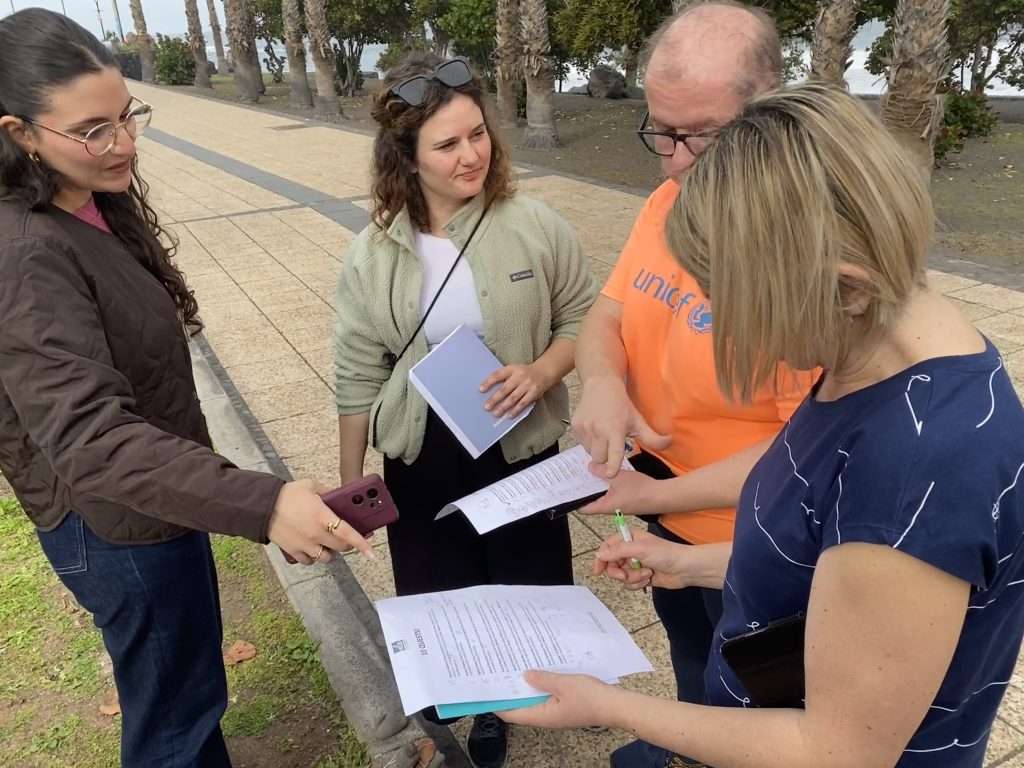
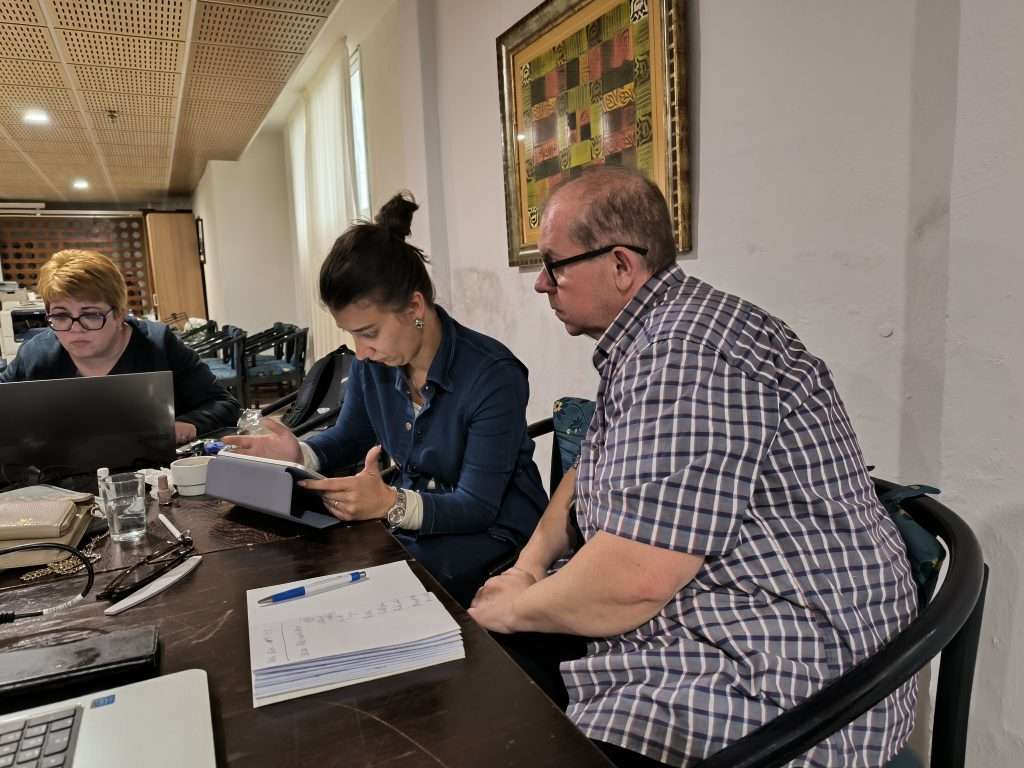

Throughout the week, participants experienced firsthand how small steps can make a difference and explored ways to engage both young students and adults in sustainable practices. Activities encouraged reflection on issues like global warming, carbon footprints, tipping points, consumerism, and other challenges related to climate change.
Two days were dedicated to using non-formal methods to teach about climate change. Participants practiced outdoor activities to foster a love for nature in their students, explored creative engagement techniques, and learned how Project-Based Learning can promote a greener mindset.
A key aspect of the course was using ICT tools to support activities. This approach not only increases student engagement but also helps reduce waste, contributing to everyday green practices.
Finally, one of the most enriching parts of the week was the sharing of best practices. Participants exchanged experiences from their own sustainability projects, gaining inspiration from the ideas and activities of their colleagues. By the end of the course, our participants left Tenerife with big smiles, plenty of new knowledge, and hearts full of meaningful experiences.
Saiba mais sobre este curso aqui
Where this course took place: Erasmus courses for teachers in Tenerife
Planning your own Erasmus+ course? Descarregue o catálogo de cursos 2026-2027
 English (UK)
 Español
 Italiano
 Deutsch
 Română
 Български
 Čeština
 Ελληνικά
 Polski
 Português
 Français