Teaching today often means juggling different learning styles, keeping students engaged, and finding fresh ways to make lessons meaningful. Innovation in education is not about following trends, but about responding to real classroom needs. That idea was at the heart of the teacher training course Innovative teaching methods for teachers and school education staff, held in Zagreb from 7 to 13 December 2025.
The course brought together a close-knit group of educators from Italy, all from Istituto Comprensivo “Filippo Traina”. The participants Daniela G., Giovanni, Giancarla, Daniela S., Marta, Anna Maria, Melissa, Valentina, and Massimiliano — came from different teaching backgrounds but shared a common interest: finding practical, engaging ways to innovate their daily teaching practice. Throughout the week, the group worked closely together, exchanging ideas, experiences, and perspectives from their school context.
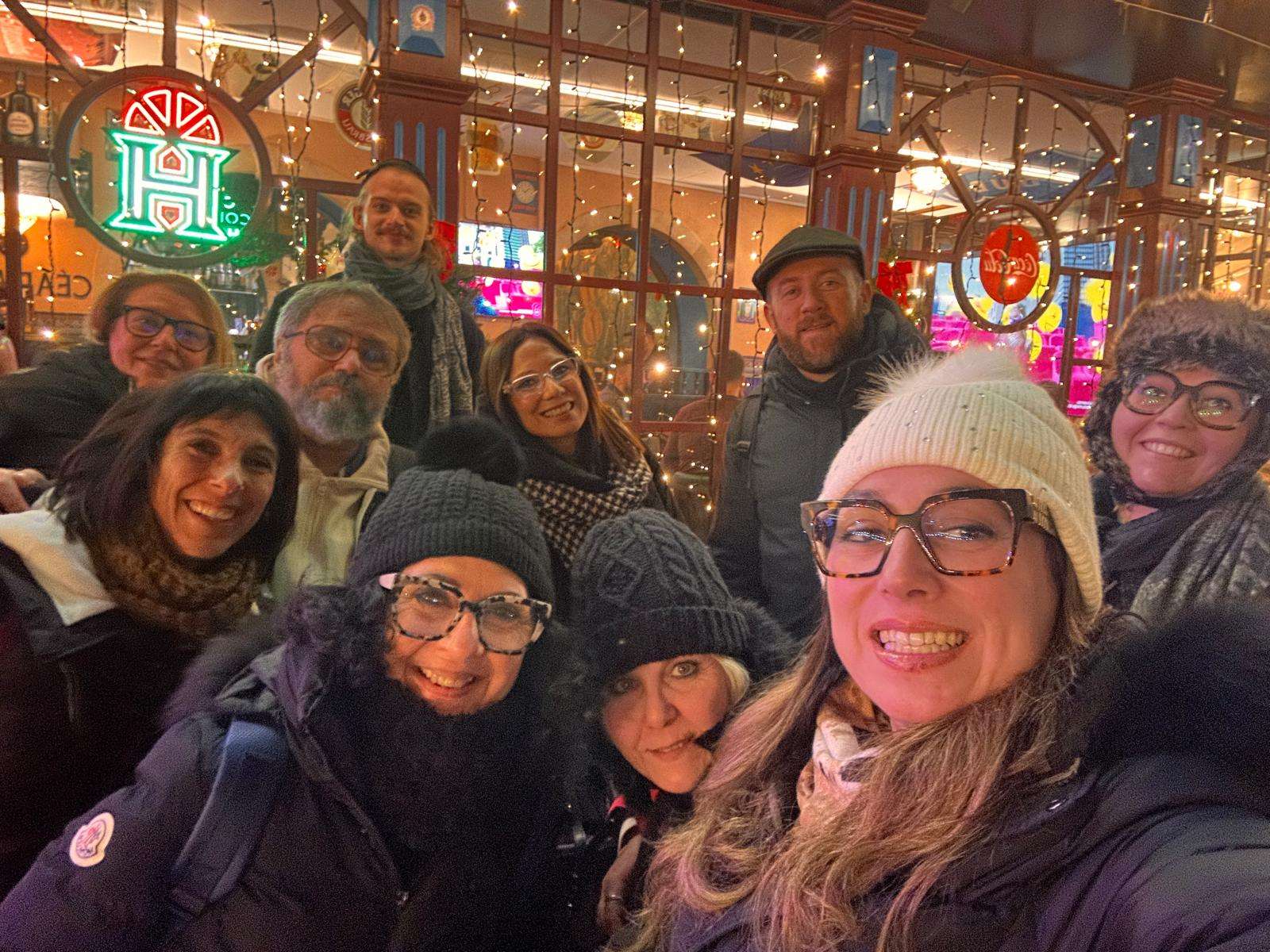
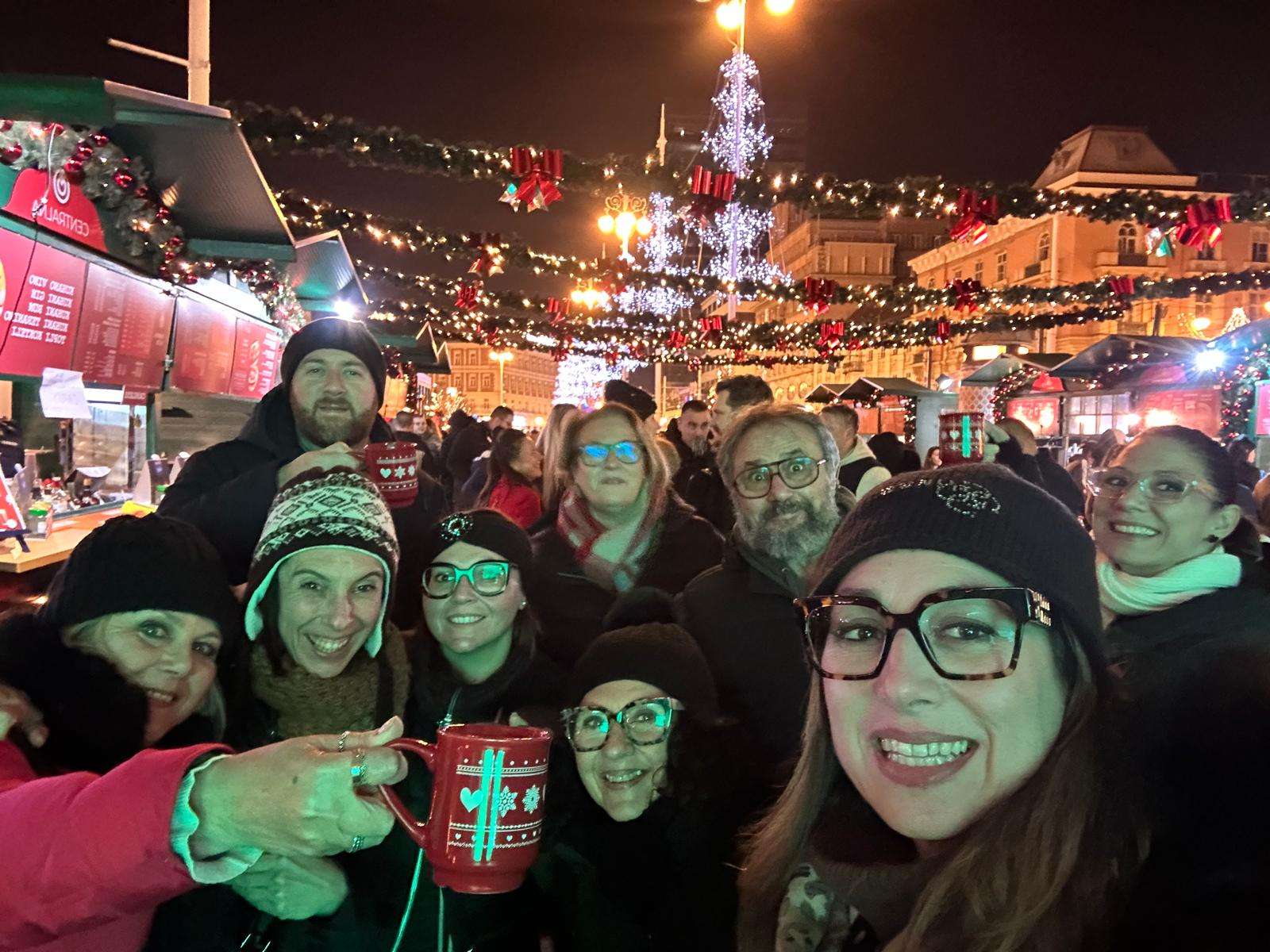
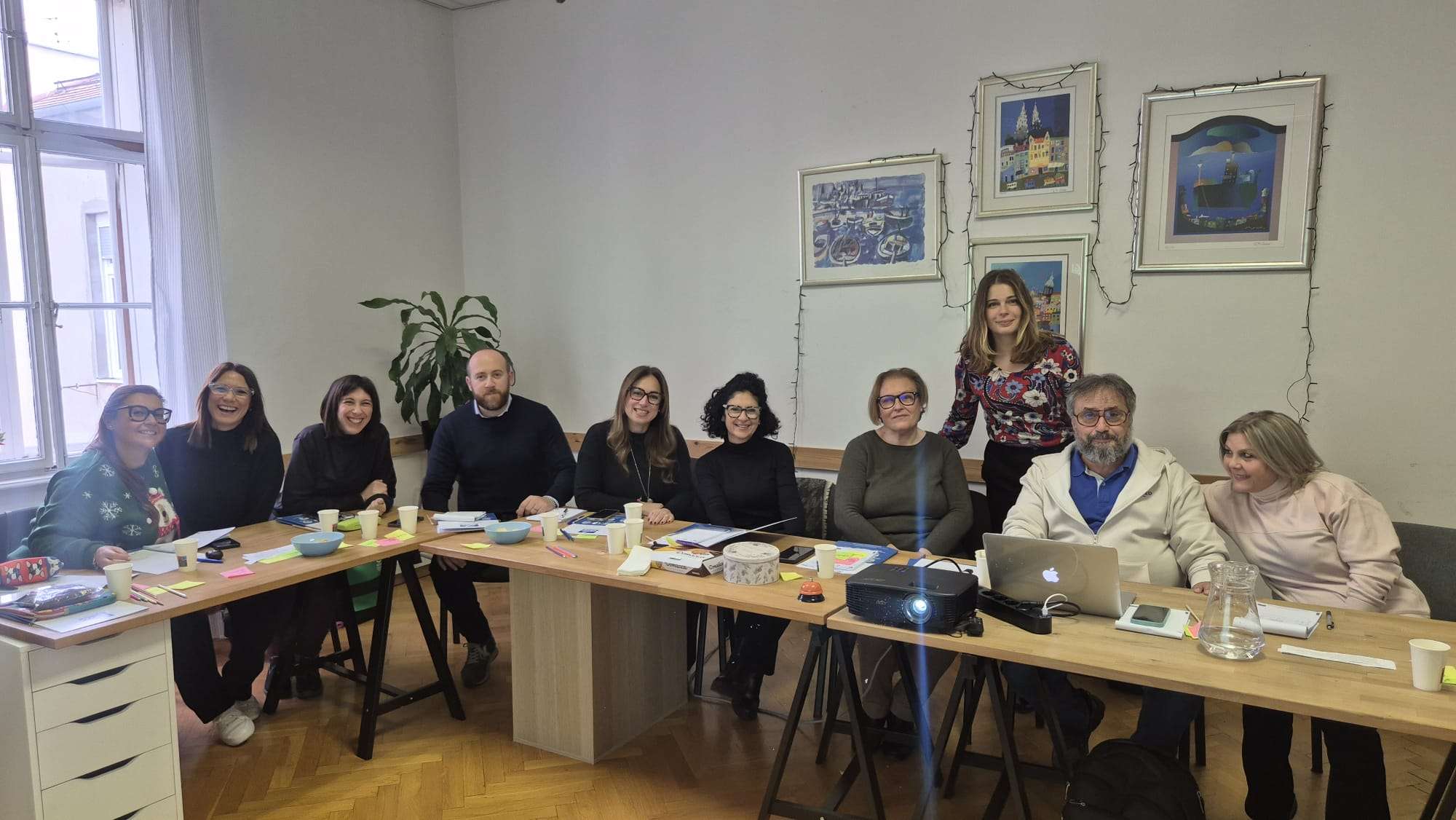
The week began by building connections and setting the tone. On the first day, participants got to know one another through creative activities and visual brainstorming. Using images and storytelling prompts, they explored what innovation means in real classrooms, reflected on different learning styles, and discussed how new teaching skills can be realistically integrated into everyday lessons. Rather than focusing on theory alone, the emphasis was on concrete classroom applications.
The second day moved into non-formal education. After a shared morning reflection, participants experienced alternative ways of introducing themselves and their work, stepping outside traditional presentation formats. Team-based challenges, including country- and inclusion-focused races, encouraged collaboration, problem solving, and discussion. Each activity was followed by structured reflection, helping participants connect the experience to their own students and school environments.
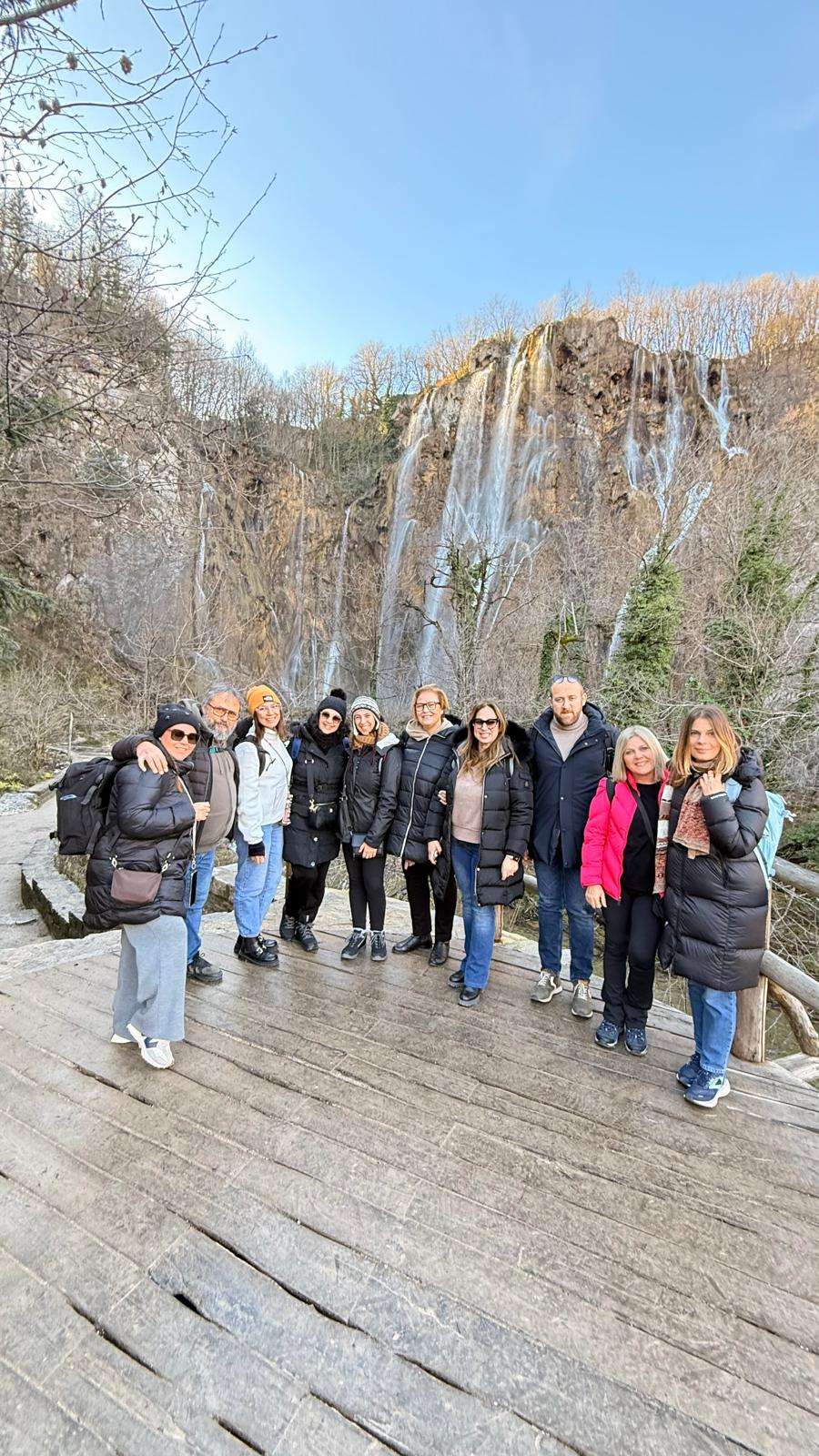
Midweek offered a change of pace with a day trip to the lakes. This shared experience outside the classroom strengthened group cohesion and highlighted the value of informal moments in professional learning. It also set the stage for the following day’s focus on outdoor education.
Thursday was dedicated to learning beyond classroom walls. After the morning wrap-up, participants took part in outdoor education activities both indoors and in Zagreb’s Maksimir Park. Through movement-based exercises, sound-mapping activities, silent observation walks, and team challenges, they explored how outdoor learning can support attention, inclusion, and sensory awareness. The day showed that meaningful learning can happen through simple activities that encourage observation, cooperation, and reflection.
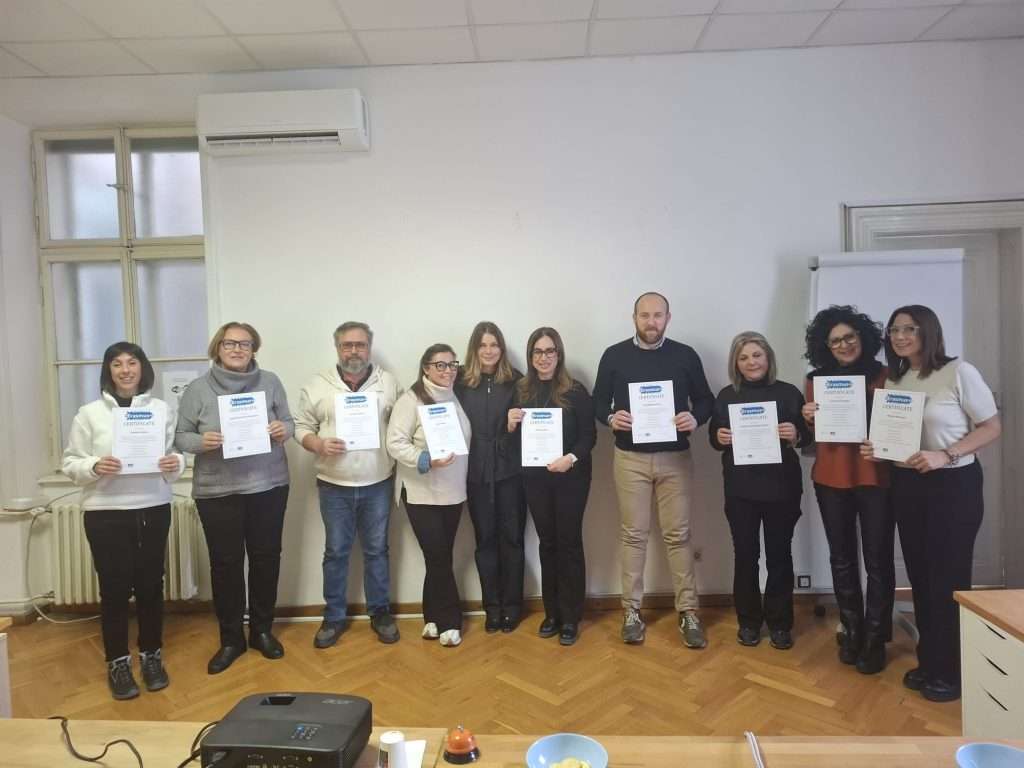
The final day brought energy and play into focus. After reflecting on the week so far, participants explored gamification and game-based learning. They took part in matching games, crosswords, quizzes, and creative challenges, and experimented with designing their own learning games using digital activities. The aim was not technology for its own sake, but understanding how game elements can support motivation, repetition, and active participation. The course closed with a shared reflection and a certificate ceremony, marking the end of an intensive but rewarding week.
By the end of the course, participants left Zagreb with more than a collection of activities. They gained new perspectives on how learning can be active, inclusive, and flexible, and how small changes can make a real difference in the classroom. Perhaps most importantly, they returned home with renewed confidence to experiment, adapt ideas to their students, and keep learning themselves — together with their colleagues. Discover more about this course hier.
Where this course took place: Erasmus courses for teachers in Zagreb
Planning your own Erasmus+ course? Fortbildungskatalog 2026-2027 herunterladen
 English (UK)
 Español
 Italiano
 Deutsch
 Română
 Български
 Čeština
 Ελληνικά
 Polski
 Português
 Français