Today, it is essential to explore various types of non-formal teaching methods and strategies in order to understand how they can improve the effectiveness of education. Looking beyond the traditional classroom setting and its physical limitations allows us to rethink learning processes and address challenges such as early school leaving. Neformální vzdělávání is defined as “any organised educational activity outside the established formal system – whether operating separately or as an important feature of some broader activity – that is intended to serve identifiable learning clienteles and learning objectives” (Philip Coombs, 1973).
Nejnovější vydání kurzu “Non-Formal Education Teaching Methods and Strategies” se konalo v Tenerife z 29/03/2026 to 04/04/2026. Participants joined from different parts of Europe, including Jana and Katarína from ZŠ Kubranská in Slovakia, Ulla from Morus Oberschule Erkner and Kerstin from Berufskolleg fuer Wirtschaft und Verwaltung Ahaus in Germany, Katalin from Göllner Mária Regionális Waldorf Gimnázium in Hungary, and Valentina and Monica from NIA v Itálii.
At the beginning, we focused on visual approaches. Through artistic and creative activities such as collage-making and drawing, participants were encouraged to express ideas using metaphor. These visual exercises showed how art can serve as a simple yet powerful way to explore topics and communicate complex or abstract concepts.
Next, we examined how role-playing and storytelling techniques can support understanding of behaviors within specific situations. These methods also helped participants reflect on how individuals contribute when taking on different roles.
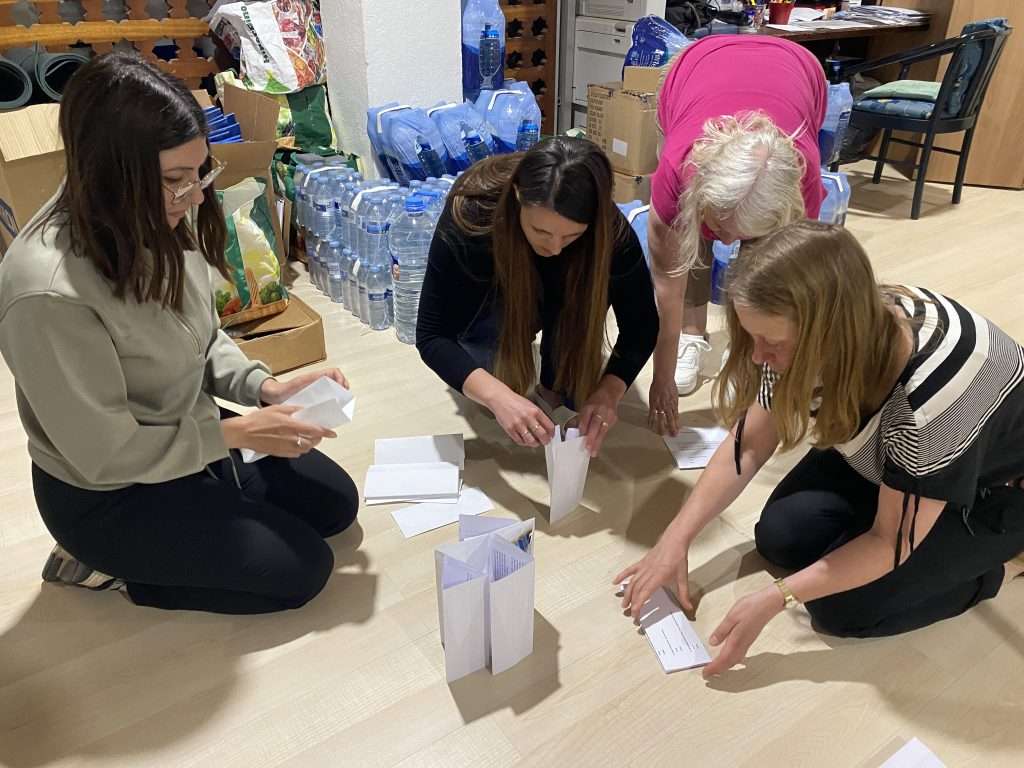
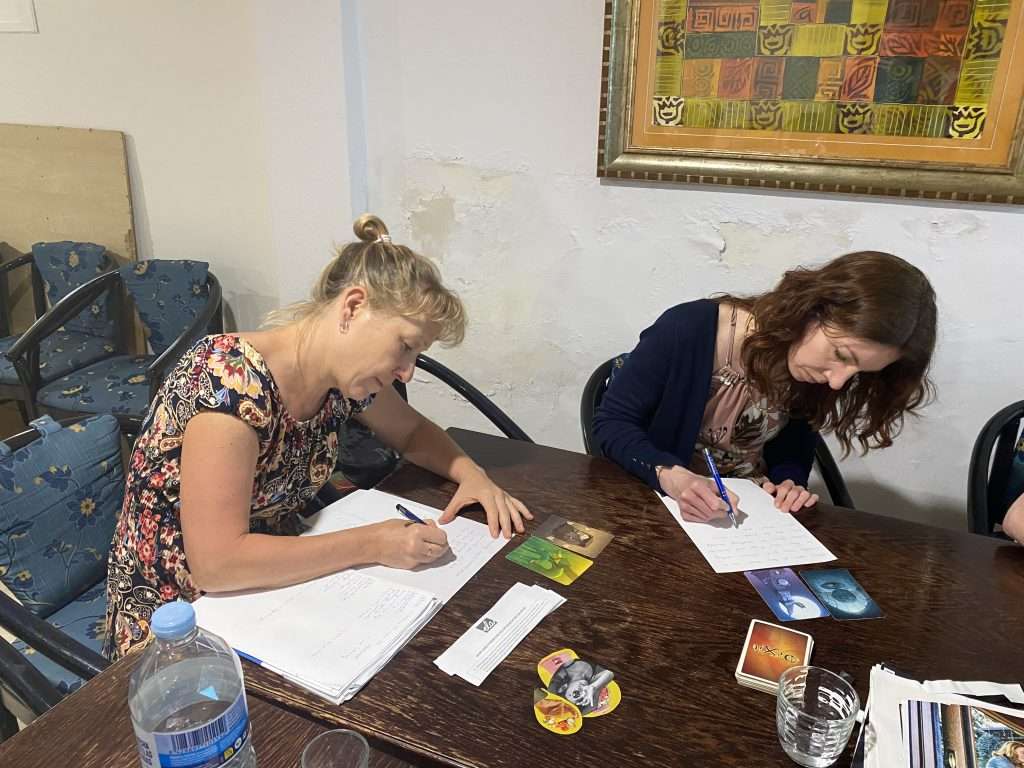
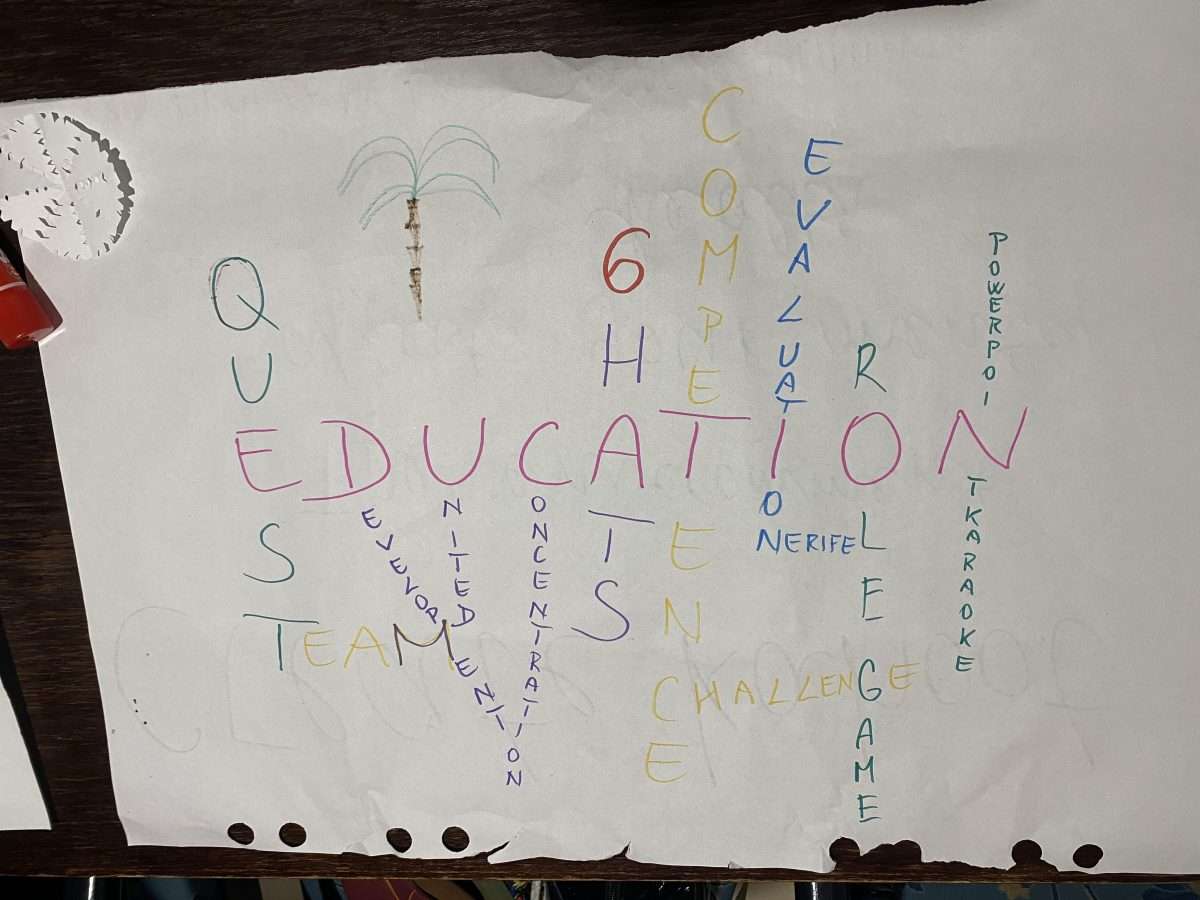
We then highlighted the value of teamwork in education. Working collaboratively proved to be highly effective, as it allowed each participant to actively contribute and share their perspective within a group setting.
Another important aspect of non-formal education involved debate and speaking activities. These exercises promoted kooperativní učení and strengthened participants’ ability to think critically and argue effectively.
After exploring these various tools and approaches, each participant was given the opportunity to design their own educational activity to apply in their school environment. Through their creativity and dedication, a range of innovative and practical tools was developed and shared among the group.
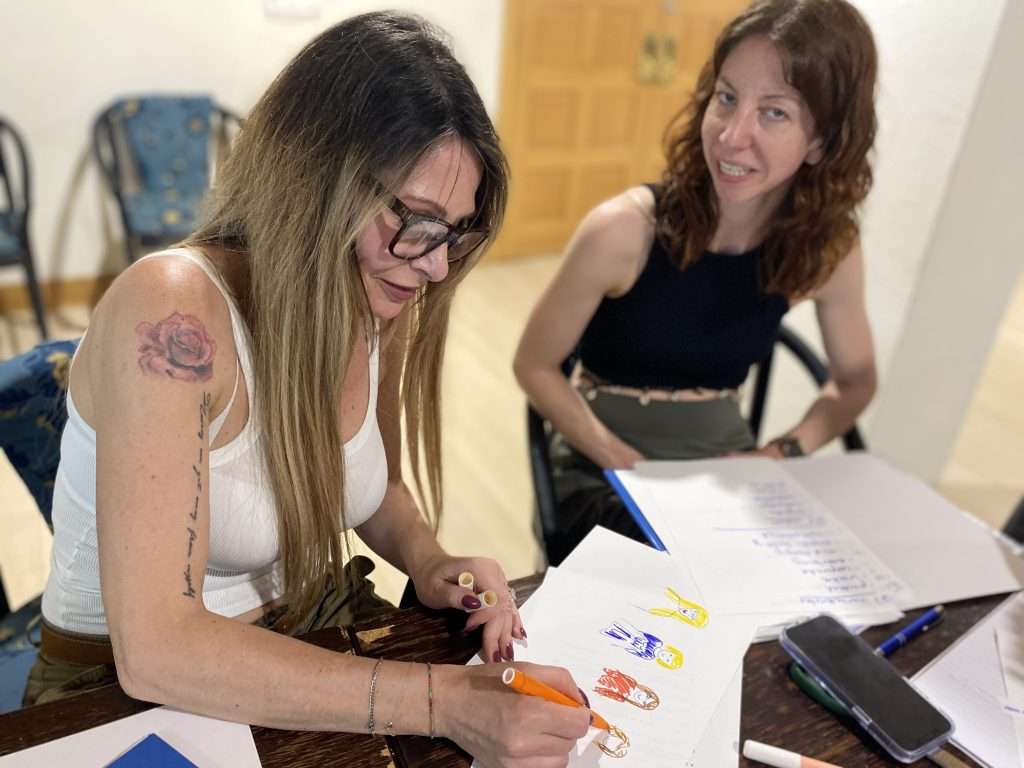
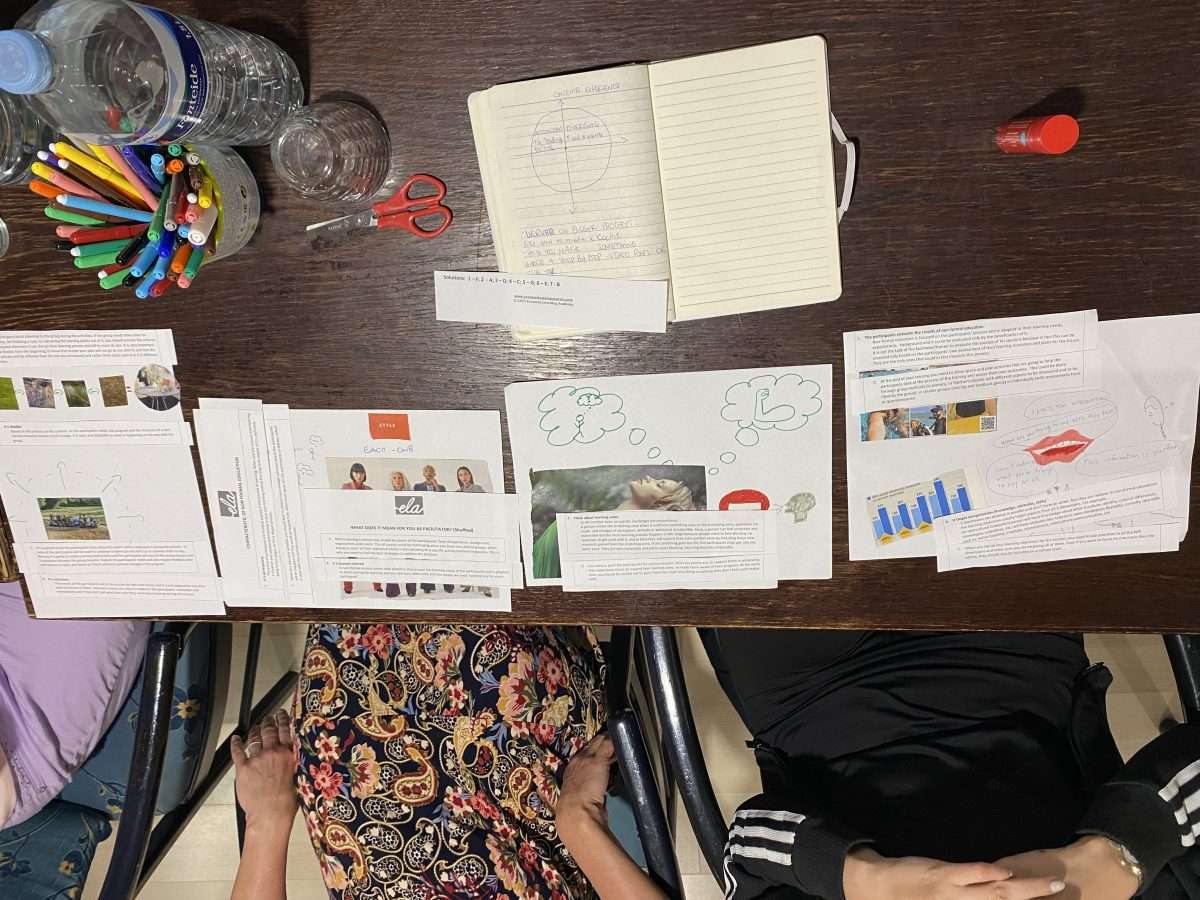
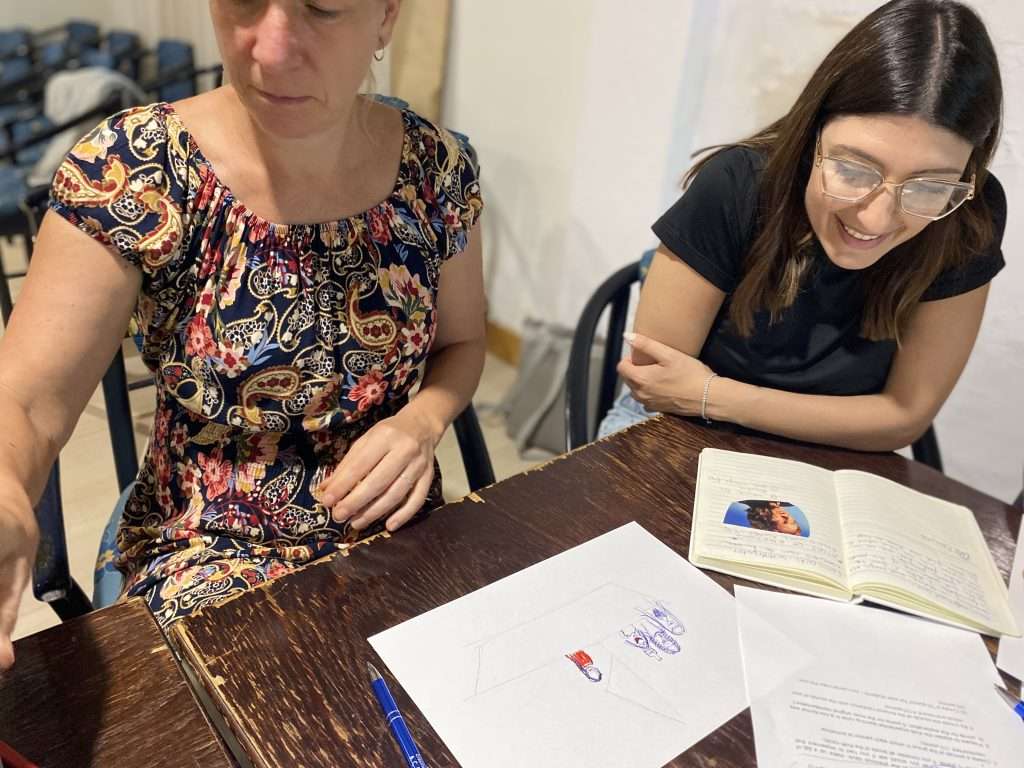
In conclusion, throughout the course, participants experienced inovativní metody výuky in a supportive and engaging environment. They strengthened skills such as teamwork, empathy, and critical thinking, while also creating new and original non-formal educational tools.
Zjistěte více o tomto kurzu zde.
Where this course took place: Erasmus courses for teachers in Tenerife
Planning your own Erasmus+ course? Stáhněte si katalog kurzů 2026-2027
 English (UK)
 Español
 Italiano
 Deutsch
 Română
 Български
 Čeština
 Ελληνικά
 Polski
 Português
 Français