Artificial intelligence is already reshaping the way teachers plan lessons, support learners, and assess progress, which is why courses like this one are so valuable: they help educators use AI with intention rather than by trial and error. From July 5 to July 11, 2026, the Erasmus+ course Erasmus+ kurz umělé inteligence: pokročilé nástroje a aplikace brought participants together in Athens for a practical and collaborative learning experience.
The week opened with introductions from the schools, a shared exploration of the city, and time for the group to settle into a common working rhythm. Participants also reflected on the course methodology, their own needs, and their expectations, creating a clear starting point for the training that followed. This first stage helped build connections within the group and set the tone for a week that balanced exchange, experimentation, and reflection. It also made clear that AI in education is not only about digital tools, but about how teachers think, collaborate, and make informed choices in real classroom settings.
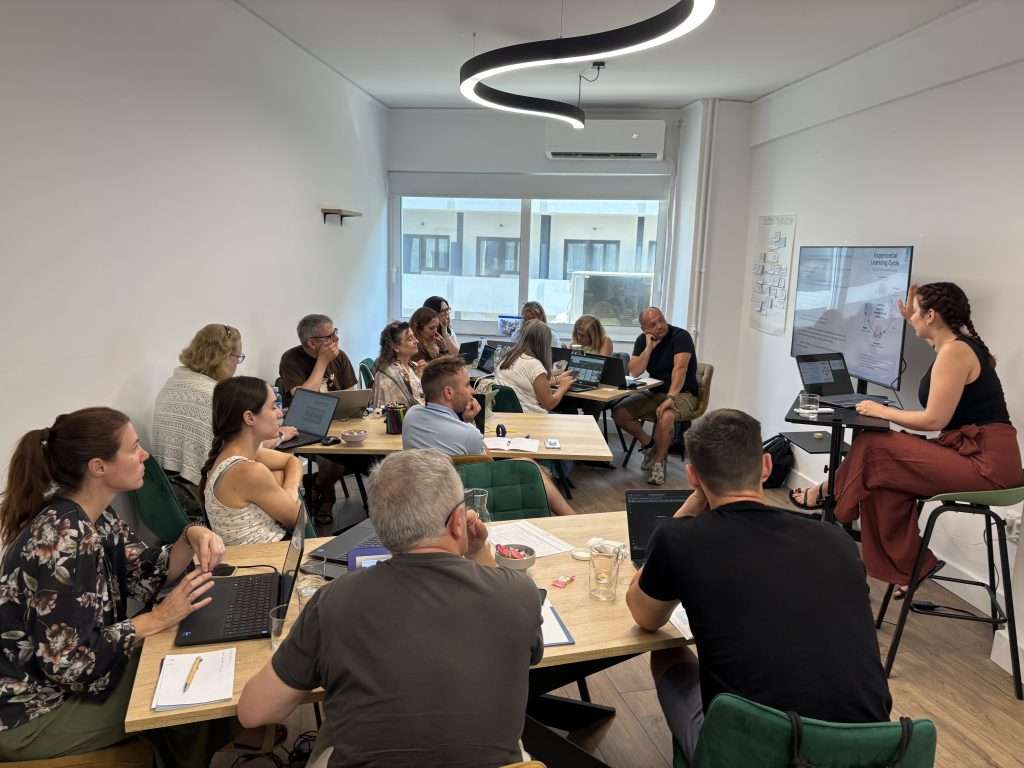
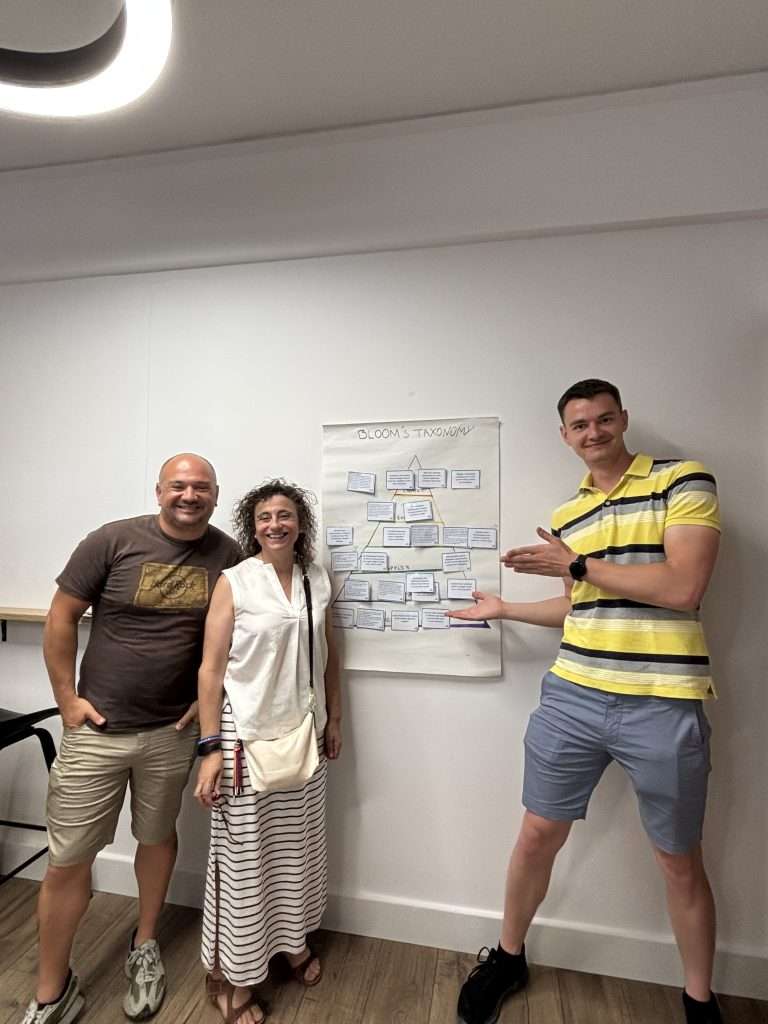
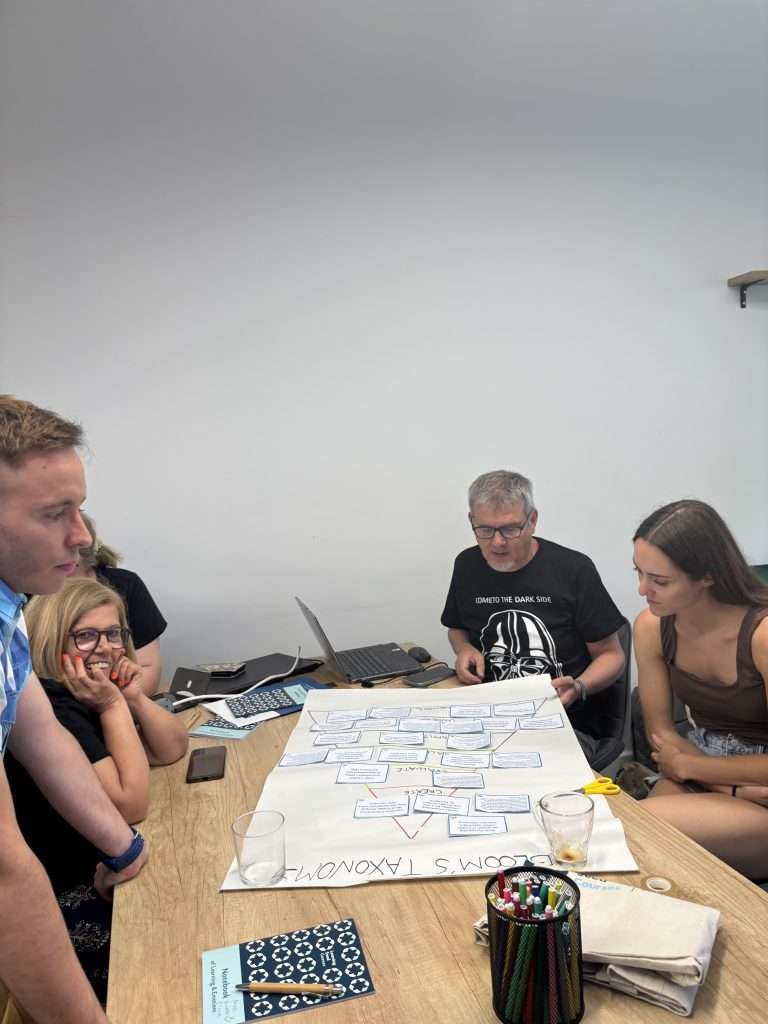
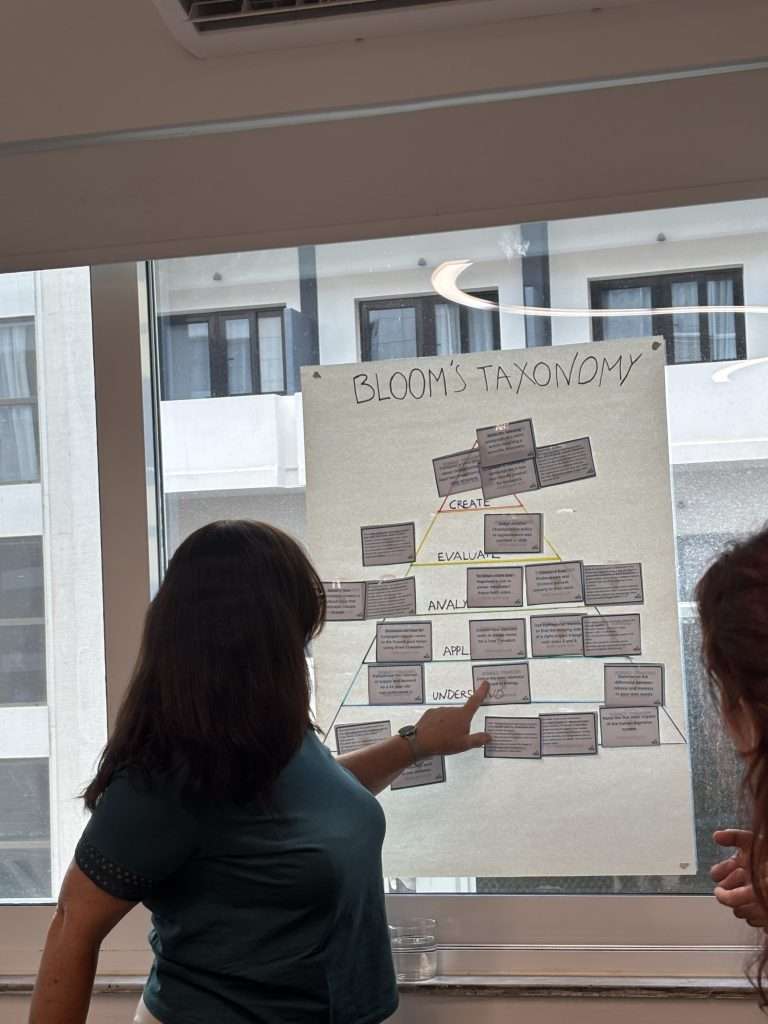
The training then moved into a broader discussion of AI: how it has evolved, what it means for teachers and students, and where it is already being applied in education. Participants shared experiences and good practices before looking at AI ecosystems, large language models, and the opportunities and limitations these systems present. From there, the focus shifted to advanced prompt engineering, including prompt chaining, role prompting, and structured outputs. This gave participants a more confident and practical way to work with AI, helping them move beyond simple use and toward more purposeful interaction with the technology.
The programme then continued with hands-on exploration of widely used AI tools for educators, alongside applications designed to support individual learning and academic research. Participants compared different platforms, tested their strengths, and discussed how they might be used in planning, research, and independent learning. This part of the course was especially useful because it encouraged experimentation and critical thinking at the same time.
Later in the week, the focus turned to creativity and assessment. Participants explored how AI can be used to edit and generate photos, videos, and other multimedia materials, and they also examined tools that can support both formative and summative assessment. These sessions showed how AI can become part of everyday teaching practice in a way that is practical and adaptable, helping teachers design richer learning activities, give more effective feedback, and support assessment with greater flexibility.
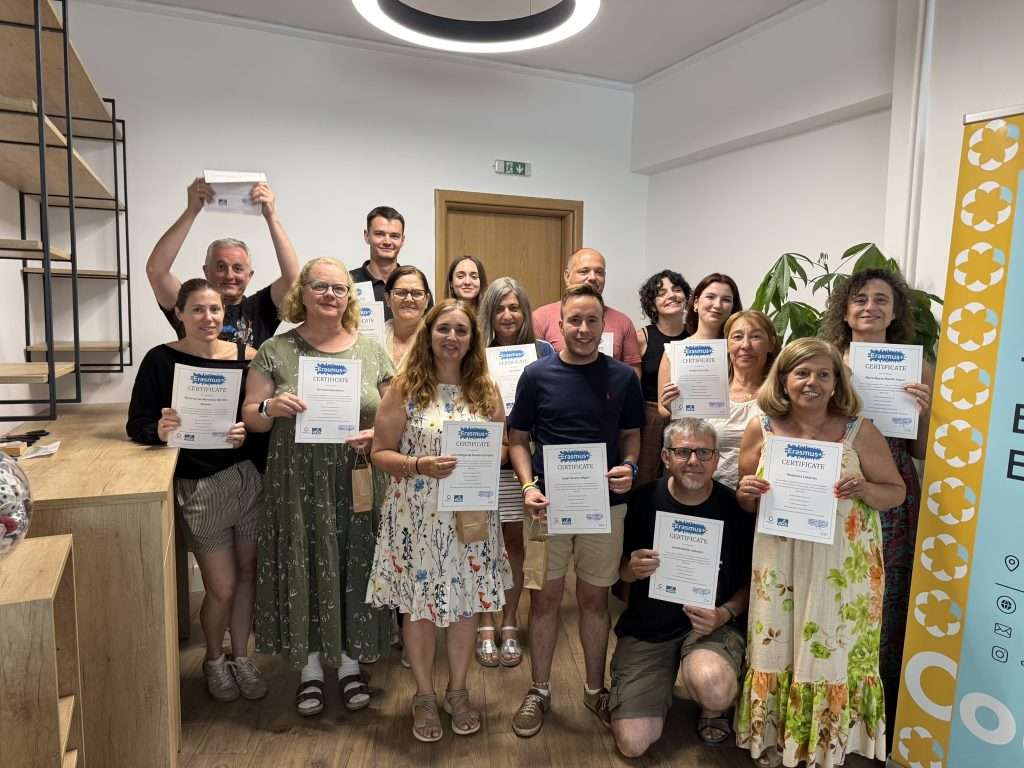
The course concluded with a strong emphasis on responsible use. Participants took part in an outdoor activity and a digital challenge, then moved on to Learning Apps and the European guidelines for AI. The final discussions focused on ethics, risks, limitations, and the need for critical evaluation in educational settings. The week ended with reflection, feedback, and certification, leaving participants with useful ideas, new connections, and a clearer sense of how AI can be approached thoughtfully in schools. More than just introducing tools, the course offered a shared space for learning, questioning, and professional growth, a reminder that the real value of AI in education lies not in the technology itself, but in how educators choose to use it.
Zjistěte více o tomto kurzu zde.
Where this course took place: Erasmus courses for teachers in Athens
Planning your own Erasmus+ course? Stáhněte si katalog kurzů 2026-2027
 English (UK)
 Español
 Italiano
 Deutsch
 Română
 Български
 Čeština
 Ελληνικά
 Polski
 Português
 Français