From the first introductions to the final reflections, this course showed how soft skills are not an extra in education, but part of the everyday work of teaching, learning, and collaborating well with others. In a week focused on emotional intelligence, communication, and conflict management, participants moved from self-awareness to practical tools they can use back in school.
The course, Soft Skills and Emotional Intelligence for teachers and education staff, se konalo v Atény z 26 April to 2 May 2026. The group brought together Aleksi and Juha from Haukilahden lukio, Finland; Ketlin from Haapsalu Vocational Education and Training Centre, Estonia; Sandy and Marleen from Belgium; Francesca, Amelia and Rosalba from Istituto comprensivo Luigi Capuana, Italy and Jorge from Agrupamento de Escolas de Moura, Portugal.
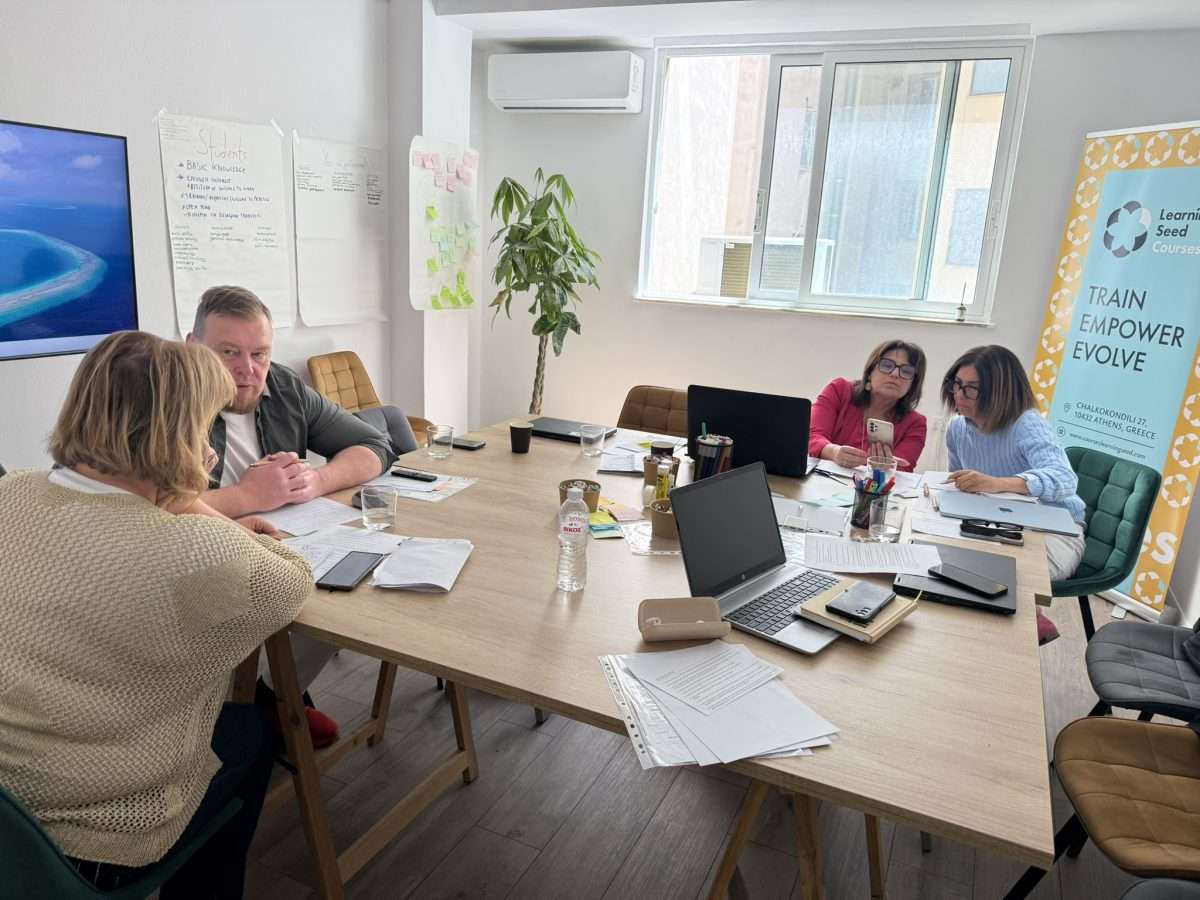
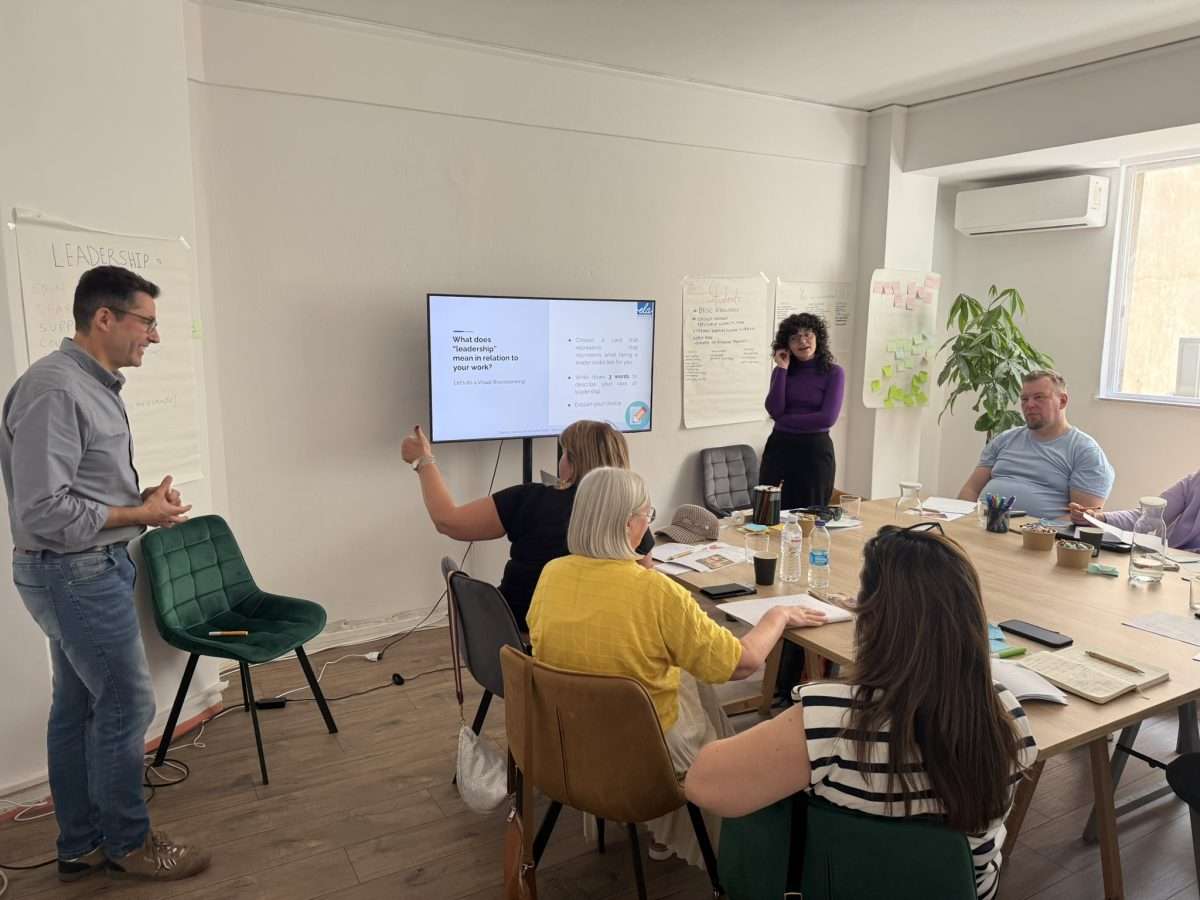
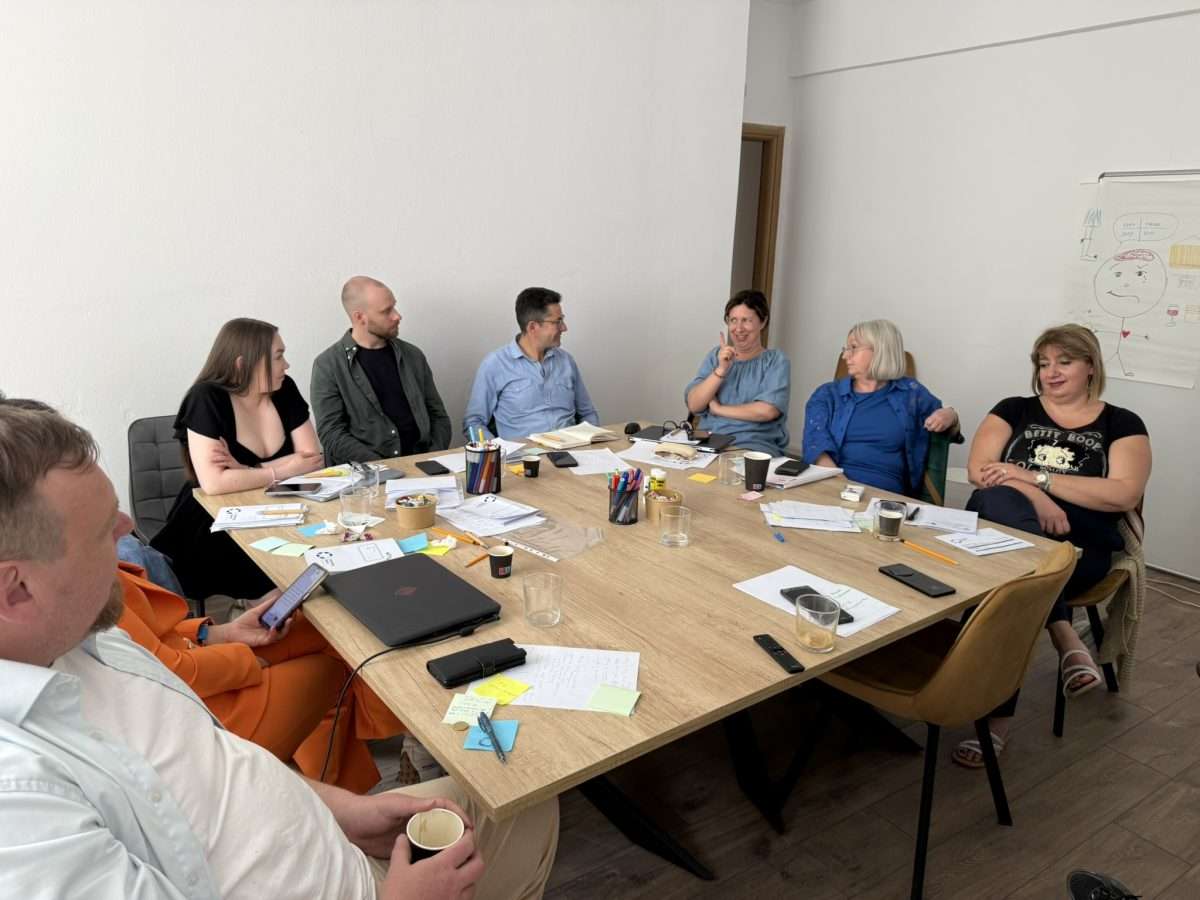
The first full day focused on energizers, expectations, fears, and individual contributions, helping everyone reflect on what they were bringing to the course and what they hoped to take from it. The trainer then introduced soft skills and key competencies, before moving into emotional intelligence.
Tuesday moved from sebeuvědomění do self-management and relationships. Participants worked on self-control and challenging limiting beliefs, then explored social relationships and empathy through praktické činnosti that helped them notice what supports or blocks understanding in daily interactions.
The topic of leadership was also explored, with a focus on its role in educational settings and on the different ways it can be understood and practiced. This offered the group a helpful link between personal attitudes and the way people guide teams, classrooms, and projects.
Midweek shifted toward collaboration, membership, and inclusion. Participants explored how groups work, how people contribute differently, and why inclusion is not just a principle but a daily practice.
The focus then moved to effective communication, with practice in aktivní naslouchání a asertivita. This part of the course connected well with the earlier sessions, showing how strong communication helps build trust, reduce misunderstandings, and support cooperation in school settings.
Thursday deepened the work on assertiveness and moved into non-verbal communication and public speaking. Participants looked at how body language, tone, and presence shape the message we send, and they practiced speaking in a way that was clear, respectful, and confident.
This stage of the course was especially practical because it linked communication skills to real situations teachers and education staff face every day, from meetings and parent conversations to classroom interaction and project work.
The final day focused on conflict management, starting with a shared definition of conflict and different ways of seeing it. Participants then considered conflicts as opportunities and discussed how to manage them at school and in everyday life..
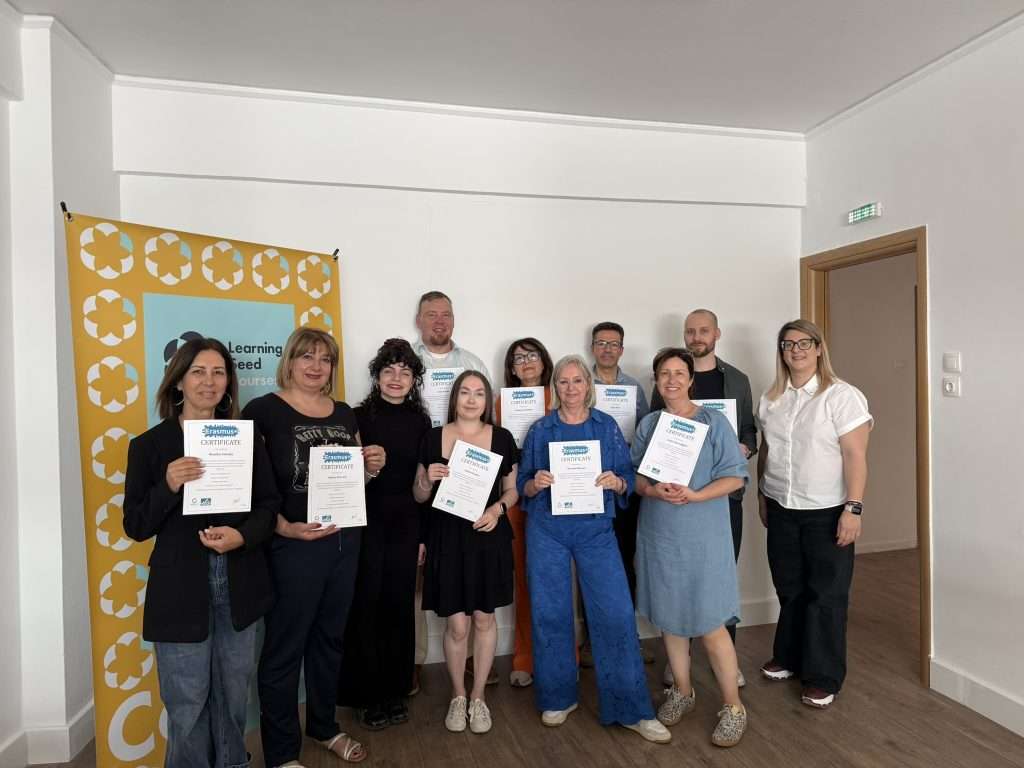
The course ended with a closing activity based on gratitude and a certificate ceremony, giving the group a chance to recognize the value of the week and the relationships built along the way. By the end of the course, participants had not only learned new strategies, but also experienced how reflection, spolupráce, a open dialogue can strengthen both professional practice and personal confidence.
Zjistěte více o tomto kurzu zde.
Where this course took place: Erasmus courses for teachers in Athens
Planning your own Erasmus+ course? Stáhněte si katalog kurzů 2026-2027
 English (UK)
 Español
 Italiano
 Deutsch
 Română
 Български
 Čeština
 Ελληνικά
 Polski
 Português
 Français